short answer: Interior design requirements are the essential functional, technical, regulatory, and aesthetic criteria that guide how residential and commercial spaces are planned, designed, approved, and executed. They include space planning rules, material selection standards, safety and building code compliance, lighting and ventilation needs, user lifestyle considerations, budget constraints, and local authority approvals. When these requirements are addressed systematically from concept to execution, interiors become safe, efficient, culturally appropriate, visually cohesive, and legally compliant.
What Are Interior Design Requirements
Interior design requirements are the defined conditions that determine how an interior space must function, feel, and comply with technical and legal standards. In practical terms, they act as the design brief translated into measurable and actionable design decisions. These requirements cover how spaces are used, how people move through them, which materials are suitable, how lighting and ventilation are handled, and how safety and authority regulations are met.
From professional practice, interior design requirements are never limited to visual preferences alone. In fact, aesthetics usually come after functional, regulatory and compliance requirements, and user based needs are clearly understood. For example, a family villa in Qatar requires different spatial zoning, privacy controls, and material durability than a corporate office or a retail showroom. Each context defines its own set of requirements.
At a professional level, these requirements are documented early to avoid costly redesigns, approval delays, or operational failures after handover. Whether the project is residential or commercial, clear requirements form the backbone of successful interior design.
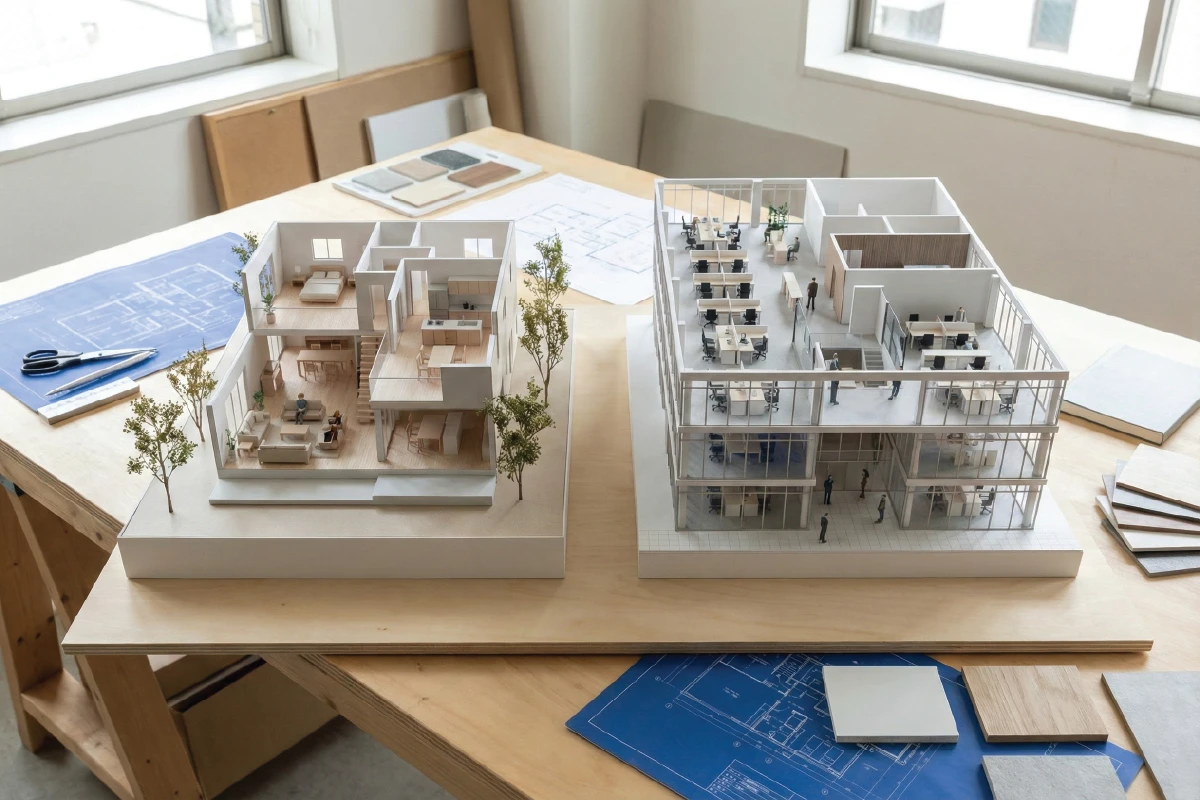
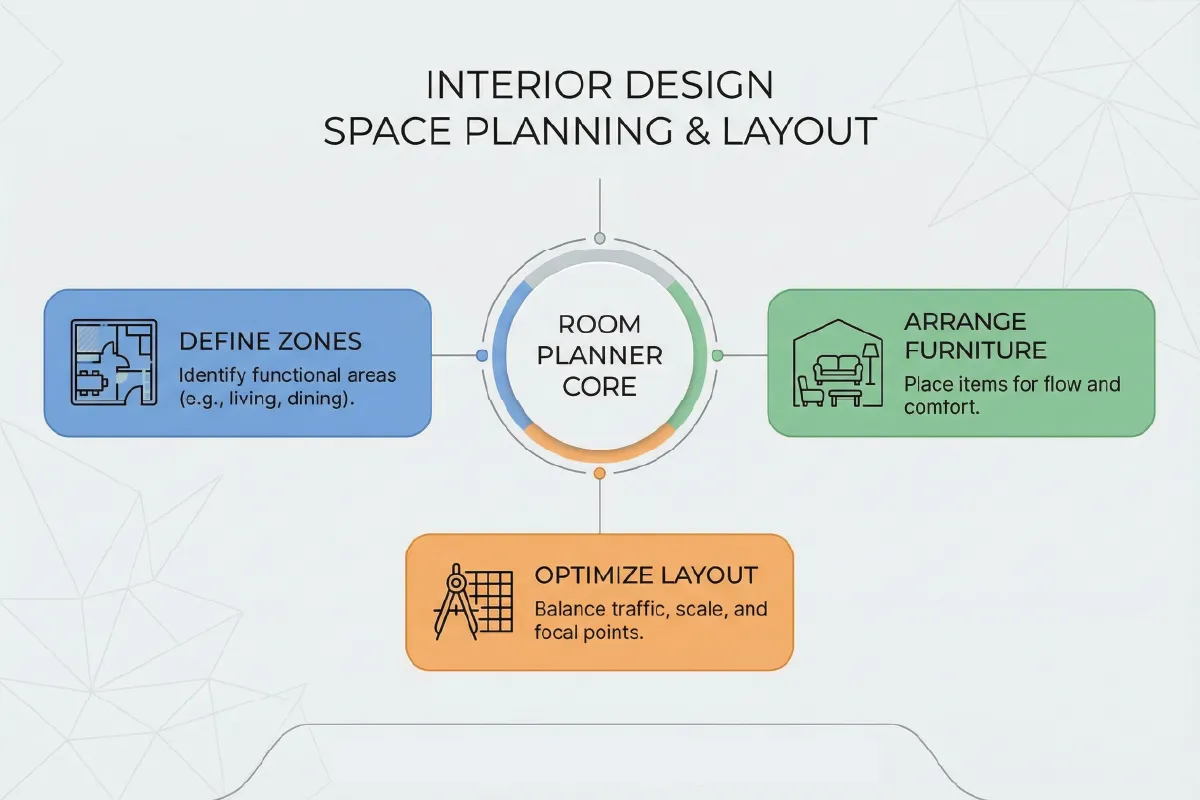
Space planning determines how people move, interact, and function within an interior. Poor planning leads to congestion, wasted space, and usability issues in both homes and offices, which is why interior space planning requirements must be addressed before finalizing layouts.
Why Interior Design Requirements Matter
Interior design requirements matter because they directly impact safety, comfort, cost control, regulatory approval, and long term usability of a space. When requirements are ignored or poorly defined, interiors may look appealing initially but fail in daily use, maintenance, or compliance.
In Arabian and Asian markets, this becomes even more critical due to strict municipality regulations, cultural expectations around privacy, and climate driven material performance issues. For instance, selecting wall finishes without considering humidity or temperature fluctuations can lead to premature deterioration, while poor space zoning can compromise family privacy or workplace productivity.
From real project experience, most design disputes arise not from creativity gaps but from unclear or undocumented requirements. Clear requirements align homeowners, designers, contractors, and approving authorities from the beginning.
- They reduce approval risks from local authorities
- They prevent budget overruns caused by late changes
- They improve user satisfaction after project completion
- They ensure interiors age well over time
Core Interior Design Requirements Overview
Interior design requirements can be grouped into clear categories that apply across most residential and commercial projects. Understanding these categories helps you assess whether a design proposal is complete or missing critical elements.
| Requirement Category | Purpose | Typical Application |
|---|---|---|
| Functional Requirements | Define how spaces are used and connected | Room layouts, circulation, zoning |
| Technical Requirements | Ensure systems operate safely and efficiently | Lighting, HVAC, electrical planning |
| Material Requirements | Specify finishes based on performance and durability | Walls, floors, ceilings, joinery |
| Regulatory Requirements | Meet local authority and safety codes | Fire safety, accessibility, approvals |
| Aesthetic Requirements | Define visual identity and design language | Style, color palettes, textures |
| Budget And Timeline Requirements | Control costs and delivery schedules | Material selection, phasing |
Each category influences the others. For example, aesthetic preferences may need adjustment based on fire safety ratings, while budget limits may affect material choices without compromising functionality.
Functional Space Planning Requirements
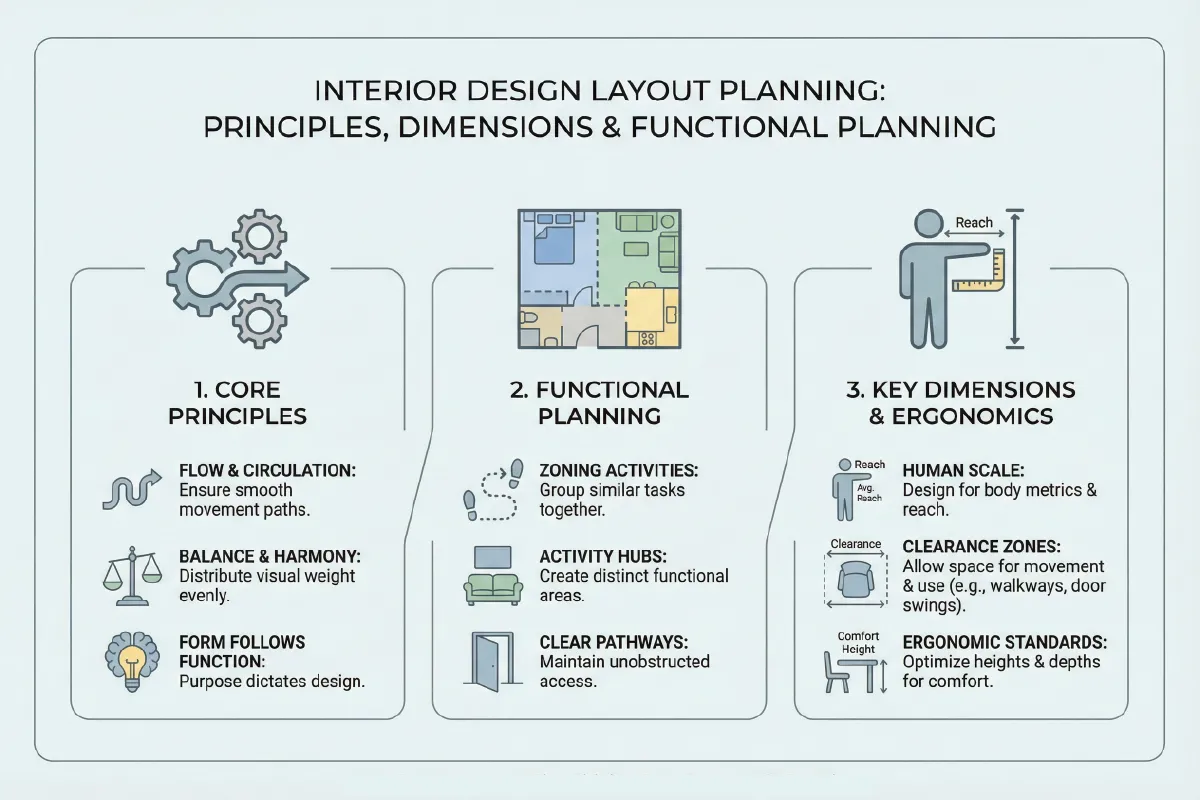
Functional space planning requirements define how each area within an interior is used, accessed, and experienced. This is the foundation of all interior design decisions, especially in residential villas, apartments, offices, and mixed use developments.
In practice, functional planning begins by identifying user profiles and daily activities. For example, a Qatari family villa often requires clear separation between guest areas and private family zones, while a commercial office prioritizes workflow efficiency, meeting room access, and employee comfort.
Key functional planning requirements typically include:
- Clear zoning between public, semi private, and private areas
- Efficient circulation paths without dead spaces
- Appropriate room sizes based on furniture and usage
- Visual and acoustic privacy where required
- Future flexibility for changing needs
From experience, successful interiors are those where movement feels intuitive and spaces support daily routines without friction. Poor space planning, even with high end finishes, quickly becomes noticeable and frustrating for occupants.
Technical System Requirements In Interior Design
Technical system requirements define how lighting, electrical, HVAC, plumbing, acoustics, and smart systems must function within an interior space. These requirements ensure comfort, safety, energy efficiency, and long term operational reliability. In professional practice, technical systems are coordinated alongside space planning, not added later as an afterthought.
In residential and commercial projects across Asia and MENA, technical coordination is critical due to climate conditions, high occupancy loads, and strict authority approvals. For example, cooling loads in Gulf countries directly influence ceiling heights, diffuser placement, and material choices.
- lighting requirements in interior design based on task, mood, and energy efficiency
- Electrical load calculations and socket distribution
- HVAC zoning and airflow comfort
- Acoustic control for privacy and noise reduction
- Smart automation readiness where applicable
Well defined technical requirements reduce energy waste, avoid site conflicts, and ensure interiors perform as intended long after handover.
Lighting Design Requirements
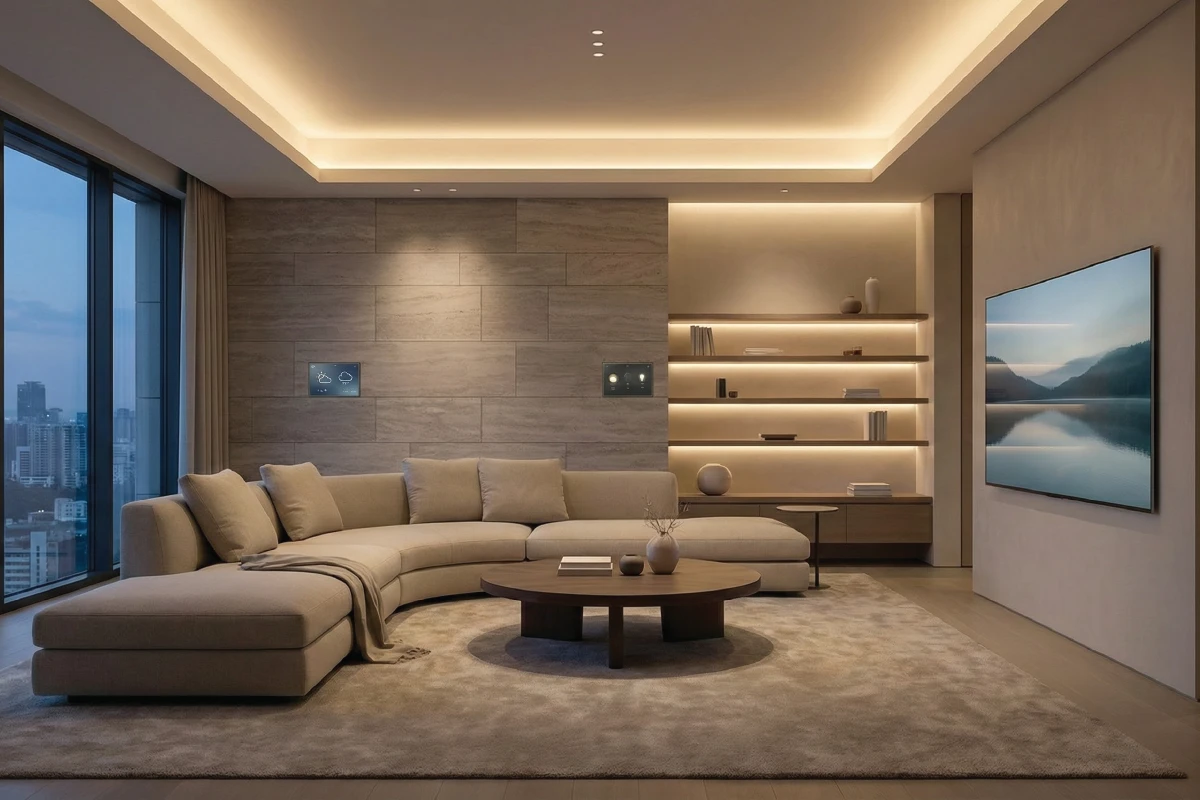
Lighting design requirements determine how artificial and natural light support visual comfort, functionality, and ambiance. In professional interiors, lighting is layered to address different needs rather than relying on a single light source.
A typical layered lighting requirement includes ambient lighting for general illumination, task lighting for specific activities, and accent lighting to highlight architectural or decorative elements. In Arabian residential interiors, warm lighting tones are often preferred for living spaces, while commercial environments may require higher lux levels for productivity.
| Space Type | Lighting Focus | Design Consideration |
|---|---|---|
| Living Rooms | Ambient And Accent | Comfort And Visual Warmth |
| Kitchens | Task Lighting | Shadow Free Work Surfaces |
| Offices | Uniform Illumination | Glare Control And Focus |
| Retail Spaces | Accent And Display | Product Visibility |
From experience, lighting mistakes are among the most difficult to correct post completion. Clear lighting requirements at design stage prevent discomfort and unnecessary retrofits.
HVAC And Ventilation Requirements
HVAC and ventilation requirements ensure thermal comfort, indoor air quality, and regulatory compliance. In hot climate regions, these requirements directly influence ceiling design, wall thickness, and material performance.
Residential interiors often require flexible zoning to accommodate different occupancy patterns, while commercial interiors demand consistent airflow and temperature control across large areas. Proper ventilation is also essential to prevent humidity related issues such as condensation and material degradation.
- Correct cooling load calculations
- Balanced air distribution
- Fresh air intake compliance
- Noise control from mechanical systems
- Maintenance access planning
In professional projects, HVAC coordination drawings are reviewed alongside interior layouts to avoid clashes and maintain clean ceiling aesthetics.
Material Selection Requirements For Interiors
Material selection requirements define which finishes are suitable for walls, floors, ceilings, and built in elements based on durability, safety, maintenance, and visual intent. In high use environments, material performance is more important than initial appearance.
In Arabian and Asian interiors, materials must also respond to climate, cultural expectations, and long term wear. For example, marble floors may suit formal spaces, while vinyl or engineered flooring may perform better in commercial or high traffic areas.
| Material Area | Key Requirement | Performance Consideration |
|---|---|---|
| Wall Finishes | Washability And Fire Rating | Humidity Resistance |
| Flooring | Slip Resistance | Traffic Durability |
| Ceilings | Acoustic Control | Access To Services |
| Joinery | Structural Stability | Edge And Finish Quality |
Clear material requirements reduce disputes during procurement and ensure consistency between design intent and site execution.
Regulatory And Approval Requirements
Regulatory and approval requirements ensure that interior designs comply with local building codes, fire safety rules, and accessibility standards. In many MENA countries, interior works require approval from civil defence and municipality authorities before execution.
For example, commercial interiors often require compliance with guidelines issued by :contentReference[oaicite:0]{index=0}, while residential projects may need municipality approvals for layout changes or service modifications. Ignoring these requirements can lead to project delays or costly rework.
- Fire rated materials and escape routes
- Accessibility provisions where applicable
- Authority drawing submissions and approvals
- As built documentation
Experienced designers integrate regulatory requirements into the design process from day one, ensuring smoother approvals and predictable timelines.
Budget And Timeline Requirements
Budget and timeline requirements define how interior design decisions are aligned with financial limits and delivery schedules. In professional practice, a successful interior is not the most expensive one, but the one that delivers maximum value within agreed constraints.
In residential projects, budgets are often influenced by lifestyle priorities, long term maintenance costs, and phased execution. In commercial interiors, timelines become equally critical because delays directly impact business operations and revenue.
- Clear budget allocation by design category
- Prioritization of high impact spaces
- Allowance for authority approvals and lead times
- Contingency planning for site conditions
From experience, early budget clarity allows designers to propose realistic materials and systems, avoiding redesign cycles later in the project.
Cultural And Regional Design Requirements
Cultural and regional requirements shape how interior spaces are organized, detailed, and experienced. In Arabian and Asian contexts, design must respect privacy, hospitality traditions, and social interaction patterns.
For example, many residential interiors in the Gulf prioritize formal majlis areas separated from family spaces, while commercial interiors often reflect brand identity through restrained luxury rather than overt decoration. Climate also plays a role, influencing material choices, window treatments, and lighting strategies.
Designers who understand cultural context deliver interiors that feel intuitive rather than imposed. This understanding often distinguishes professional interiors from generic global designs.
Residential Versus Commercial Interior Design Requirements
residential and commercial interiors share foundational principles but differ significantly in priorities and regulatory demands. Understanding these differences helps clients set realistic expectations.
| Aspect | Residential Interiors | Commercial Interiors |
|---|---|---|
| User Focus | Family Comfort And Privacy | Productivity And Brand Image |
| Regulations | Basic Safety And Municipality Rules | Fire, Accessibility, And Occupancy Codes |
| Material Selection | Aesthetic And Comfort Driven | Durability And Maintenance Driven |
| Timeline Sensitivity | Moderate | High |
Recognizing these differences ensures that design strategies are appropriate to the project type and end users.
Case Style Design Insight From A Qatari Villa
Consider a modern villa in Doha designed for a multi generational family. The initial requirement was simple elegance with strong privacy controls. However, deeper requirement analysis revealed the need for separate guest circulation, flexible family spaces, and durable finishes suitable for frequent gatherings.
By documenting requirements early, the design integrated concealed storage, acoustic separation, layered lighting, and climate appropriate materials. The result was an interior that felt calm, functional, and culturally aligned without appearing over designed.
This example illustrates how interior design requirements transform abstract preferences into practical, livable spaces.
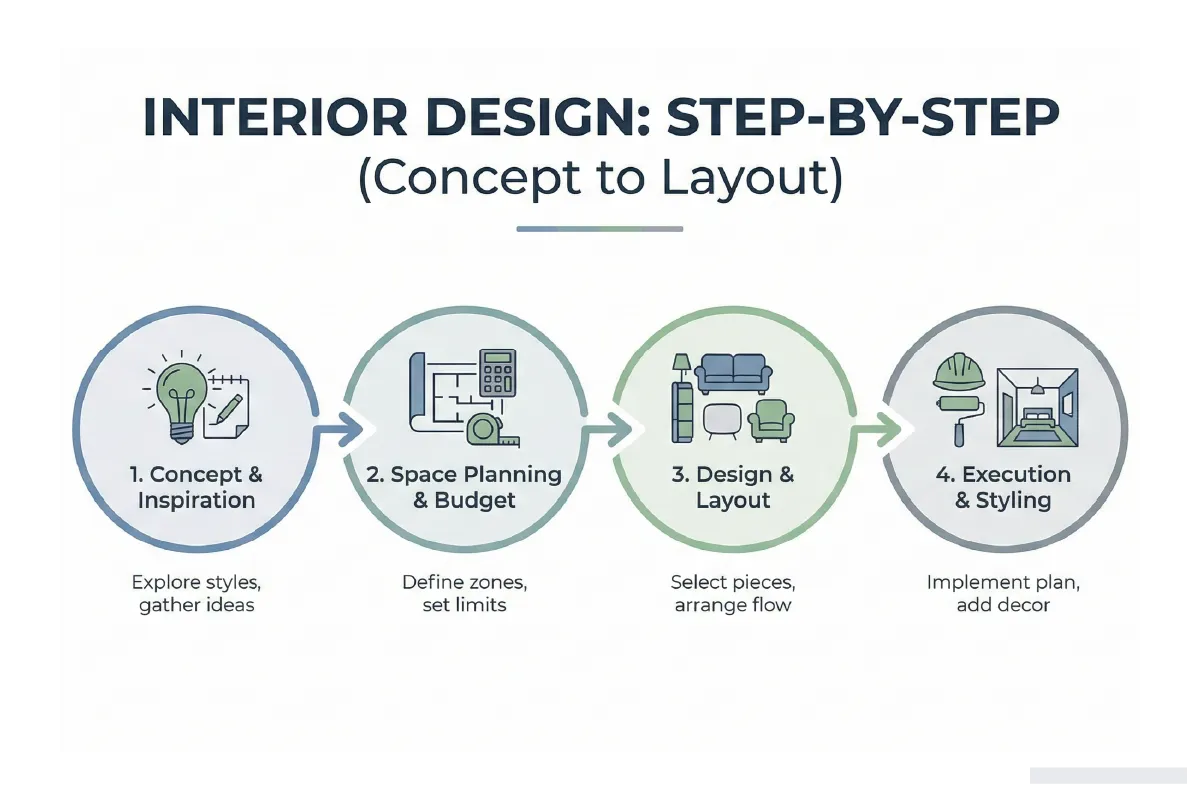
Interior Design Requirement Planning Process
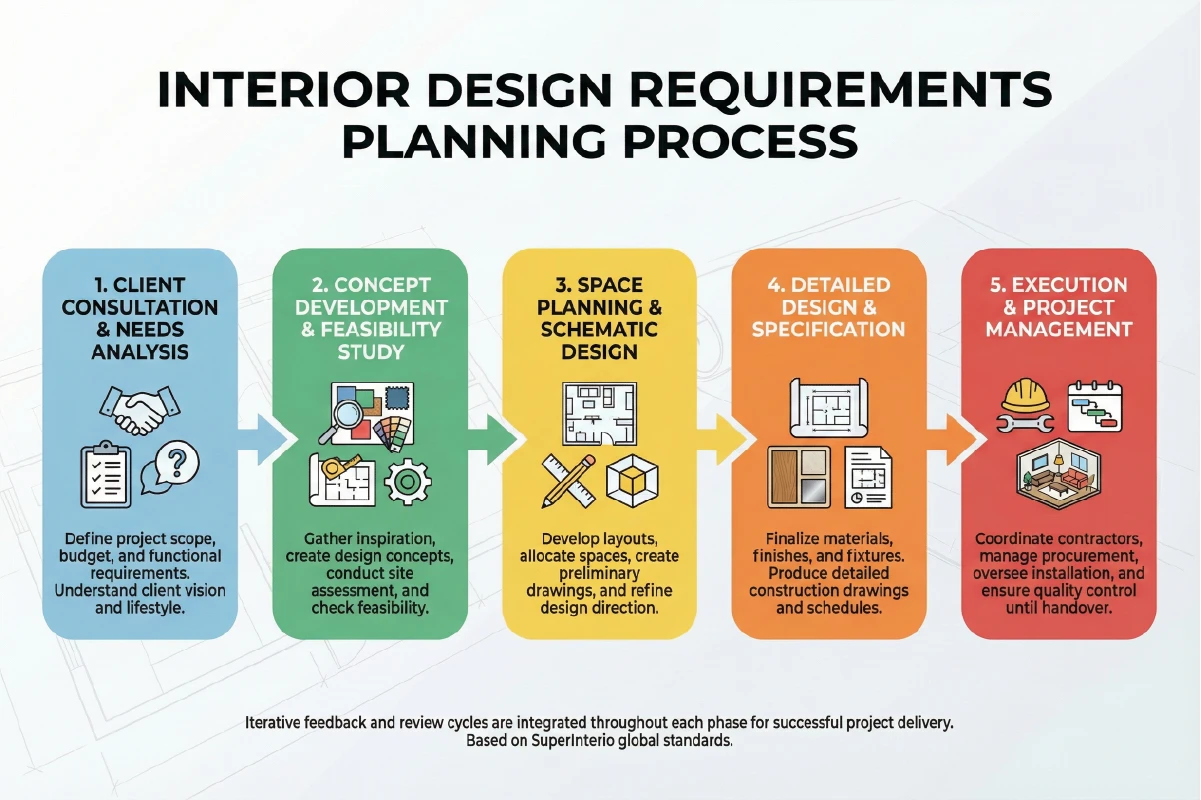
Short answer: The interior design requirement planning process defines all functional, technical, material, budgetary, and regulatory needs before detailed design begins, ensuring that interiors are realistic, compliant, and aligned with user expectations.
- Understand User Needs And Project Goals: Identify who will use the space, how it will be used, and what functional, cultural, and lifestyle expectations must be met. This step establishes the foundation for all interior design requirements.
- Analyze Space And Site Conditions: Review site dimensions, existing services, structural constraints, and environmental factors such as climate, natural light, and ventilation that influence interior planning.
- Define Functional Space Planning Requirements: Establish zoning, circulation paths, room sizes, privacy levels, and flexibility needs to ensure the interior layout supports daily activities efficiently.
- Identify Technical System Requirements: Determine lighting, electrical, HVAC, plumbing, acoustic, and smart system needs based on comfort, safety, and operational performance.
- Select Materials And Finishes: Choose wall, floor, ceiling, and joinery materials based on durability, safety, maintenance, climate suitability, and visual intent.
- Confirm Regulatory And Approval Requirements: Review local building codes, fire safety rules, and authority approval processes to ensure the design complies with all legal and safety standards.
- Align Budget And Timeline: Match design decisions with budget limits, procurement lead times, and project milestones to ensure realistic delivery.
- Document And Validate Requirements: Compile all interior design requirements into a clear document or design brief and validate them with stakeholders before proceeding to detailed design.
Frequently Asked Questions
What Are The Most Important Interior Design Requirements
The most important requirements include functional space planning, safety compliance, appropriate material selection requirements , lighting and ventilation performance, and alignment with user lifestyle and budget.
Do Interior Design Requirements Differ By Country
Yes. While core principles remain similar, regulatory approvals, climate considerations, and cultural expectations vary across regions, especially between Asia, the Gulf, and Europe.
When Should Interior Design Requirements Be Finalized
Requirements should be finalized before detailed design begins. Early clarity reduces redesign, approval delays, and cost escalation.
Can Interior Design Requirements Change During A Project
They can change, but frequent changes often increase costs and timelines. Controlled revisions with clear impact assessment are recommended.
Key Takeaways
- Clear Requirements Drive Success: Well defined interior design requirements prevent delays, disputes, and redesign.
- Function Comes First: Space planning and usability form the foundation of all interior decisions.
- Regional Context Matters: Cultural norms and climate conditions shape effective interiors in Asia and MENA.
- Professional Coordination Is Essential: Technical systems, materials, and approvals must be integrated early.
- Balanced Design Delivers Value: The best interiors align aesthetics, performance, and budget realistically.
References
- Local municipality interior fit out guidelines
- Fire and life safety approval standards
- Professional interior design practice manuals