Short answer: interior design materials for walls, floors, and ceilings determine how a space looks, feels, performs, and ages over time. Choosing the right materials requires balancing aesthetics, durability, climate response, maintenance, and lifestyle needs, especially in Qatar where heat, humidity, and usage patterns strongly influence long term performance.
Why Interior Design Material Selection Matters
Material selection is the backbone of interior design. While colors and furniture can be changed easily, walls, floors, and ceilings form the permanent shell of a space.
From professional experience, many interior issues arise not from poor Design Ideas but from incorrect material choices. A beautiful material that does not suit climate or usage often fails prematurely.
Interior materials influence:
- Visual character and design style
- Durability and lifespan
- Maintenance requirements
- Thermal and acoustic comfort
In Qatar, where interiors must respond to high temperatures, air conditioning, and dust, material selection becomes even more critical.
Understanding Climate And Lifestyle Impact On Materials In Qatar
Interior materials that perform well in cooler climates may not always suit Middle Eastern conditions. High heat, humidity fluctuations, and frequent indoor cooling place unique stress on finishes.
From projects across Doha, Lusail, and The Pearl, certain patterns are consistently observed.
- Materials must resist expansion and contraction
- Surfaces should be easy to clean and maintain
- Finishes must withstand frequent air conditioning use
- Durability is more important than temporary trends
For example, some wall finishes that perform well in Europe show cracking or discoloration when exposed to constant temperature changes in Qatar homes.
Lifestyle also plays a role. Homes with children, frequent guests, or pets require tougher materials compared to show homes or low occupancy apartments.
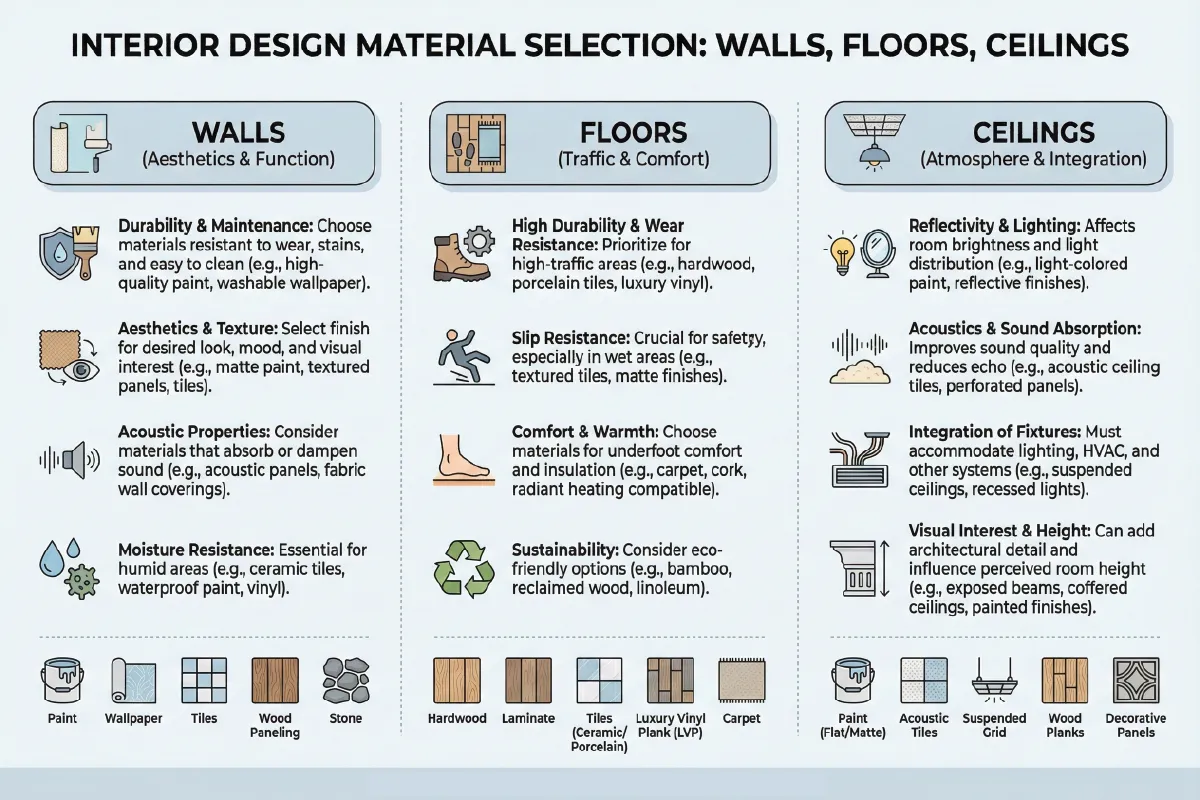
Interior Design Materials For Walls Overview
Walls form the largest visible surface in any interior. The choice of wall material sets the overall tone of a space.
From professional practice, wall materials should be selected based on:
- Room function
- Desired visual impact
- Maintenance expectations
- Budget constraints
In Qatar interiors, walls often serve both aesthetic and functional roles, such as integrating storage, lighting, or acoustic treatment.
How To Choose Wall Materials For Homes And Commercial Spaces
Choosing wall materials should start with understanding how the space will be used rather than focusing only on appearance.
From experience, the following considerations lead to better long term outcomes:
- Identify high traffic versus low traffic areas
- Decide where visual focus is needed
- Consider cleaning and maintenance effort
- Ensure compatibility with lighting design
For example, a feature wall behind a Living Room sofa can use textured finishes, while corridors benefit from durable, easy to clean materials.
Let us imagine a villa in Lusail where wall materials were selected based on usage zones. The result was a balanced interior that aged gracefully without frequent repairs.
Key Takeaways
- Materials Define Longevity: Walls, floors, and ceilings shape durability.
- Climate Matters: Qatar conditions demand resilient finishes.
- Walls Set The Tone: Largest surfaces influence perception.
- Function Comes First: Usage should guide material choice.
Popular Interior Design Materials For Walls
Wall materials define character more than any other interior surface. In Qatar interiors, walls must balance aesthetics, durability, and climate resistance.
From professional practice, the most commonly used wall materials fall into a few reliable categories.
Paint Finishes For Interior Walls
Paint remains the most widely used wall finish due to its flexibility, affordability, and ease of maintenance.
However, not all paint finishes perform the same way. In Qatar homes, washable and breathable paints are preferred.
| Paint Finish | Best Use Area | Performance Characteristic |
|---|---|---|
| Matt | Bedrooms and low traffic areas | Soft appearance but less washable |
| Eggshell | Living and dining areas | Balanced look and durability |
| Satin | Corridors and family spaces | Easy cleaning and mild sheen |
| Gloss | Accent details and trims | Highly durable but reflective |
From experience, eggshell and satin finishes offer the best balance for most Qatar interiors.
Wallpaper And Decorative Wall Finishes
Wallpaper and decorative finishes are commonly used for feature walls rather than full rooms.
In Qatar interiors, textured wallpapers, fabric backed wall coverings, and subtle metallic finishes are popular in formal living areas and bedrooms.
Professional considerations include:
- Moisture resistance
- Light fastness under strong daylight
- Ease of replacement
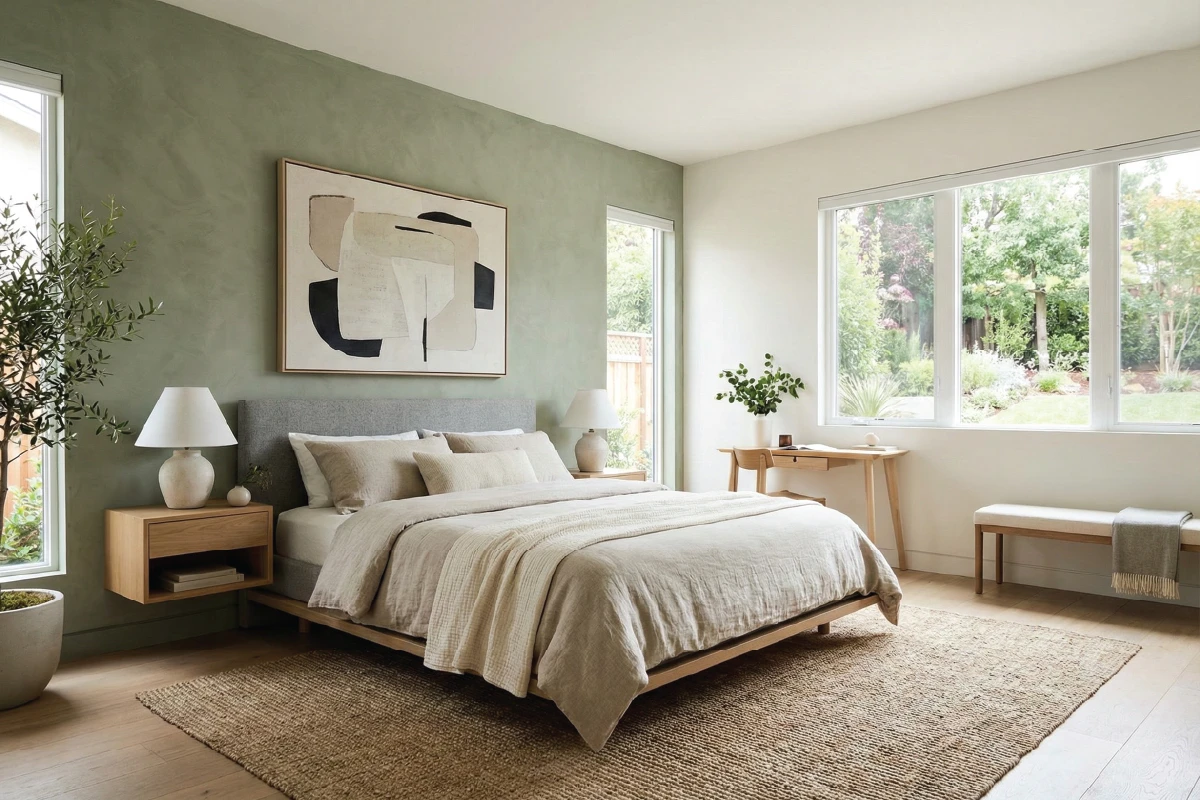
For example, a Pearl apartment used fabric textured wallpaper behind the bed to add warmth without overpowering the space.
Wood And Paneling Materials For Walls
Wood based wall panels add warmth and architectural depth. In Qatar, engineered wood panels are often preferred over natural wood due to climate stability.
Common wall panel materials include:
- Engineered veneer panels
- Laminate wall panels
- Painted MDF paneling
From professional projects, wood paneling works best when limited to focal areas such as TV walls or headboards.
Stone And Tile Wall Materials
Stone and tile finishes bring durability and luxury to interior walls. They are often used in entry areas, bathrooms, and accent walls.
In Qatar homes, commonly used wall stones include marble, porcelain slabs, and engineered stone panels.
These materials perform well in high humidity areas and require minimal maintenance when installed correctly.
Interior Design Materials For Floors Overview
Flooring materials experience the most wear and tear. Choosing the right flooring ensures comfort, safety, and longevity.
From professional practice, floor material selection should consider foot traffic, maintenance effort, and thermal comfort.
Popular Flooring Materials Used In Qatar Interiors
| Flooring Material | Best Use Area | Key Advantage |
|---|---|---|
| Porcelain Tiles | Living and common areas | Durable and easy to maintain |
| Engineered Wood | Bedrooms | Warm underfoot |
| Vinyl Flooring | Bedrooms and offices | Cost effective and moisture resistant |
| Natural Stone | Luxury villas | Premium appearance |
Porcelain tiles remain the most popular flooring choice due to durability and climate compatibility.
Tile Flooring Materials For Interiors
Tiles are widely used in Qatar due to their resistance to heat and ease of cleaning.
Large format porcelain tiles are particularly popular as they create a seamless visual effect with fewer grout lines.
Wood And Vinyl Flooring Materials
Wood and vinyl flooring introduce warmth into interiors. Engineered wood performs better than solid wood under Qatar conditions.
Luxury vinyl flooring offers a practical alternative where moisture or budget is a concern.
Key Takeaways
- Wall Materials Shape Identity: Paint, panels, and stone define character.
- Flooring Demands Durability: High traffic areas need resilient materials.
- Climate Compatibility Is Crucial: Materials must withstand Qatar conditions.
- Feature Use Works Best: Decorative finishes perform better when controlled.
Interior Design Materials For Ceilings Overview
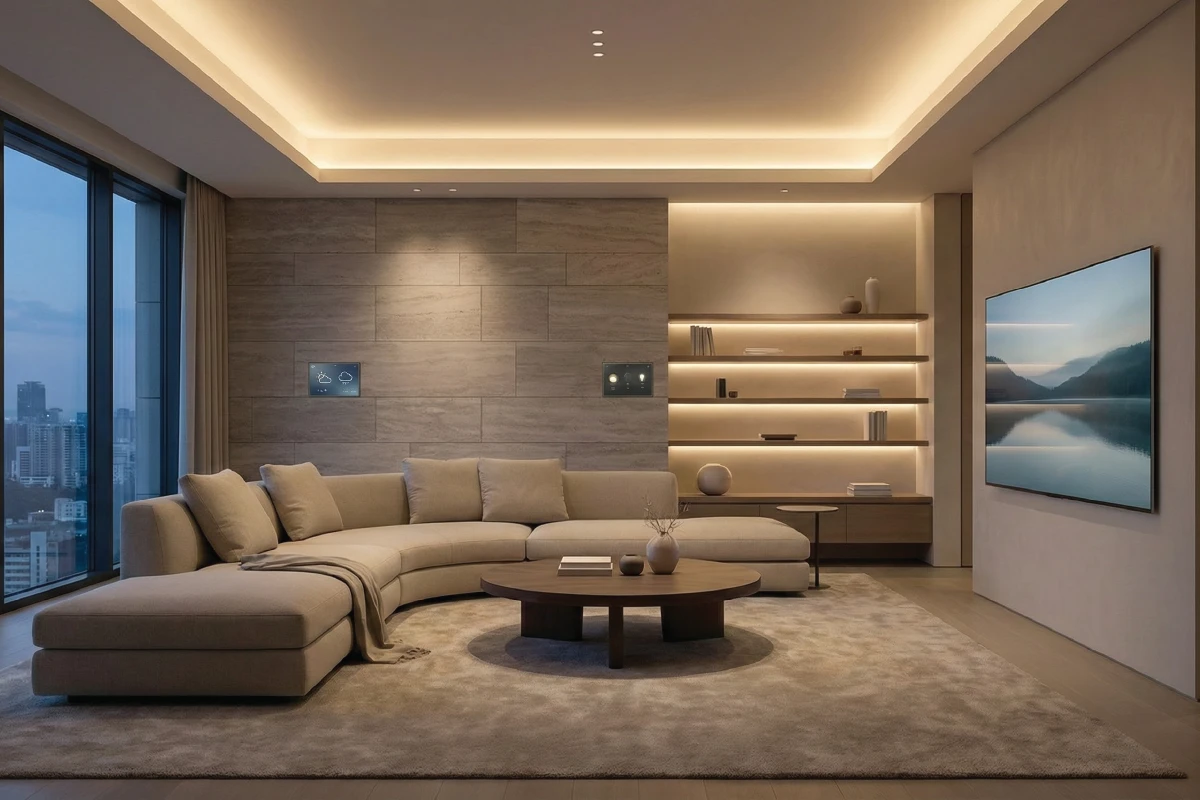
Ceilings are often the most overlooked interior surface, yet they significantly influence spatial perception, lighting quality, and acoustic comfort.
From professional practice, ceiling materials should never be chosen as an afterthought. In Qatar interiors, ceilings also play a functional role by housing air conditioning systems, lighting, and services.
Gypsum Ceiling Materials For Interiors
Gypsum ceilings are the most widely used ceiling solution in residential and commercial interiors across Qatar.
They offer flexibility, smooth finish, and easy integration of lighting and services.
Common gypsum ceiling applications include:
- Flat gypsum ceilings for minimalist interiors
- Recessed coves for indirect lighting
- Layered designs for visual interest
From experience, simpler gypsum ceiling designs age better and require less maintenance than heavily layered concepts.
Wood And Panel Ceiling Materials
Wood based ceiling panels add warmth and architectural character. In Qatar, engineered wood and wood finish panels are preferred due to climate stability.
These materials are commonly used in:
- Living rooms and lounges
- Dining areas
- Feature ceilings in villas
A Lusail villa project used wood finish ceiling panels selectively over the dining area, creating intimacy without overwhelming the space.
Metal And Specialty Ceiling Materials
Metal ceilings and specialty panels are primarily used in commercial interiors such as offices, retail, and hospitality spaces.
They offer durability, acoustic control, and easy access to services.
| Ceiling Material | Best Use | Main Advantage |
|---|---|---|
| Gypsum Board | Residential and offices | Flexible and smooth finish |
| Wood Panels | Living and dining spaces | Warm aesthetic |
| Metal Panels | Commercial interiors | Durability and access |
| Acoustic Panels | Offices and media rooms | Sound control |
How To Select The Right Interior Materials For Your Project
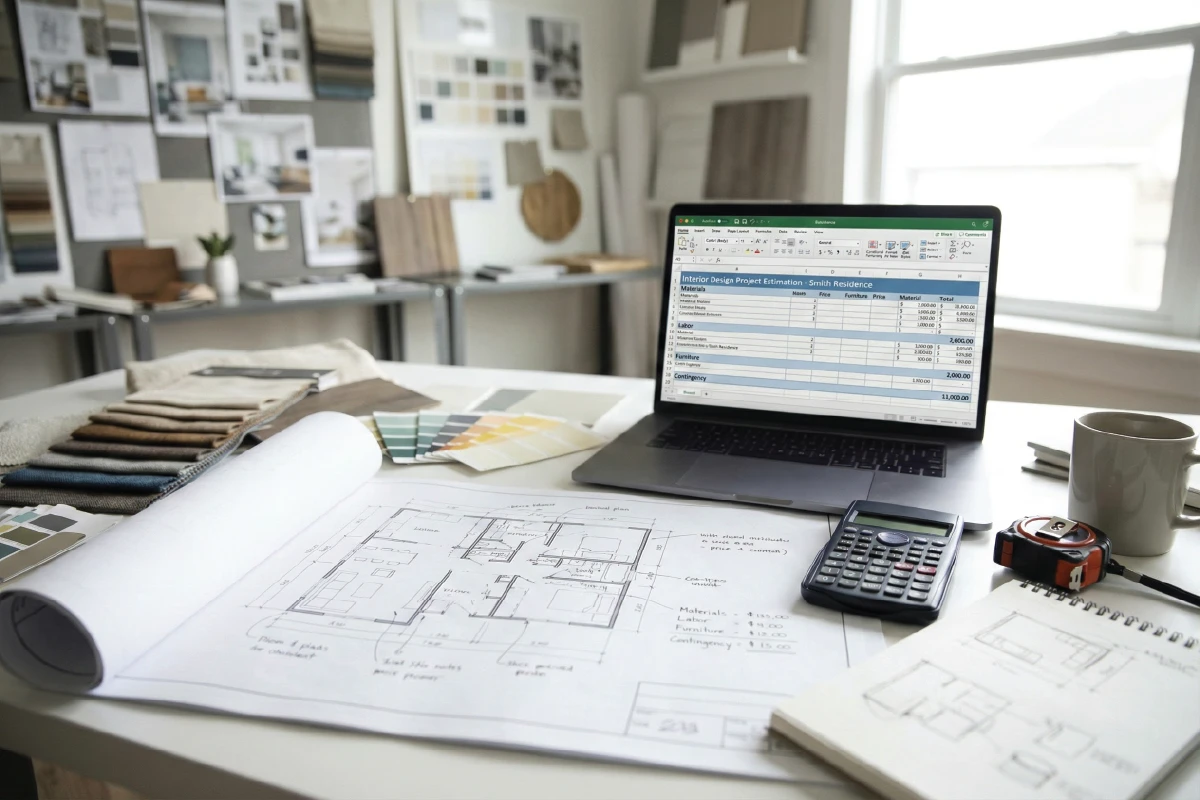
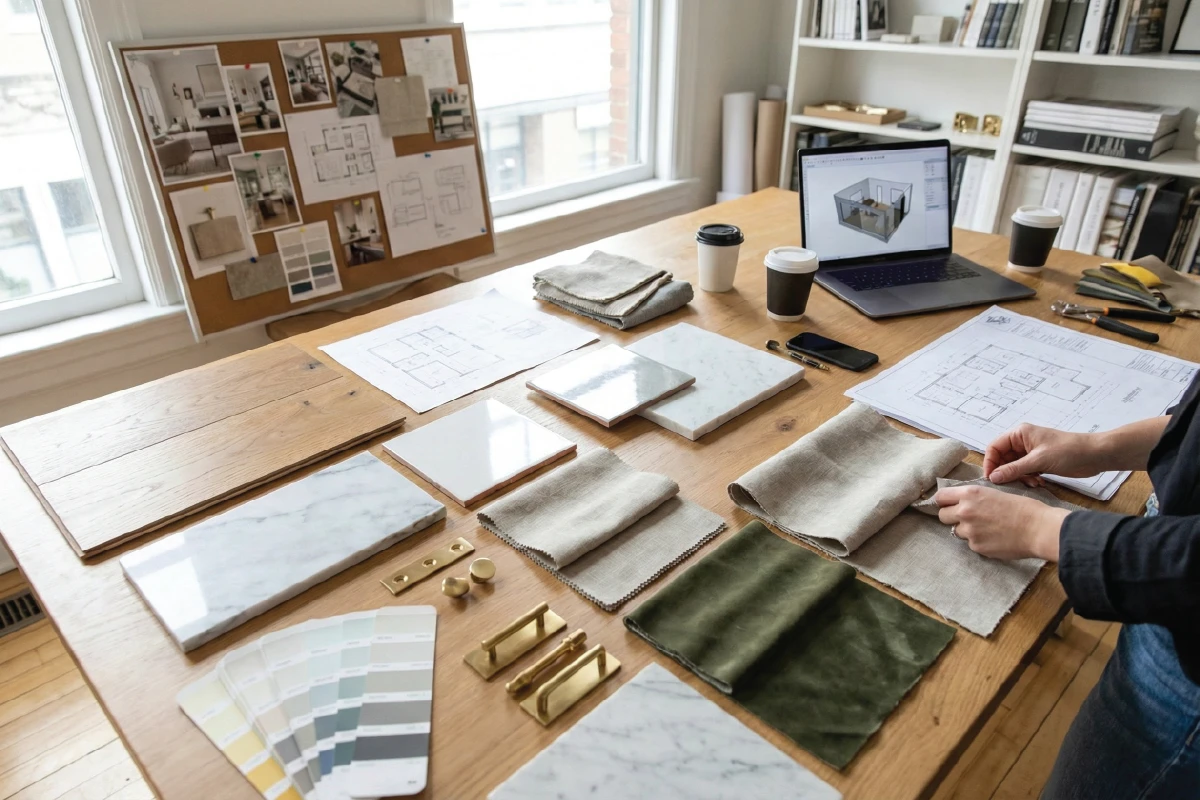
Selecting interior materials should follow logic, not impulse. From professional experience, successful interiors follow a material strategy rather than isolated choices.
A practical selection approach includes:
- Define usage intensity for each area
- Choose base materials first
- Add feature materials selectively
- Confirm maintenance requirements
- Ensure consistency across spaces
For example, a Doha apartment used durable porcelain flooring throughout and introduced wood finishes only in controlled areas, achieving both practicality and warmth.
Common Material Selection Mistakes To Avoid
Over years of practice, certain mistakes appear repeatedly across projects.
- Selecting materials based on appearance alone
- Ignoring climate and humidity impact
- Overusing feature materials
- Underestimating maintenance needs
Avoiding these mistakes results in interiors that remain attractive and functional over time.
Real World Qatar Interior Material Selection Example
Consider a family villa in Al Wakrah. The clients initially preferred multiple decorative wall finishes across rooms.
After material analysis, the design team limited decorative finishes to feature walls and used durable paint and porcelain flooring elsewhere.
The result was a cohesive interior that looked refined while remaining easy to maintain in the Qatar climate.
Frequently Asked Questions
Which Interior Materials Are Best For Qatar Climate
Porcelain tiles, engineered wood, washable paints, and gypsum ceilings perform reliably in Qatar conditions.
Are Natural Materials Suitable For Interiors
Yes, but they should be used selectively and properly treated to handle temperature changes.
How Do I Balance Budget And Material Quality
Invest in durable base materials and limit premium finishes to focal areas.
Do Ceiling Materials Affect Lighting
Yes. Ceiling finishes influence light reflection and overall brightness.
Key Takeaways
- Materials Shape Experience: Walls, floors, and ceilings define comfort.
- Climate Compatibility Is Essential: Qatar conditions demand resilient finishes.
- Ceilings Matter: They influence lighting and spatial quality.
- Strategy Beats Trends: Logical selection ensures longevity.
References
- Professional Interior Design Material Practice
- Middle East Climate Responsive Design Standards
- Residential And Commercial interior fit out guidelines