Walls are the single most cost effective design surface to change mood, optimise function, and add cultural character to Qatari homes and offices; by choosing the right combination of style, material, and lighting you can transform a bland space into a living, breathing environment without rebuilding the architecture.
What Is Interior Design Wall Work?
Interior design wall work covers more than paint. It includes structural and non structural finishes, cladding, built in joinery, decorative panelling, integrated lighting, acoustic treatments, and applied artwork or installations. In practice, wall work balances functional requirements such as acoustic control and maintenance with aesthetic goals like texture, rhythm, and cultural expression.
Think of walls as the canvas and infrastructure of an interior. Wall finishes are specified to meet climate resilience, cleaning regimes, and the social patterns of Qatari households. A practical wall scheme in Doha might combine washable paint in circulation zones, a stone or porcelain feature at the majlis, acoustic panels in media rooms, and moisture resistant finishes in wet areas.
| Category | Primary Purpose | Typical Location |
|---|---|---|
| Paint And Decorative Finish | Color, ease of maintenance | Living rooms, corridors |
| Feature Cladding (Stone, Porcelain) | Visual anchor, durability | Majlis, reception walls |
| Acoustic Panelling | Noise control, speech clarity | Media rooms, offices |
| Joinery And Built In Units | Storage and integrated aesthetics | Bedrooms, kitchens, TV units |
Moreover, wall work is where design and engineering intersect. Fire rated assemblies, concealed services, and lighting integration all demand coordination with structural and MEP teams early in the design phase.
Why Walls Matter In Qatar
Let us be direct. Qatar’s environment, culture, and lifestyle make wall decisions more consequential here than in many temperate regions. Consider these local realities.
- ☀️ Climate Impact: Strong solar gain and dust infiltration influence material longevity and cleaning regimes.
- 👪 Cultural Use: Majlis hospitality and frequent large gatherings require resilient, easy to repair wall systems.
- 🏗 Developer Finishes: Many handed over units have basic skim coat finishes; the right wall upgrades add perceived value dramatically.
- 🔊 Privacy Needs: Acoustic separation between public and private zones is a recurring client requirement.
In a typical Qatari villa transformation, the majlis wall is often prioritised as the central identity element. In offices, reception and meeting room walls carry brand messaging and acoustic responsibility. In apartments, a textured bedroom headwall plus simple durable finishes elsewhere gives excellent return on investment.
In practice, clients who invest 5 to 8 percent of their interior budget in intelligent wall solutions often gain more functional benefit than spending the same amount on furniture. Walls last longer and shape every usable configuration in the future.
Popular Wall Design Styles
Wall style choices set tone. Below are modern styles that work exceptionally well in Qatar, with practical notes and visual intent.
Modern Minimalist
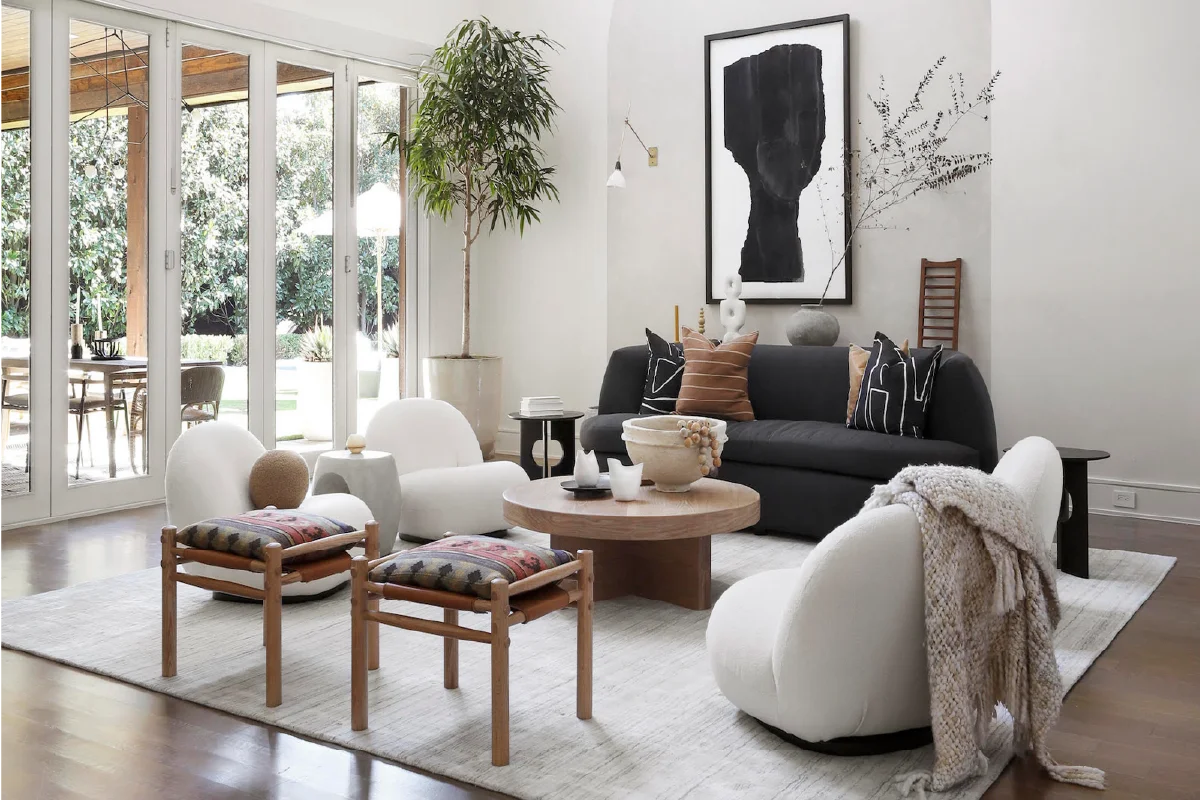
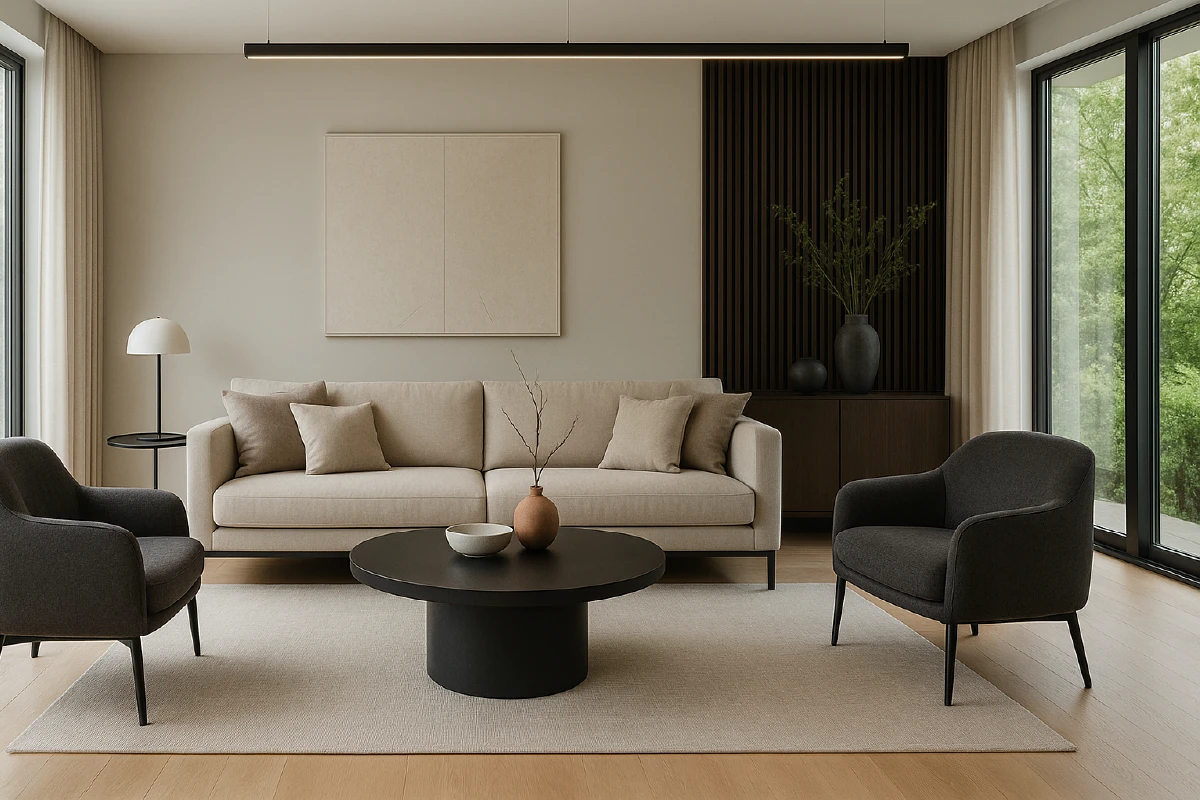
Characterised by clean planes, muted palettes, and concealed joins. Use high quality wash resistant paint, shallow reveal trims, and integrated shelving. This style suits city apartments and contemporary villas where calm and clarity are priorities.
Contemporary Arabic Modern
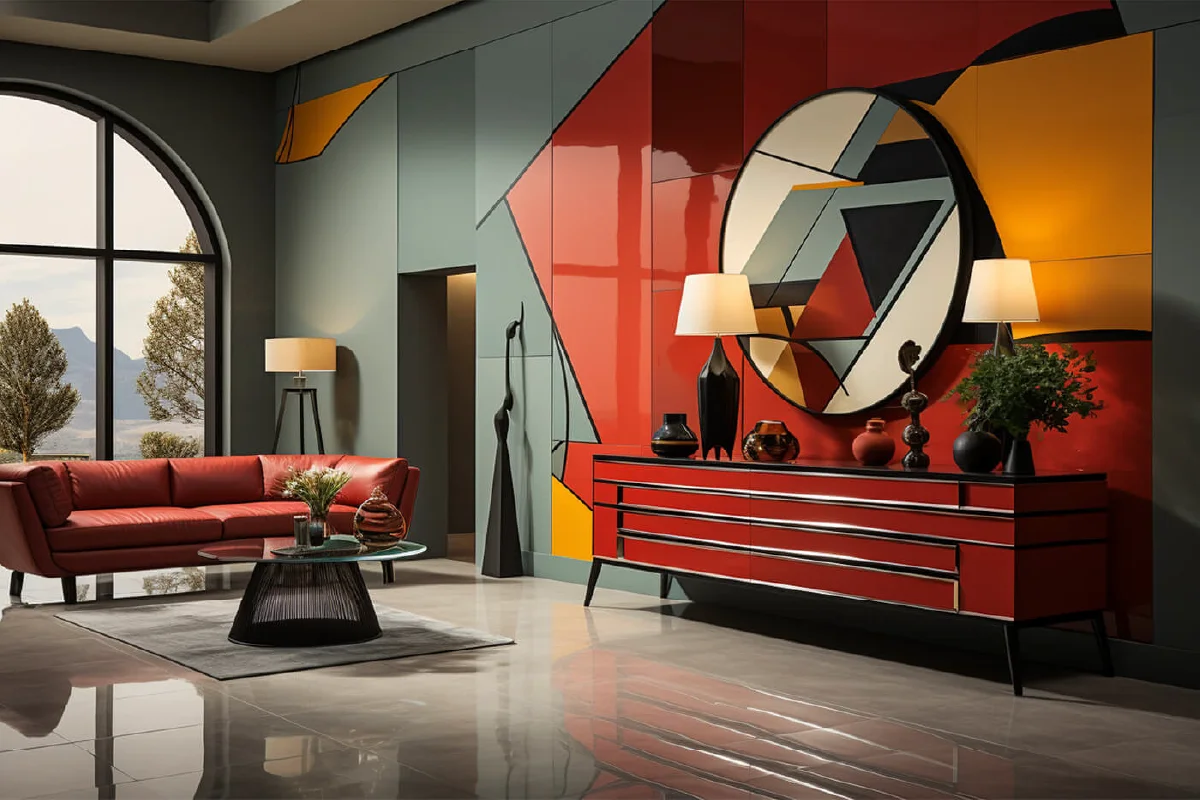
Incorporates geometric patterns, subtle mashrabiya references, and warm natural materials. Try perforated timber panels, patterned plaster reliefs, or backlit screens to honour local identity while keeping a modern language.
Textured Feature Walls
Texture adds depth without overwhelming. Options include Venetian plaster, micro cement, textured wallpapers, and porcelain slabs mimicking stone. Feature walls function best when confined to one plane such as the majlis focal wall or a bedroom headboard wall.
Industrial Chic
Exposed concrete finishes, large format tiles, and metal accents give an honest material expression. This style works well in loft style apartments and select commercial spaces in Doha but needs careful thermal and humidity detailing in Gulf climates.
Green And Living Walls
Vertical planting provides thermal buffering, visual freshness, and acoustic softening. In Qatar, living walls perform best in controlled indoor conditions with automated irrigation and species chosen for indoor resilience.
| Style | Best For | Maintenance Notes |
|---|---|---|
| Modern Minimalist | Apartments, contemporary villas | Low if quality paint and trims used |
| Arabic Modern | Majlis, entrance foyers | Moderate; dusting and occasional surface care |
| Textured Feature | Feature planes, headwalls | Depends on material; sealed finishes reduce upkeep |
| Living Walls | Lobbies, private courtyards | High; irrigation and plant care required |
Let us consider an imagined majlis in a Doha villa. By combining a porcelain slab feature wall with a perforated timber screen and concealed LED cove lighting, you create an atmosphere that reads as luxury but can be maintained affordably because porcelain resists dust and the timber screen acts as a sacrificial visual element that can be refinished independently.
Why Wall Design Defines the Entire Interior
Walls are not background elements anymore. In modern interior design, walls define mood, scale, acoustics, lighting behavior, and even perceived luxury. A well-designed wall can replace heavy furniture, reshape narrow rooms, and elevate even the simplest layout into a premium interior. This guide explains the most effective modern wall ideas using real design logic, not trends alone.
Core Principles of Modern Wall Design
Modern wall design focuses on balance between texture, proportion, and restraint. Clean visual flow, controlled material contrast, and functional integration are the three foundations. Walls should support circulation, conceal services gracefully, and enhance natural and artificial lighting without visual clutter.
- Minimal visual noise with defined focal zones
- Layered depth using materials rather than decorations
- Integration of lighting, ventilation, and storage
- Proportion control to avoid visual heaviness
Best Wall Materials for Modern Interiors
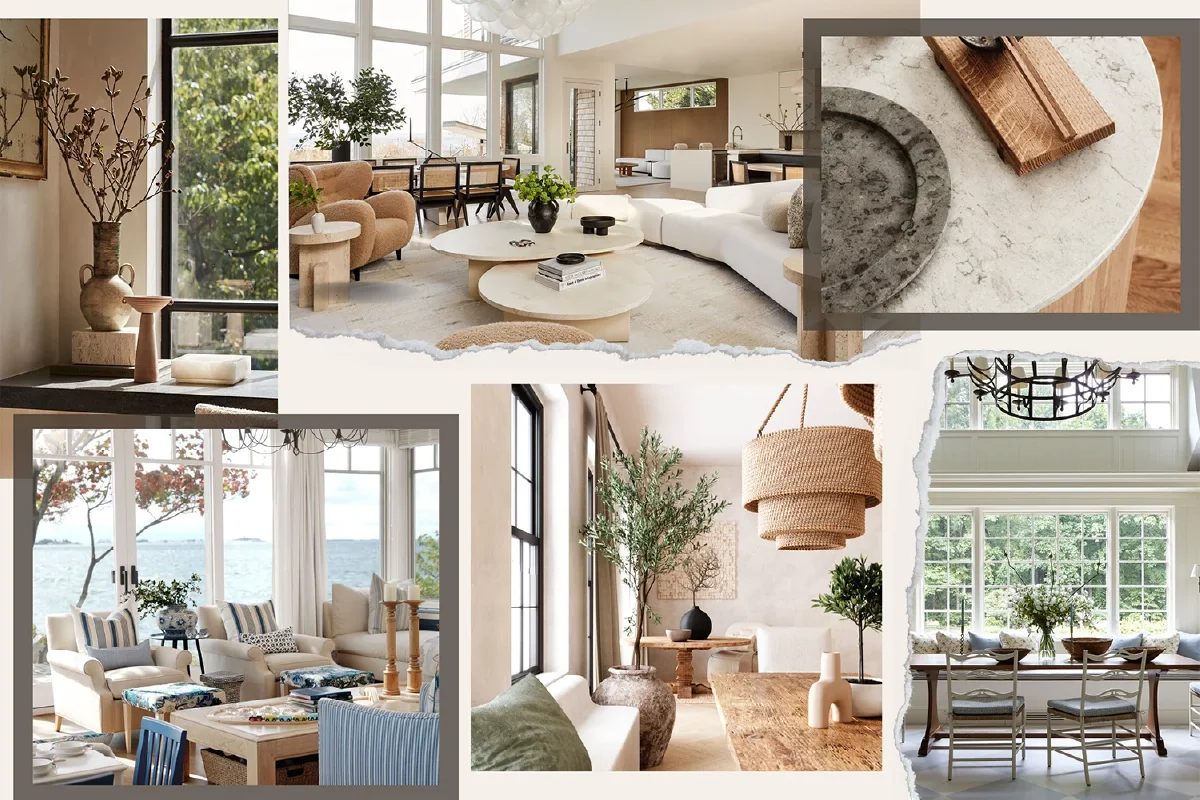
Material selection determines durability, maintenance, acoustics, and thermal comfort. The most effective modern interiors rely on a mix of engineered and natural finishes.
Wood and Engineered Veneers
Used for warmth and acoustic control. Ideal for living rooms, bedrooms, and executive offices.
Stone, Marble, and Sintered Slabs
Best for feature walls, TV units, and luxury reception areas. High durability and visual depth.
Textured Paints and Microcement
Creates seamless modern finishes with soft tactile depth and reduced joint visibility.
Metal Panels and CNC Sheets
Used selectively for industrial-Luxury interiors and branded commercial spaces.
Glass and Back-Painted Panels
Enhances light spread and simplifies maintenance in kitchens and offices.
Modern Feature Wall Design Ideas
Feature walls should be purpose-driven. Their function is to anchor the room visually without overpowering it.
- TV unit walls with concealed wiring and floating panels
- Bedroom headboard walls with integrated lighting
- Double-height stone or wood slat walls for villas
- Brand feature walls for office lobbies and showrooms
Creative Wall Decor Without Visual Clutter
Modern decor avoids over-styling. Instead of filling walls with frames, designers now rely on scaled compositions and negative space.
- Large format artwork with controlled lighting
- Wall niches with soft backlighting
- Integrated shelves as part of the wall plane
- Limited color layering with neutral dominance
Wall Design by Space Type
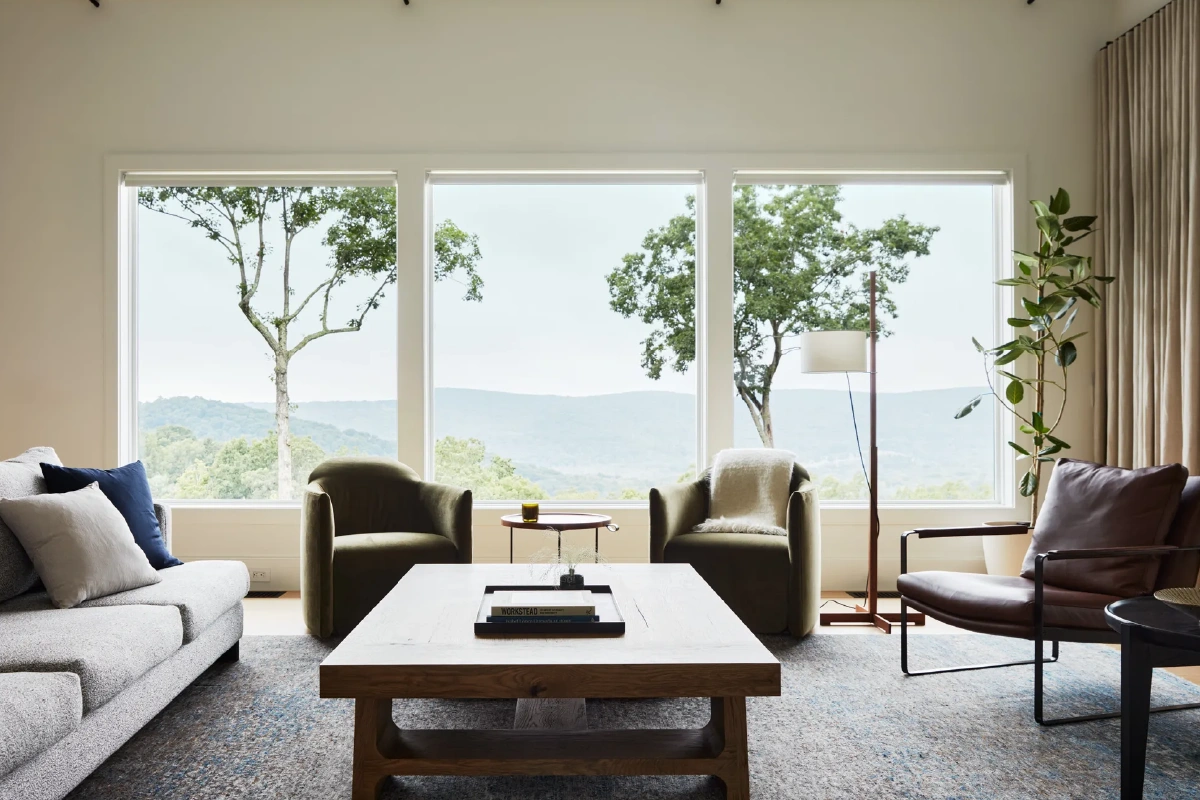
Living Room
Prioritize feature walls, indirect lighting, and material continuity with flooring.
Bedroom
Focus on acoustic softness, warm textures, and glare-free lighting.
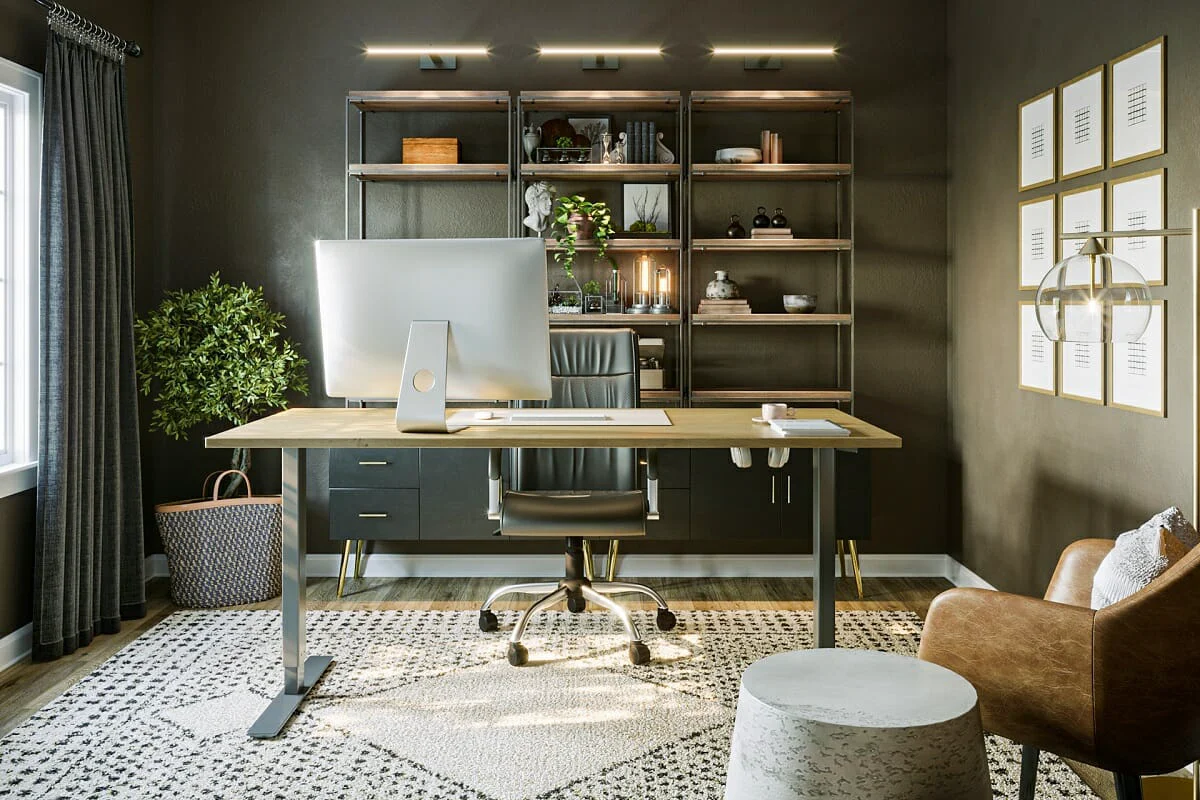
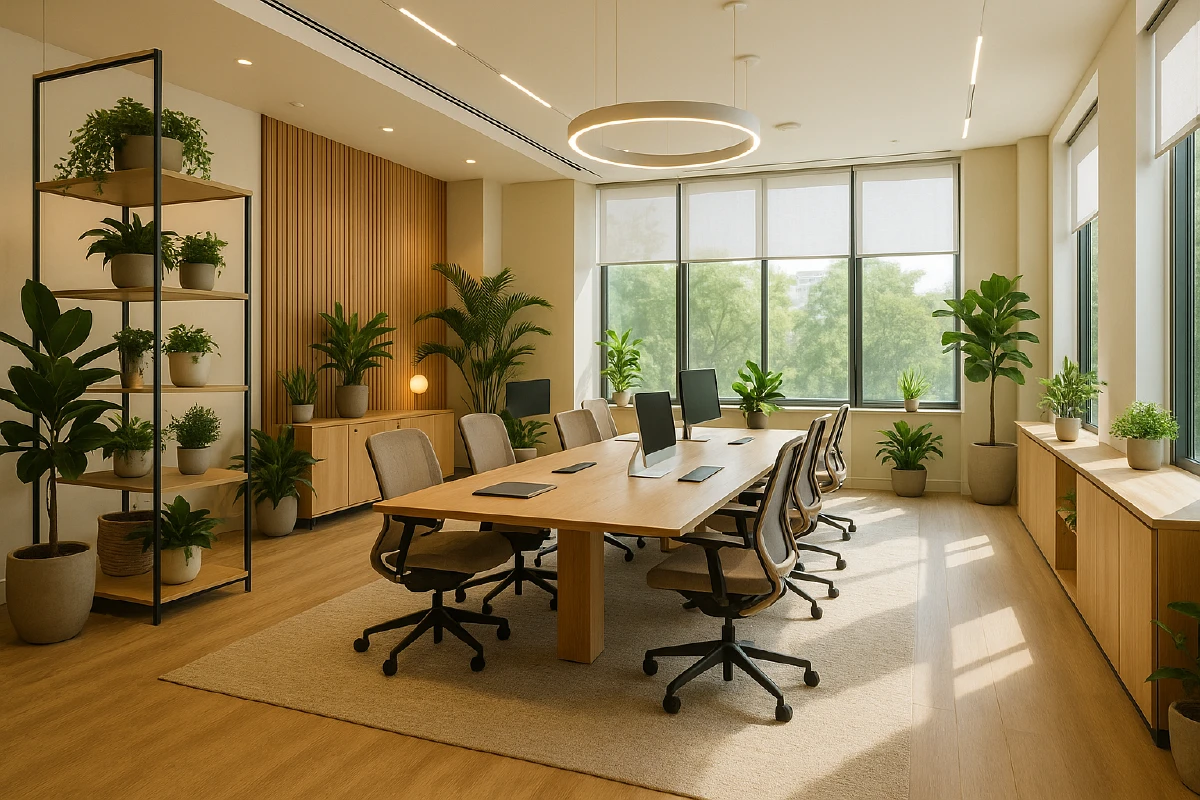
Office Interiors
Use performance finishes, writable surfaces, branding panels, and sound-absorbing textures.
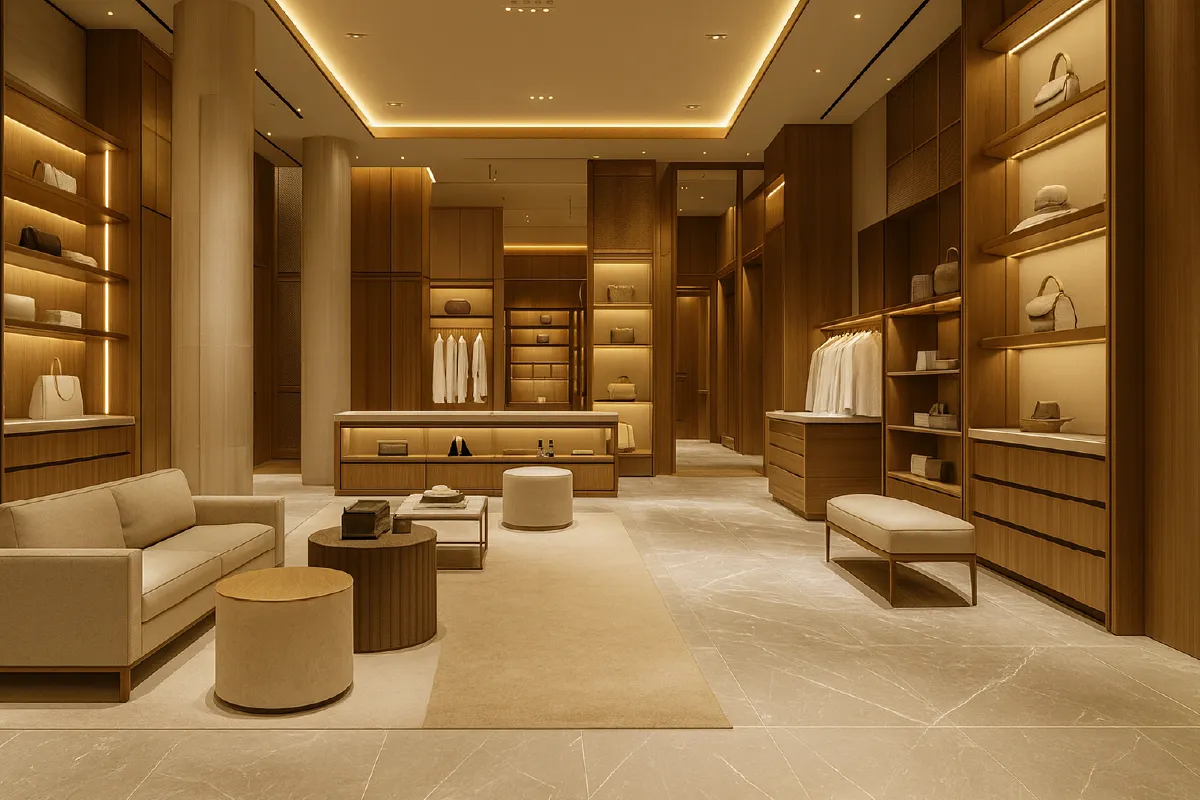
Commercial and Retail
Walls should direct customer movement, display branding, and support illumination of merchandise.
How Lighting Transforms Wall Design
Lighting determines whether a wall appears flat or dimensional. Cove lighting, linear LEDs, wall washers, and spotlights must be pre-coordinated with wall materials at design stage.
- Linear LED for texture highlighting
- Wall washers for stone and patterned surfaces
- Concealed profiles for floating panels
Mistakes to Avoid in Modern Wall Design
- Overusing multiple materials in a single room
- Poor lighting alignment with textures
- Ignoring electrical and HVAC coordination
- Improper scale of feature elements
- Excess decorative clutter
Cost Factors for Modern Wall Design
Costs vary based on material, structure, lighting integration, joinery, and execution quality. Premium stone and custom wood panels significantly affect budgets, while paint and engineered surfaces remain cost-controlled options.
Wall Design Execution During Fit-Out
Wall execution must align with MEP coordination, fire safety regulations, and access panel planning. Modern wall systems are not decorative layers alone; they are technical assemblies integrated into the building shell.
Final Design Perspective
Modern wall design is a strategic combination of material science, lighting engineering, and visual balance. When designed professionally, walls reduce dependence on furniture, enhance spatial comfort, and silently carry the entire interior language.
Frequently Asked Questions
What is the best wall material for modern interiors
Engineered wood panels, microcement finishes, and sintered stone slabs are the most preferred wall materials due to durability, visual depth, and low maintenance.
Are feature walls necessary in every room
No. Feature walls are effective only when used selectively. Overuse can cause visual imbalance and clutter.
Which wall design is ideal for small rooms
Light-toned textured paints, seamless finishes, glass panels, and vertical design elements help visually expand small rooms.
How is lighting integrated into wall design
Lighting is integrated using concealed LED profiles, wall washers, spotlights, and recessed channels planned during design coordination.
Is wall design included in interior fit-out
Yes. Wall treatments, feature panels, cladding, and finishes form a major part of interior fit-out scope.
What is the lifespan of modern wall finishes
Paint finishes last 5 to 7 years, engineered wood 10 to 15 years, and stone or sintered slabs can exceed 25 years with proper maintenance.
Do wall designs require government approvals
Structural changes, fire-rated claddings, and commercial wall systems often require authority approvals depending on local regulations.
What is the most cost-effective modern wall finish
High-quality textured paint systems and laminate-backed panels offer modern appearance at controlled cost.
Can wall design improve acoustics
Yes. Acoustic panels, perforated wood, fabric walls, and micro-perforated gypsum significantly improve sound absorption.
When should wall design be finalized during a project
Wall design must be finalized before electrical, HVAC, and joinery fabrication stages to avoid costly rework.
References
- International Interior Design Association Professional Practice Guidelines
- ASHRAE Indoor Environmental Quality Standards
- BS EN Fire Safety for Interior Finishes
- Architectural Woodwork Standards 2024
- Global Fit-Out Technical Specifications