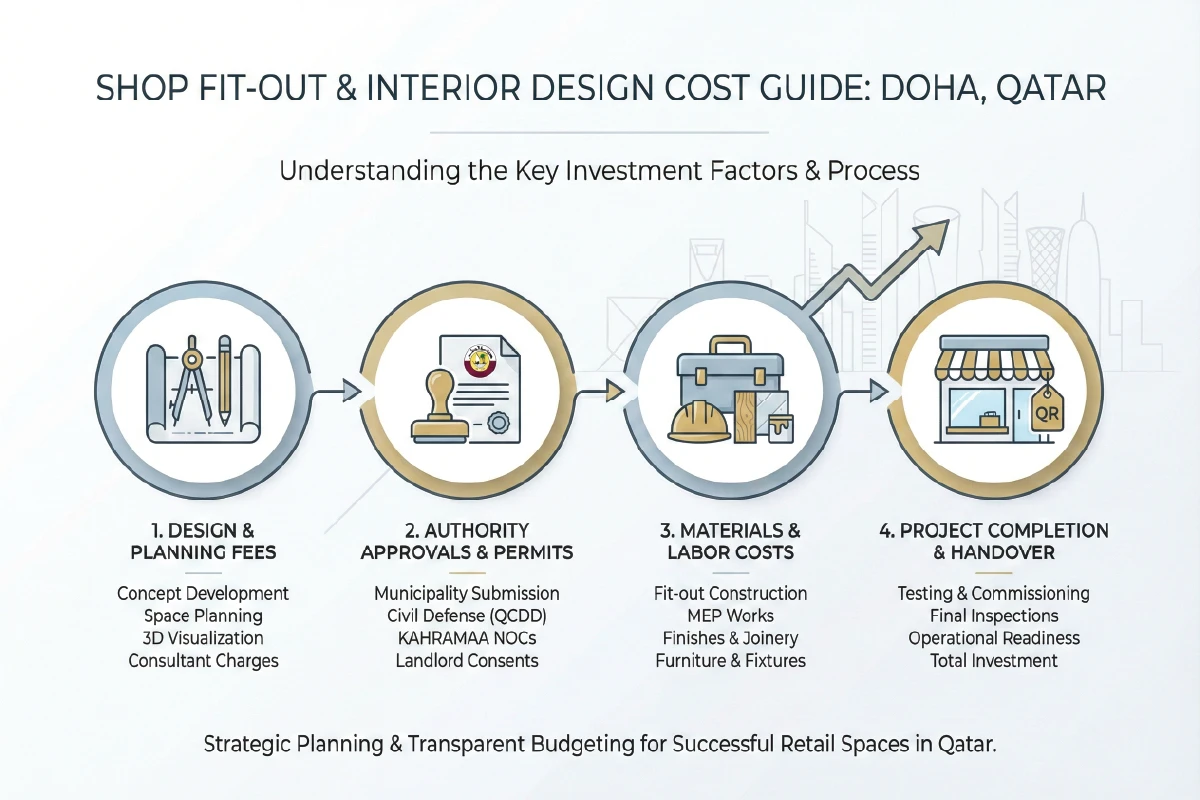
Short answer: Interior design cost in Qatar in 2026 typically ranges from approximately 120 to 350 QAR per square meter for design-only services and 450 to 1400 QAR per square meter for full interior design plus fit out, depending on project type, material quality, design complexity, and the designer’s experience. Comparing multiple qualified designers through a transparent platform such as SuperFitout can help clients better understand prevailing market pricing.
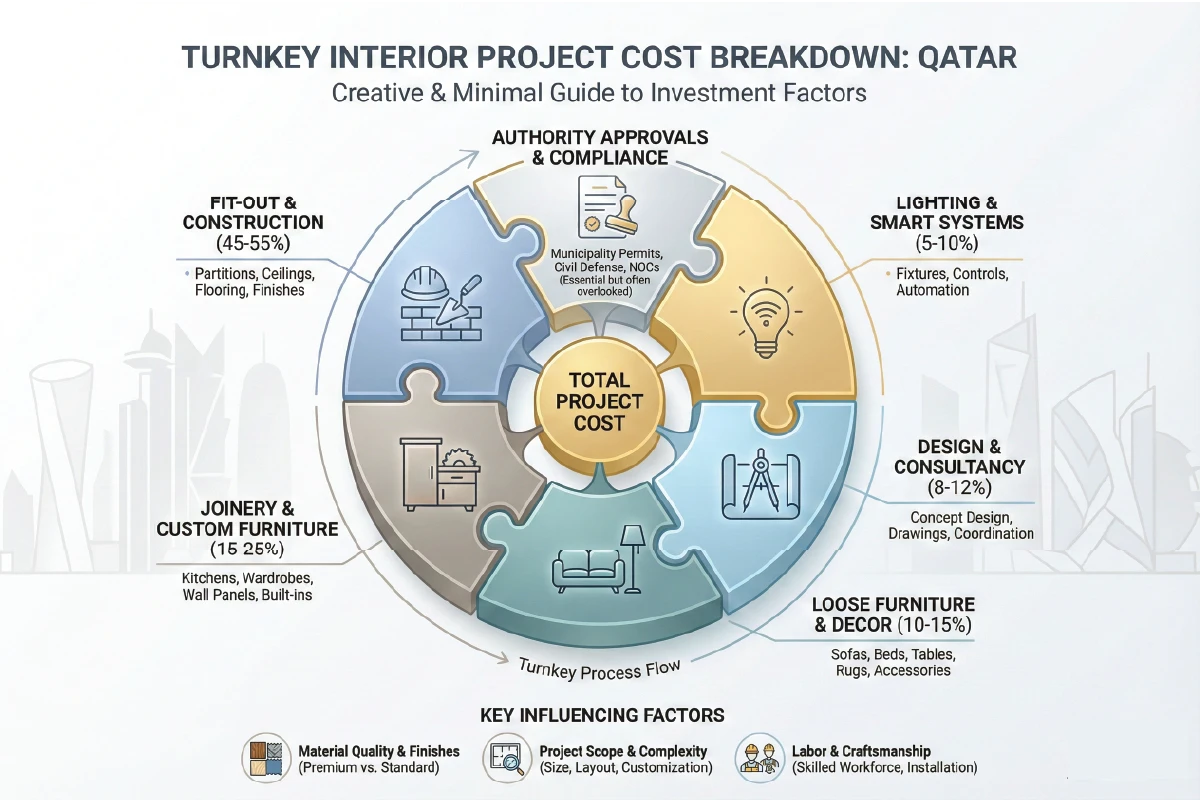
However, interior design fees represent only part of the total project budget. When execution, approvals, materials, and site coordination are included under a single responsibility model, the overall cost is better understood through a turnkey interior project cost structure rather than design pricing alone.
Interior Design Cost Overview
When you begin exploring Interior Design in Qatar, one of the first questions that naturally arises is how much the entire process will cost. Moreover, many new homeowners and businesses quickly discover that pricing can vary significantly between designers, contractors, and studios. These variations are driven by differences in material specifications, experience levels, project styles, and the clarity of the design brief. In fact, receiving three different quotes for the same scope is very common, especially in Doha, Lusail, The Pearl, and West Bay.
To help you establish a realistic baseline for 2025, here is a simplified chart summarising the typical price brackets most clients encounter when they approach designers for initial consultations.
| Service Type | Approximate Range (QAR) | What’s Included |
|---|---|---|
| Design Only (Concept plus Layout) | 120 to 350 per sq m | Layouts, moodboards, basic drawings |
| Full Interior Design plus Fit Out | 450 to 1400 per sq m | 3D renders, MEP coordination, materials, contracting |
| Premium or Luxury Interior Design | 900 to 2200 per sq m | High end finishes, bespoke joinery, premium supervision |
| Commercial Fit Out (Offices, Retail) | 350 to 1100 per sq m | Partitions, lighting, MEP, branding elements |
These numbers act as starting points. For example, a boutique designer specialising in European inspired villas may charge higher rates than a freelance designer handling compact apartment layouts. Similarly, commercial fit outs depend heavily on MEP loads, branding requirements, ceiling design, material grade, and compliance procedures with authorities such as QCDD and Baladiya.
In fact, many pricing misunderstandings happen because clients do not clearly separate design responsibility from execution and delivery. This distinction is explained in detail in the difference between design, fit out, and turnkey, which should be understood before comparing interior design costs in Qatar.
Residential Interior Design Cost
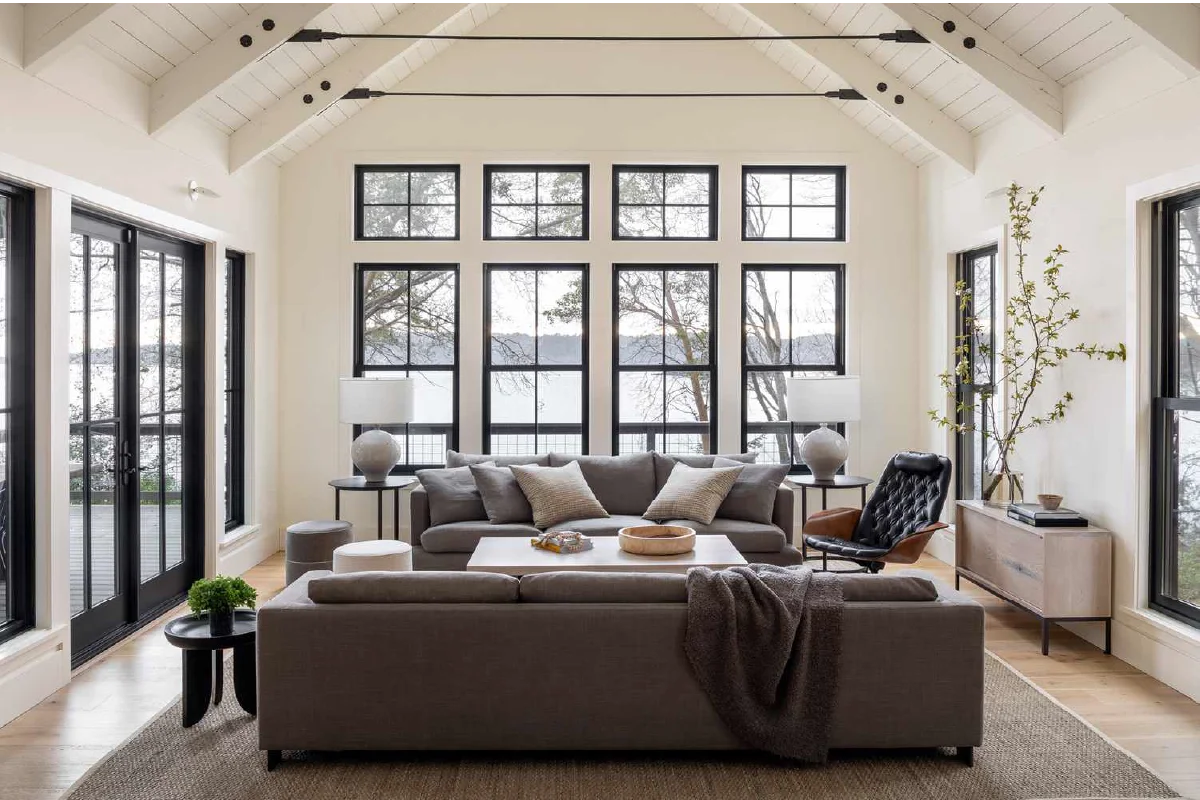
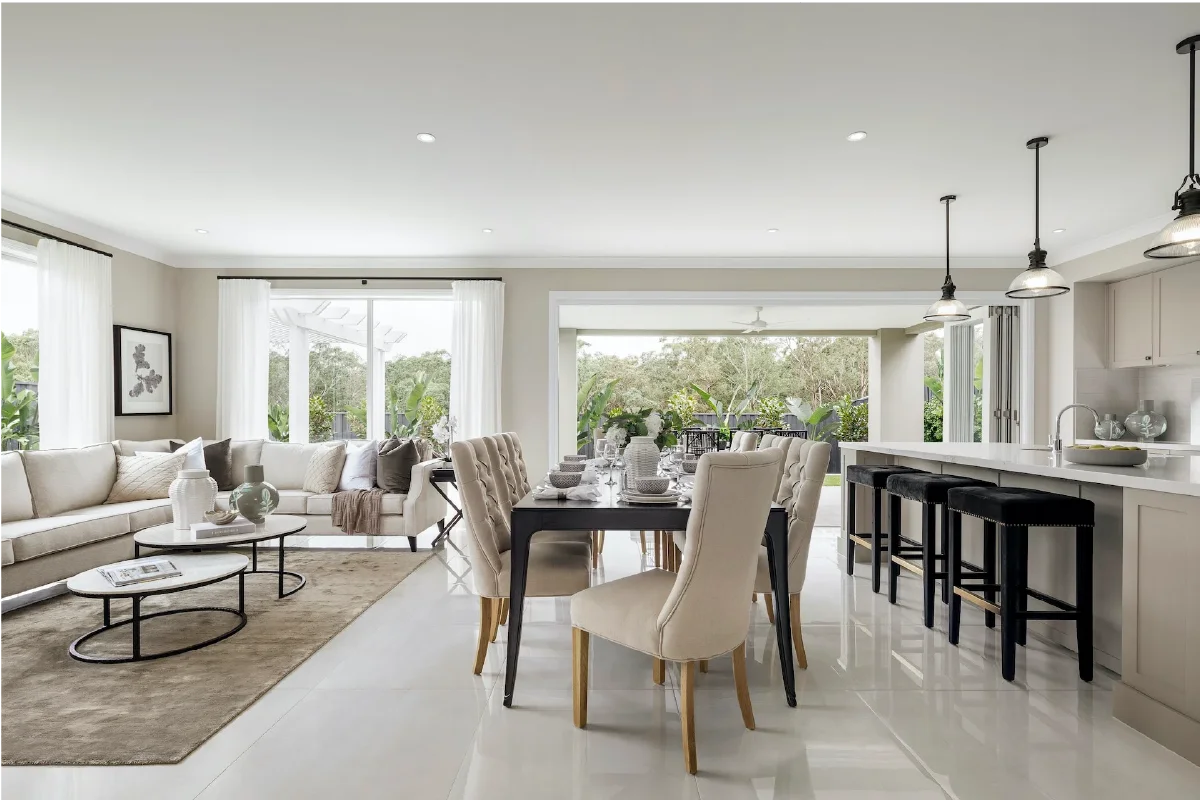
Residential projects in Qatar cover a wide spectrum. A 2 BHK apartment in Lusail may need clever storage solutions and a modern aesthetic, while a villa in Al Waab may demand premium finishes, imported materials, and extensive custom carpentry. Naturally, the final cost varies based on the size of the property, the materials selected, and the level of transformation required.
| Property Type | Approximate Cost Range (QAR) | Typical Scope |
|---|---|---|
| Studio or 1 BHK Apartment | 25,000 to 60,000 | Basic design, painting, lighting upgrade, compact furniture |
| 2 BHK Apartment | 40,000 to 95,000 | Full layout planning, carpentry, storage, lighting, finishes |
| 3 BHK Apartment | 65,000 to 150,000 | 3D concepts, custom joinery, premium finishes optional |
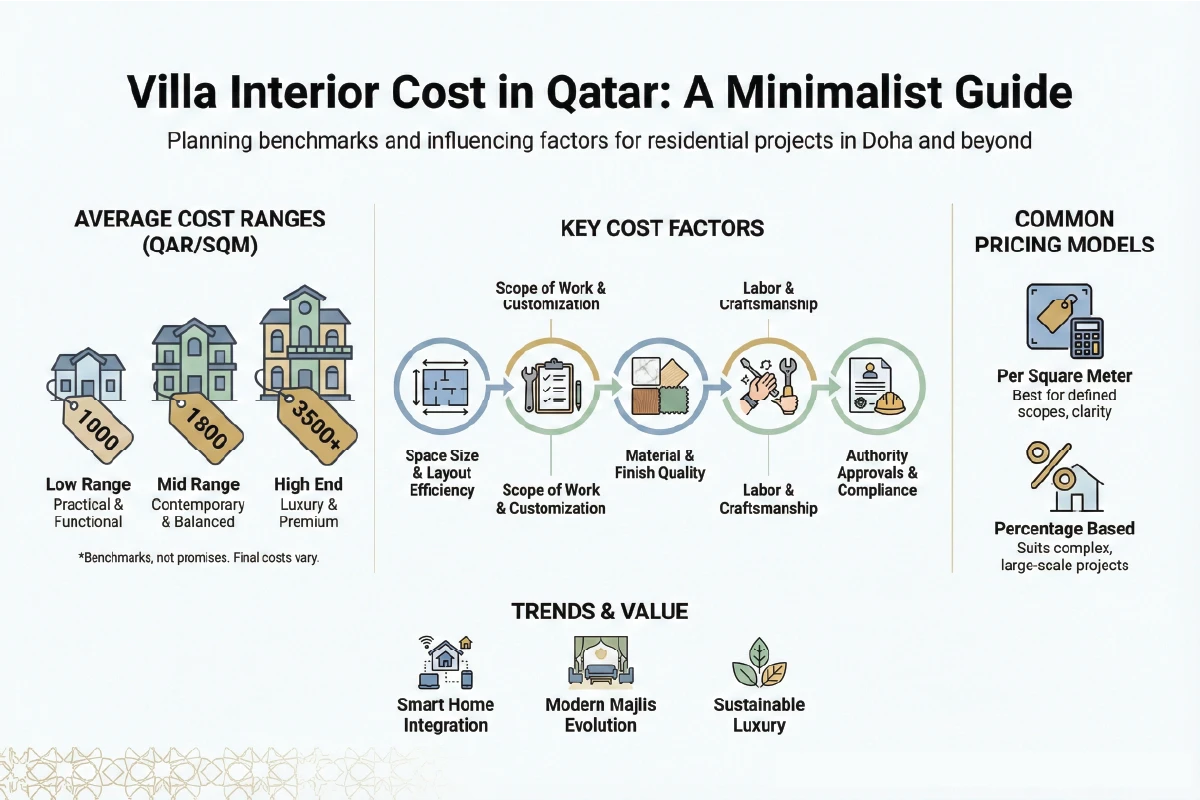
| Villa (Standard) | 120,000 to 350,000 | Complete interior renewal, kitchen design, bedrooms, majlis |
| Luxury Villa | 350,000 to 900,000 plus | High end materials, imported furniture, speciality craftsmanship |
These ranges capture realistic expectations, but key cost drivers such as gypsum partitions, the extent of MEP adjustments, flooring upgrades, lighting complexity, and bespoke carpentry must be evaluated individually. Villas especially require more site coordination and sometimes additional approval steps depending on structural modifications.
Commercial Interior Design Cost
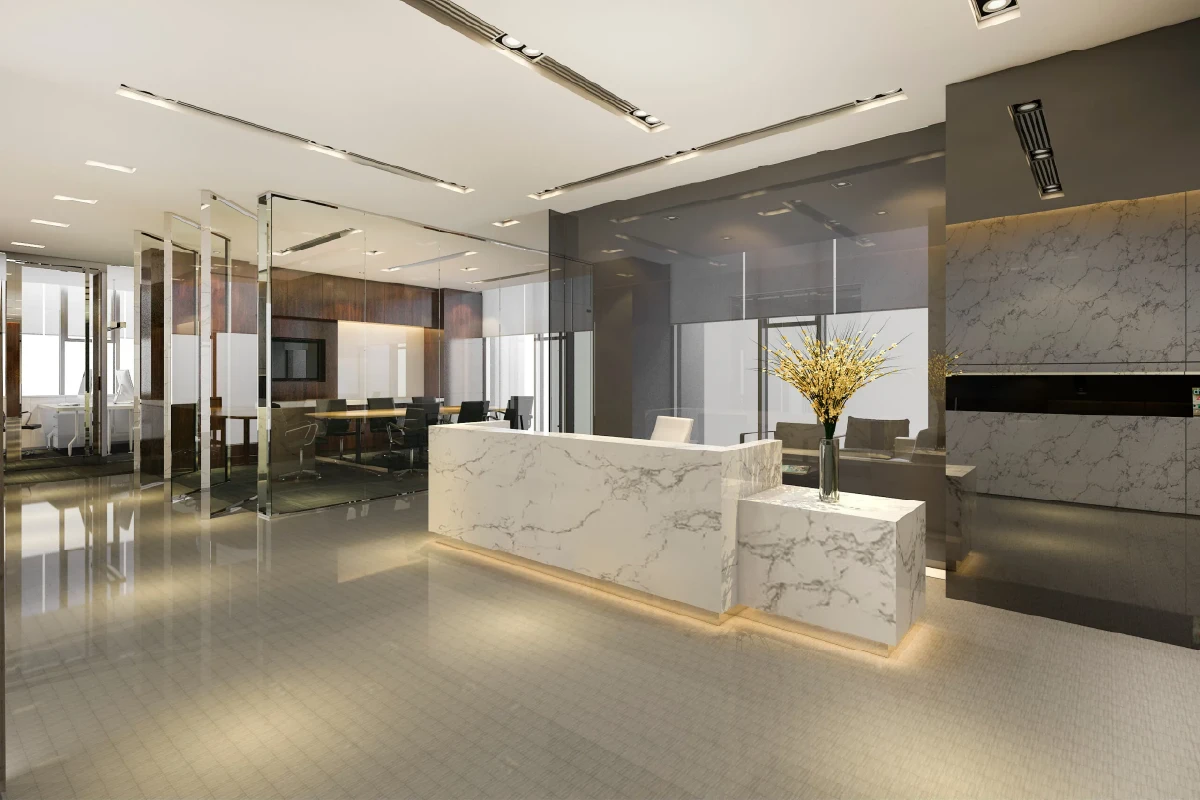
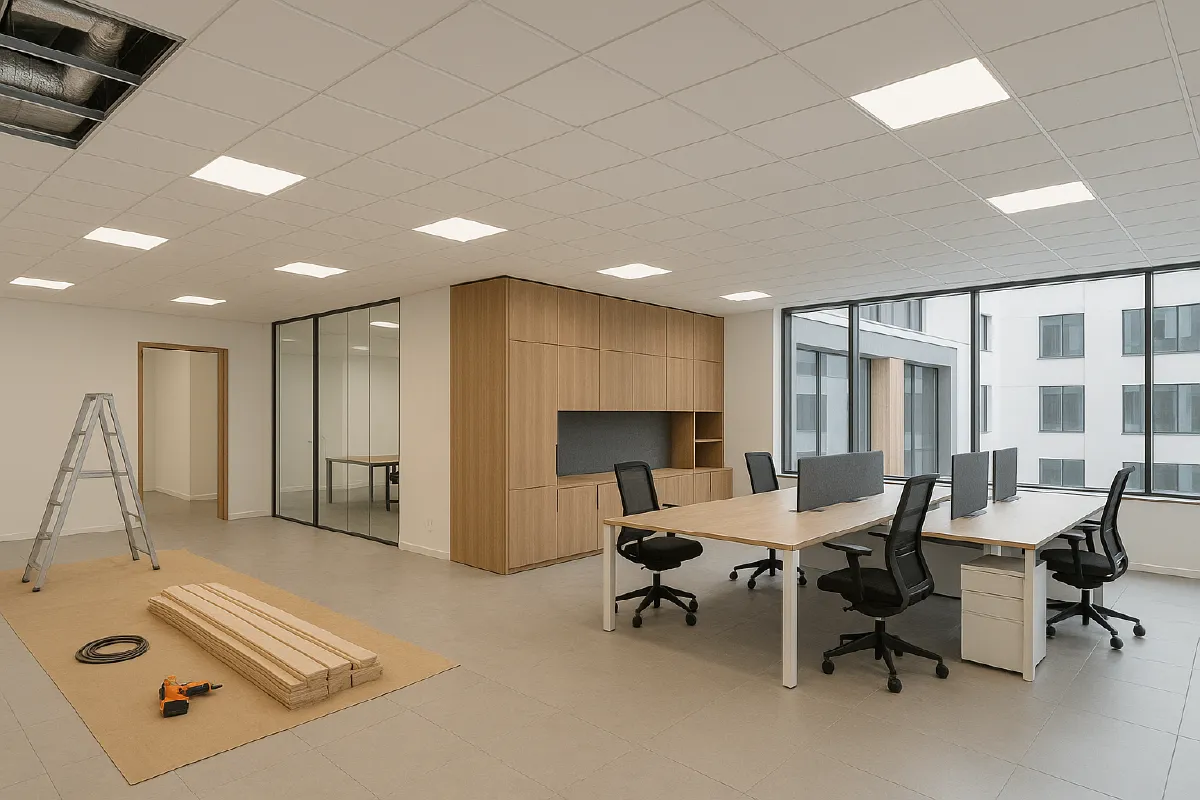
Commercial interior design in Qatar follows a distinct pricing logic because these projects must balance brand identity, operational efficiency, regulatory compliance, and fast deadlines. For example, an office in West Bay may require acoustic partitioning, advanced lighting systems, structured cabling, and a reception space that reflects corporate identity. On the other hand, a boutique in Msheireb may demand custom shelving, a signature storefront, and interior details that match its retail brand story.
Furthermore, approvals from QCDD and Baladiya, specialised MEP needs, and intensive coordination between subcontractors make commercial projects more complex. This translates into broader budget ranges depending on the project’s scale and urgency.
| Project Type | Approximate Cost Range (QAR) | Typical Scope |
|---|---|---|
| Small Office (Up to 600 sq ft) | 35,000 to 90,000 | Partitions, workstations, lighting upgrades, basic MEP |
| Medium Office (600 to 2000 sq ft) | 80,000 to 240,000 | Layout planning, glass partitions, MEP works, branded elements |
| Retail Store or Boutique | 50,000 to 180,000 | Shopfront design, shelving, display units, lighting, branding wall |
| Restaurant or Cafe | 120,000 to 450,000 plus | Kitchen MEP, exhaust systems, seating layout, lighting, finishes |
Commercial budgets also fluctuate depending on whether the project requires specialty flooring, sound insulation, raised access floors, custom signage, or hospitality-grade materials. For example, cafés and Restaurants must comply with strict ventilation and fire-safety rules, which add to both cost and timeline. As you Compare quotes, always check whether the designer has included mandatory approvals and technical submissions in the scope.
Detailed Cost Breakdown
Understanding the components that make up a complete interior design budget is essential before you commit to a designer or contractor. Let’s consider a typical project scenario: a client hires a designer for a full apartment upgrade in Lusail. The quote may look like a single number, but it actually consists of multiple layers that decide both quality and longevity of the work.
The following table summarises the major components involved in most interior projects in Qatar.
| Component | Role In Project | Impact On Budget |
|---|---|---|
| Design Consultation | Initial layouts, style direction, requirement analysis | Low to medium depending on designer experience |
| 3D Renders and Drawings | Visualisation, technical clarity, contractor guidance | Medium; more renders increase cost |
| Fit Out Works | Flooring, ceilings, partitions, painting, installations | High; labour and materials dominate budget |
| Carpentry and Joinery | Wardrobes, kitchen units, TV walls, shelves | Medium to high depending on customisation |
| MEP Works | Electrical, lighting, HVAC adjustments, plumbing | High in commercial or kitchen heavy projects |
| Furniture and FF&E | Sofas, dining sets, accessories, curtains, décor | Medium to high depending on brands |
| Approvals (QCDD, Baladiya) | Mandatory for commercial and many renovation works | Low to medium but essential for compliance |
Each of these components may have sub-elements that vary based on property type. For instance, villa projects often require extensive MEP upgrades due to larger spaces, while apartments prioritise custom storage to maximise usable area. A well prepared designer will typically share a bill of quantities, material mockups, and sample finishes to help you understand how each component contributes to the overall estimate.
Pricing Factors In Qatar
Interior design pricing in Qatar is shaped by a combination of local market dynamics, material availability, regulatory expectations, and client preferences. Moreover, homeowners in Doha, Lusail, and The Pearl often choose customised finishes, international brands, or unique style directions, all of which influence the final cost. Understanding these factors helps you evaluate quotes more confidently and avoid misalignment between your budget and expectations.
Here are the strongest factors shaping pricing across residential and commercial projects:
- Size Of The Property: Larger spaces require more materials, labour hours, and supervision. Villas generally cost more due to expanded square footage and multi room customisation.
- Material Selection: The difference between standard and premium materials can dramatically shift the budget. Imported marble, hardwood flooring, and European fixtures naturally fall into a higher cost category.
- Complexity Of Design: Curved ceilings, feature walls, layered lighting, and custom carpentry increase both skill and labour requirements.
- MEP Modifications: HVAC relocation, plumbing alterations, and electrical rewiring impact both cost and approval processes.
- Designer Experience And Portfolio Strength: Designers with strong portfolios, luxury project experience, or specialised boutique styles typically charge higher fees.
- Timeline Constraints: Fast track projects may require additional labour shifts, faster procurement, and more site coordination.
- Approval Requirements: Commercial and some residential renovations may require QCDD or Baladiya approvals, adding documentation costs and review timelines.
Each factor should be evaluated not only for its monetary impact but also for how it influences overall quality. Transparent designers will break down these cost drivers in advance so you can avoid unexpected increases once the project begins.
Interior Design Pricing Models
Interior designers and fit out specialists in Qatar commonly use four pricing models. Understanding these helps you compare quotes more effectively and choose a structure that aligns with your project vision and budget comfort.
Below is a comparison of the most widely used pricing approaches.
| Pricing Model | How It Works | Pros | Cons |
|---|---|---|---|
| Fixed Fee | Designer provides a single consolidated price for the entire design scope. | Predictable cost, easy to budget, clear deliverables. | May require variations if scope changes. |
| Percentage Of Project Cost | Designer charges a percentage of the total project value. | Flexible scope, allows designer to manage full execution. | Cost increases as material or labour costs rise. |
| Cost Per Square Meter | Pricing based on property size and design intensity. | Simplifies comparison, suitable for standard projects. | Less ideal for highly customised or luxury projects. |
| Hourly Rate | Designer charges based on consultation or design hours spent. | Useful for partial upgrades or advisory roles. | Difficult to predict total cost for large projects. |
Most residential clients in Qatar prefer the fixed fee or per square meter model because of the clarity it offers. Commercial clients, however, often choose percentage based pricing, especially when large scale MEP coordination and construction management are involved.
Cost Calculator Examples
To help you estimate your potential budget more clearly, here are sample calculations based on common project scenarios in Qatar. These examples use approximate mid range values and should be treated as guiding references rather than fixed quotations.
| Project Scenario | Estimated Area | Average Cost Per Sq M (QAR) | Total Estimated Cost (QAR) |
|---|---|---|---|
| 1 BHK Apartment (Light Upgrade) | 70 sq m | 450 | 31,500 |
| 2 BHK Apartment (Full Upgrade) | 110 sq m | 650 | 71,500 |
| Medium Office (Basic Fit Out) | 150 sq m | 550 | 82,500 |
| Luxury Villa Living Room | 50 sq m | 1200 | 60,000 |
These examples illustrate how drastically costs shift depending on design intensity, material grade, and technical requirements. Homeowners often find it helpful to share their layout, reference photos, and style preferences early so designers can provide more accurate budgeting options.
Common Mistakes To Avoid
Interior projects in Qatar often become more expensive than expected not because of designer fees but due to planning oversights. Moreover, many homeowners discover too late that small decisions made early can influence the entire workflow, approval requirements, and material selections. Avoiding the following mistakes helps ensure your project stays aligned with both budget and expectations.
- Not Defining A Clear Scope: Vague requirements such as “make the living room modern” often lead to miscommunication. A clear brief with inspiration images improves design accuracy and pricing consistency.
- Hiring Without Portfolio Review: Always study a designer’s past work. Someone experienced in minimal apartments may not be the best fit for a luxury villa in Al Waab.
- Ignoring MEP Costs: Relocating AC ducts, plumbing lines, or electrical points significantly affects budget and timeline. These must be planned early.
- Overlooking Approval Needs: Many commercial renovations require QCDD and Baladiya approvals. Not planning for them can cause delays.
- Choosing Materials Only Based On Price: Low cost materials may compromise durability, especially in Qatar’s climate. Balance affordability with performance.
- Not Comparing Multiple Quotes: Designers have different strengths, suppliers, and networks. Comparing quotes helps ensure value and transparency.
Careful preparation and transparent communication reduce unexpected variations and ensure smoother execution throughout the project.
How Superfitout Helps
SuperFitout simplifies the interior design process by connecting clients with designers across Qatar. Instead of spending weeks searching for the right professional, homeowners and businesses can post their requirements and receive multiple proposals from designers whose style and experience align with the project vision.
Here are the key ways the platform supports both customers and designers:
- Access To Designer Portfolios: Customers can review past projects, design styles, and publicly shared feedback before making a decision.
- Quote Comparison: Receiving multiple proposals helps clients understand pricing ranges and compare scope inclusions.
- Project Visibility For Designers: Designers can present their work and connect with clients seeking similar project profiles.
- Centralised Communication: The platform brings discussions and proposals into a single reference point.
Whether you are renovating an apartment, planning a villa interior, or fitting out a commercial space, SuperFitout provides a structured way to explore options and compare proposals.
Budget Scenarios
Every project in Qatar has its own budget dynamics. To illustrate how costs vary based on project goals and material selection, here are practical scenarios inspired by common design patterns observed across Doha and Lusail. These examples are simplified to provide a comparison framework.
| Scenario | Estimated Cost Range (QAR) | Design Characteristics |
|---|---|---|
| Minimal 1 BHK Upgrade | 20,000 to 45,000 | Fresh paint, lighting, compact carpentry, simple design |
| Modern 2 BHK Redesign | 55,000 to 110,000 | Custom wardrobes, improved lighting, accent walls, new finishes |
| Premium 3 BHK Upgrade | 85,000 to 180,000 | 3D concept, premium materials, enhanced storage solutions |
| Luxury Villa Living And Dining | 150,000 to 350,000 plus | Imported furniture, marble, bespoke joinery, feature lighting |
| Medium Sized Office Fit Out | 80,000 to 220,000 | Glass partitions, carpet tiles, branding elements, MEP upgrades |
These scenarios help you understand the range of outcomes possible at different investment levels. When layout and style preferences are shared early, designers can tailor proposals that balance budget and quality more effectively.
Key Takeaways
- Interior design pricing in Qatar varies widely due to materials, scope, and technical requirements.
- Residential projects are influenced by space size, custom carpentry, and finish levels.
- Commercial projects often cost more due to compliance and MEP work.
- Comparing multiple quotes helps ensure transparent and competitive budgeting.
- Structured platforms can simplify the process of connecting with designers and reviewing proposals.
FAQs
- How Much Do Interior Designers Charge In Qatar? Rates typically range from 120 to 350 QAR per sq m for design only, and 450 to 1400 QAR per sq m for design plus fit out depending on scope.
- Is Interior Design Expensive In Qatar? Costs vary, but comparing multiple proposals helps homeowners find options aligned with their budget.
- Do I Need Approvals For Renovation? Commercial renovations and certain residential modifications may require QCDD or Baladiya approvals.
- Why Are Quotes So Different Between Designers? Portfolio strength, material selection, design complexity, and supervision hours influence cost.
- Can I Get Multiple Quotes Easily? Yes. Posting project requirements on platforms such as SuperFitout allows designers to respond with tailored proposals.