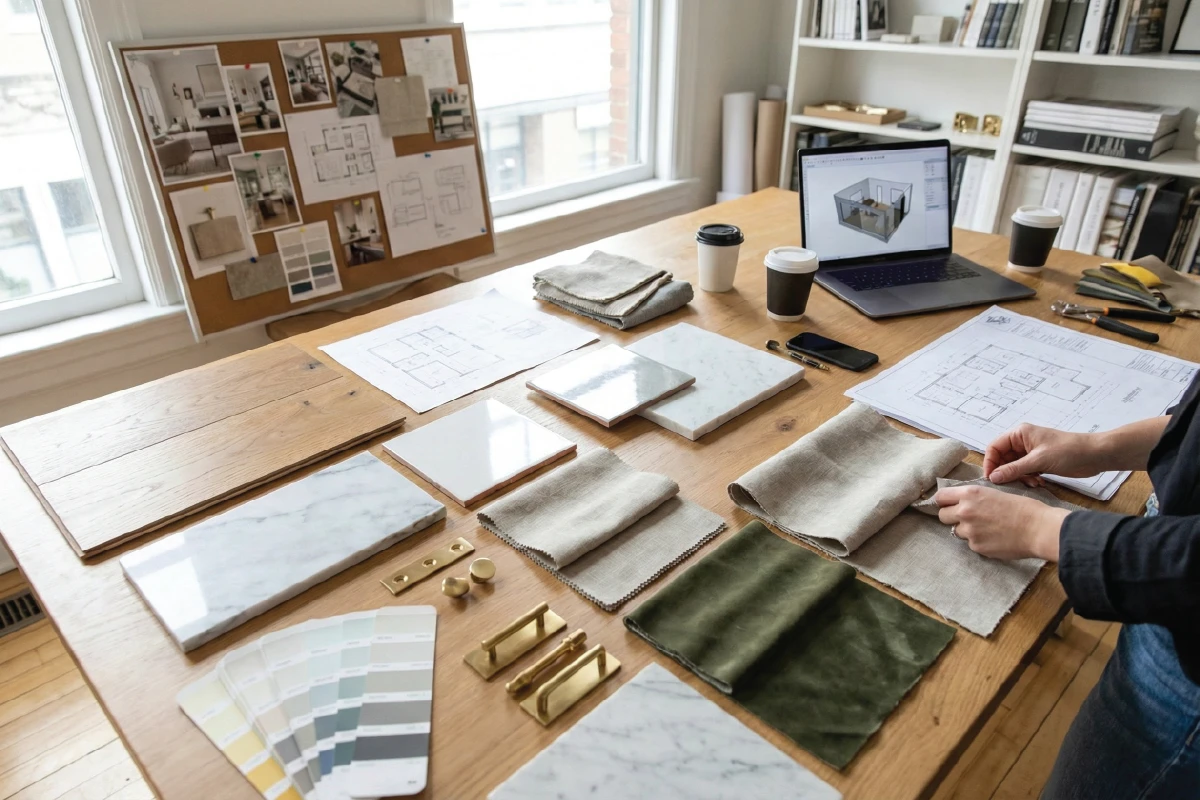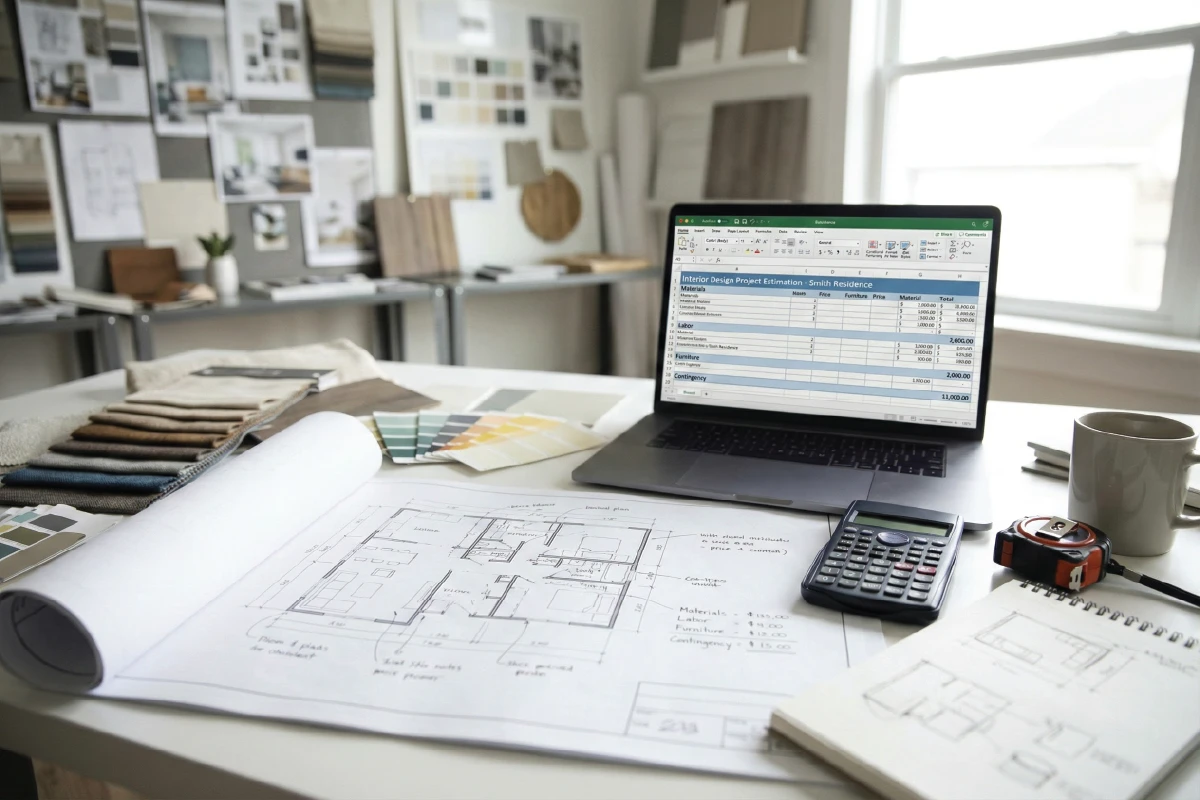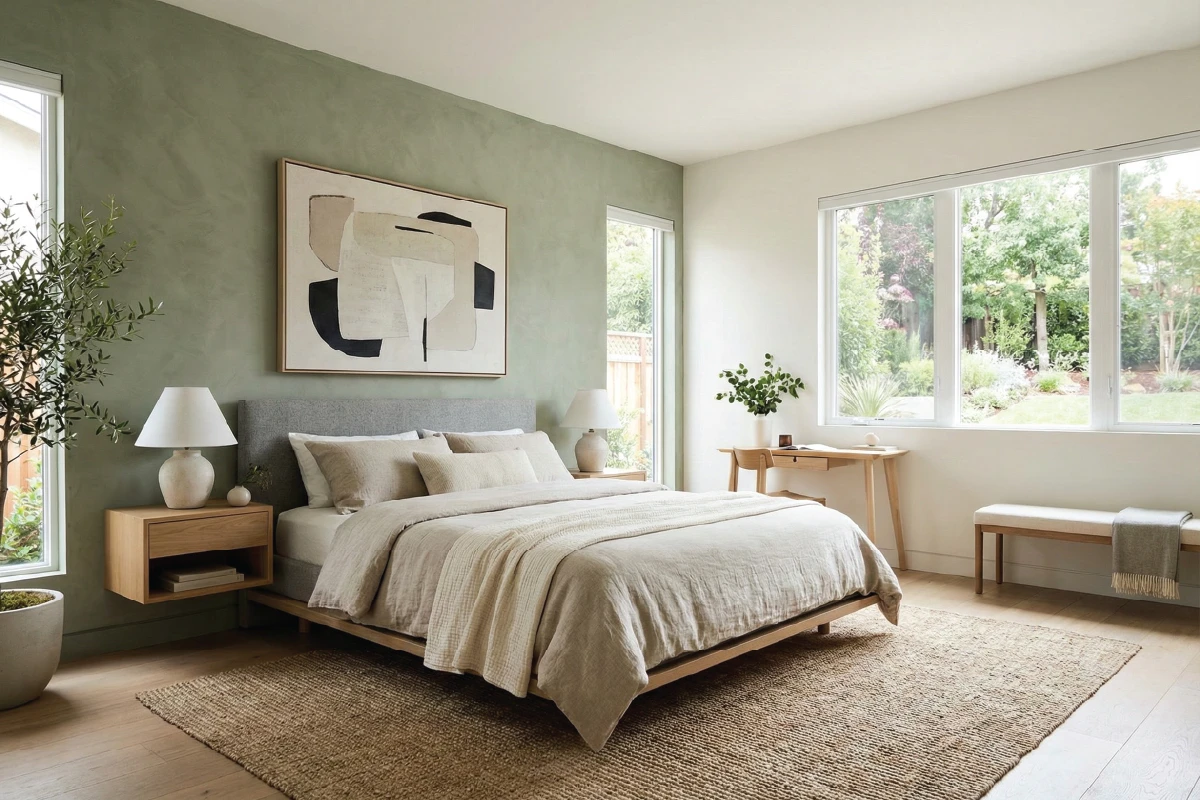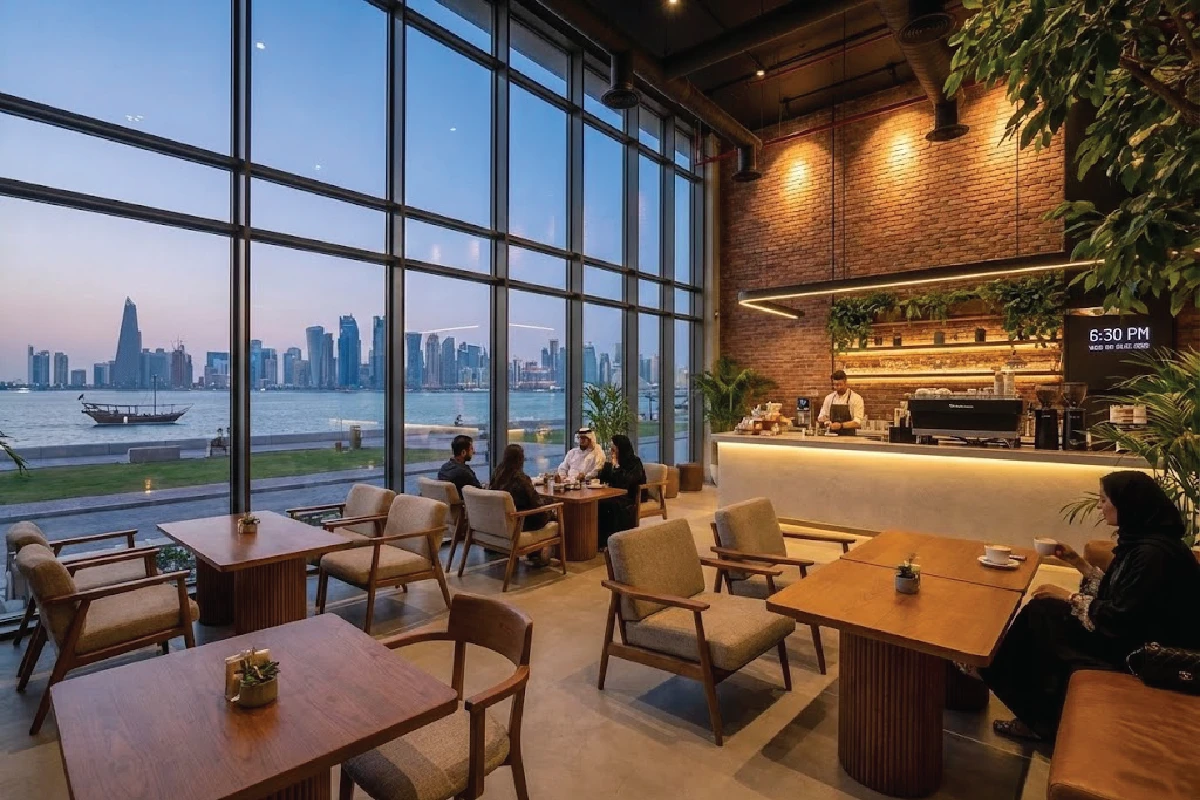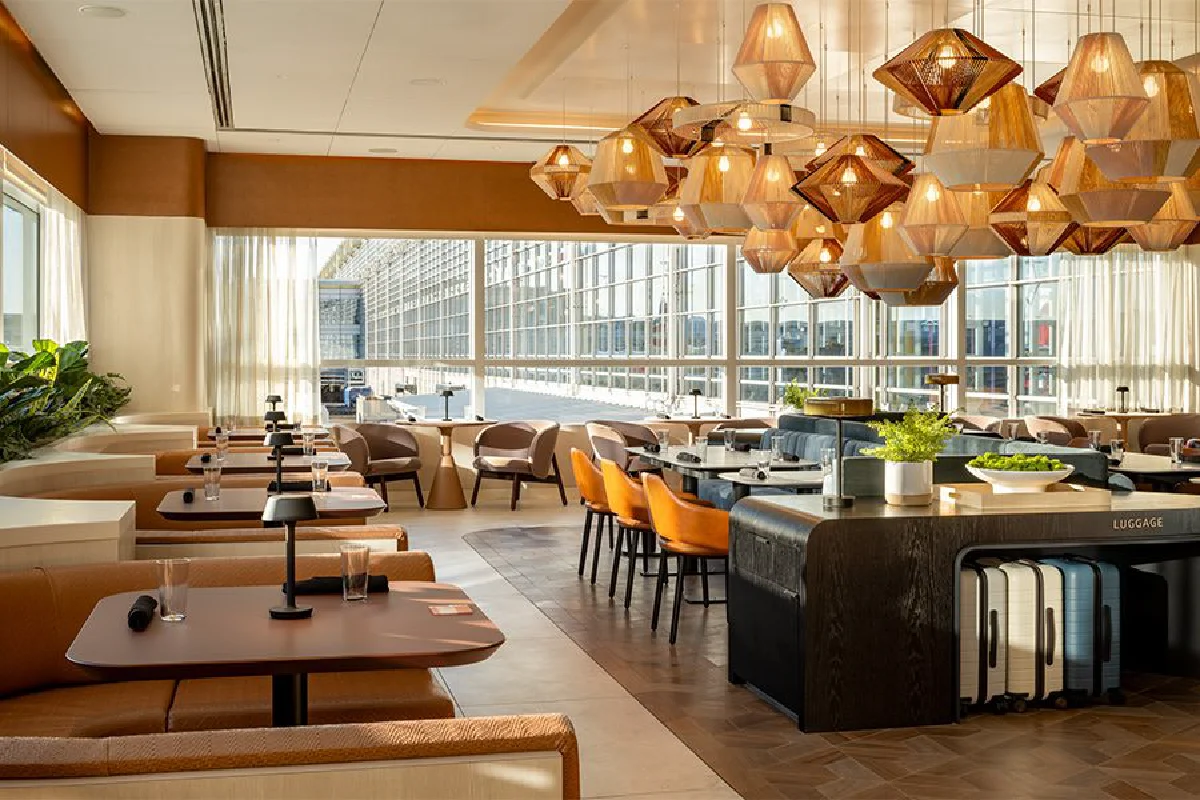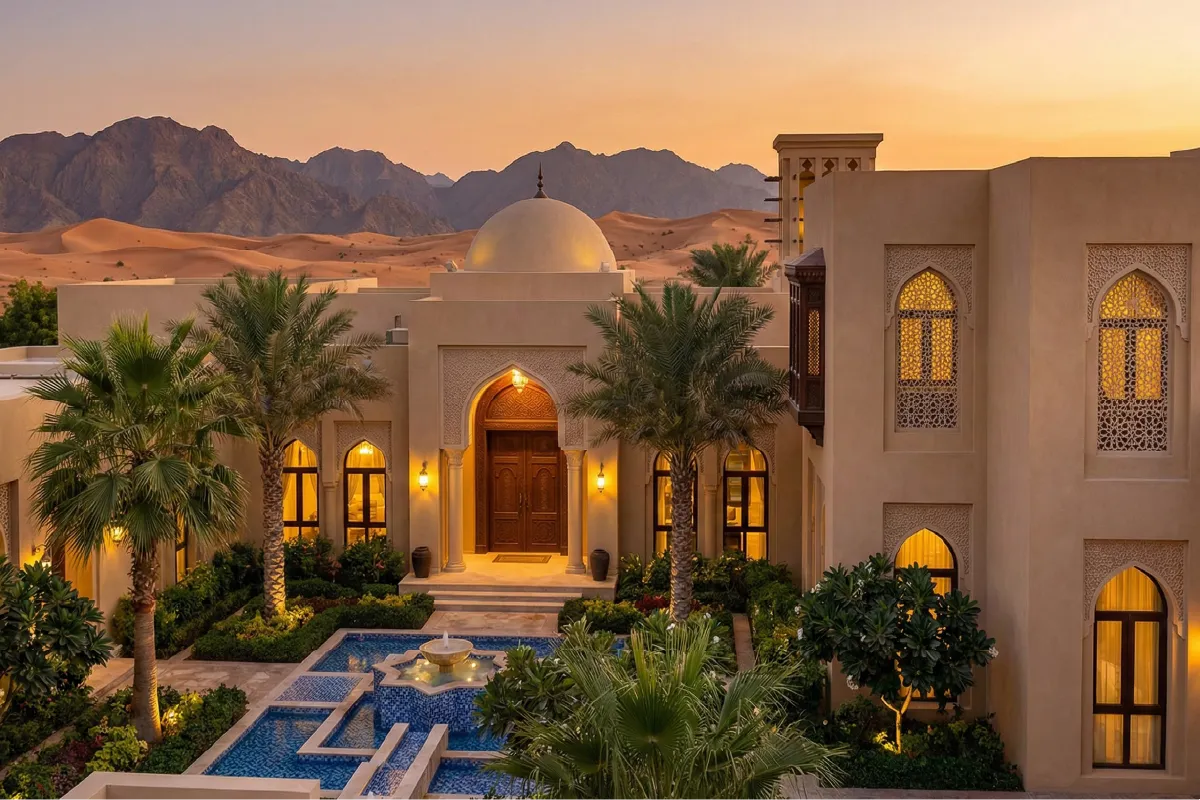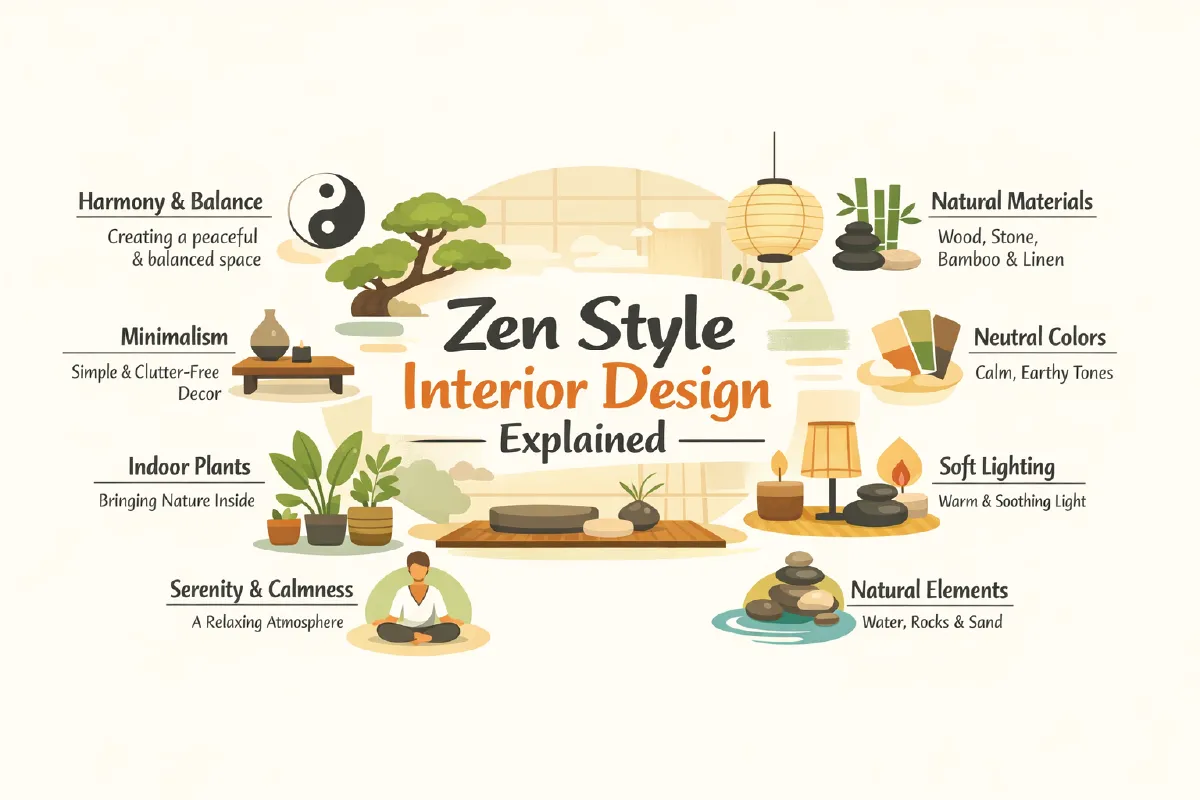
Short answer: interior design models for residential and commercial spaces are structured approaches that define how spaces are planned, styled, executed, and managed, helping homeowners and businesses choose the right design direction based on function, lifestyle, budget, and long-term usability while ensuring consistency, efficiency, and aesthetic clarity.
What Are Interior Design Models And Why They Matter
Interior design models are not styles or trends. They are structured frameworks that guide how a space is conceptualized, designed, and executed from start to finish. A model defines decision-making logic rather than surface-level decoration.
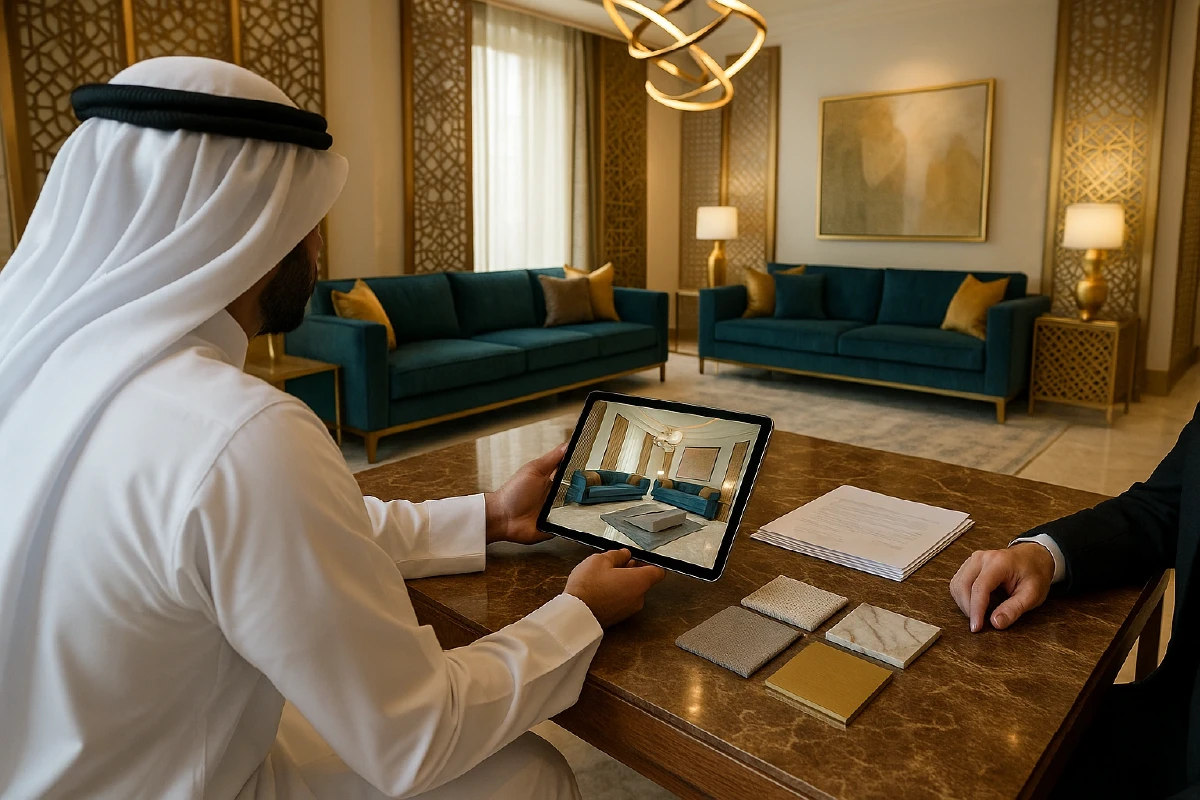
In professional practice, especially in Qatar where projects often involve multiple stakeholders, interior design models act as a common language between clients, designers, architects, contractors, and authorities.
For example, when designing a residential villa in Lusail or a commercial office in West Bay, the first question we ask is not about colors or furniture. It is about which design model best suits the purpose of the space.
A clear model answers questions such as:
- How will the space be used daily
- What level of flexibility is required
- How decisions will be prioritized
- Where investment should be focused
Without a defined design model, projects often suffer from inconsistency, budget drift, and identity confusion.
Difference Between Residential And Commercial Design Models
Although residential and commercial interiors may share materials and aesthetics, their design models differ fundamentally in intent and performance criteria.
Residential design models prioritize comfort, privacy, emotional connection, and lifestyle alignment. Commercial design models prioritize efficiency, branding, compliance, and operational performance.
| Aspect | Residential Design Models | Commercial Design Models |
|---|---|---|
| Primary Focus | Comfort And Lifestyle | Function And Productivity |
| Decision Drivers | Personal Preference | Business Objectives |
| Flexibility Needs | Moderate | High |
| Compliance Level | Low To Medium | High |
Understanding this difference is essential. Applying a residential design model to a commercial space often results in inefficiency, while applying a commercial model to a home can feel cold and impersonal.
Why Choosing The Right Interior Design Model Is Critical In Qatar
Qatar presents a unique design environment shaped by climate, cultural expectations, rapid development, and international influence. Design decisions here must balance global standards with local sensibilities.
From residential compounds to corporate towers, interior spaces in Qatar are often expected to perform at a high level immediately after completion.
Choosing the right design model helps address challenges such as:
- Extreme climate and indoor comfort control
- Multicultural user profiles
- High expectations for finish quality
- Authority and compliance requirements
For example, a hybrid residential design model may be ideal for an expat family home, while a performance driven commercial model suits a financial services office in West Bay.
The model defines priorities before design begins, reducing revisions and misalignment later.
Core Categories Of Interior Design Models
Across residential and commercial projects, interior design models generally fall into a few core categories. Each category serves a distinct purpose.
| Model Category | Primary Use | Key Characteristics |
|---|---|---|
| Functional Model | Commercial Spaces | Efficiency, clarity, performance |
| Lifestyle Model | Residential Homes | Comfort, personalization, flow |
| Brand Driven Model | Retail And Offices | Identity, experience, recognition |
| Hybrid Model | Mixed Use Spaces | Balanced priorities |
In practice, most projects use a primary model supported by secondary principles. Rarely does a single model operate in isolation.
Key Takeaways
- Design Models Are Frameworks: They guide decisions beyond aesthetics.
- Residential And Commercial Needs Differ: Purpose defines the model.
- Qatar Requires Strategic Choices: Local conditions shape design logic.
- Clarity Prevents Confusion: Models reduce inconsistency and waste.
Residential Interior Design Models Explained With Practical Examples
Residential interior design models are built around how people live, relax, gather, and recharge. In Qatar, residential design must respond to extended family visits, cultural hospitality, and a strong preference for comfort driven luxury.
From villas in Al Wakrah to high rise apartments in The Pearl, we consistently see a few residential models performing better than others.
Lifestyle Focused Residential Design Model
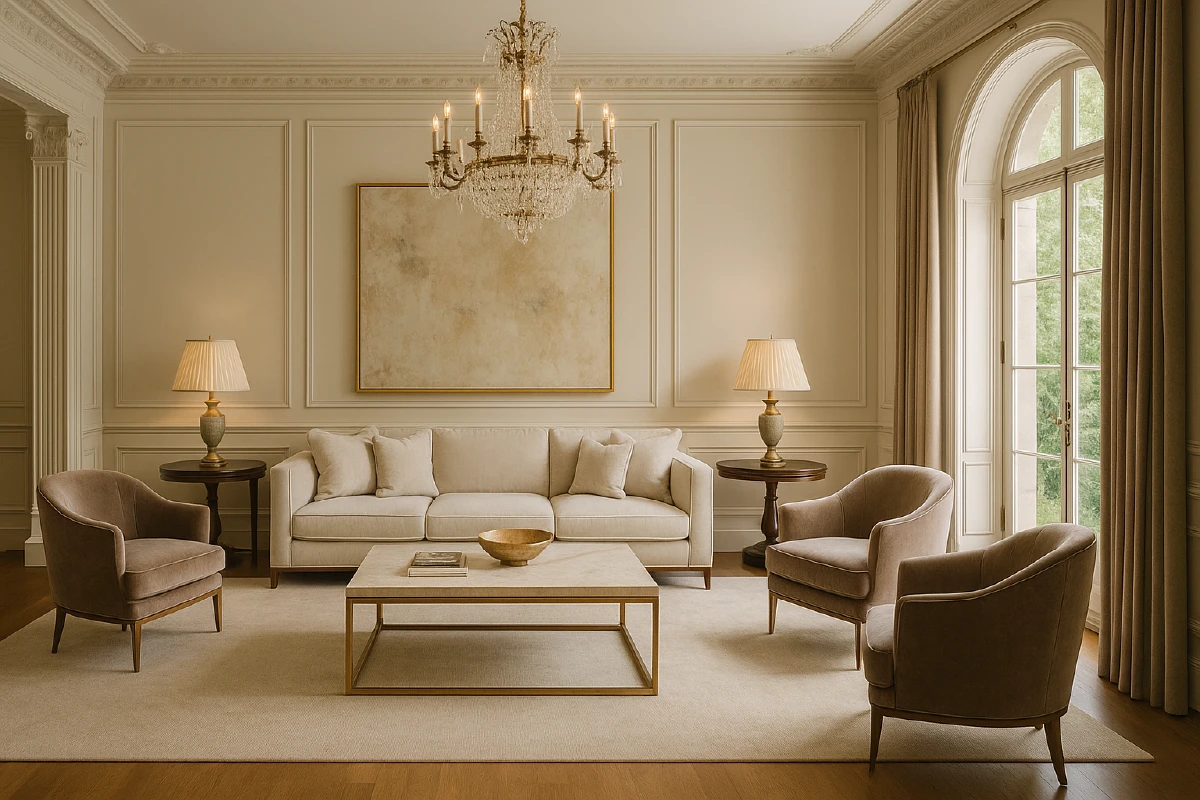
This is the most common and successful model for modern homes. The lifestyle focused model begins by studying daily routines, family size, social habits, and long term living patterns.
Instead of designing rooms in isolation, the home is planned as a connected experience. Circulation, sightlines, and comfort take priority.
For example, in a Doha villa project for a professional family, the lifestyle model led to an open yet zoned living area, a guest bedroom with hotel level comfort, and a flexible majlis space that could adapt to different occasions.
- Design decisions based on daily use
- Comfort driven furniture planning
- Neutral and timeless material palette
- Strong connection between spaces
Luxury Residential Design Model
Luxury in interior design is often misunderstood as excess. In professional practice, true luxury is about precision, material quality, and restraint.
In Qatar, luxury residential models are common in high end villas and waterfront apartments. However, the most successful Luxury interiors avoid visual overload.
A Lusail penthouse project followed a luxury residential model focused on refined finishes, custom joinery, and architectural lighting rather than decorative clutter.
| Aspect | Design Approach | Value Delivered |
|---|---|---|
| Materials | Natural stone, veneer, metals | Timeless elegance |
| Lighting | Layered and architectural | Atmosphere control |
| Furniture | Custom or curated | Perfect scale and comfort |
Luxury models require discipline. Every element must justify its presence.
Functional And Family Oriented Design Model
This model prioritizes practicality, durability, and adaptability. It is particularly effective for family homes with children or multi generational households.
In Qatar, where family gatherings are frequent, this model emphasizes storage, easy maintenance, and flexible furniture arrangements.
For a family home in Al Rayyan, this model led to durable flooring, concealed storage, and modular seating that could accommodate both daily use and large gatherings.
- High durability finishes
- Easy to clean materials
- Flexible seating layouts
- Efficient storage solutions
Commercial Interior Design Models And Their Business Impact
Commercial interior design models are performance driven. They are measured not only by appearance but by how effectively they support business objectives.
In Qatar, commercial interiors must respond to brand positioning, employee productivity, customer experience, and regulatory compliance.
Functional Performance Commercial Design Model
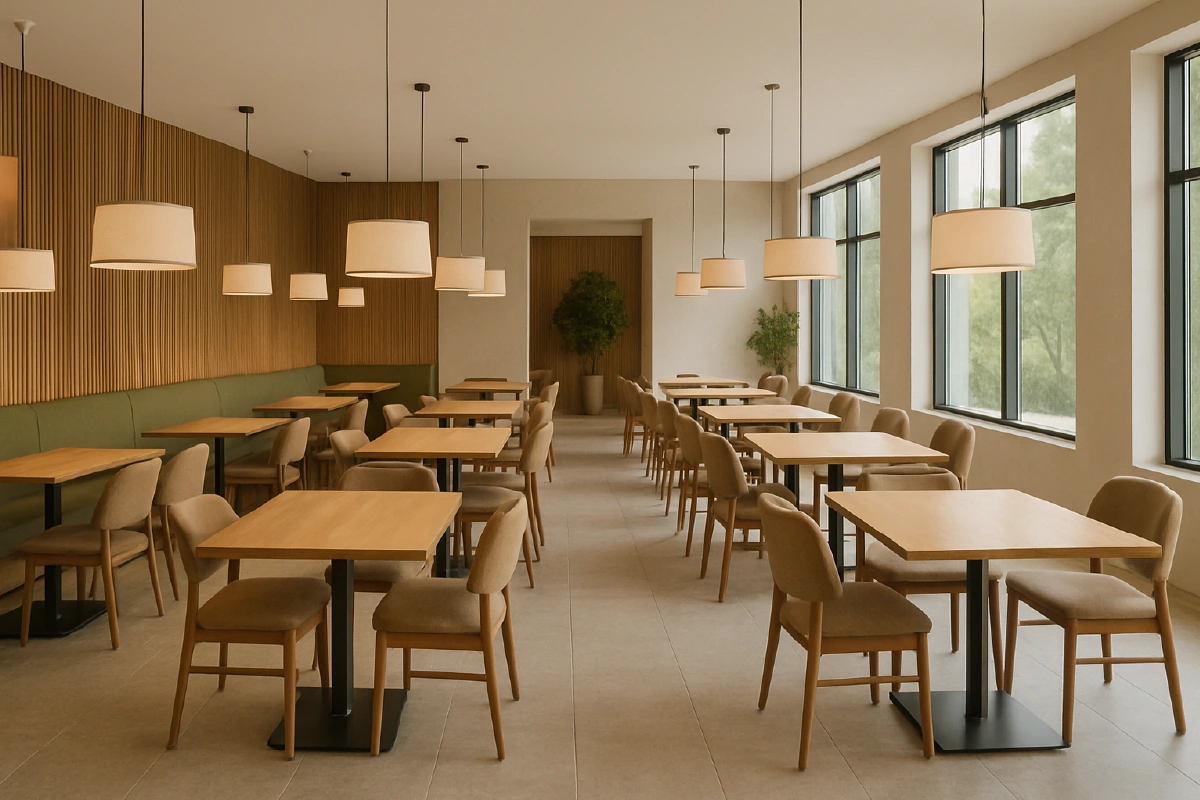
This model focuses on efficiency, clarity, and operational flow. It is commonly used in offices, clinics, and service oriented businesses.
In a West Bay corporate office project, this model guided workstation planning, meeting room allocation, and acoustic control, resulting in improved productivity and employee satisfaction.
| Priority | Design Focus | Outcome |
|---|---|---|
| Space Efficiency | Optimized layouts | Better utilization |
| Comfort | Ergonomics and acoustics | Employee wellbeing |
| Compliance | Fire and safety standards | Operational approval |
Brand Driven Commercial Design Model
Retail spaces, hospitality venues, and corporate headquarters often rely on brand driven design models. Here, the interior becomes a physical expression of brand values.
In Doha retail projects, this model is used to create memorable customer experiences that align with brand identity while maintaining operational efficiency.
Successful brand driven interiors balance visual impact with clarity. Overdesign often distracts rather than strengthens brand recognition.
Key Takeaways
- Residential Models Reflect Lifestyle: Homes are designed around how people live.
- Luxury Is Disciplined: True luxury comes from restraint and quality.
- Family Homes Need Flexibility: Durability and adaptability matter.
- Commercial Models Drive Performance: Business goals shape design logic.
Hybrid Interior Design Models For Mixed Use Spaces
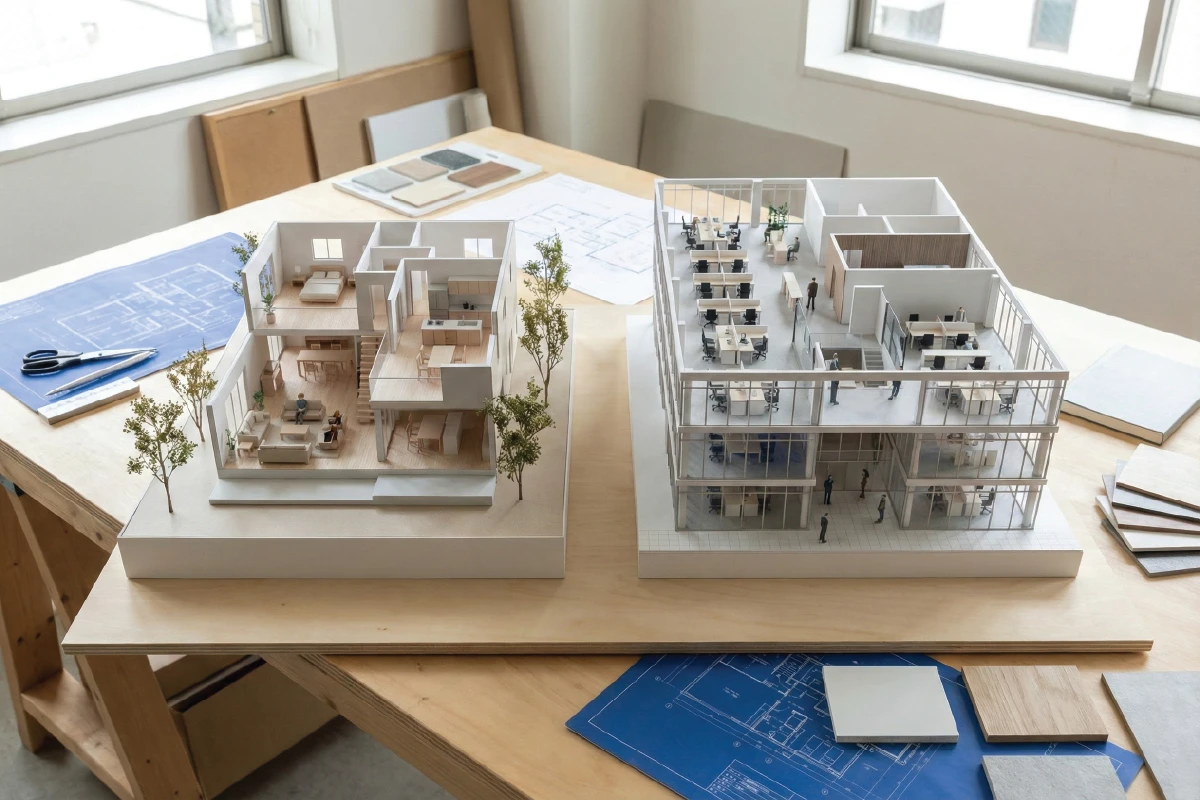
Hybrid interior design models combine principles from both residential and commercial frameworks. They are increasingly relevant in Qatar due to the rise of mixed use developments, home offices, serviced apartments, and lifestyle oriented commercial spaces.
In practice, hybrid models require careful balance. Too much residential comfort can reduce operational efficiency, while too much commercial rigidity can feel unwelcoming.
A common example is a home office designed for professionals who host clients. The space must feel professional yet personal.
- Balanced material palette
- Flexible furniture solutions
- Clear zoning between functions
- Professional lighting with warm accents
How To Choose The Right Interior Design Model For Your Project
Selecting the right interior design model is a strategic decision. It influences budget allocation, design timelines, and long term satisfaction.
From professional practice, the following step by step approach consistently delivers clarity.
- Define the primary purpose of the space
- Identify users and usage patterns
- Determine flexibility requirements
- Assess compliance and operational needs
- Align model choice with budget reality
For example, an expat family relocating to Qatar may prioritize a lifestyle model with functional support, while a growing startup may require a performance driven commercial model.
Common Mistakes When Applying Interior Design Models
Even well intentioned projects can fail when design models are misunderstood or mixed incorrectly.
- Choosing a model based on trends rather than purpose
- Overdesigning functional spaces
- Ignoring long term maintenance
- Underestimating compliance requirements
Avoiding these mistakes requires professional guidance and early clarity.
Future Trends In Residential And Commercial Interior Design Models
Interior design models continue to evolve in response to changing lifestyles, technology, and sustainability expectations.
In Qatar, we are seeing increased demand for models that integrate wellness, flexibility, and smart systems.
| Trend | Application | Impact |
|---|---|---|
| Wellness Focused Design | Homes and offices | Improved wellbeing |
| Adaptive Spaces | Mixed use environments | Long term flexibility |
| Sustainable Models | All project types | Reduced environmental impact |
Frequently Asked Questions
Are Interior Design Models The Same As Interior Design Styles
No. Models define decision making frameworks, while styles define visual appearance.
Can One Project Use Multiple Design Models
Yes. Most projects use a primary model supported by secondary principles.
Do Commercial Interior Design Models Cost More
Costs vary based on compliance, performance requirements, and scale rather than the model itself.
When Should The Interior Design Model Be Finalized
Ideally before concept design begins to avoid misalignment and redesign.
Key Takeaways
- Design Models Provide Structure: They guide decisions from concept to completion.
- Purpose Defines The Model: Function and users matter more than trends.
- Hybrid Models Are Rising: Mixed use spaces demand balance.
- Professional Guidance Matters: Correct model selection saves time and cost.
References
- Professional Interior Design Practice In Qatar
- Commercial Fit Out And Residential Design Standards
- Regional Development And Lifestyle Design Trends