Welcome. If you are exploring interior design portfolios to understand how creative projects are shaped and delivered in Qatar, you are in the right place. In this article I will walk you through what a Professional Portfolio should communicate, how to read project case studies, and which questions to ask when you shortlist a design firm. I have designed homes, offices, showrooms, and hospitality spaces across Doha and the region. In fact, the lessons I share come from direct site experience, coordination with local craftsmen, and careful post occupancy reflection. Let us begin with the philosophy that underpins every curated portfolio and then examine a selection of projects that demonstrate practical skills, cultural sensitivity, and measurable outcomes.
Design Philosophy That Guides The Portfolio
Every credible portfolio rests on a coherent design philosophy. My approach balances three imperatives that are especially relevant in Qatar.
- Human Centred Functionality: Spaces must serve people and routines first.
- Contextual Sensitivity: Materials and form should respond to climate, culture, and urban context.
- Craft And Detail: Prioritise buildability and long term performance as design outcomes.
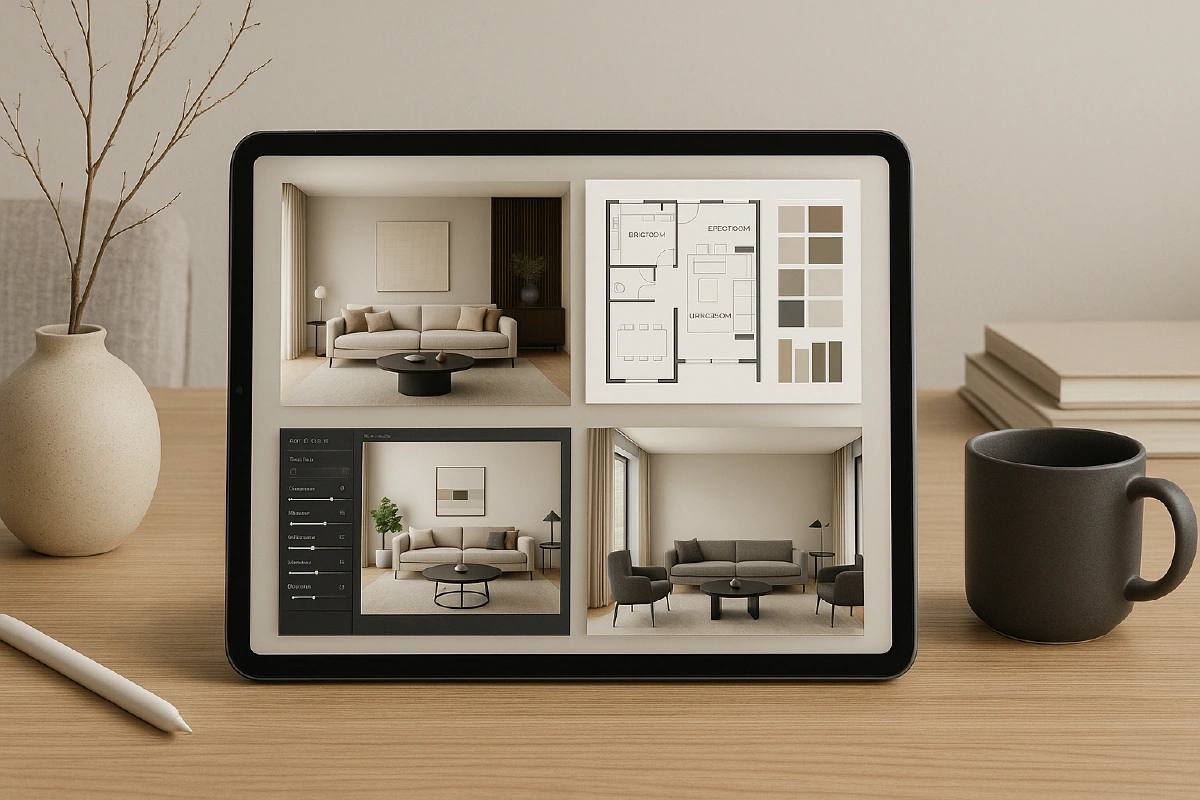
Moreover, a good portfolio shows not only the final images but the decisions behind them. For example, a villa living room photographed at golden hour is useful. On the other hand, showing the plan options, the material sample board, and the final lighting schedule explains how that image was achieved. When you review portfolios, look for that transparency because it signals experience and trustworthiness.
Key Takeaway
A portfolio should tell a story of problem diagnosis, design response, and post occupancy learning.
Project Showcase Selected Case Studies From Qatar
Below I describe three representative projects that exemplify different scales and challenges. Each case highlights objectives, constraints, interventions, and measurable results. These snapshots, in fact, show the range of skills you should expect from a professional practice.
Villa Renovation In West Bay
Objective: Convert a dated villa into a modern family home that supports multigenerational living and formal hospitality.
- Constraints: Existing load bearing partitions, small courtyard, and limited daylight to the lower floor.
- Interventions: Opened the ground floor plan to create flexible living zones. Introduced a glazed courtyard that brought daylight into the centre of the plan. Built a semi private majlis with sliding timber screens that preserve privacy during family gatherings.
- Outcome: Improved circulation, guest capacity, and daylighting. Energy use for lighting fell due to better natural light distribution. The family reported an improved routine for hosting and quieter spaces for everyday life.
Compact Apartment Fit Out For An Expat Family
Objective: Maximise storage and comfort while keeping the scheme within a mid budget tier.
- Constraints: Small footprint, tight procurement lead times, and a need for a quick turnaround.
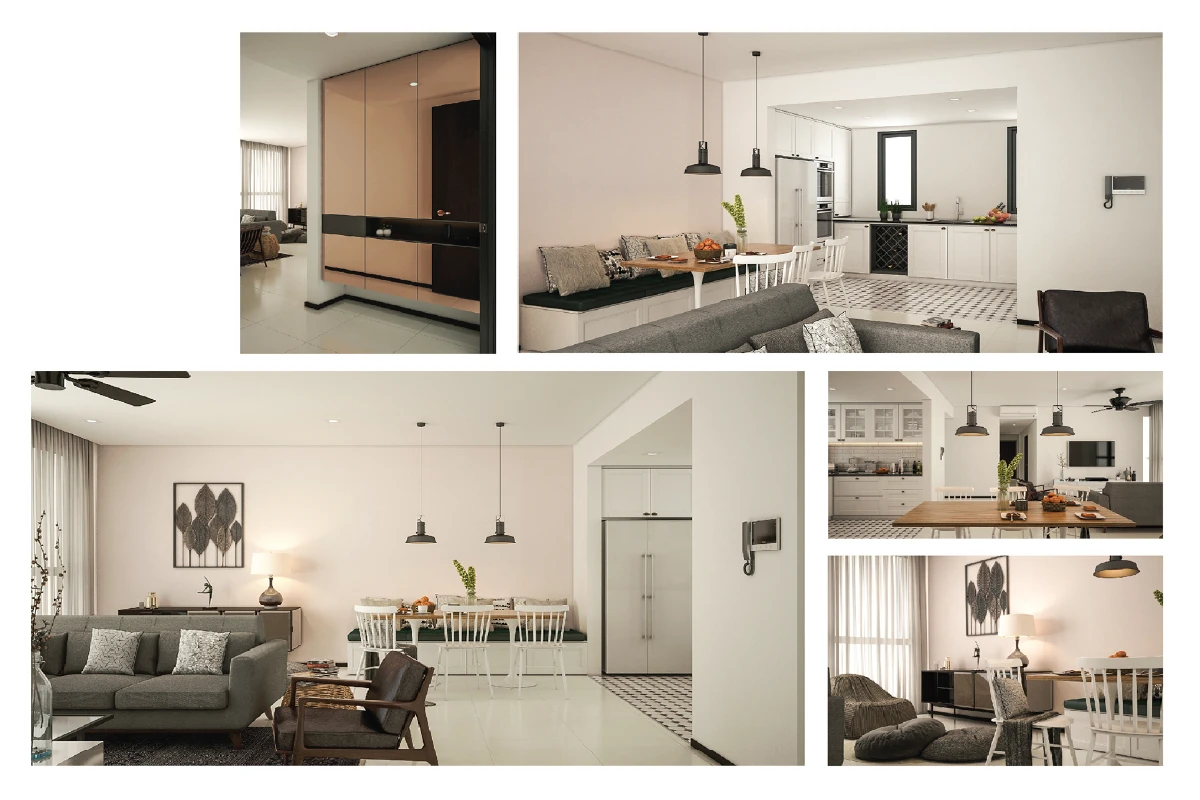
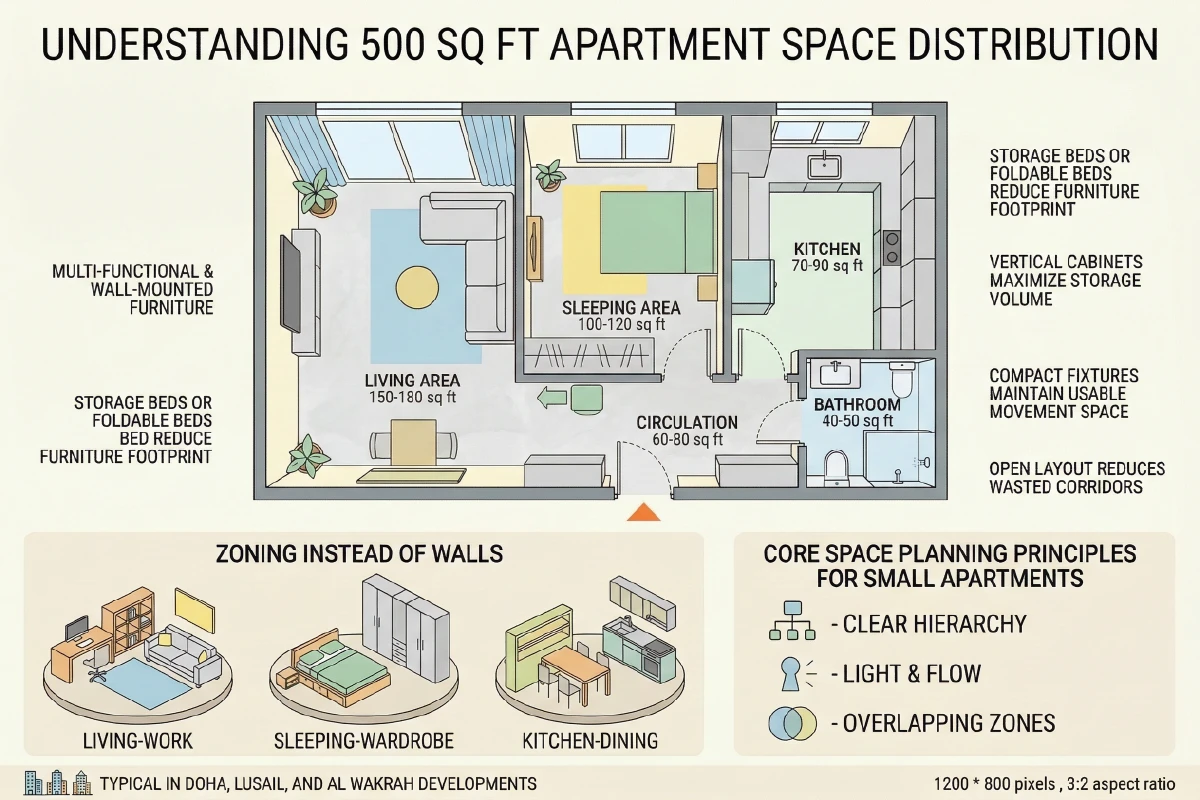
- Interventions: Custom joinery with integrated storage under seating and in corridor walls. A compact kitchen layout with concealed appliance parking reduced visual clutter. Layered LED lighting improved task performance without high running costs.
- Outcome: The apartment felt larger and more organised. The clients reported more efficient daily routines and appreciated the clear decisions that reduced the need for additional furniture purchases.
Retail Flagship Store Fit Out
Objective: Create a showroom that complements a brand identity while being easy to maintain with high footfall.
- Constraints: Tight schedules, multiple product lines, and the need for modular display systems.
- Interventions: A modular display system with adjustable shelving and concealed lighting allowed rapid merchandising changes. Durable surface finishes and strategic HVAC zoning maintained comfort and reduced maintenance.
- Outcome: The store opened on time and received positive feedback for both brand presentation and ease of operation for staff.
What These Projects Show
Across all projects the portfolio emphasises problem solving rather than style alone. That is a practical signal that the team can deliver on complex briefs and handle Qatar specific conditions.
Design Process And How It Appears In A Portfolio
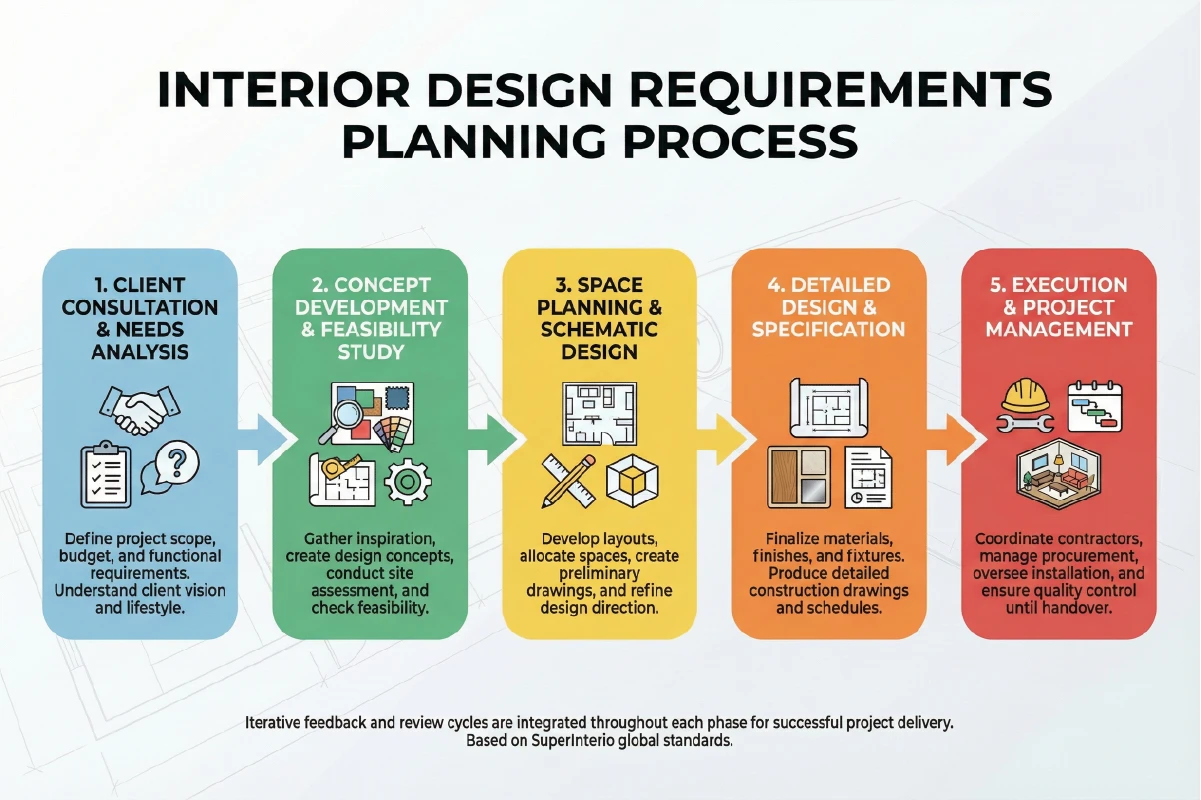
When you look through a strong portfolio you will see evidence of a repeatable process. Let us break down the stages and the typical artifacts you should expect to find.
Discovery And Briefing
Artifacts include site photos, user surveys, program lists, and an initial concept statement. In this stage we listen to needs and document constraints. For example, during a Doha project we often note prayer requirements and guest capacities which influence spatial zoning.
Concept Design
Artifacts include bubble diagrams, precedent images, and mood boards. The concept communicates the organising idea such as a courtyard strategy or a hospitality first plan.
Schematic Design And Testing
Artifacts include floor plans, option studies, and quick 3D sketches. The goal here is to test layout logic before investment in detailed drawings.
Design Development
Artifacts include detailed joinery drawings, lighting plans, material schedules, and sample boards. This is where quality is defined and where coordination with structural and mechanical consultants happens.
Execution And Handover
Artifacts include progress photos, site instructions, snag lists, and final photography. Good portfolios show how issues were resolved during construction and include client testimonials where possible.
Post Occupancy Reflection
Artifacts include user feedback, usage adjustments, and lessons learned. Showing this indicates a mature practice that values outcomes after handover as much as visuals.
Practical Note
When reviewing portfolios ask to see the artifacts behind the images. A design that can explain its choices reliably will offer better value than one that relies on mood alone.
Working With Clients How To Present Your Work And How To Read A Portfolio
For designers the portfolio is a conversation starter. For clients the portfolio is a decision aid. Let us consider both perspectives.
For Designers
- Show A Range But Explain The Method For Each Project.
- Include Metrics Such As Reduced Energy Use, Guest Capacity Increase, Or Turnaround Time.
- Use Before And After Images To Demonstrate Transformation.
For Clients
- Look For Projects That Mirror Your Own Needs Or Constraints.
- Ask For A List Of Suppliers And Local Contractors The Firm Uses.
- Request A Brief Written Explanation Of The Design Choices For At Least Three Projects.
Moreover, ask for references and where possible visit a completed project in person. A portfolio is a promise, and verifying that promise builds confidence.
Key Takeaway
A portfolio should be a narrative of skills, evidence, and outcomes rather than a photo album of pretty rooms.
Practical Tips For Designers And Clients
- Curate: Select projects that demonstrate a range of skills and include the backstory for each.
- Keep Visuals Authentic: Include real life images rather than overly staged photographs.
- Share Process Documents: Provide a small set of drawings or mood boards to show how ideas evolved.
- Highlight Local Knowledge: Show how you handled climate, cultural norms, and local procurement.
- Collect Client Feedback: Include short client quotes that speak to delivery and outcomes.
For clients, use the same filters when you shortlist a firm and ask them to walk you through the portfolio focusing on similar projects and measurable results.
Frequently Asked Questions
What Should Be The Core Elements Of An Interior Design Portfolio?
A strong portfolio includes high quality photographs, plans or diagrams, a project description, the brief, constraints, and outcomes plus client feedback. Showing the process as well as the result is essential.
How Many Projects Should A Portfolio Contain?
Quality beats quantity. For most studios ten to fifteen well documented projects are sufficient. Include a balance of scales and typologies to show range.
How Do I Include Confidential Projects?
Use anonymised photographs and focus on generic lessons learned. Obtain client permission to share images where possible and document the outcomes without revealing sensitive information.
Should I Include Technical Drawings In A Portfolio?
Yes. Include a sample set of drawings that demonstrate technical competence. Clients and consultants will value evidence of coordinated details and construction thinking.
How Do Portfolios Differ For Residential And Commercial Work?
Residential portfolios focus on user routines, materiality, and comfort, while commercial portfolios emphasise brand experience, operations, and durability. Both should still demonstrate process and outcomes.
How Important Are Before And After Images?
Very important. They reveal the extent of transformation and help potential clients understand the value added by design intervention.
Should A Portfolio Include Cost Information?
High level cost ranges or cost per square metre can be helpful but avoid exact figures that may vary with time and specification. Contextualise costs with quality and scope notes.
How Do I Ensure My Portfolio Reflects Local Knowledge?
Include projects completed in similar climate and cultural contexts. Describe material sourcing, local craft engagement, and strategies for sun shading and ventilation if applicable.
Can A Portfolio Help With Business Development?
Yes. A clear portfolio supports proposals, presentations, and client meetings. It reduces initial friction because clients can quickly see relevant experience and trust the delivery capability.
What Is The Best Way To Present A Portfolio Online?
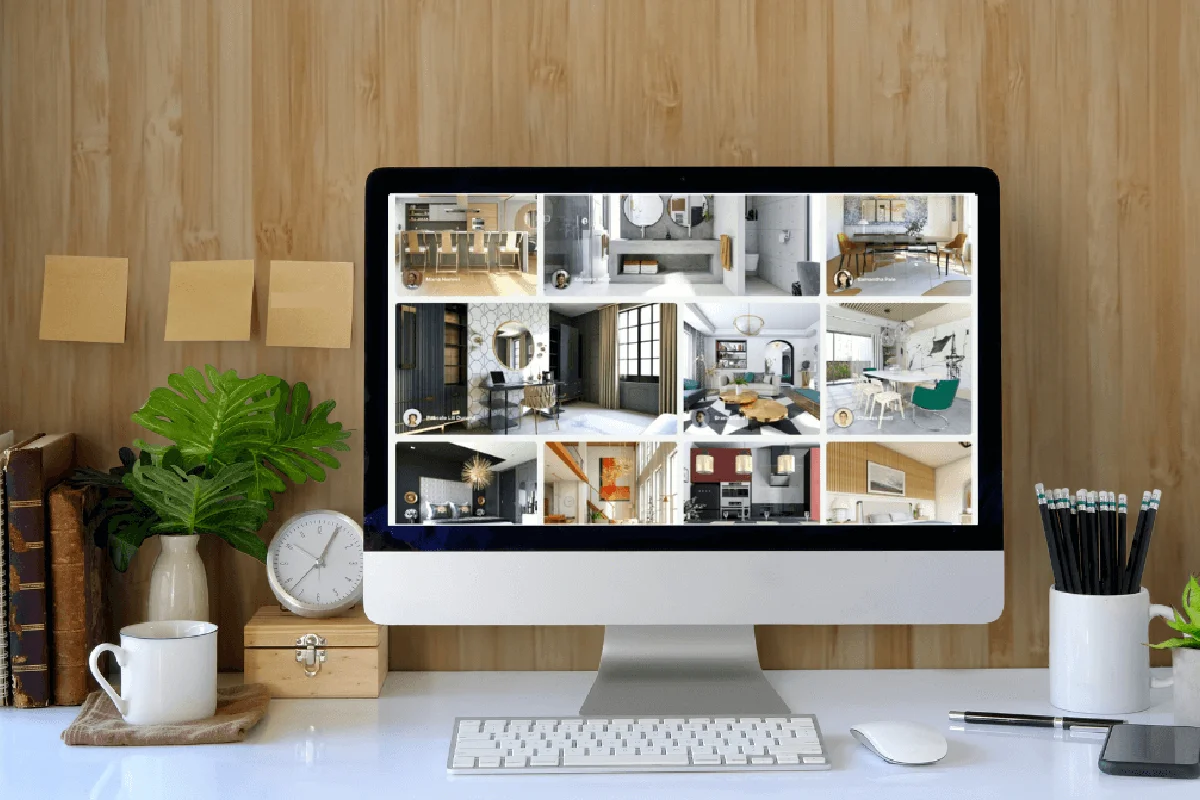
Use a clean, responsive layout with fast loading images, structured case studies, and downloadable project sheets. Include contact information and an easy way for potential clients to request a meeting.
Conclusion And Practical Takeaways
An interior design portfolio is more than a gallery. It is a record of decisions, challenges, and outcomes. When you create or review a portfolio seek evidence of process, technical depth, and real outcomes that align with your needs. If you are a designer curate with purpose and include the artifacts that prove your expertise. If you are a client ask for the stories behind the images and confirm local experience relevant to Qatar. Doing so will make your next project more predictable and more rewarding for everyone involved.
Would you like a simple portfolio checklist to evaluate firms? I can provide a one page audit you can use during interviews and site visits.