Short answer: Interior design wardrobes in Qatar are planned as fixed storage systems where layout, internal zoning, material selection, and installation sequencing matter more than appearance. Most functional issues arise not from design style, but from incorrect depth planning, poor material choices for local climate, and coordination gaps between carpentry and fit-out execution.
What A Wardrobe Means In Interior Design Projects
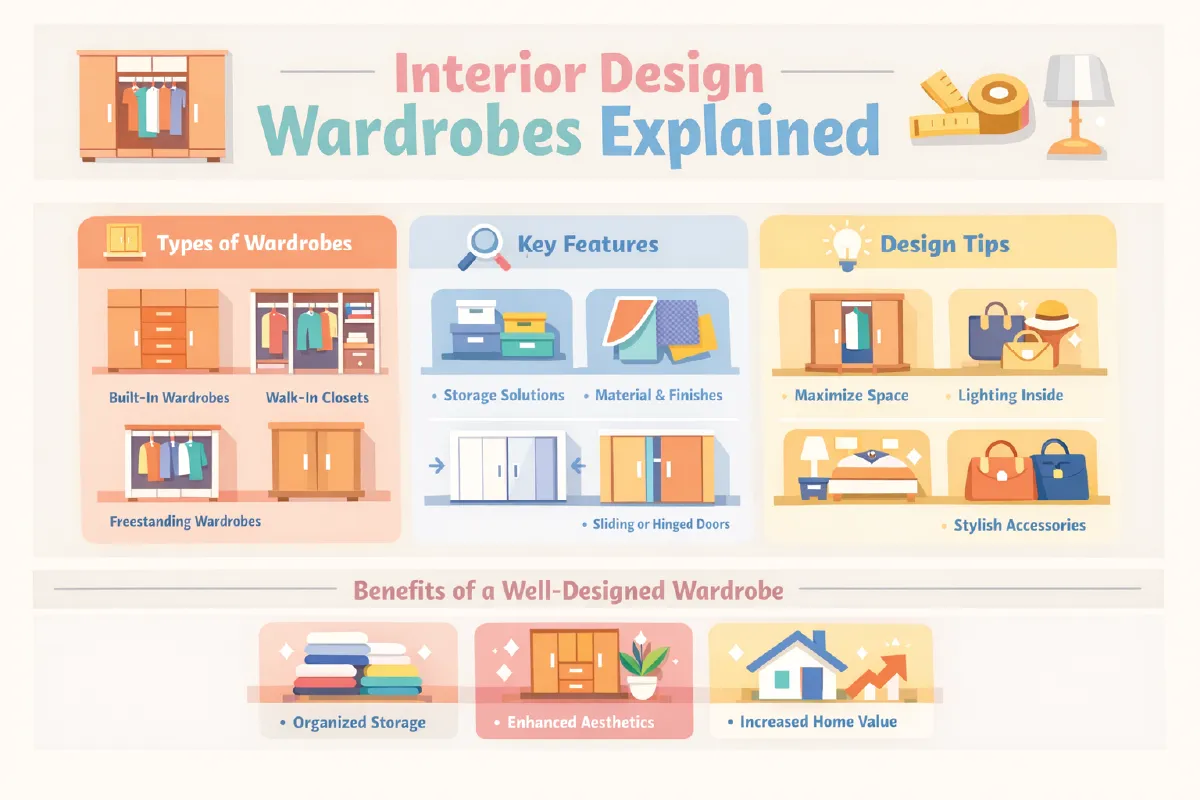
In interior design and fit-out projects, a wardrobe is a built-in storage system designed to integrate with wall dimensions, ceiling heights, and circulation clearances. In Qatar, wardrobes are typically part of fixed joinery scope rather than loose furniture, which means their design decisions affect carpentry drawings, material approvals, and installation sequencing.
Unlike decorative elements, wardrobes influence usable floor area, door swing clearances, lighting placement, and even fire or access considerations in compact layouts. For this reason, wardrobe planning is usually locked early, alongside space planning and joinery detailing.
Storage Planning Before Design Finalization
Effective wardrobe design starts with storage planning, not finishes. In practice, designers first determine how hanging space, shelving, drawers, and overhead storage will be allocated based on user needs and room dimensions.
| Storage Zone | Common Use | Planning Consideration |
|---|---|---|
| Full-height hanging | Formal wear and abayas | Requires minimum internal height and door clearance |
| Short hanging | Shirts and jackets | Often paired with drawer units below |
| Drawer stacks | Accessories and folded items | Hardware quality affects long-term usability |
| Top storage | Seasonal items | Access height must remain practical |
In smaller apartments, poor storage zoning is a common reason wardrobes feel cramped even when overall dimensions appear adequate. This issue often surfaces during execution, when changes become costly.
Wardrobe Materials Used In Qatar
Material selection for wardrobes in Qatar is driven by durability, moisture resistance, and maintenance rather than appearance alone. Most projects rely on engineered boards paired with laminates or veneers, while solid wood is rarely used for full carcasses due to movement and cost.
Common material choices include moisture-resistant MDF, commercial plywood, and factory-finished laminates. Hardware quality is equally critical, as drawer runners and hinges experience high usage in built-in wardrobes.
Material approvals for wardrobes are often reviewed alongside other joinery items, and may form part of the broader fit-out documentation and costing logic explained in fit-out BOQ interpretation.
Installation And Site Considerations
Wardrobe installation typically occurs after flooring, wall finishes, and ceiling works are complete. Any deviation in wall alignment or floor levels directly affects wardrobe fit and door operation.
In practice, coordination gaps between carpentry teams and site execution are a frequent source of delays. These issues often overlap with broader fit-out execution challenges discussed in fit-out execution workflows, especially where tolerances are not clearly defined.
Scope And Cost Expectations In Qatar
Wardrobe costs in Qatar vary based on size, internal configuration, material grade, and hardware selection. As a broad indication, basic built-in wardrobes fall within mid-range joinery budgets, while premium finishes and custom interiors can significantly increase costs.
Clients should confirm whether wardrobes include internal accessories, lighting, and soft-close hardware, as these items are sometimes excluded from initial quotations and added later as variations.
Approvals And Coordination Considerations
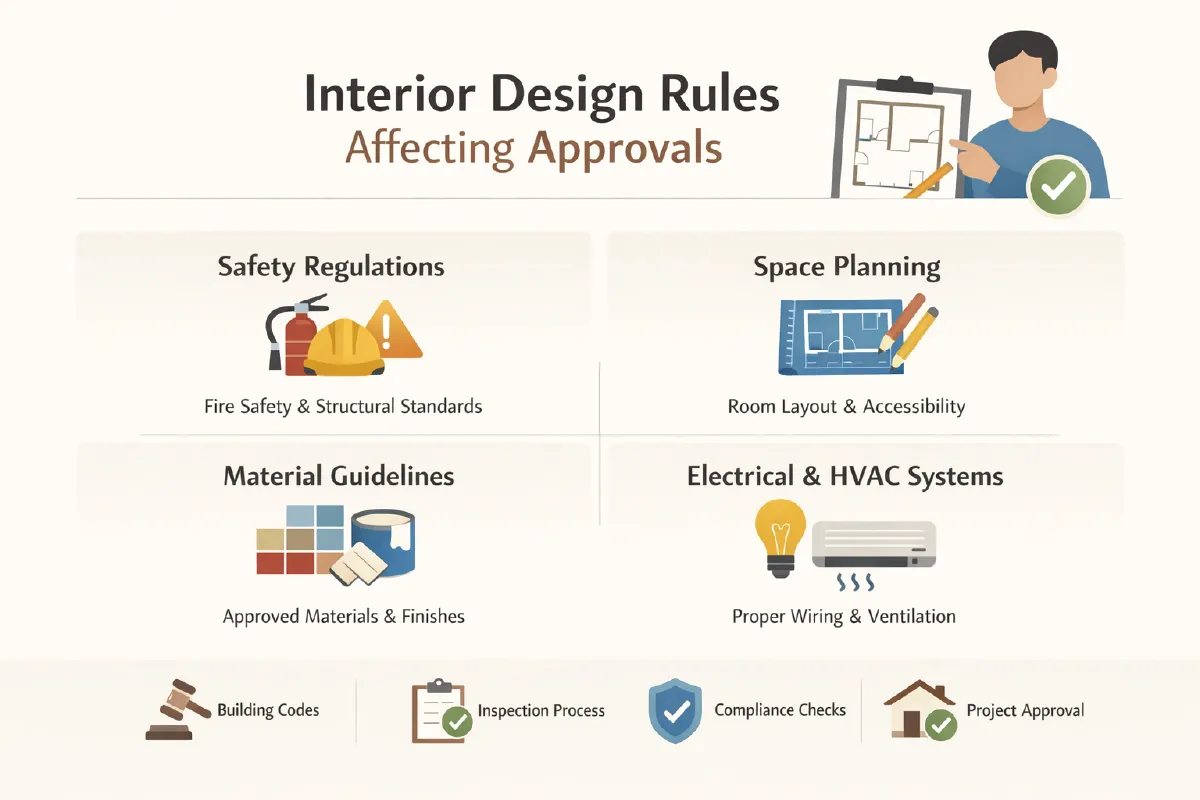
In Qatar, wardrobes generally do not require standalone authority approvals. However, they are reviewed indirectly as part of interior fit-out submissions when they affect circulation widths, fire access clearances, or room usage classifications.
Built-in wardrobes that reduce clear clearances or block access panels can trigger comments during authority reviews. This is particularly relevant in apartments and serviced units where minimum access and safety requirements are strictly checked.
From a coordination perspective, wardrobes must align with electrical layouts, lighting points, and ceiling levels. Late-stage changes often result in rework, which is why experienced project teams lock wardrobe layouts before shop drawings are finalized.
Common Wardrobe Planning Mistakes
Most wardrobe-related issues are not aesthetic failures but planning oversights. These problems typically surface only after installation, when correction becomes expensive or impractical.
| Issue | Why It Happens | Impact |
|---|---|---|
| Insufficient internal depth | Ignoring door swing and hanger clearance | Doors do not close properly |
| Poor hardware selection | Cost cutting at specification stage | Frequent maintenance and replacements |
| Misaligned installation | Unlevel floors or walls not accounted for | Visible gaps and operational issues |
| Overdesigned interiors | Too many drawers and partitions | Reduced usable storage space |
Practical Decision Guidelines For Clients
Before approving wardrobe designs, clients should verify a few non-negotiable points to avoid execution-stage disputes or variations.
- Confirm internal dimensions, not just external sizes.
- Ask whether hardware brands and specifications are fixed or provisional.
- Check if lighting, accessories, and internal fittings are included in scope.
- Ensure wardrobe drawings align with final floor and ceiling levels.
- Clarify installation sequencing relative to other fit-out works.
Key Takeaways
- Wardrobes Are Functional Systems: Their success depends more on planning and coordination than visual design.
- Early Decisions Matter: Storage zoning and material choices should be finalized before execution drawings.
- Materials And Hardware Define Longevity: Poor specifications often lead to early failures.
- Coordination Prevents Rework: Alignment with site conditions and services avoids installation issues.
Frequently Asked Questions
Are wardrobes usually included in interior design scope?
In most Qatar projects, wardrobes are included as part of fixed joinery scope, but internal accessories and lighting may be excluded unless specified.
Is plywood better than MDF for wardrobes in Qatar?
Both are used. Moisture-resistant MDF is common for panels, while plywood is preferred for structural components depending on budget and performance needs.
When should wardrobe designs be finalized?
Ideally before shop drawings and material submissions begin, as late changes often result in cost and time impacts.
References
- Qatar Civil Defense Department guidelines on interior fit-out safety and access clearances.
- Common joinery and carpentry specifications used in residential and commercial fit-out projects in Qatar.
- Industry-standard hardware performance guidelines from regional fit-out documentation practices.