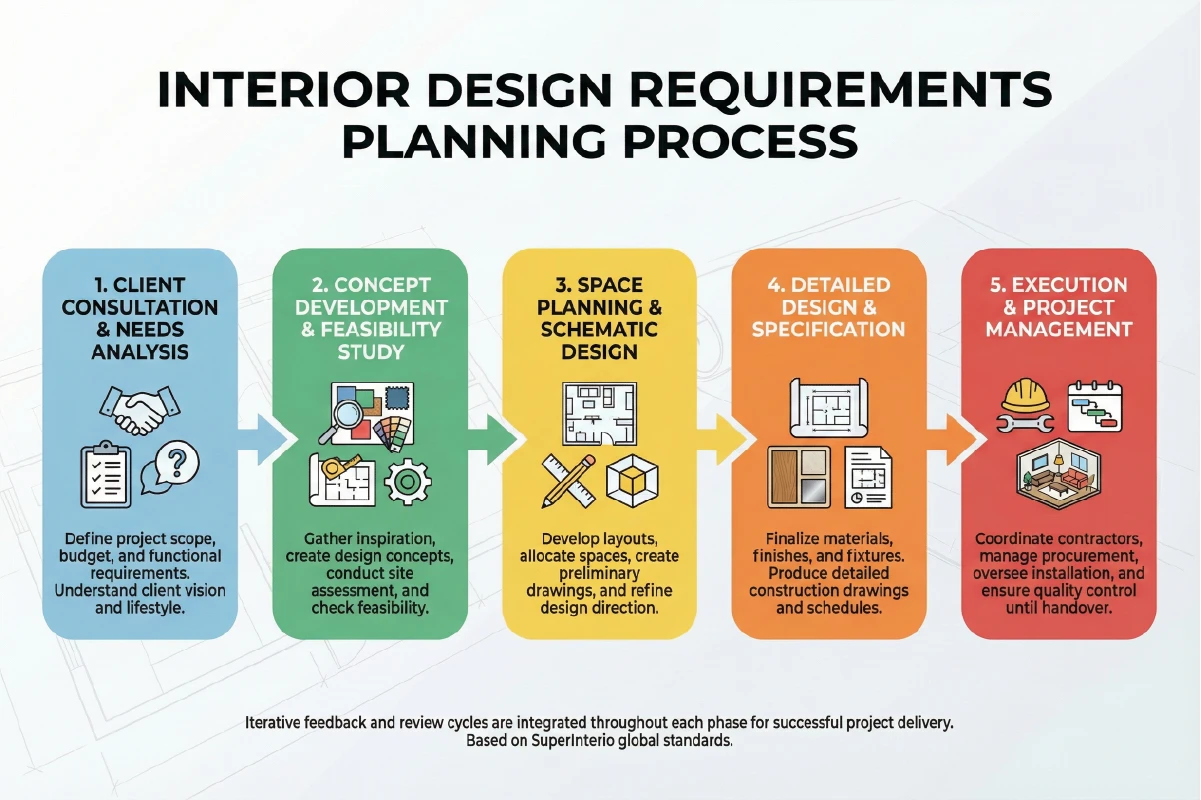
Short answer: Material selection requirements in interior design define how wall, floor, and ceiling materials are chosen based on function, durability, safety, maintenance, and long term performance within the interior design requirement planning process. These requirements ensure that interior materials support daily use, comply with regulatory and compliance requirements, and remain suitable for residential and commercial environments. When materials are selected correctly, interiors perform better, age well, and reduce future repair or replacement costs.
What Are Material Selection Requirements
Material selection requirements are the functional and technical criteria used to determine which wall, floor, and ceiling materials are suitable for a specific interior environment. These requirements go beyond visual appearance and focus on performance, safety, durability, and compatibility with how a space is used.
In professional interior design, materials are evaluated based on how they behave under daily wear, environmental conditions, and maintenance routines. A visually appealing material that fails under real use conditions is considered a poor selection, regardless of aesthetic value.
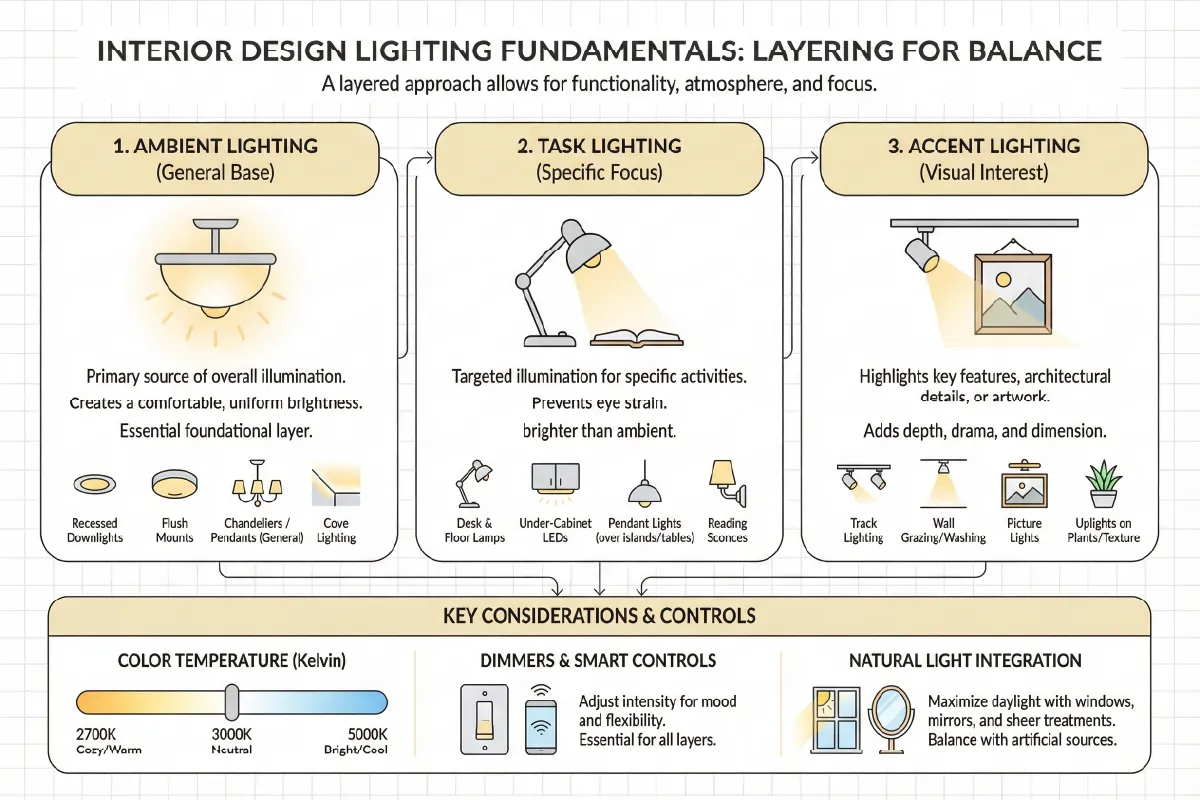
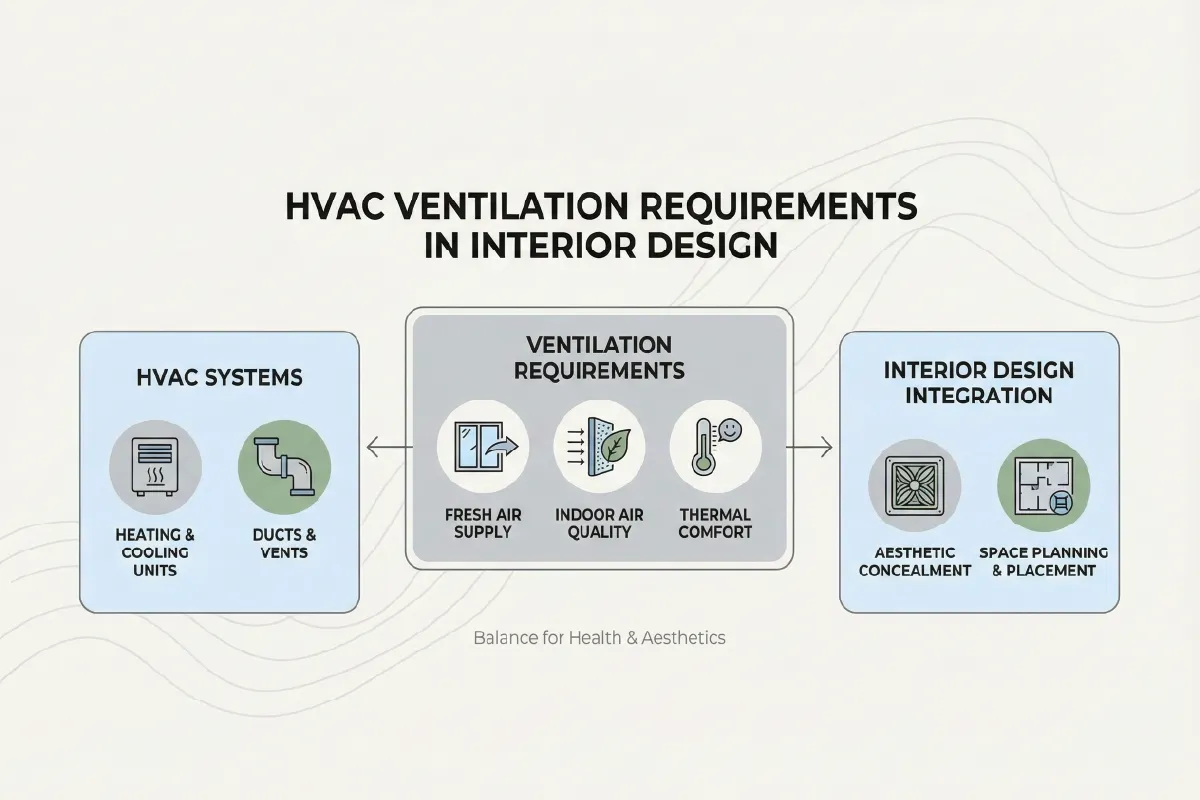
Material requirements are closely linked to space planning, lighting requirements, and HVAC and ventilation requirements. For example, flooring materials influence acoustics, wall finishes affect light reflection, and ceiling materials interact directly with mechanical and electrical services.
Why Material Selection Is Critical
Material selection is critical because materials form the physical interface between occupants and the interior environment. Poor material choices lead to rapid deterioration, safety risks, discomfort, and increased maintenance costs.
In residential interiors, incorrect material selection often results in staining, cracking, or premature wear. In commercial interiors, material failures can disrupt operations, create safety concerns, and require costly downtime for repairs.
- Materials directly affect durability and lifespan
- They influence safety, slip resistance, and fire behavior
- They impact acoustics, lighting performance, and comfort
- They determine long term maintenance requirements
From experience, many post handover issues arise from material choices that were made based on appearance alone, without proper consideration of performance and regulatory and compliance requirements.
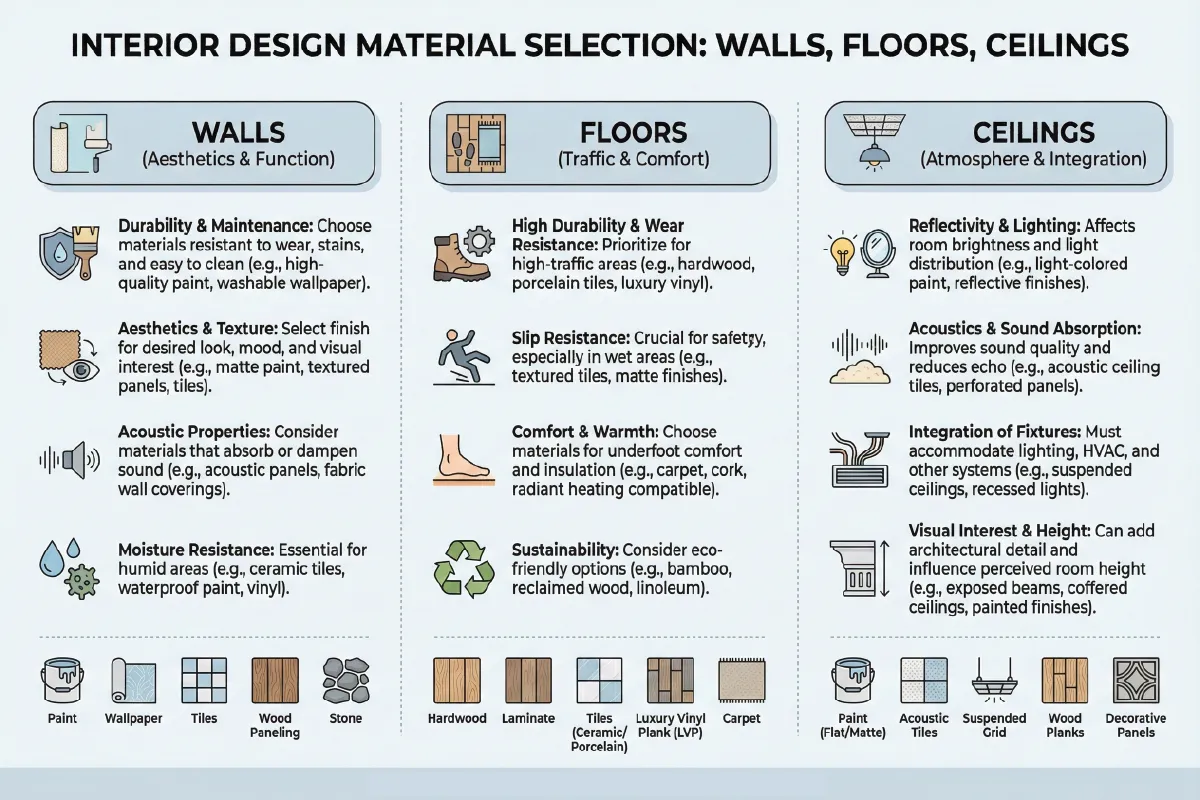
Material Requirements For Interior Walls
Interior wall materials must balance durability, maintenance, and visual impact. Walls experience frequent contact, cleaning, and exposure to light, making material performance essential.
Common wall material requirements include resistance to impact, ease of cleaning, color stability, and compatibility with lighting conditions. In high traffic areas, wall finishes must withstand repeated contact without visible damage.
- Resistance to scratches and abrasion
- Ease of cleaning and maintenance
- Compatibility with lighting and glare control
- Fire and safety performance where required
Wall materials in commercial interiors often require higher durability standards than residential spaces due to increased usage and cleaning frequency.
Material Requirements For Interior Floors
Flooring materials experience the highest level of wear in any interior space. Flooring requirements focus on durability, slip resistance, comfort, acoustics, and long term maintenance.
In residential interiors, flooring materials must support comfort and daily living, while in commercial spaces they must withstand heavy foot traffic and equipment movement without rapid degradation.
Floor material selection also affects sound transmission, thermal comfort, and overall user experience, making it one of the most critical interior decisions.
Material Requirements For Interior Ceilings
Interior ceiling materials play a critical role in visual comfort, acoustics, lighting integration, and coordination with mechanical and electrical systems. Ceiling material requirements focus on performance rather than decoration alone.
Ceilings often accommodate lighting fixtures, air conditioning diffusers, fire systems, and access panels. Materials must therefore allow for integration, maintenance access, and long term stability without sagging or discoloration.
- Compatibility with lighting and HVAC systems
- Acoustic performance where noise control is required
- Dimensional stability over time
- Ease of maintenance and access
In commercial interiors, ceiling materials frequently serve functional roles such as sound absorption and service concealment, making performance requirements more stringent than in residential spaces.
Residential And Commercial Material Differences
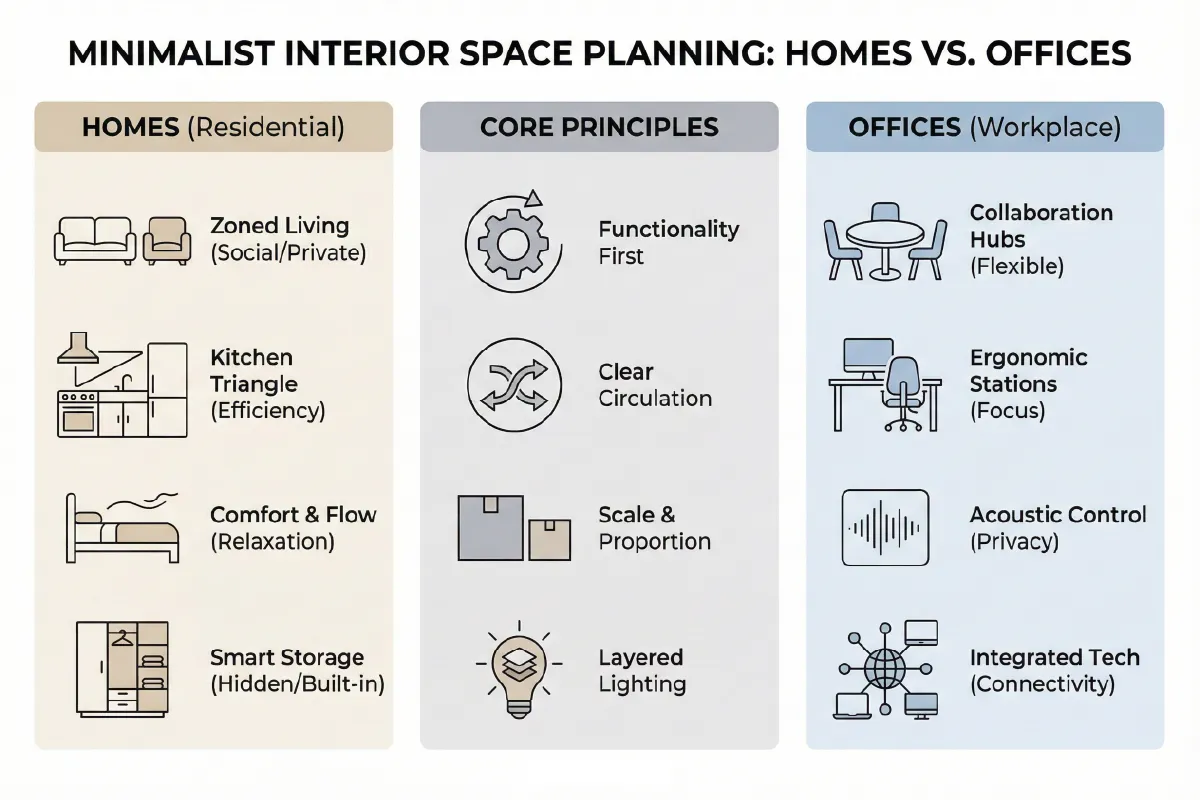
Although similar materials may be used in residential and commercial interiors, the performance expectations differ significantly. Understanding these differences prevents premature wear and operational issues.
| Aspect | Residential Interiors | Commercial Interiors |
|---|---|---|
| Durability | Moderate Daily Use | High Traffic And Continuous Use |
| Maintenance | Periodic Cleaning | Frequent Professional Cleaning |
| Safety Requirements | Basic Residential Standards | Stricter Fire And Slip Resistance |
| Material Lifespan | Long Term Comfort Focus | Performance And Cost Efficiency |
Applying residential grade materials in commercial spaces often leads to rapid deterioration and increased maintenance costs.
Functional Material Selection By Space Type
Material requirements vary depending on how each interior space is used. Selecting materials based on space function ensures safety, comfort, and longevity.
| Space Type | Primary Material Focus | Key Requirement |
|---|---|---|
| Living Rooms | Wall And Floor Finishes | Comfort And Visual Quality |
| Kitchens | Flooring And Wall Cladding | Stain And Moisture Resistance |
| Bathrooms | Wall And Floor Surfaces | Water And Slip Resistance |
| Offices | Flooring And Ceiling Systems | Durability And Acoustics |
| Corridors | Wall And Floor Materials | Impact Resistance |
Aligning material selection with space function minimizes wear and improves user experience across the interior.
Safety And Compliance Considerations
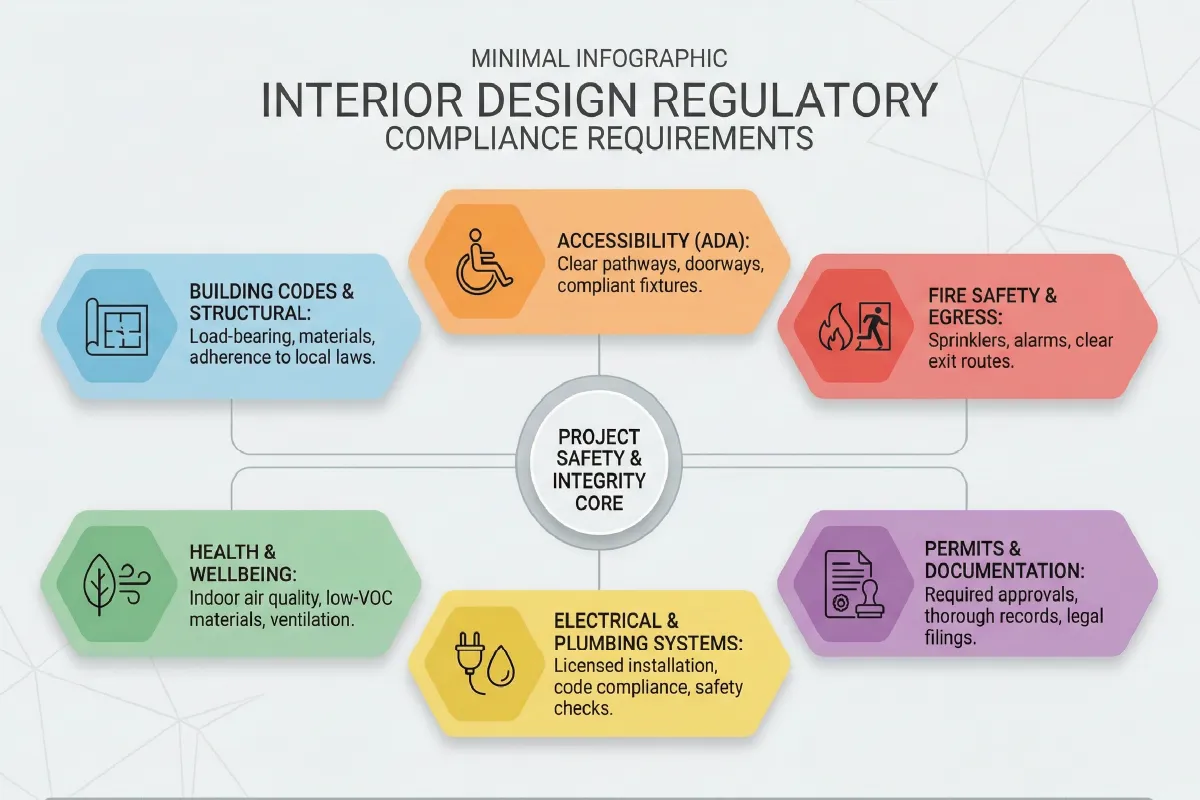
Safety and compliance are fundamental material selection requirements in interior design. Materials must not only perform visually and functionally but also meet safety expectations related to fire behavior, slip resistance, and indoor environment quality.
In commercial interiors, safety requirements are often mandated by authorities, while in residential interiors they directly affect occupant well being. Selecting compliant materials early helps prevent redesign and approval delays.
- Fire performance suitability for walls, floors, and ceilings
- Slip resistance for wet or high traffic areas
- Material stability under temperature and humidity changes
- Compatibility with local building and safety regulations
Ignoring safety considerations during material selection can result in serious operational and legal consequences, especially in public and commercial spaces.
Durability And Maintenance Strategy
Durability and maintenance requirements ensure that interior materials remain functional and presentable over time. Materials should be evaluated based on expected wear, cleaning frequency, and long term appearance retention.
In high use areas, materials must tolerate repeated cleaning and physical contact without fading, cracking, or surface degradation. In lower use residential spaces, comfort and aesthetics may take priority over extreme durability.
A clear maintenance strategy allows designers and clients to balance initial cost with long term performance, avoiding frequent replacements.
Common Material Selection Mistakes
Many material related issues stem from decisions made without considering real usage conditions. Recognizing common mistakes helps prevent costly post completion corrections.
- Selecting materials based on appearance alone
- Ignoring cleaning and maintenance requirements
- Using residential grade materials in commercial spaces
- Overlooking compatibility with lighting and acoustics
- Failing to consider long term wear and replacement cycles
Avoiding these mistakes improves both the functional performance and lifespan of interior materials.
Practical Material Selection Insight
Consider a commercial office interior where decorative wall panels were selected without evaluating durability. Within months, surface damage appeared in circulation areas. By reassessing material requirements, impact resistant wall finishes were introduced in high traffic zones while decorative materials were retained in controlled areas.
This adjustment reduced maintenance costs and preserved visual quality, demonstrating how performance based material selection improves outcomes.
Frequently Asked Questions
Why Are Material Selection Requirements Important In Interior Design
Material selection requirements ensure that walls, floors, and ceilings perform safely, last longer, and support daily use without excessive maintenance or premature failure.
Do Residential And Commercial Interiors Use The Same Materials
Some materials may look similar, but commercial interiors generally require higher performance grades due to heavier usage and stricter safety requirements.
When Should Material Selection Be Finalized
Material selection should be finalized after space planning and technical coordination but before execution begins to avoid redesign and approval delays.
Can Material Selection Affect Lighting And Acoustics
Yes. Material surfaces influence light reflection, glare, sound absorption, and overall comfort, making coordination essential.
Key Takeaways
- Material Selection Is Performance Based: Materials must support function, safety, and durability.
- Walls Floors And Ceilings Differ: Each surface has distinct performance requirements.
- Residential And Commercial Needs Vary: Usage intensity determines material standards.
- Maintenance Matters: Long term upkeep should guide material choices.
- Early Decisions Reduce Risk: Correct selection prevents costly future corrections.
References
- Interior material performance guidelines
- Commercial interior durability standards
- Residential interior material best practices