The Design Pulse of Qatar
If you’ve ever stepped into a Qatari home or a high-end commercial space in Doha, you’ve likely noticed something remarkable - an effortless blend of tradition and modernity. In Qatar, interior design isn’t just about aesthetics; it’s a narrative of identity, culture, and vision. As an interior designer who has witnessed the evolution of Qatari spaces firsthand, I can tell you that this country’s design landscape is among the most dynamic in the region.
Over the past decade, Qatar has transformed from a desert peninsula into a modern design hub - where architecture speaks of ambition and interiors whisper refinement. Whether we’re talking about luxury penthouses in The Pearl, minimalist villas in Lusail, or sophisticated hospitality spaces in West Bay, interior design in Qatar has matured into an art form deeply rooted in cultural respect and global sophistication.
So, let’s explore what makes Qatari interior design unique - from modern trends to traditional influences and timeless inspirations shaping 2025 and beyond.
Modern Interior Design Trends in Qatar
1. Sustainable and Eco-Conscious Design
In Qatar, sustainability is no longer a buzzword - it’s a movement. With the nation’s commitment to environmental responsibility, many homeowners and developers are prioritizing eco-friendly materials, energy-efficient lighting, and smart design systems.
For instance, I recently worked on a villa project in Lusail where we integrated solar shading panels, water-efficient fixtures, and locally sourced limestone flooring. The result? A home that not only looked elegant but also reduced energy consumption by nearly 25%.
Key takeaway: Sustainable design in Qatar balances comfort, aesthetics, and conscience.
2. The Rise of Minimal Luxury
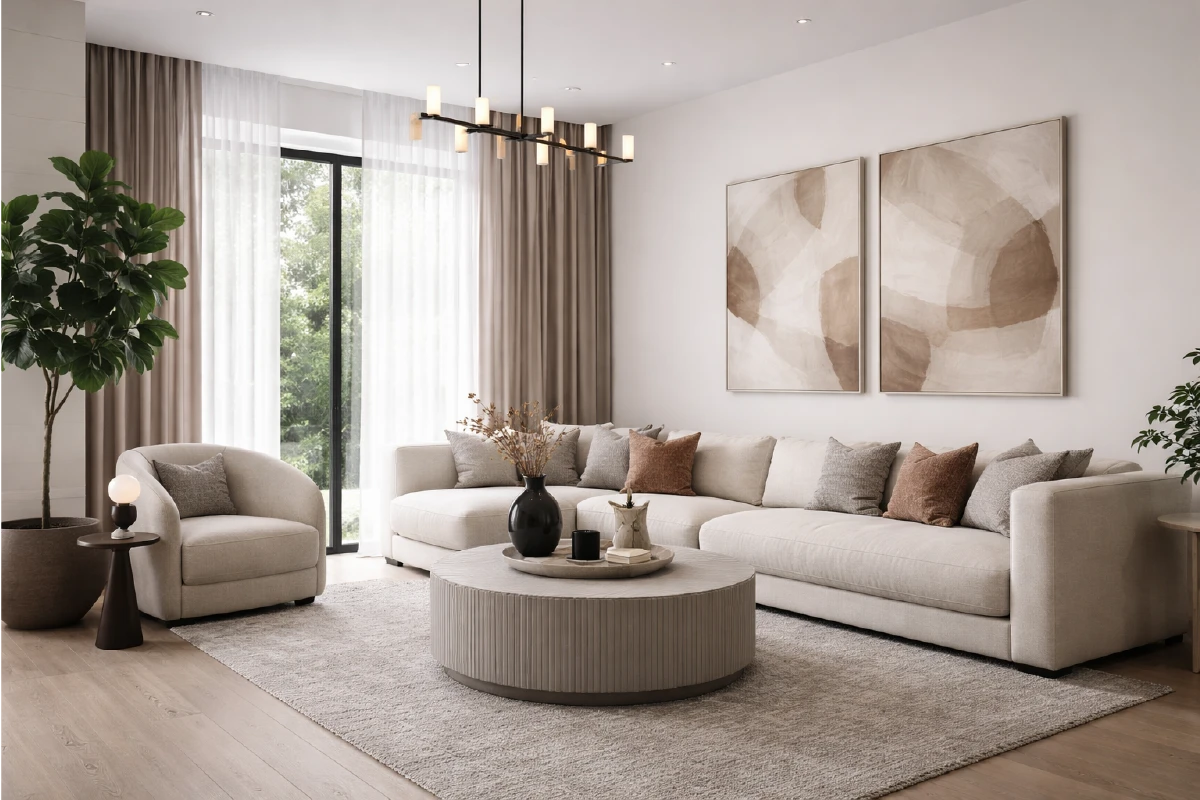
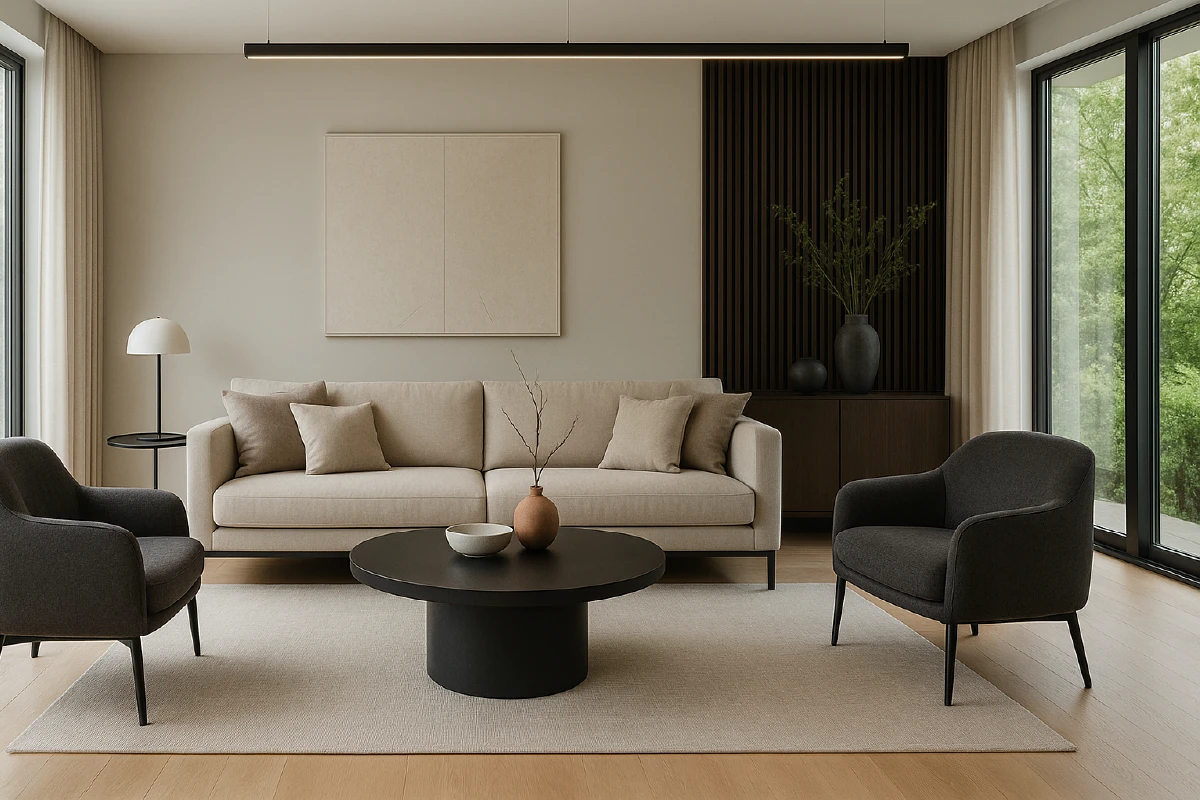
Qatar’s elite is increasingly drawn to “minimal luxury” - a design philosophy where simplicity meets sophistication. Think sleek lines, uncluttered layouts, and premium materials like marble, brass, and oak.
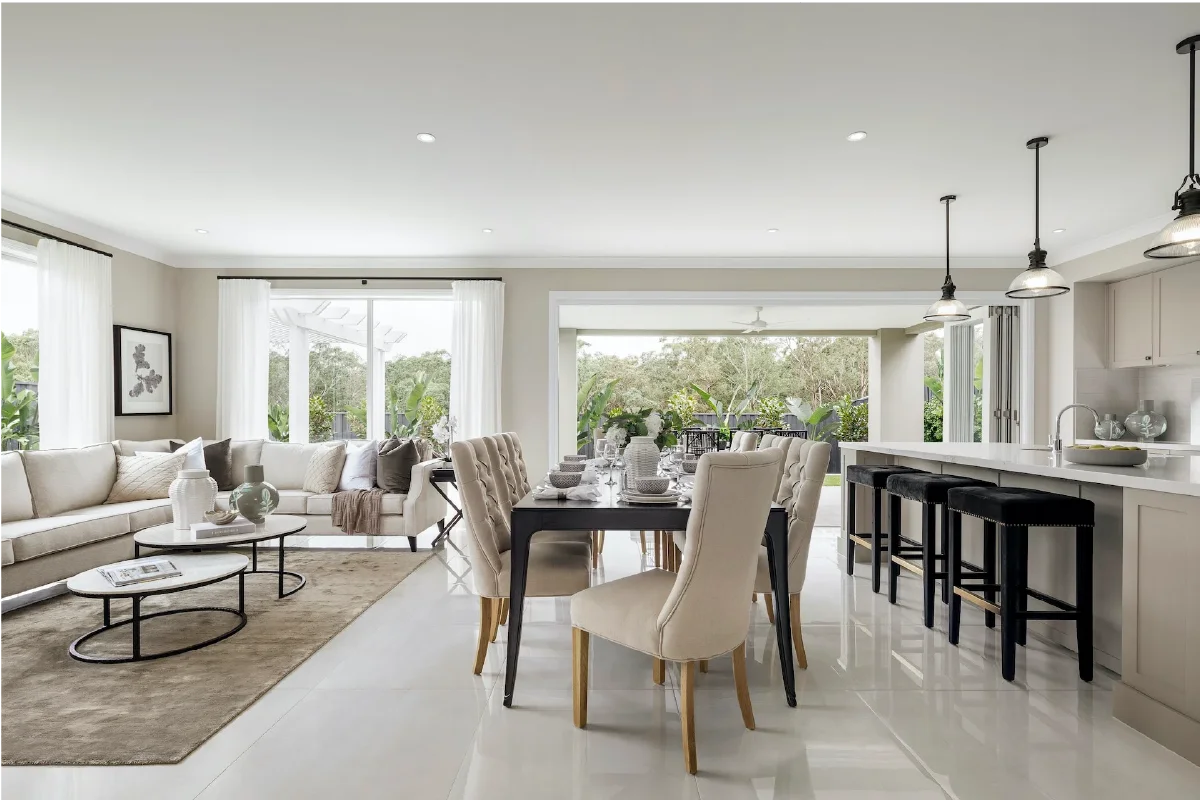
You might be surprised to know that many Qatari families are now opting for open-plan living rooms with integrated majlis-style seating, combining social tradition with modern design fluidity.
Inspiration Tip: Keep color palettes neutral - beige, ivory, and sand tones echo Qatar’s natural desert beauty - while accenting with metallics or art pieces that bring depth and individuality.
3. Smart Homes and Technology Integration
If you’ve been following architectural developments in Doha, you’ve likely heard about the growing smart home trend. From voice-activated lighting to climate-controlled interiors, modern Qatari homes are becoming increasingly AI-assisted and tech-driven.
For example, in commercial office fit-outs, designers often integrate sensor-based systems to optimize lighting and air conditioning. These innovations enhance not only efficiency but also comfort - two non-negotiables for Qatar’s modern clientele.
4. Biophilic Design and Natural Elements
As Qatar urbanizes rapidly, many designers (including myself) are finding inspiration in nature. Biophilic design - bringing the outdoors in - is now central to many interior projects.
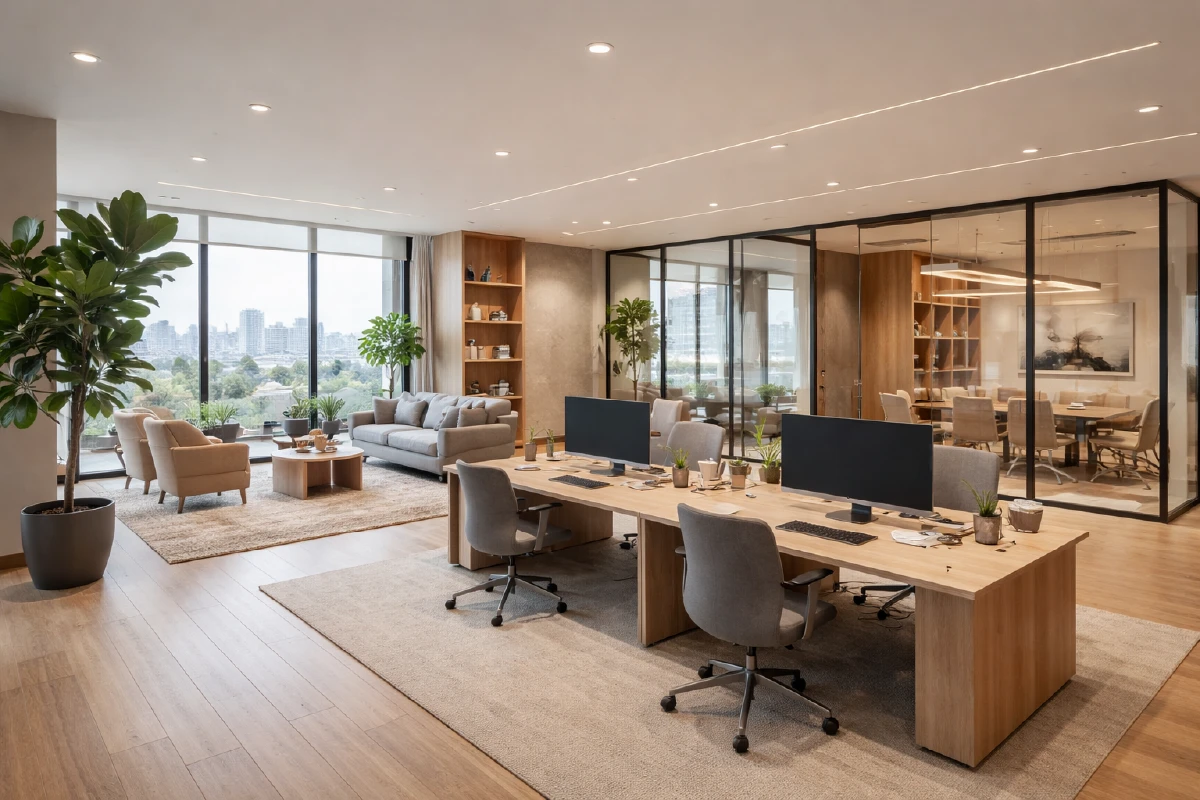
Elements such as indoor gardens, natural stone walls, vertical greenery, and large glass façades are helping urban dwellers reconnect with serenity amid the city’s pace.
When a Doha apartment uses natural light and local materials, it does more than beautify the space - it creates harmony between human and habitat.
5. Cultural Fusion - Tradition Meets Modernity
Qatar’s cultural heritage remains the heartbeat of its interior design scene. The modern Qatari interior often integrates traditional Arabic patterns, calligraphic art, and mashrabiya motifs within sleek, contemporary frameworks.
In one of my Doha projects, we used carved wooden panels behind a marble reception desk - merging Arabic craftsmanship with modern minimalism. It’s these subtle gestures that preserve cultural authenticity without overwhelming the modern aesthetic.
Regional Styles Defining Qatar’s Interior Identity
1. The Modern Majlis
Let’s talk about something quintessentially Qatari - the majlis. Once a purely traditional sitting area, it has now evolved into a hybrid social space blending modern furniture with regional sensibilities.
Designers today are experimenting with modular seating, hidden lighting, and textured wall finishes that make the majlis both elegant and functional. Imagine walking into a space where Arabian hospitality meets minimalist geometry - that’s the new Qatari majlis.
2. Luxury in Simplicity
Qatar’s definition of luxury has matured. It’s no longer about excessive opulence but about refinement, proportion, and craftsmanship. You’ll often find handwoven rugs from Iran, Italian marble floors, and custom Arabic calligraphy artworks that subtly narrate sophistication.
Tip: In Qatar, quality craftsmanship often outshines flashy ornamentation.
3. Hospitality and Commercial Spaces
Doha’s hotels, lounges, and cafes are architectural masterpieces in themselves. The hospitality design sector has embraced experiential interiors - spaces that immerse guests in art, light, and texture.
Think of the Museum of Islamic Art or National Museum of Qatar - both are not just architectural marvels but sources of design inspiration for private and commercial spaces alike.
Materials, Colors, and Inspirations from Qatar’s Essence
Color Palettes Reflecting Desert and Sea
Qatar’s geography offers an extraordinary palette - sand dunes, coral seas, and soft sunsets inspire designers to use beige, ivory, taupe, aqua, and gold hues.
When designing coastal villas, we often draw from the turquoise of the Arabian Gulf and the warm glow of desert sand - colors that evoke balance and serenity.
Material Choices Rooted in Place
You’ll notice a surge in the use of natural materials: limestone, travertine, onyx, and local marble. Paired with handcrafted metalwork and Arabesque lighting fixtures, they reflect Qatar’s rich design DNA while aligning with global sustainability goals.
Inspiration: Reclaimed wood furniture and woven palm elements are gaining traction - they bring a rustic charm and sustainability edge to Luxury interiors.
Lighting as a Design Language
Lighting plays a dramatic role in Qatari interiors. From ambient LED coves to artisanal pendant lamps, lighting is treated as both art and architecture.
One rule I often share with clients: Lighting defines emotion. The right layering - task, accent, and ambient - can transform even a minimal space into a warm, inviting sanctuary.
Practical Design Insights for Homeowners in Qatar
- Prioritize climate-appropriate materials: Qatar’s humidity and heat can affect finishes. Use high-quality paints, treated woods, and UV-resistant fabrics.
- Embrace natural ventilation and insulation: Strategic window placement and insulation can reduce cooling costs.
- Integrate traditional touches thoughtfully: A single carved panel or Arabic pattern can connect your home to its roots without overpowering modern design.
- Invest in local artisans: Qatar’s craft industry is blossoming - from metalworkers to furniture designers - supporting them enhances authenticity.
- Plan for flexibility: Modern Qatari homes often need multi-functional spaces for family, work, and guests - modular furniture and smart zoning help achieve that balance.
Challenges in Modern Interior Design in Qatar
Even in a booming design scene, challenges persist:
- Balancing tradition and innovation: Finding the right proportion of Arabic motifs in modern layouts can be complex.
- Climate resilience: Materials must withstand Qatar’s heat while maintaining visual integrity.
- Space optimization: High-density urban apartments require smart, Space-Saving Designs.
- Import dependency: Many materials are imported, making timelines and costs harder to control.
As designers, we overcome these challenges through local sourcing, adaptive planning, and client education - ensuring sustainability doesn’t compromise luxury.
Future of Interior Design in Qatar
Qatar’s vision for the future is clear: design spaces that mirror its modern aspirations while preserving its soul. We’re seeing a growing interest in parametric design, smart energy modeling, and art-integrated architecture.
Moreover, as the younger generation of Qatari designers steps forward, we can expect a new wave of digital craftsmanship - where 3D printing, augmented reality, and cultural storytelling converge to redefine interiors.
In essence, The Future of Interior Design in Qatar is one of balance - between innovation and identity, between global influence and local authenticity.
FAQs on Interior Design in Qatar
1. What makes interior design in Qatar unique?
2. Which colors are trending in Qatari interiors?
3. Are sustainable materials easily available in Qatar?
4. What are the key design styles in Qatar right now?
5. How do designers address Qatar’s climate in their work?
6. Is smart home technology common in Qatari homes?
7. What is the role of traditional craftsmanship in modern interiors?
8. Can small apartments in Doha also have great interior design?
9. How do expats approach interior design in Qatar?
10. What’s the future trend for Qatar’s interiors?
At The End: Qatar’s Design Future is Personal and Purposeful
If there’s one thing I’ve learned as a designer in Qatar, it’s that every interior tells a story - a dialogue between past and present, luxury and simplicity, culture and innovation.
Interior design in Qatar today isn’t about following global trends blindly; it’s about redefining them through Qatari values - hospitality, elegance, and balance. As we move toward smarter, more sustainable lifestyles, one truth remains constant: design is not about decoration, but about how we experience life within the spaces we create.