Super Fitout helps homeowners in Qatar plan residential interior projects by connecting them with independent interior designers and fit-out professionals through a structured digital marketplace. Among all spaces in a home, the living room often carries the greatest emotional and functional importance.
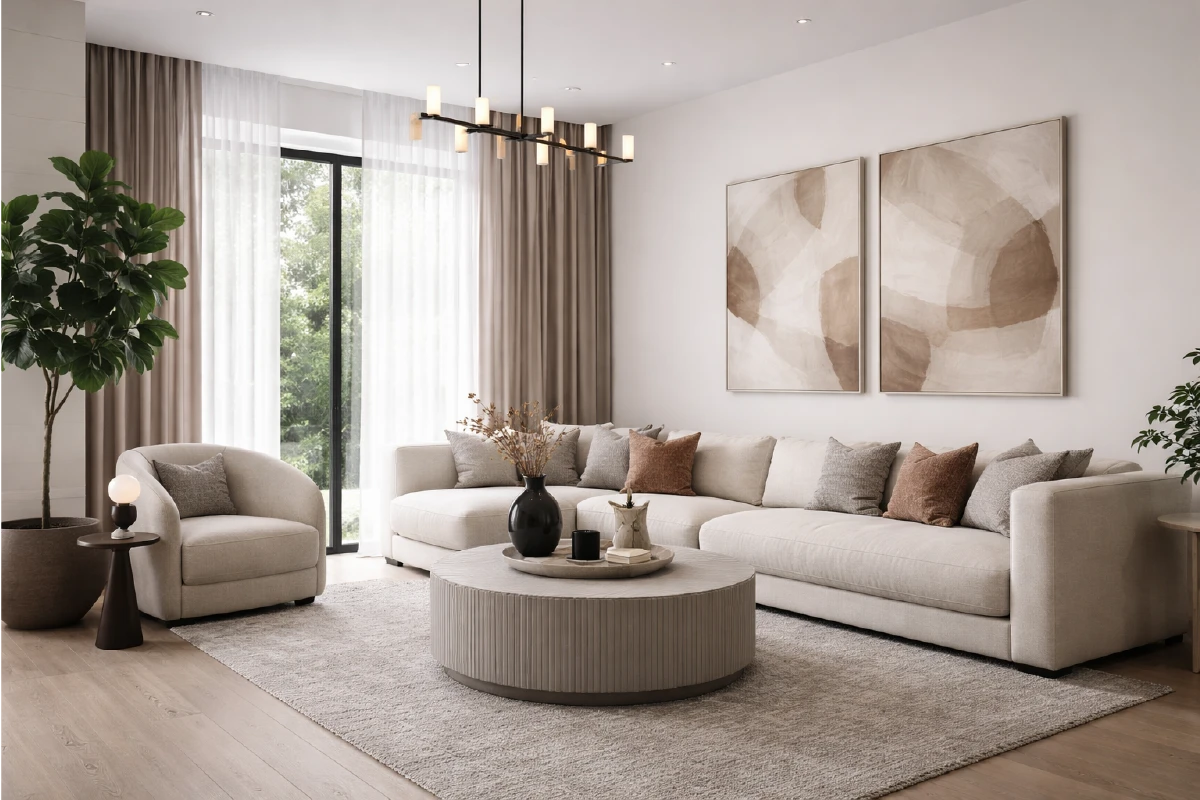
The living room is more than a place to sit. It is where families gather, guests are welcomed, and everyday routines unfold. Because it serves multiple purposes, living room design plays a central role in defining the overall character of a home’s interior. This guide explores simple, practical ways to transform a living room into a space that feels comfortable, balanced, and personal—without unnecessary complexity.
Why the Living Room Matters in Home Interior Design
The living room is often the first interior space people experience when entering a home. It sets expectations for comfort, style, and functionality across the rest of the house.
From a practical perspective, living rooms must accommodate different activities such as relaxing, entertaining, watching television, or spending time with family. A well-designed space supports these functions while remaining visually cohesive.
Even modest updates—such as improved layout, lighting, or furniture choices—can significantly enhance how a living room feels and functions on a daily basis.
Choosing the Right Interior Style for Your Living Room
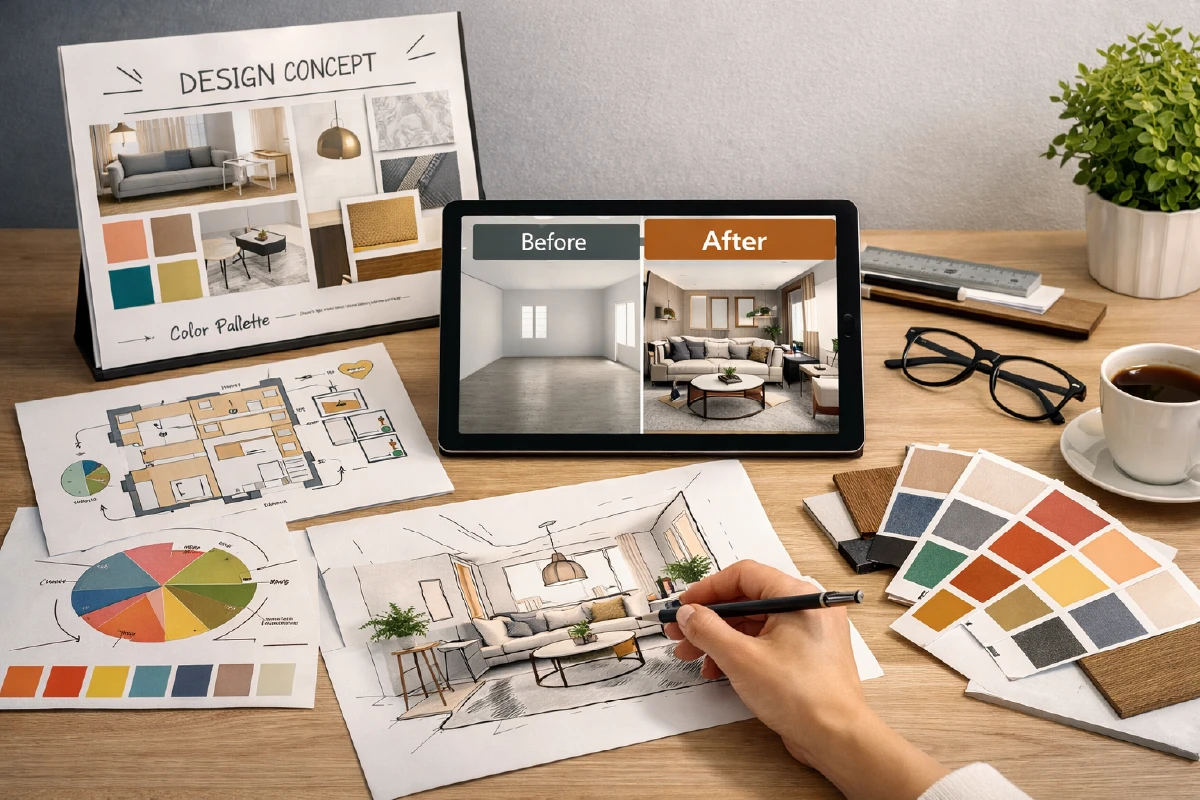
Before selecting furniture or finishes, it helps to define a clear interior style direction. This creates consistency and prevents the space from feeling visually fragmented.
Common living room interior styles include:
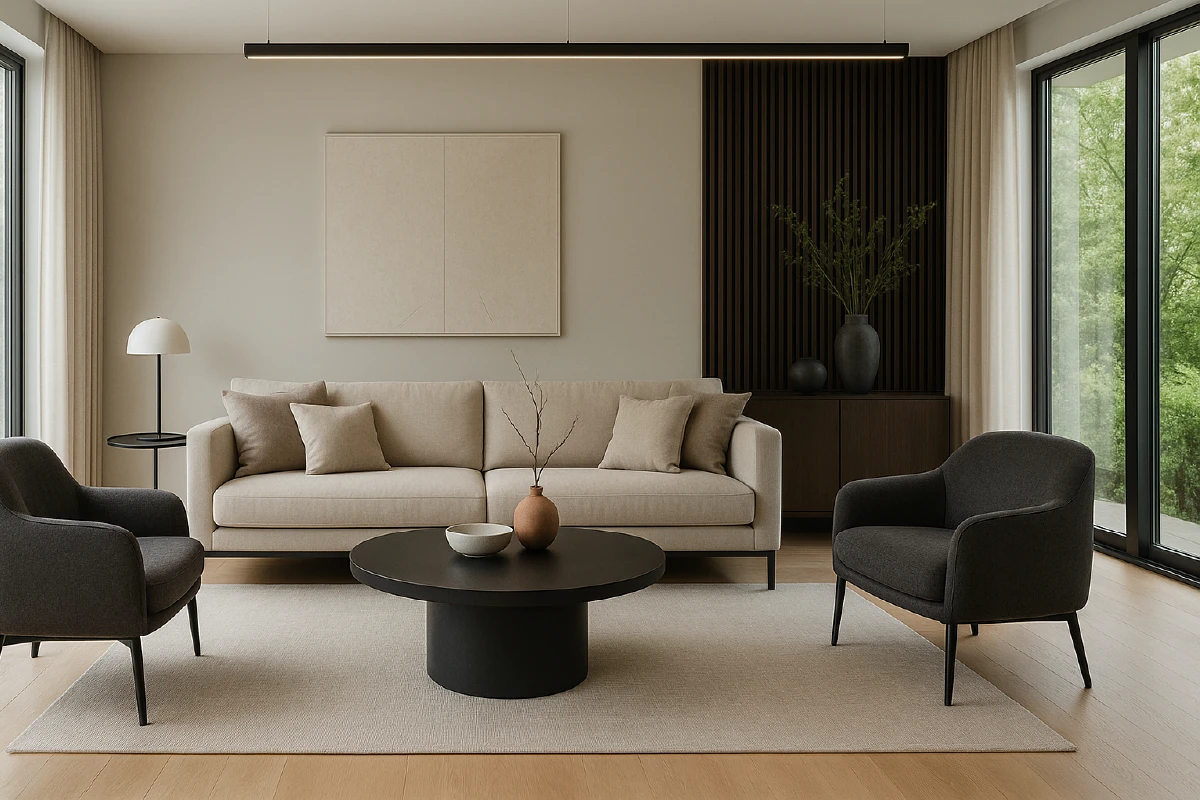
- Modern Minimalism: Clean lines, neutral colours, and uncluttered layouts that prioritise simplicity and function.
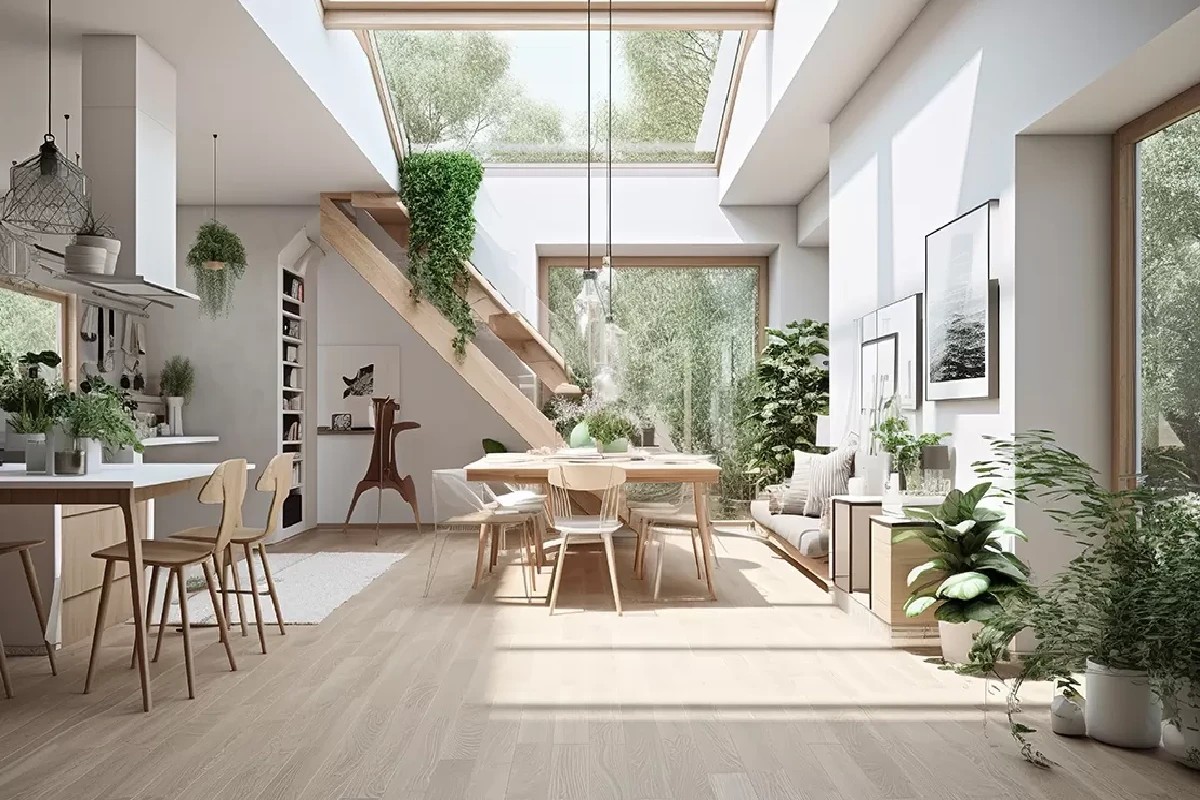
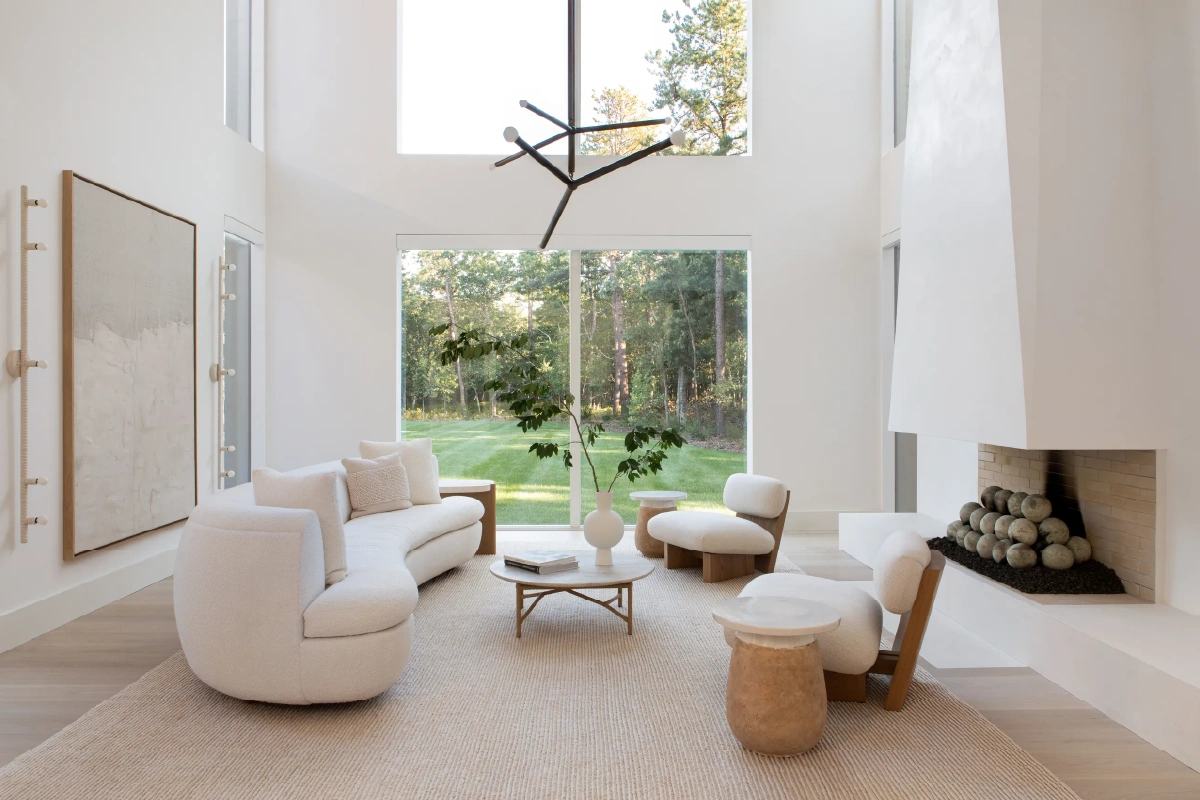
- Scandinavian Style: Light tones, natural materials, and practical furniture that create a calm, welcoming atmosphere.
- Bohemian Interiors: Layered textures, mixed patterns, and earthy colours that add personality and warmth.
- Traditional Living Rooms: Balanced layouts, rich materials, and classic detailing that offer a timeless feel.
Selecting one primary style does not prevent personal expression. Instead, it provides a foundation that makes individual choices feel intentional rather than random.
Creating a Functional Living Room Layout
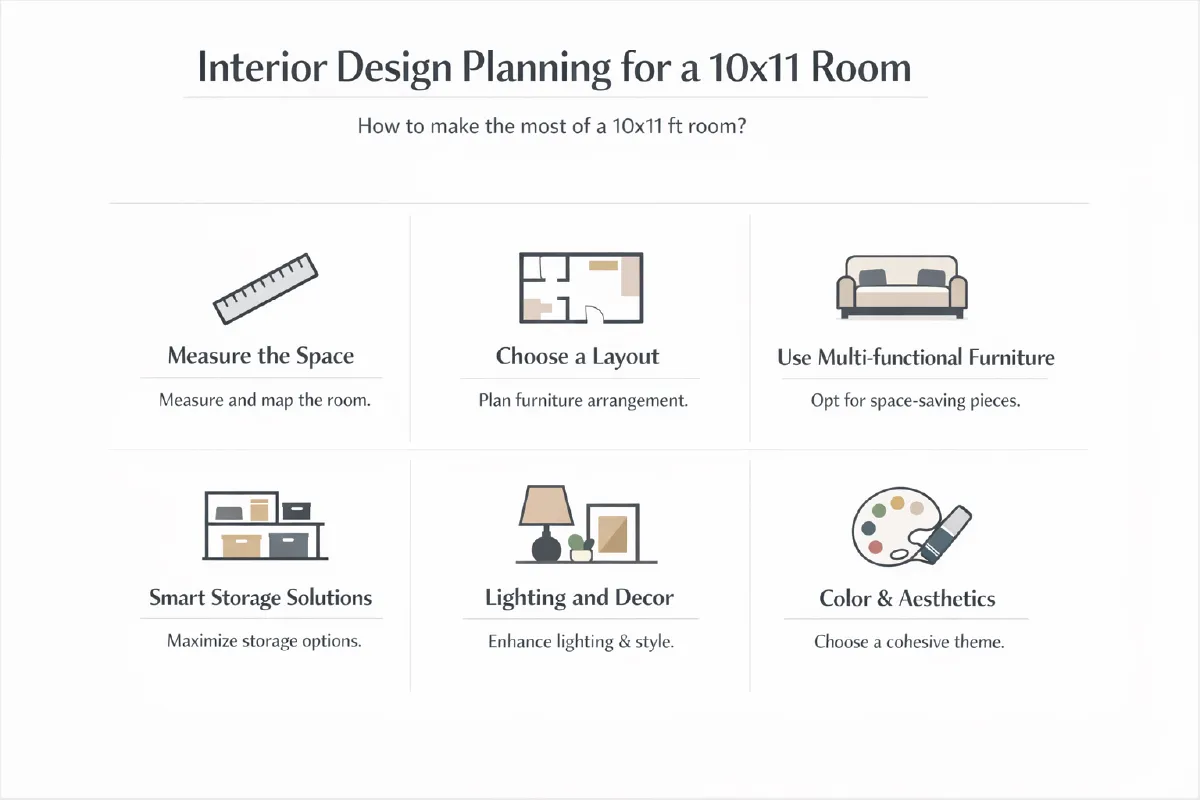
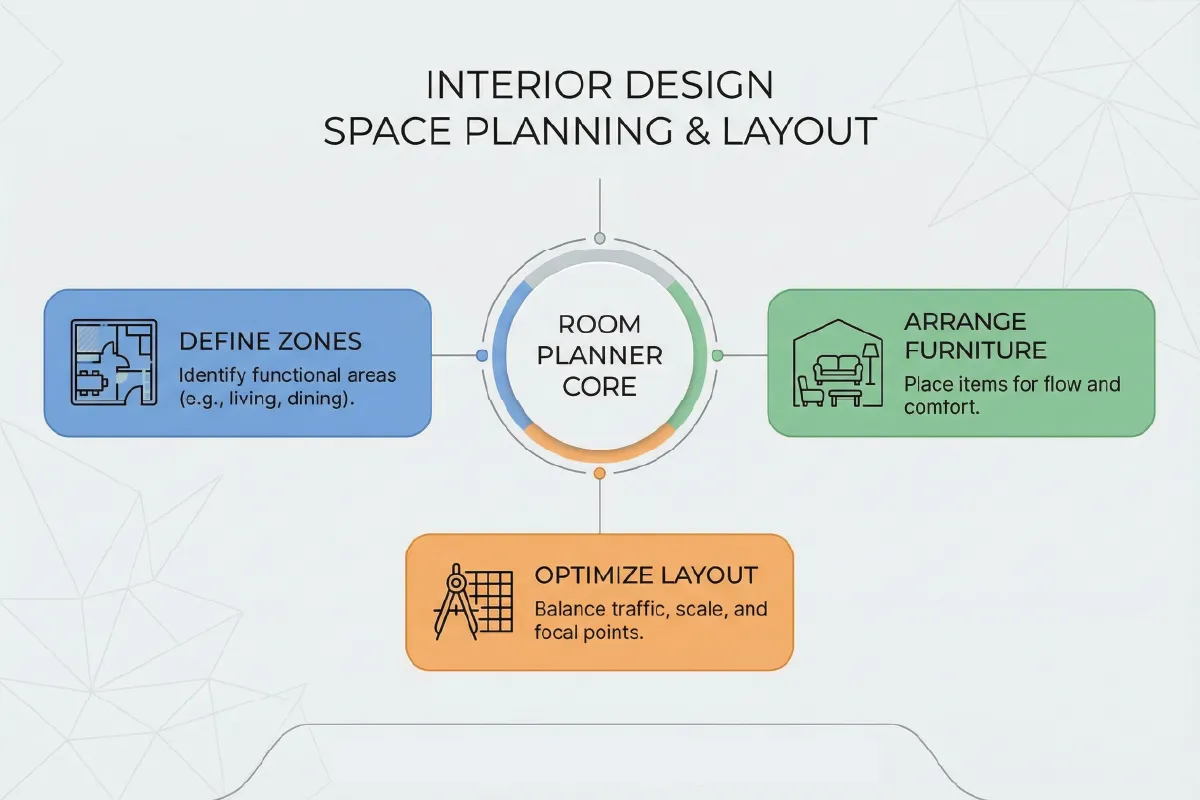
Layout is one of the most important aspects of living room design. A visually attractive room may still feel uncomfortable if furniture placement restricts movement or fails to support daily use.
Effective living room layouts generally focus on:
- Clear walking paths without obstruction
- Comfortable seating arrangements that encourage conversation
- Furniture scaled appropriately to room size
- Defined zones in larger spaces using rugs or lighting
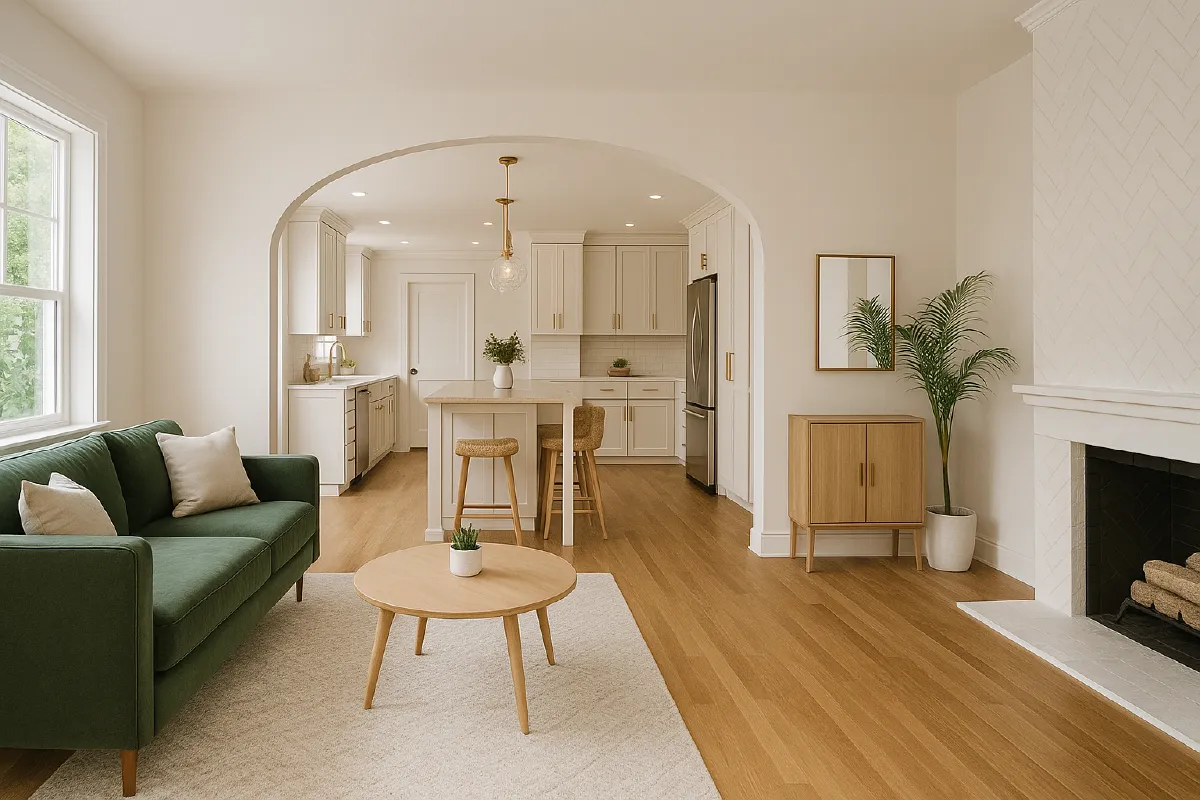
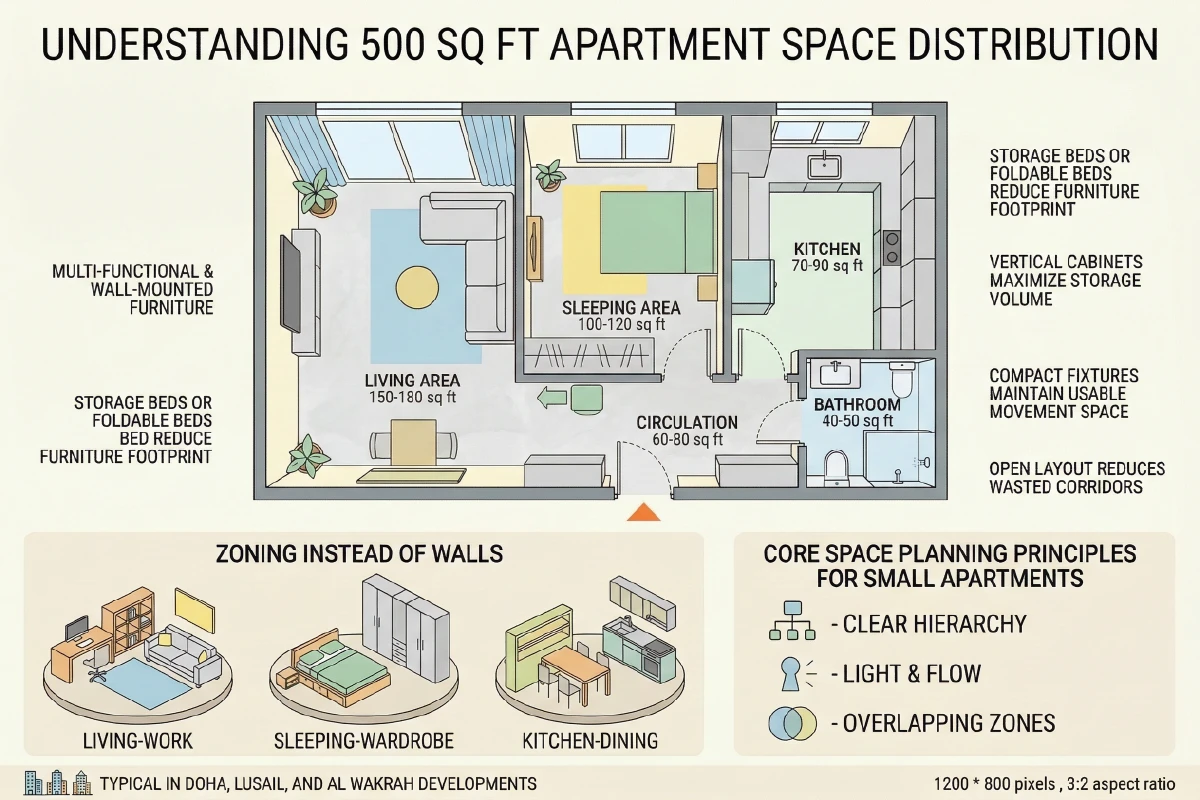
In smaller living rooms, modular or multi-functional furniture helps maximise usability without overcrowding the space.
Using Colour and Texture Effectively
Colour and texture play a key role in shaping the mood of a living room. Neutral base colours create flexibility, while layered textures add depth and visual interest.
Simple ways to introduce character include:
- Accent cushions or throws in contrasting fabrics
- Area rugs to define seating zones
- Natural materials such as wood, linen, or woven finishes
These elements allow homeowners to refresh the space periodically without making permanent changes.
Choosing the Right Furniture for Comfort and Flexibility
Furniture is the backbone of any living room. The right selection supports comfort, movement, and long-term usability while reinforcing the overall design direction.
When selecting living room furniture, homeowners should focus on:
- Proportions that suit the size of the room
- Comfortable seating suitable for daily use
- Flexible pieces that serve multiple functions
- Durable materials that age well over time
Modular sofas, nesting tables, and ottomans with hidden storage are particularly effective in modern living rooms, especially where space needs to adapt to different activities.
Lighting Strategies That Change the Feel of the Room
Lighting has a significant impact on how a living room looks and feels. A single ceiling light is rarely sufficient for creating a comfortable and visually balanced space.
A well-designed living room typically combines:
- Ambient lighting for general illumination
- Task lighting for reading or focused activities
- Accent lighting to highlight artwork or architectural features
Floor lamps, table lamps, and wall-mounted fixtures allow lighting levels to be adjusted throughout the day, supporting both relaxation and social interaction.
Using Natural Materials to Create Warmth and Balance
Material selection influences both the appearance and comfort of a living room. Natural materials introduce warmth and texture, helping spaces feel inviting rather than sterile.
Commonly used materials in well-balanced living rooms include:
- Wood finishes for furniture and shelving
- Textiles such as cotton, linen, and wool for soft furnishings
- Stone or ceramic elements for durability and contrast
- Woven or handcrafted accessories for visual interest
Mixing materials thoughtfully prevents monotony while maintaining a cohesive look across the space.
Affordable Ways to Refresh Your Living Room
Improving a living room does not always require a full renovation. Small, well-chosen updates can significantly change how a space feels.
Cost-effective upgrades include:
- Rearranging existing furniture to improve flow
- Replacing cushion covers or throws seasonally
- Adding a statement rug to define the seating area
- Introducing plants to bring colour and life indoors
These adjustments allow homeowners to experiment with design ideas while keeping changes reversible and budget-friendly.
When to Involve an Interior Designer for Your Living Room
While many living room improvements can be handled independently, certain situations benefit greatly from professional input. Interior designers help translate ideas into functional layouts, avoid costly mistakes, and ensure that design decisions work cohesively.
Homeowners often seek professional support when:
- The living room layout feels awkward or underutilised
- Multiple design styles need to be blended coherently
- Custom furniture or built-in elements are required
- Lighting, storage, and circulation need optimisation
Designers focus not only on how the room looks, but also on how it functions across daily routines, gatherings, and long-term use.
How Super Fitout Helps You Plan Living Room Interiors with Confidence
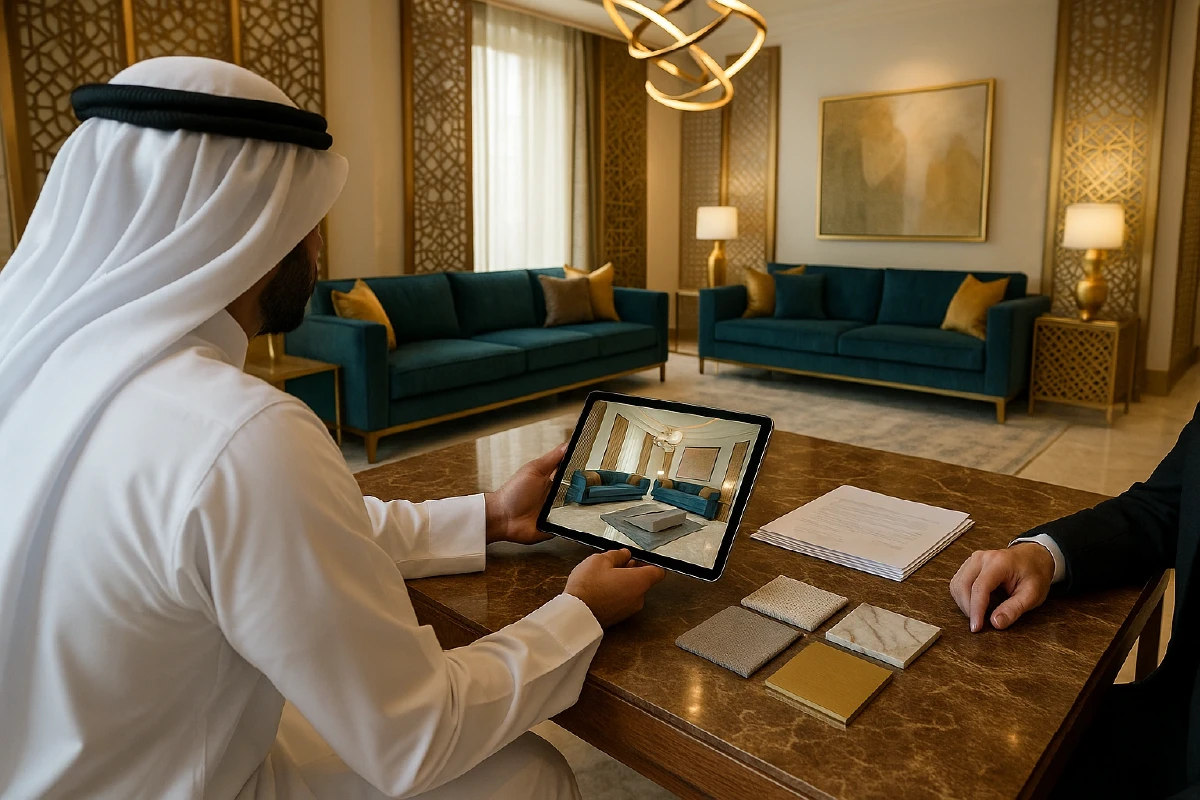
Finding the right interior professional can be challenging, especially when comparing styles, pricing, and experience. Super Fitout simplifies this process by acting as a structured digital marketplace connecting homeowners with verified interior designers and fit-out companies across Qatar.
Instead of relying on referrals or guesswork, homeowners can:
- Post detailed living room requirements
- Receive multiple proposals from qualified professionals
- Compare design approaches, budgets, and timelines
- Select the professional that best fits their vision
This comparison-driven approach allows homeowners to make informed decisions without pressure, ensuring clarity before execution begins.
Real-World Living Room Transformations
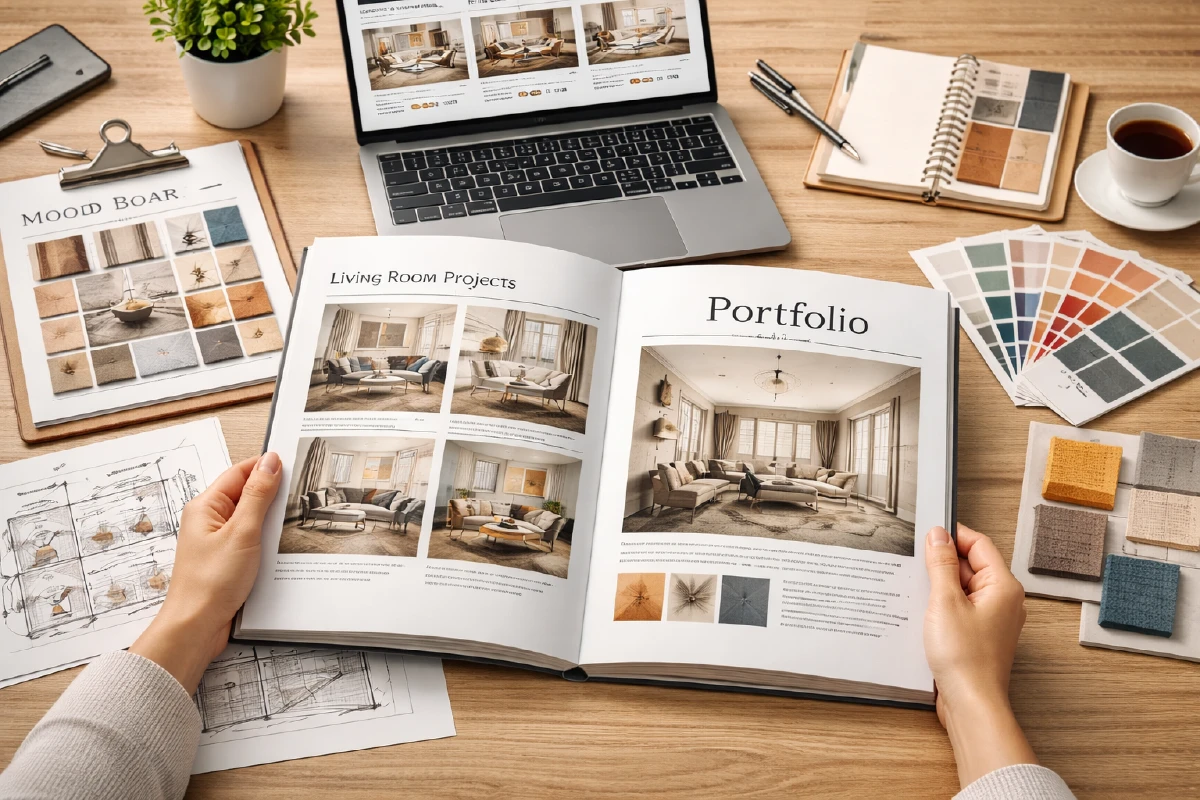
Successful living room designs often come down to thoughtful planning rather than extravagant spending. Real-world projects demonstrate how structure and intention shape outcomes.
- Compact Apartment: Improved flow achieved by repositioning seating and adding modular storage.
- Family Villa: Defined zones created for entertainment, relaxation, and reading without adding walls.
- Open-Plan Home: Visual separation achieved using rugs, lighting, and furniture orientation.
These examples highlight how design decisions, when made with clarity, deliver both comfort and visual balance.
Frequently Asked Questions
-
What is the first step in redesigning a living room?
Start by understanding how the space is currently used and what needs improvement. Function should guide all design decisions. -
Do I need an interior designer for a small living room?
Not always, but professional guidance can help maximise space efficiency and avoid layout mistakes. -
How can I redesign my living room on a limited budget?
Focus on layout changes, lighting upgrades, soft furnishings, and accessories rather than full replacements. -
Can Super Fitout help me compare designers?
Yes. Super Fitout allows homeowners to receive and compare multiple proposals before choosing a professional. -
Is there any obligation after posting a project on Super Fitout?
No. Posting a requirement does not create any obligation to proceed.
Final Thoughts on Designing a Living Room That Feels Right
A successful living room design balances comfort, function, and personal expression. Whether achieved through small updates or professional involvement, clarity in planning leads to better outcomes.
By approaching design decisions thoughtfully and using platforms like Super Fitout to compare options, homeowners can transform their living rooms with confidence and control.