Introduction: A Nation Redefining Its Aesthetic Identity
Walk into a contemporary villa in Lusail or a new office in Msheireb Downtown Doha, and a distinct design direction becomes apparent — one that blends innovation with cultural depth. Qatar’s interior landscape is undergoing a period of noticeable transformation, shaped by evolving lifestyle expectations and cultural awareness. No longer are interiors simply about luxury or imported aesthetics; they are about meaning, experience, and belonging.
Across residential and commercial developments in areas such as Doha, The Pearl, and Al Waab, interior design expectations have evolved rapidly. Spaces are increasingly viewed as reflections of personal values, social awareness, and cultural continuity rather than purely visual statements. Homeowners and professionals in Qatar are reimagining their spaces not just as visual statements but as reflections of personal values, social awareness, and cultural continuity.
The sections below explore how this evolving design direction is influencing modern living and working environments across Qatar.
The Rise of Cultural Consciousness in Design
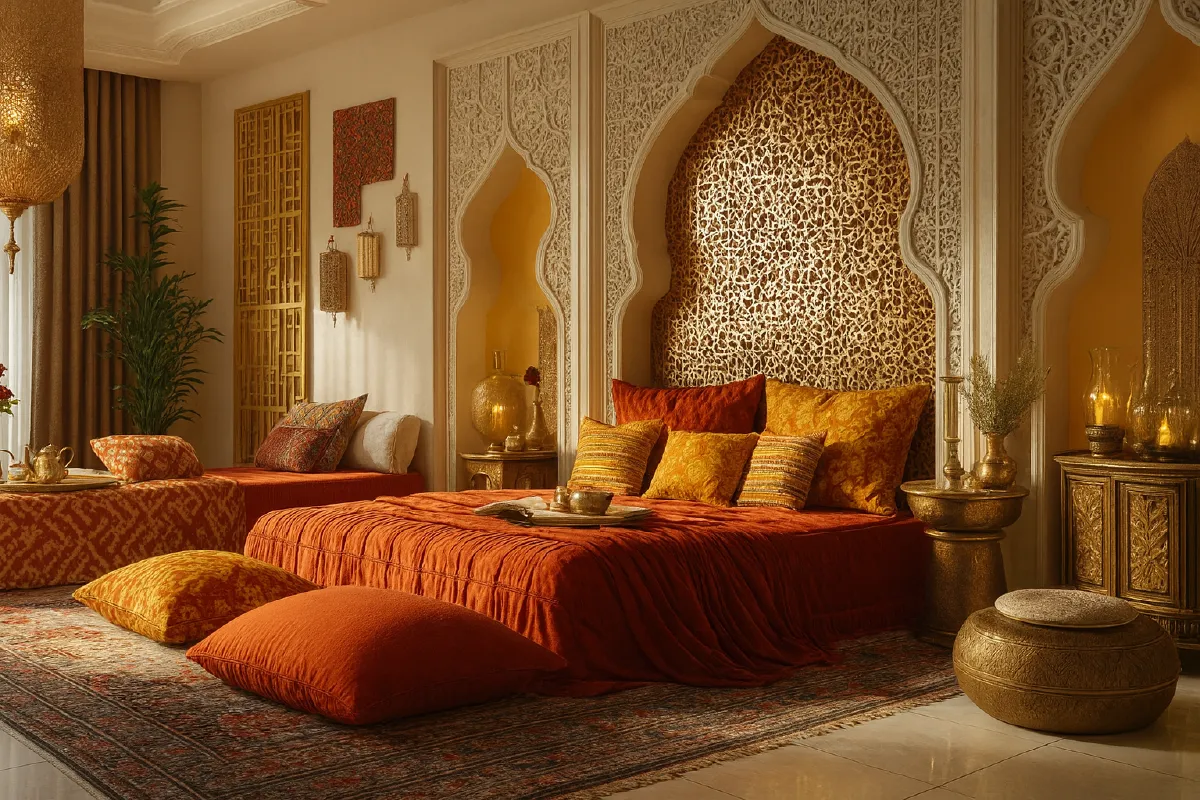
Qatar’s rapid modernization once led many to embrace Western styles , minimalism, high-gloss finishes, and ultramodern furniture. Today, however, there is a growing movement toward design that feels locally rooted. Clients want to see Qatari textures, motifs, and materials embedded within contemporary layouts.
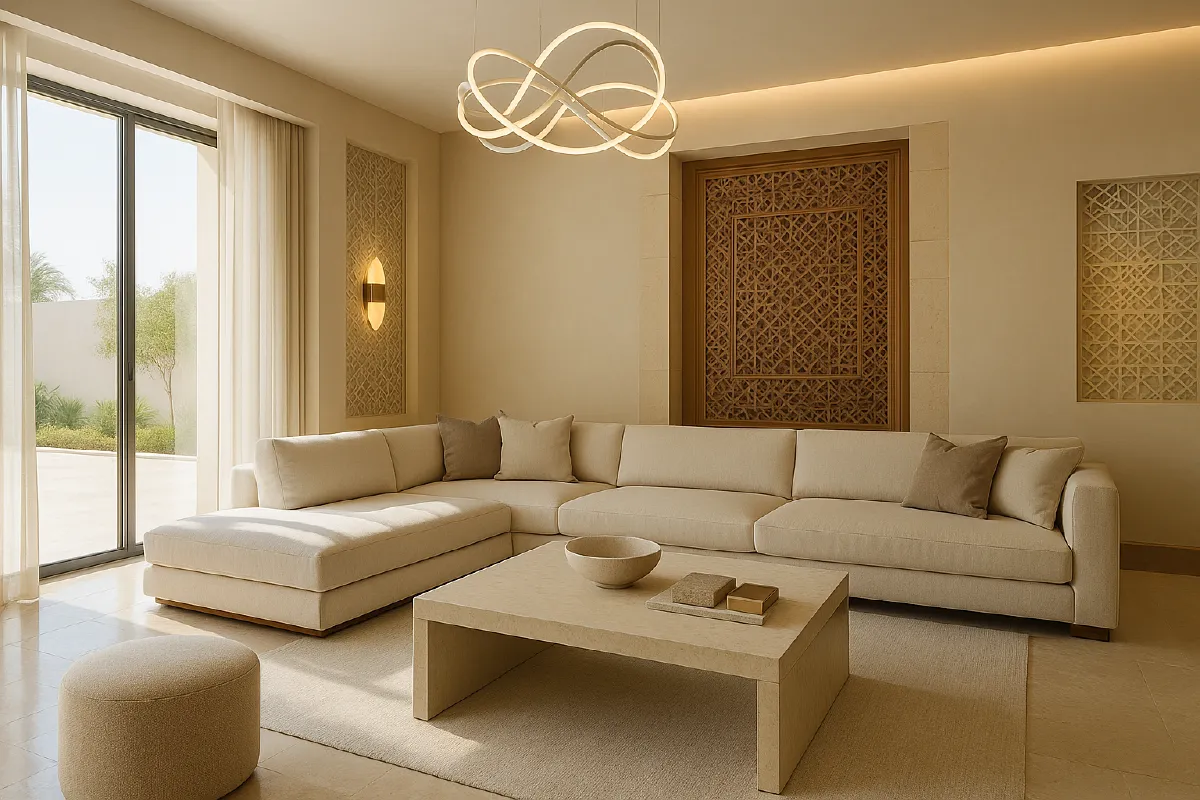
In residential renovations across areas such as Al Thumama, mashrabiya-inspired panels are increasingly being reintroduced as functional design elements. These features provide privacy while allowing soft light diffusion, reflecting principles of traditional Gulf architecture within contemporary layouts.
Key Takeaway:
Cultural identity is not nostalgia; it is the foundation upon which modern Qatari interiors are being redefined.
Modern Arabic Minimalism: Simplicity with Soul
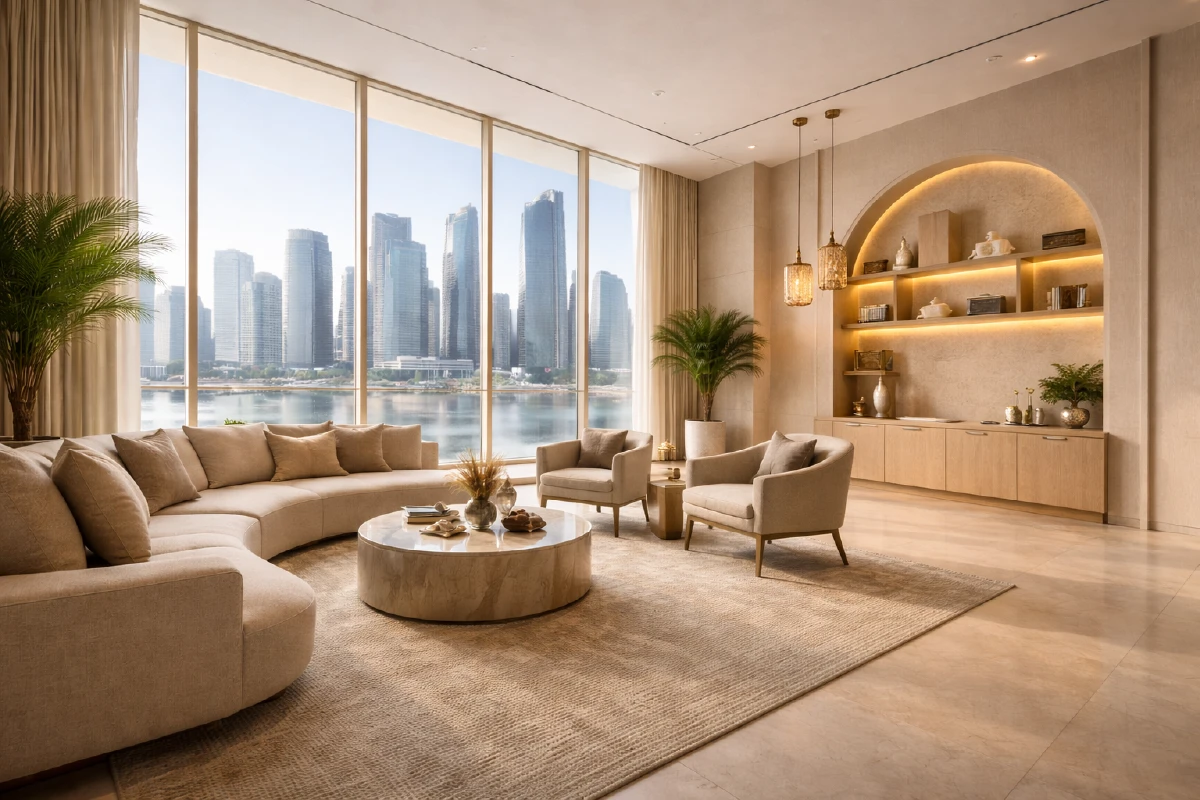
Minimalism has long been associated with Scandinavian or Japanese styles. But in Qatar, it’s taking on a new dimension - modern Arabic minimalism - where simplicity meets spirituality.
Imagine an open-plan majlis with natural stone floors, sand-toned walls, and soft linen upholstery. Add handcrafted wooden screens featuring delicate Islamic geometry, and you’ve created an atmosphere of serenity.
This design approach values restraint and authenticity. It replaces ornamentation with craftsmanship and clutter with clarity.
Design Tips for Homeowners:
- Choose warm neutrals such as ivory, taupe, or soft beige for walls and floors.
- Use local materials like limestone or onyx for texture and depth.
- Incorporate accent lighting to highlight architectural forms instead of accessories.
Insight:
Minimalism in Qatar isn’t about emptiness; it’s about emotional balance.
The Smart and Sustainable Lifestyle
Environmental awareness in Qatar is no longer a niche trend , it’s a mainstream movement. Sustainability has become central to how spaces are designed, built, and maintained. Clients now ask not only for beauty but for energy efficiency, water conservation, and healthier materials.
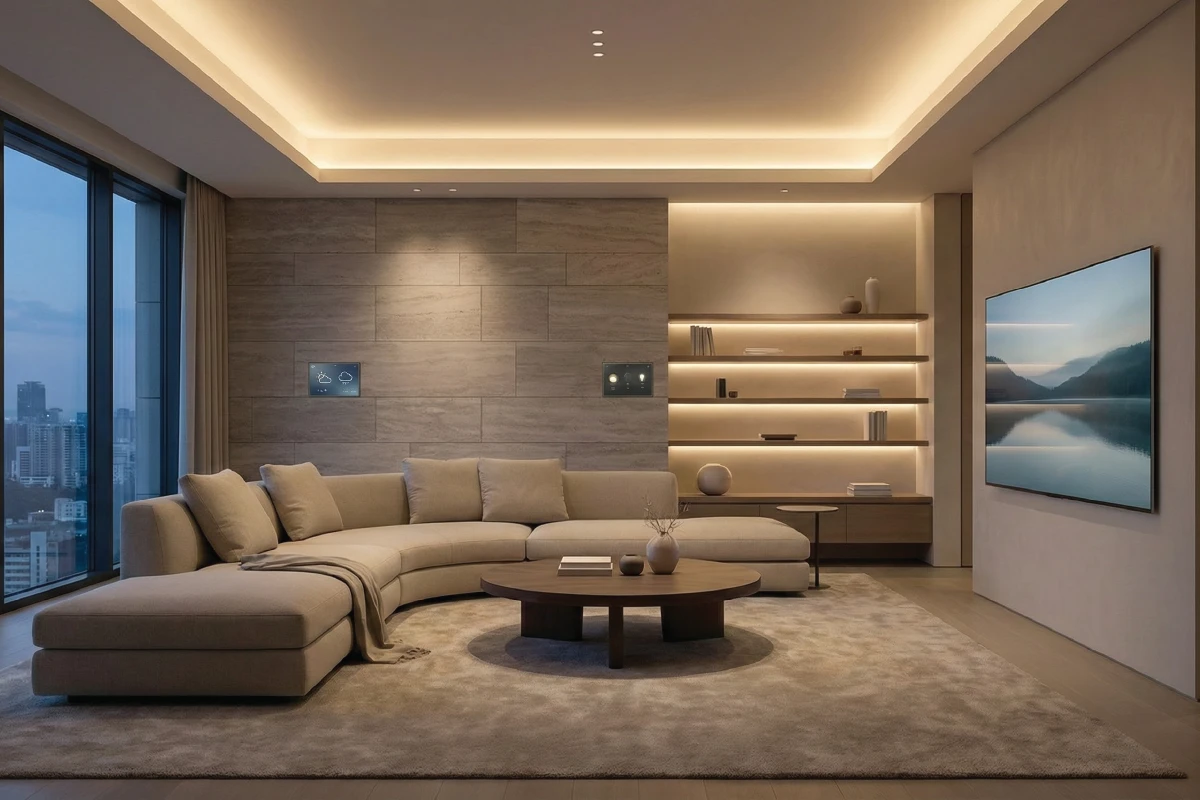
In modern residential developments across Lusail, smart systems such as motion sensors, automated blinds, and intelligent thermostats are increasingly used to improve energy efficiency and indoor comfort.
Sustainability Practices You Can Adopt:
- Switch to LED Lighting: Energy-efficient lighting can cut electricity bills by half.
- Use VOC-Free Paints: They improve indoor air quality significantly.
- Opt for Local Materials: Reduces transport emissions and supports the local economy.
- Install Smart Controls: For air conditioning, lighting, and water usage.
Key Thought:
Smart design in Qatar is no longer about gadgets; it’s about mindful living.
Biophilic Design: Connecting Indoors with Nature
Doha’s skyline continues to rise, yet there is a growing desire to reconnect with nature. This has made biophilic design a major force in both residential and commercial projects.
In commercial environments across West Bay, biophilic design elements such as living plant installations and daylight-oriented layouts are being incorporated to support workplace comfort and wellbeing.
At home, even small touches - like a cluster of indoor palms or a small courtyard garden - can completely transform the feel of your space.
Practical Tips for Biophilic Interiors:
- Use natural materials such as wood, stone, and jute.
- Integrate greenery near natural light sources.
- Choose fabrics inspired by desert flora or ocean tones.
Key Takeaway:
Biophilic design enhances not just aesthetics but mental well-being , a crucial aspect of modern urban life in Qatar.
The Reimagined Majlis: Where Tradition Meets Modern Function
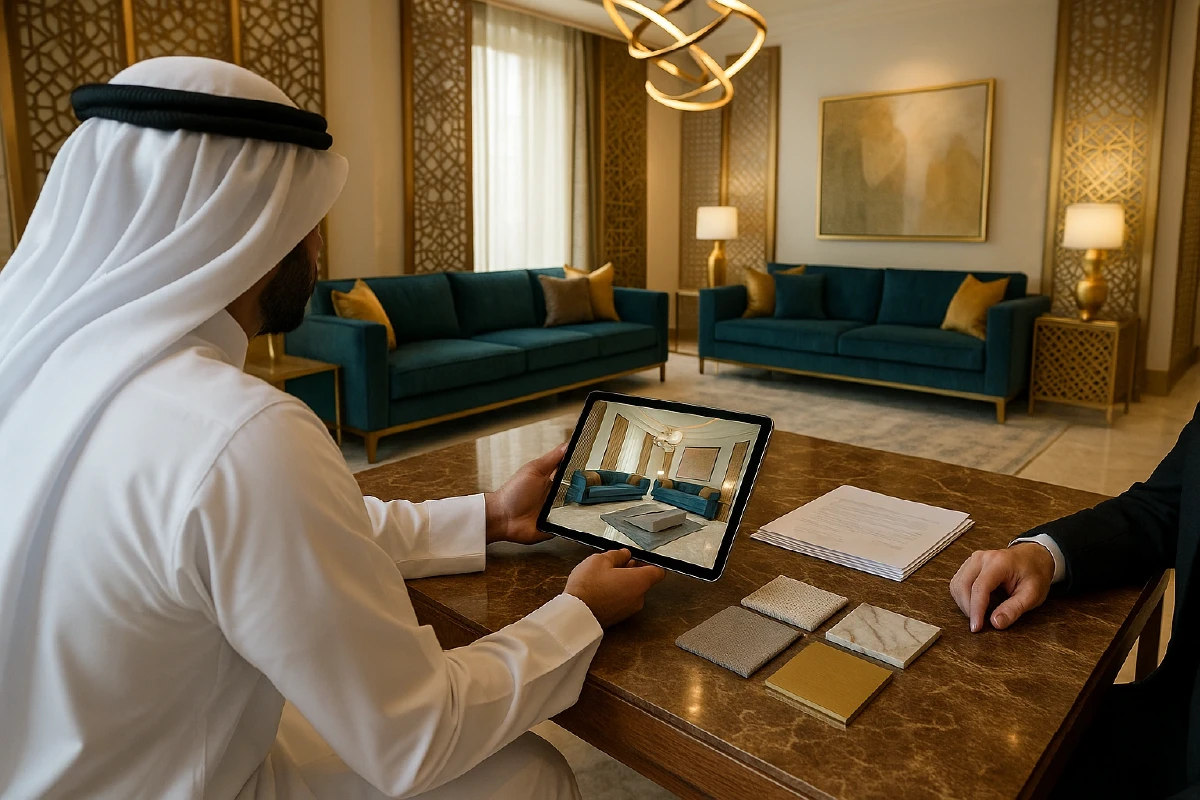
The majlis is perhaps the most symbolic space in Qatari homes. Once defined by ornate carpets and heavy furnishings, it’s now being reinterpreted for the modern era.
In villa renovations across areas such as Al Khor, modern majlis spaces are increasingly designed with stronger visual connections to outdoor courtyards, often using glass elements to enhance light and spatial openness. Traditional motifs remained - but with softer tones and modular seating that allowed flexibility for both family gatherings and formal events.
Tips for Designing a Modern Majlis:
- Combine traditional low seating with contemporary furniture.
- Use neutral fabrics with subtle patterns inspired by local culture.
- Introduce flexible lighting with dimmable LEDs for ambience.
Key Insight:
The modern majlis is both cultural and communal , a bridge between the past and the present.
The Evolving Definition of Luxury
Luxury in Qatar is evolving away from overt opulence toward a more restrained and refined expression. This shift emphasizes craftsmanship, material quality, and emotional experience over visual excess.
In high-end residential developments such as The Pearl, luxury is increasingly expressed through tactile materials, custom detailing, and carefully curated finishes rather than dramatic ornamentation.
Modern Luxury Principles:
- Quality over quantity - bespoke materials and fine detailing.
- Sensory balance - soft lighting, acoustic harmony, and texture.
- Emotional design - spaces that make you feel calm and inspired.
Reflection:
Luxury in today’s Qatar is not about impressing others; it’s about living gracefully.
Workspaces with Character: The New Corporate Aesthetic
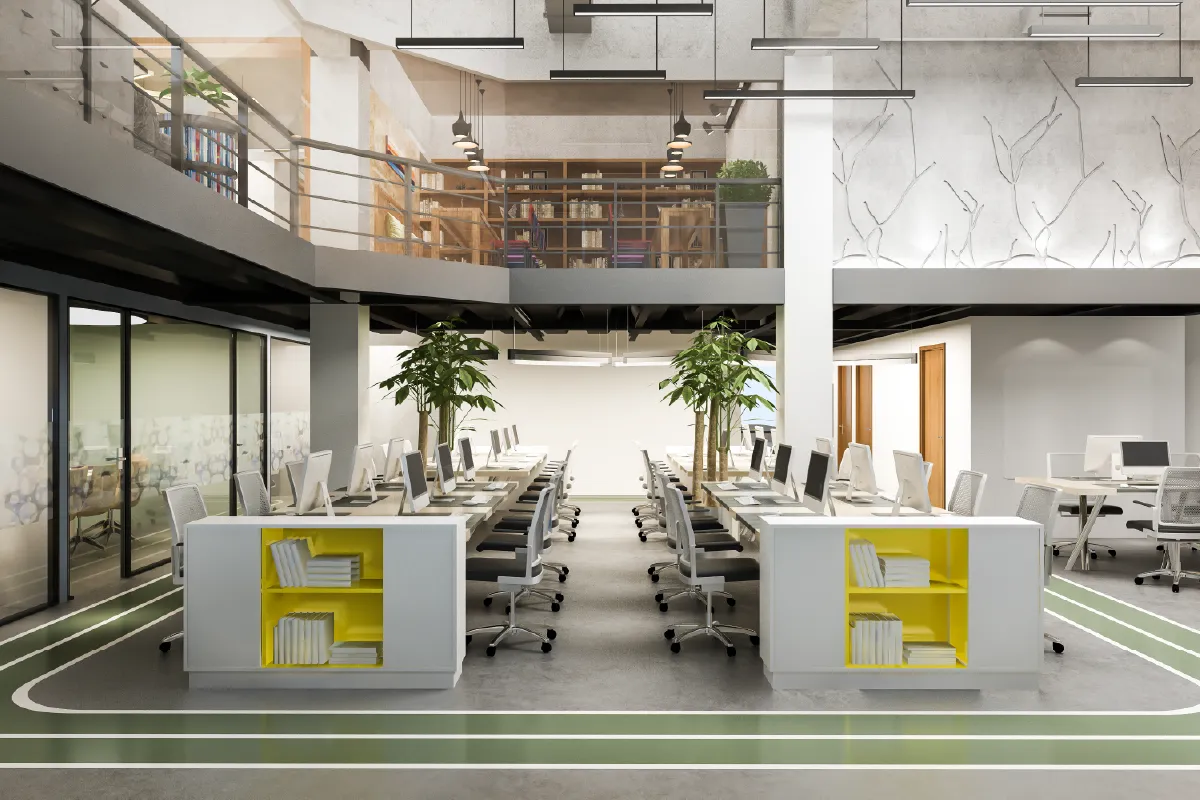
Offices in Qatar are no longer purely functional; they are reflections of brand identity and employee wellbeing. The shift toward open layouts, natural lighting, and flexible furniture has transformed the way businesses operate.
In corporate environments across Msheireb Downtown, hybrid workspace models are becoming more common. These layouts often combine flexible partitions, informal collaboration areas, and locally inspired color palettes to support both productivity and cultural context.
Office Design Tips:
- Use neutral backdrops with vibrant accent zones for energy.
- Integrate acoustic panels or natural fiber rugs to manage sound.
- Add breakout areas for creativity and casual meetings.
Key Takeaway:
Productivity thrives where design nurtures both focus and comfort.
The Fusion of Global Influences and Qatari Identity
Qatar’s cosmopolitan nature has made its design language wonderfully eclectic. Homeowners are blending Japanese wabi-sabi with Arabic symmetry, or Scandinavian simplicity with desert-inspired color palettes.
For instance, a Doha apartment might pair a sleek Nordic kitchen with locally handcrafted copper light fixtures. The result is global harmony grounded in Qatari roots.
Tip:
When mixing cultural influences, always retain one dominant style and let the others complement it.
Insight:
Design fusion succeeds when it honors both authenticity and adaptability.
Lighting as Emotional Architecture
Lighting has evolved into an art form. It shapes the mood, highlights craftsmanship, and defines architecture.
In Qatar’s homes and offices, layered lighting is the key. Ambient lighting sets the tone, task lighting improves function, and accent lighting draws focus to details like calligraphy or textured walls.
Lighting Strategies:
- Use cove lighting for ceilings or under cabinets.
- Incorporate warm LEDs for relaxation zones.
- Position lights strategically to highlight natural materials.
Key Thought:
A well-lit space doesn’t just look beautiful; it feels emotionally balanced.
The Revival of Local Craftsmanship
One of the most heartening developments in Qatar’s design journey is the renewed appreciation for local artisans. Designers are now collaborating with weavers, ceramicists, and calligraphers to create bespoke pieces that tell Qatari stories.
In residential and hospitality spaces across areas such as Al Wakrah, locally crafted textiles and decorative elements are increasingly incorporated to add cultural depth and authenticity to interiors.
Practical Ideas:
- Display local art in focal points such as entrances or lounges.
- Use handcrafted ceramics or textiles for cultural layering.
- Support Qatari design workshops to keep traditional skills alive.
Takeaway:
Craftsmanship transforms interiors from spaces you live in to spaces that live with you.
Summary: The Spirit of Qatar’s Design Renaissance
Qatar’s interior design scene is maturing beautifully. It celebrates innovation while cherishing tradition, sustainability while pursuing luxury, and modern lifestyles while maintaining cultural dignity.
In short:
- Cultural heritage is inspiring contemporary aesthetics.
- Smart and sustainable solutions are defining comfort.
- Spaces now prioritize wellness and emotion.
- Craftsmanship and authenticity are regaining their rightful place.
Qatar’s design renaissance isn’t a passing phase; it’s the nation’s aesthetic awakening , a visual and emotional dialogue between past and future.
Frequently Asked Questions (FAQs)
1. What defines Qatar’s modern interior design style?
2. How is sustainability integrated into Qatar’s homes and offices?
3. What makes modern majlis design different today?
4. Are smart homes common in Qatar now?
5. What color palettes are trending in Qatari interiors?
6. How do Qatari offices promote employee wellbeing?
7. Is luxury still important in Qatari design?
8. How can small apartments feel more spacious?
9. What role does local art play in modern interiors?
10. How can homeowners start their design transformation journey?
Conclusion: A Future Built on Meaning
Qatar’s interior design renaissance reflects something far greater than visual transformation , it’s the nation’s commitment to living with purpose, pride, and mindfulness.
Every villa in Lusail, every office in West Bay, and every boutique in Msheireb carries this message: design in Qatar is not imitation, it’s interpretation.
As interior design continues to evolve in Qatar, successful spaces increasingly reflect balance — between innovation and identity, technology and tradition, and elegance and emotional connection.