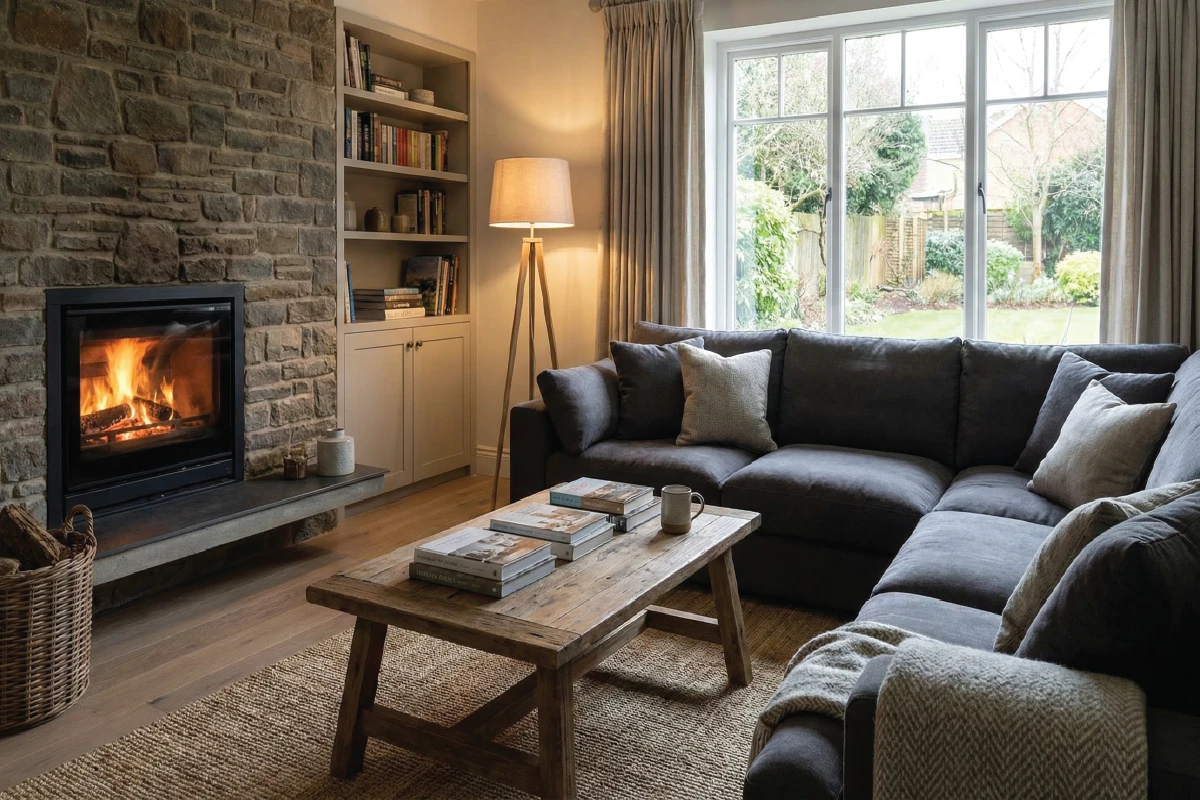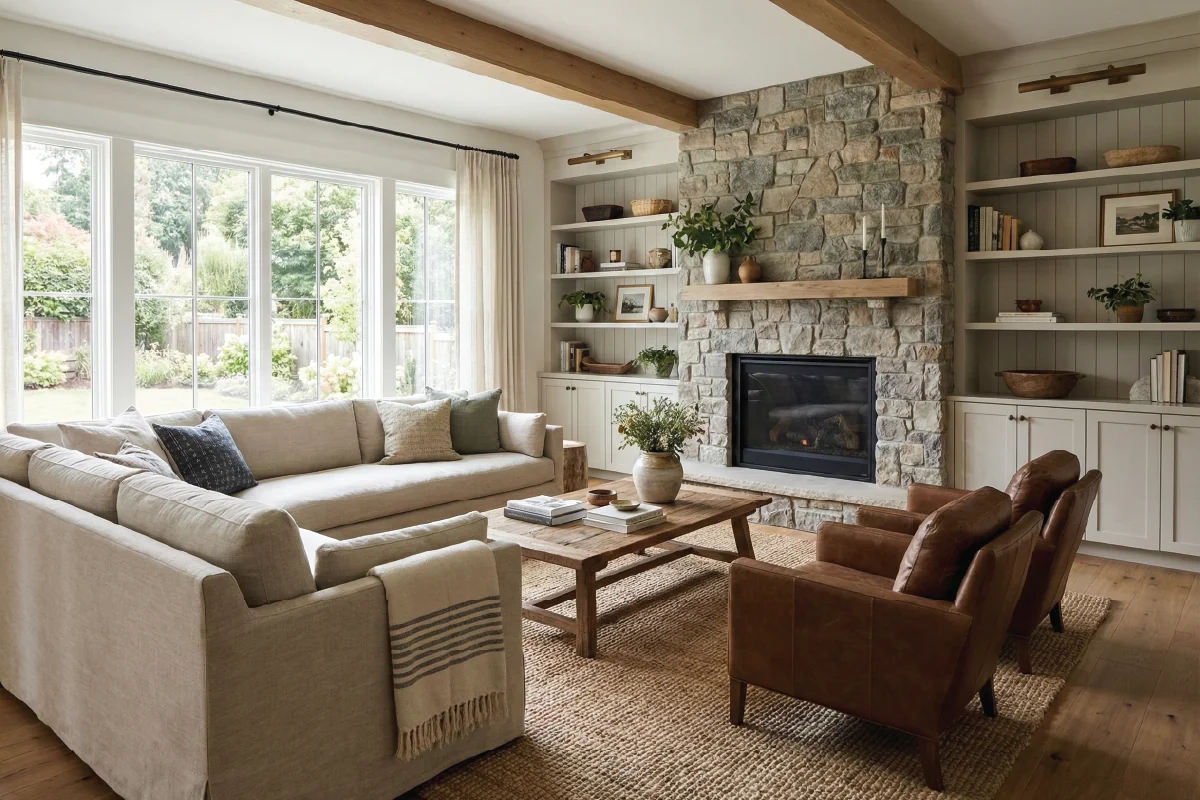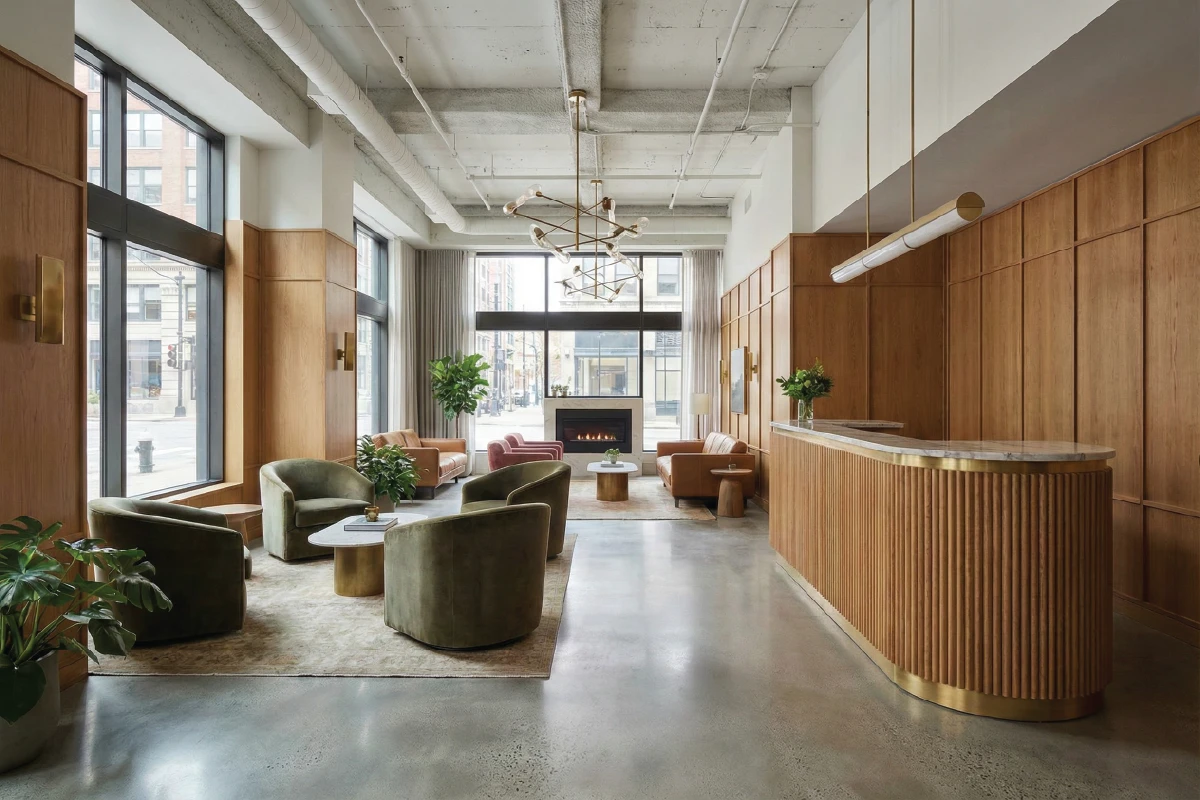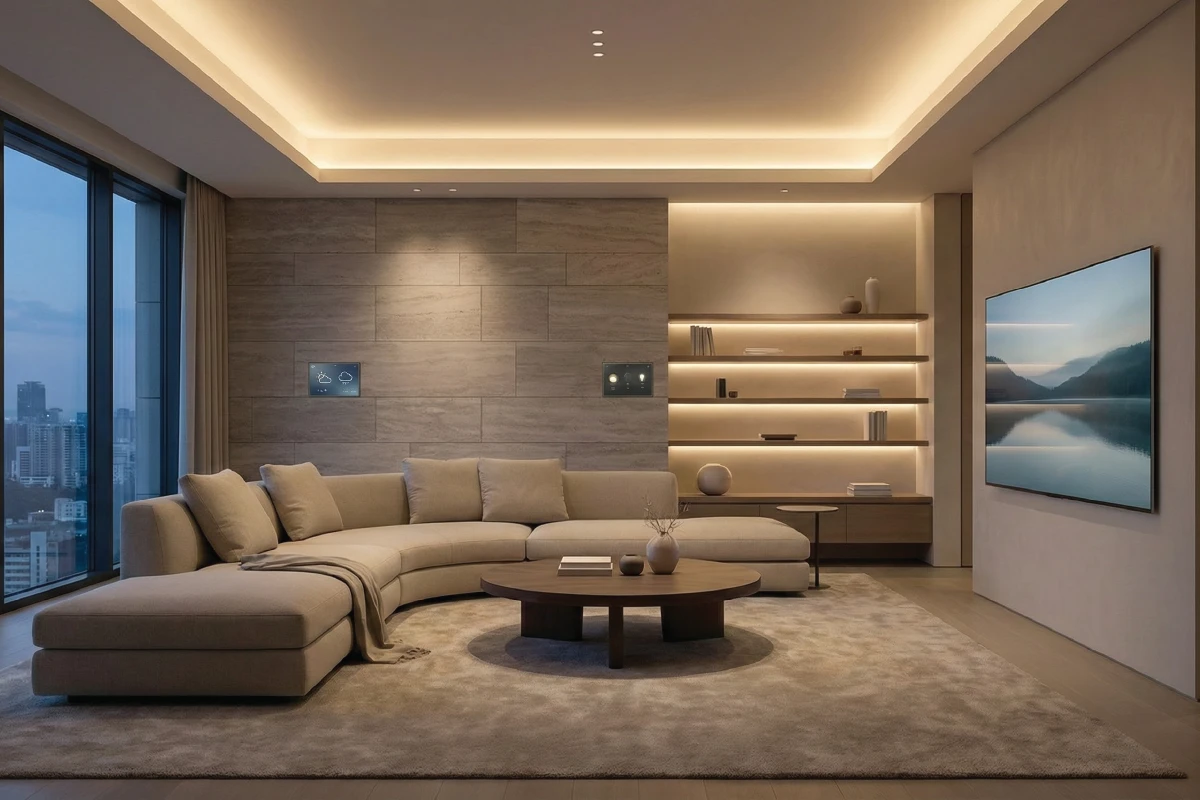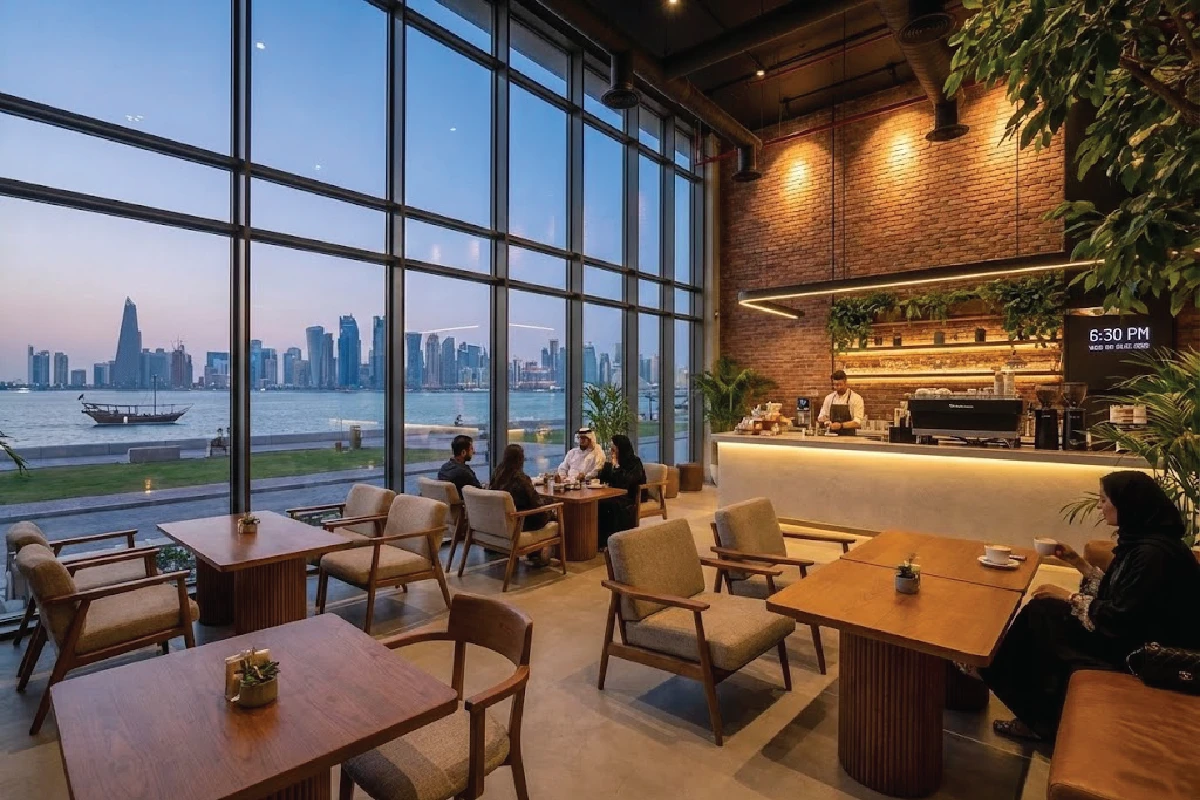
Short answer: interior design ideas that attract and retain café customers focus on creating a clear brand identity, comfortable seating layouts, intuitive flow, inviting lighting, and culturally relevant details that encourage longer stays, repeat visits, and social sharing while supporting efficient operations.
Why Cafe Interior Design Directly Affects Customer Retention
Cafes are no longer just places to drink coffee. They are social hubs, workspaces, meeting points, and lifestyle destinations. In Qatar, where café culture has grown rapidly over the last decade, interior design often determines whether customers stay longer or leave quickly.
From professional experience working on café interiors in Doha and Lusail, customers subconsciously decide within minutes whether a café feels worth returning to. This decision is driven less by menu pricing and more by atmosphere, comfort, and visual identity.
If the space feels cramped, poorly lit, or confusing to navigate, customers shorten their stay. On the other hand, when seating feels comfortable, lighting is warm, and the design tells a clear story, people linger, order more, and return.
Interior design, therefore, becomes a silent business partner. It influences dwell time, average spend, and brand loyalty without saying a word.
Understanding Cafe Culture And Customer Expectations In Qatar
To design a café that attracts and retains customers, you must first understand how people use cafés in Qatar. This context is essential.
Cafés in Qatar serve diverse audiences. Young professionals working remotely, families meeting in the evenings, students socializing, and business owners holding informal meetings all share the same space at different times of day.
This diversity creates specific design expectations:
- Comfortable seating for extended stays
- Clear separation between quiet and social zones
- Instagram-friendly visual moments
- Respect for privacy and personal space
For example, a café in The Pearl may require a more refined, relaxed atmosphere, while a café near a business district may prioritize functional seating and power access.
Successful café interiors in Qatar respond to this layered usage rather than designing for a single customer type.
Core Principles Of Successful Cafe Interior Design
Before selecting finishes or furniture, it is important to establish core design principles. These principles guide every decision and prevent visual and functional confusion.
In professional café design projects, we consistently return to the following principles.
- Clarity of brand identity
- Comfort without overcrowding
- Balanced lighting throughout the day
- Efficient staff and customer circulation
- Durable materials suitable for high traffic
A café that looks beautiful but feels uncomfortable will not retain customers. Similarly, a functional space with no personality fails to stand out in a competitive market.
The most successful cafés balance emotion and efficiency. They feel welcoming while supporting smooth operations.
Planning The Cafe Layout For Attraction And Flow
Layout planning is one of the most critical steps in café interior design. It determines how customers enter, order, sit, and move through the space.
In Qatar, where cafés often experience peak evening traffic, poor layout planning can lead to congestion and discomfort.
From experience, effective café layouts focus on intuitive movement and clear visual cues.
| Zone | Purpose | Design Consideration |
|---|---|---|
| Entrance | First impression | Clear view of counter and seating |
| Ordering Area | Transaction and service | Avoid blocking circulation |
| Seating Zones | Comfort and experience | Mix of seating types |
| Service Flow | Staff efficiency | Direct paths between counter and tables |
When customers can easily understand where to go and where to sit, the café immediately feels welcoming rather than stressful.
Key Takeaways
- Design Influences Behavior: Interior design affects how long customers stay and return.
- Qatar Cafe Culture Is Diverse: Design must serve multiple user types.
- Principles Come Before Decor: Clear foundations prevent design failure.
- Layout Shapes Experience: Good flow attracts and retains customers.
Defining A Strong Cafe Brand Identity Through Interior Design
Every successful café has a clear identity. Customers may not consciously analyze it, but they feel it the moment they step inside. Interior design is one of the strongest tools for communicating that identity.
In Qatar’s competitive café market, where new concepts open regularly, cafés that lack a clear visual and emotional identity struggle to retain attention.
From professional experience, brand identity in café interiors should answer three questions immediately.
- What kind of experience does this café offer
- Who is this café designed for
- How does it differ from nearby competitors
For example, a specialty coffee café in Msheireb may emphasize craftsmanship, natural materials, and minimalism, while a neighborhood café in Al Wakrah may focus on warmth, comfort, and social seating.
Interior design elements such as color palette, furniture style, lighting tone, and material choice must all support the same brand message. When these elements feel disconnected, customers sense confusion even if they cannot explain it.
Choosing The Right Seating Strategy For Customer Retention
Seating is one of the most important retention tools in café design. The way people sit determines how long they stay, how comfortable they feel, and how often they return.
In Qatar, where many customers use cafés as workspaces or social meeting points, seating must support extended stays without sacrificing turnover.
From real café projects, the most effective approach is to mix seating types.
| Seating Type | Ideal Use | Retention Benefit |
|---|---|---|
| Lounge Seating | Relaxed socializing | Encourages longer stays |
| Table And Chair | Dining and meetings | Balanced comfort and turnover |
| Bar Seating | Solo customers | Efficient space usage |
| Communal Tables | Groups and collaboration | Creates social energy |
Moreover, spacing between tables matters. Overcrowded seating may increase capacity temporarily but often reduces comfort and repeat visits.
Lighting Design That Influences Mood And Dwell Time
Lighting has a direct psychological effect on how people experience a café. Harsh lighting shortens visits, while warm layered lighting encourages customers to stay longer.
In Qatar, cafés often operate from early morning until late at night. Lighting must adapt across different times of day.
From professional practice, effective café lighting uses multiple layers.
- Ambient lighting for overall brightness
- Task lighting at counters and work areas
- Accent lighting to highlight textures and decor
For example, a Doha café project introduced warm pendant lights above tables and subtle wall lighting around seating zones. Customers reported feeling more relaxed, and average visit duration increased noticeably.
Material Selection For Durability And Visual Appeal
Material choice in café interiors must balance aesthetics with durability. High traffic environments demand finishes that age gracefully.
In Qatar, climate conditions and heavy usage make material performance especially important.
| Material | Application | Performance Benefit |
|---|---|---|
| Porcelain Tiles | Flooring | Durable and easy to maintain |
| Solid Wood Or Veneer | Furniture and counters | Warm visual appeal |
| Metal Accents | Lighting and frames | Modern contrast |
| Upholstered Seating | Customer comfort | Enhanced dwell time |
Well selected materials reduce long-term maintenance costs while reinforcing brand identity.
Creating Instagram-Friendly Moments Without Sacrificing Function
Visual sharing plays a significant role in café marketing today. However, designing solely for photographs often leads to impractical spaces.
From experience, the most successful cafés integrate visual moments naturally rather than forcing them.
- Feature walls with texture or artwork
- Well lit seating corners
- Thoughtful signage integrated into design
A café in The Pearl incorporated a textured wall behind communal seating with soft lighting. It became a popular photo spot without disrupting circulation or seating comfort.
Acoustics And Comfort Design For Longer Customer Stays
Acoustics are often overlooked in café design, yet they strongly influence whether customers feel relaxed or fatigued. In busy cafés across Doha, excessive noise is one of the main reasons customers shorten their visits.
In Qatar, cafés frequently experience peak evening traffic with overlapping conversations, background music, and coffee machine noise. Without acoustic planning, the environment becomes overwhelming.
From professional projects, the most effective acoustic strategies include:
- Upholstered seating to absorb sound
- Textured wall finishes or acoustic panels
- Rugs or soft finishes in selected zones
- Balanced background music volume
For example, a café in West Bay introduced fabric-backed wall panels disguised as decorative elements. Noise levels dropped noticeably, and customers stayed longer during peak hours.
Designing Back Of House And Service Zones For Efficiency
A café that looks beautiful but operates inefficiently will struggle to retain customers. Interior design must support staff workflow as much as customer experience.
In Qatar, where service expectations are high, efficient back of house design directly affects speed, cleanliness, and consistency.
Key service design considerations include:
- Clear separation between customer and staff circulation
- Direct access between counter and preparation zones
- Proper storage planning to avoid clutter
- Compliance with local hygiene and safety standards
A Doha café project redesigned its counter layout to reduce staff movement distance. Service times improved, queues shortened, and customer satisfaction increased without changing the menu.
Using Zoning To Serve Different Customer Types
One of the most effective strategies for customer retention is zoning. Rather than forcing all customers into the same experience, zoning allows multiple experiences within one café.
In Qatar, this is particularly valuable because cafés serve professionals, families, and social groups simultaneously.
| Zone Type | Primary Users | Design Focus |
|---|---|---|
| Quiet Zone | Remote workers | Comfort and low noise |
| Social Zone | Groups and friends | Flexible seating |
| Quick Visit Zone | Takeaway customers | Efficient access |
By clearly defining zones through furniture layout, lighting, and subtle design cues, cafés can serve more customers effectively without increasing floor area.
Real-World Qatar Cafe Design Case Example
Let us consider a real-world inspired café project in Lusail. The café initially struggled with low repeat visits despite good coffee quality.
The interior redesign focused on seating comfort, zoning, acoustic improvements, and brand clarity. Lounge seating was added near windows, communal tables were repositioned, and lighting was softened.
Within weeks of reopening, average customer stay increased, social media engagement improved, and regular customers began returning more frequently. The menu remained unchanged. The environment changed everything.
Frequently Asked Questions
How Important Is Interior Design For Cafe Success
Interior design plays a major role in customer retention, dwell time, and brand recognition. It directly influences repeat business.
What Is The Best Seating Layout For Cafes In Qatar
A mixed seating strategy works best, offering lounge, table, and bar seating to serve different customer needs.
Should Cafes In Qatar Focus On Instagram-Friendly Design
Visual appeal matters, but it should never compromise comfort or functionality.
How Often Should Cafe Interiors Be Updated
Timeless design principles allow cafés to remain relevant for many years with minor updates.
Key Takeaways
- Interior Design Drives Retention: Comfort and atmosphere influence repeat visits.
- Acoustics Matter: Sound control encourages longer stays.
- Operational Design Supports Service: Efficient layouts improve customer experience.
- Zoning Enhances Flexibility: Multiple experiences serve diverse audiences.
References
- Professional Cafe Interior Design Practice In Qatar
- Hospitality Design Standards And User Experience Research
- Regional Commercial Fit Out And Compliance Guidelines