Across Doha and the wider Qatari design landscape, interior spaces often reveal a distinct narrative. Homes, hotels, and modern offices commonly reflect a careful balance between cultural identity and contemporary innovation. This blend allows traditional influences to coexist with advanced design approaches, creating environments where comfort, functionality, and refined aesthetics come together naturally.
This article explores how Interior Design in Qatar reflects culture, innovation, and refined luxury, offering insights for homeowners and professionals seeking spaces aligned with Qatari identity.
1. The Soul of Qatari Design: Culture Rooted in Every Corner
When you walk into a traditional Qatari majlis, you can instantly feel the warmth of hospitality, deep cushions, intricate patterns, and generous seating that invites conversation. Cultural values are at the very heart of interior design in Qatar. It’s not merely about aesthetics; it’s about connection, family, and respect for tradition.
Cultural Identity through Design Elements
Traditional Qatari interiors often feature:
- Majlis seating arrangements that encourage gathering and social harmony.
- Arabesque patterns on walls and textiles that symbolize continuity and unity.
- Natural materials like stone, gypsum, and wood reflecting a connection to the desert and sea.
- Color palettes inspired by sand dunes, sunsets, and ocean tones soft beige, gold, turquoise, and deep browns.
Many modern homes in Doha subtly reinterpret traditional motifs within contemporary interiors. In some villas, particularly in areas such as Al Waab, homeowners seek modern design solutions without losing cultural references. One common approach is the use of mashrabiya-inspired screens as room dividers, reimagined in materials like laser-cut aluminum. This allows interiors to retain a sense of cultural identity while presenting a clearly modern character.
Culture in Qatari design is not about imitation of the past; it’s about reimagining heritage in a modern way that feels alive and personal.
2. Innovation: The Modern Face of Qatari Interiors
Qatar has positioned itself as a hub of innovation in almost every field, from architecture to sustainability, and interior design is no exception. Walk through Msheireb Downtown Doha, and you’ll see how technology and sustainability have become integral to the city’s identity.
Smart Living for Modern Qatar
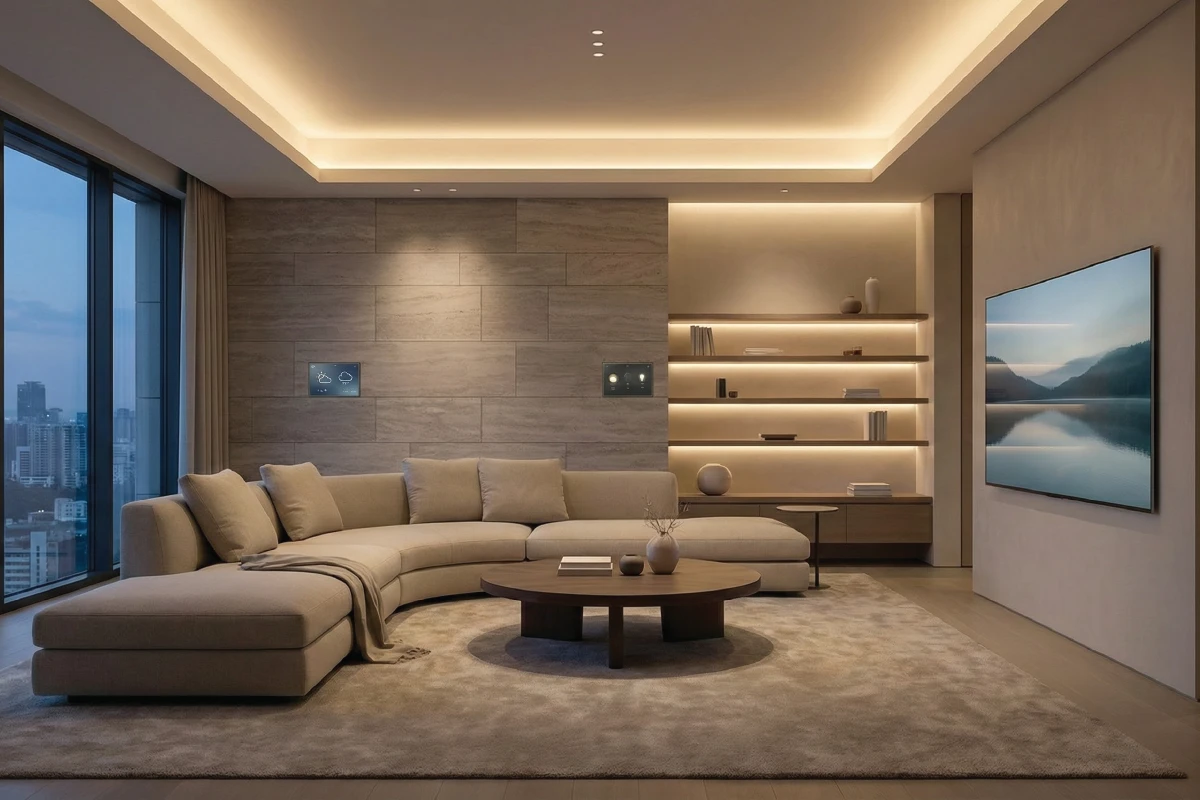
Innovation in Qatar’s interior design is increasingly focused on smart home integration. Homeowners are investing in automation systems that control lighting, temperature, security, and even scent diffusers, all from a smartphone or wall panel.
For example:
- Lighting systems that mimic natural daylight cycles to support wellbeing.
- Automated shading that adjusts according to sun intensity, helping manage heat and energy use.
- Integrated sound and entertainment systems designed to blend seamlessly with minimalistic interiors.
Moreover, innovation also extends to materials. Designers and architects are choosing sustainable materials like bamboo, recycled glass, or locally sourced stone. The goal is not just visual appeal but responsible design that aligns with Qatar’s national sustainability goals under Vision 2030.
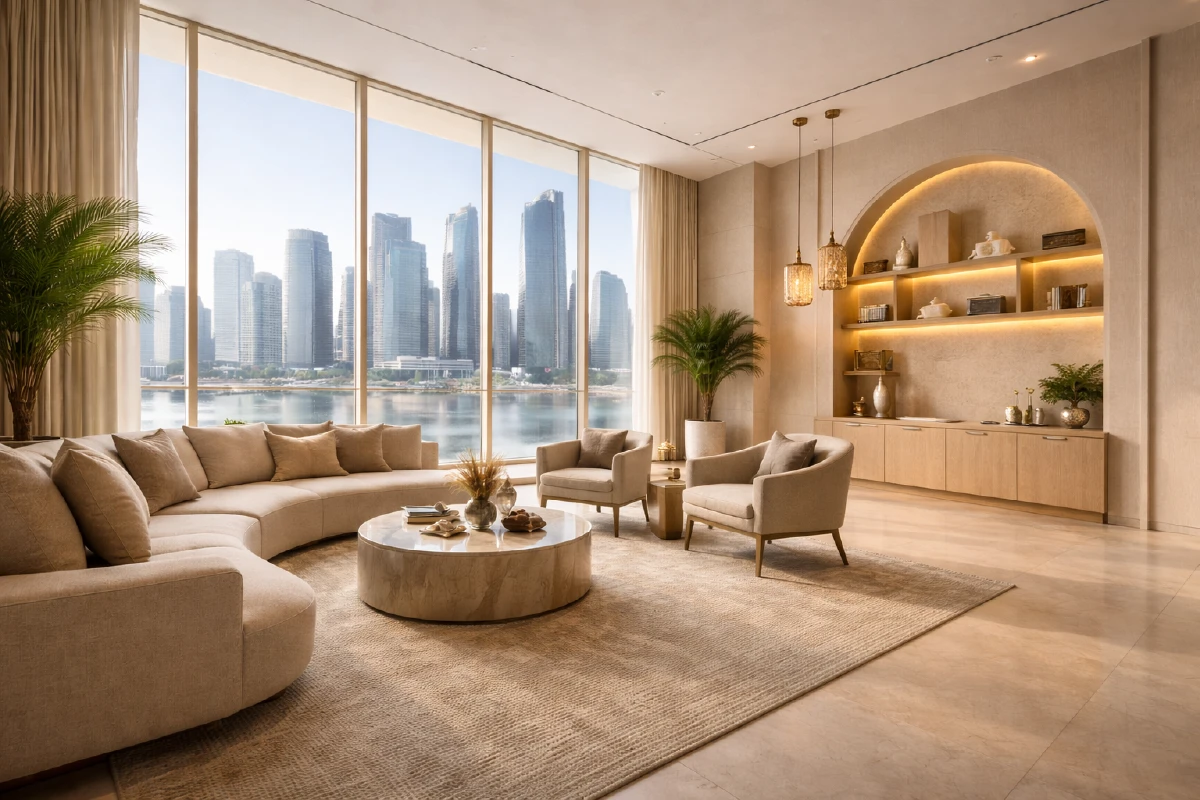
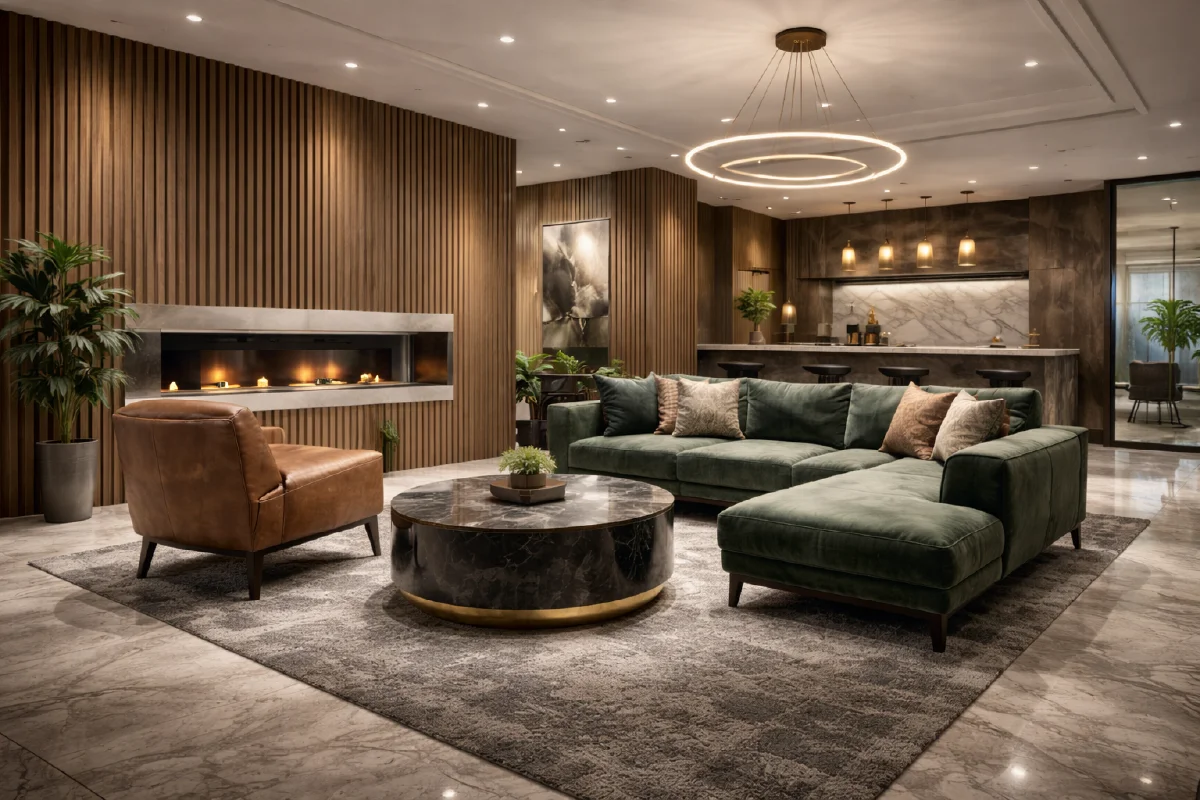
Imagine this, a luxurious Doha penthouse where soft indirect lighting enhances textured marble walls, curtains glide open automatically at sunrise, and the temperature adjusts itself to match the desert evening, luxury meets efficiency.
3. Luxury Beyond the Obvious: Redefining Opulence in Qatar
Luxury in Qatar doesn’t necessarily mean extravagance. It’s not only about chandeliers or imported marble it’s about craftsmanship, comfort, and a seamless blend of design and technology.
What Defines Qatari Luxury Today
Luxury interiors in Qatar emphasize:
- Bespoke craftsmanship handcrafted furniture, custom wall panels, or artisan-made rugs.
- Spatial generosity open layouts with high ceilings and flowing light.
- Understated elegance minimalistic yet richly detailed interiors using premium materials.
- Curated art and decor artworks from local and international artists that celebrate identity and story.
For example, some private villas in The Pearl draw inspiration from Qatar’s coral reefs through interior detailing. Living areas may feature soft pearlescent finishes paired with lighting designed to echo underwater reflections. Rather than focusing solely on visual luxury, such design approaches aim to create an atmosphere that feels emotionally connected to the surrounding environment.
In Qatar, true luxury is not loud it’s layered, thoughtful, and deeply personal.
4. Blending Tradition with Modern Minimalism
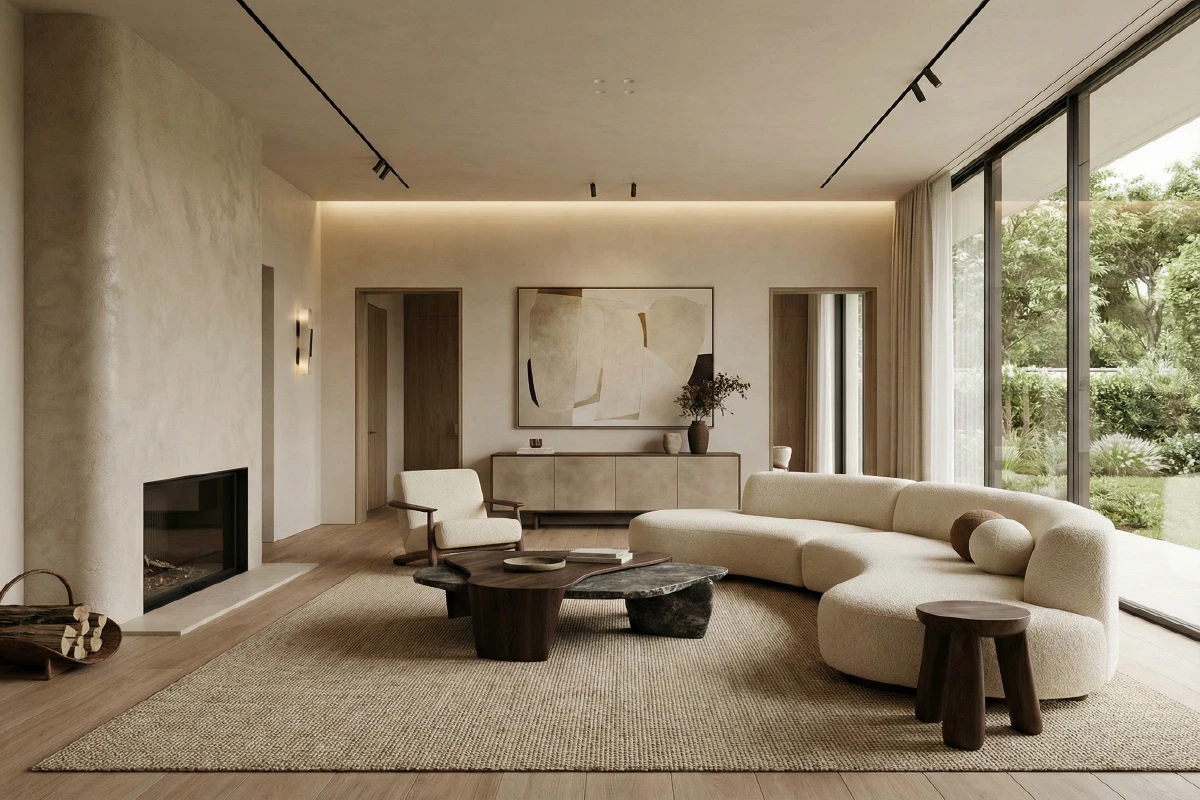
Qatar’s new generation of homeowners is increasingly drawn to modern minimalism clean lines, open spaces, and muted tones. However, minimalism in Qatar isn’t a cold or empty style; it’s infused with cultural warmth.
Design Harmony in Practice
Here’s how to blend the two worlds:
- Keep the layout open but use soft partitions or screens inspired by traditional geometric motifs.
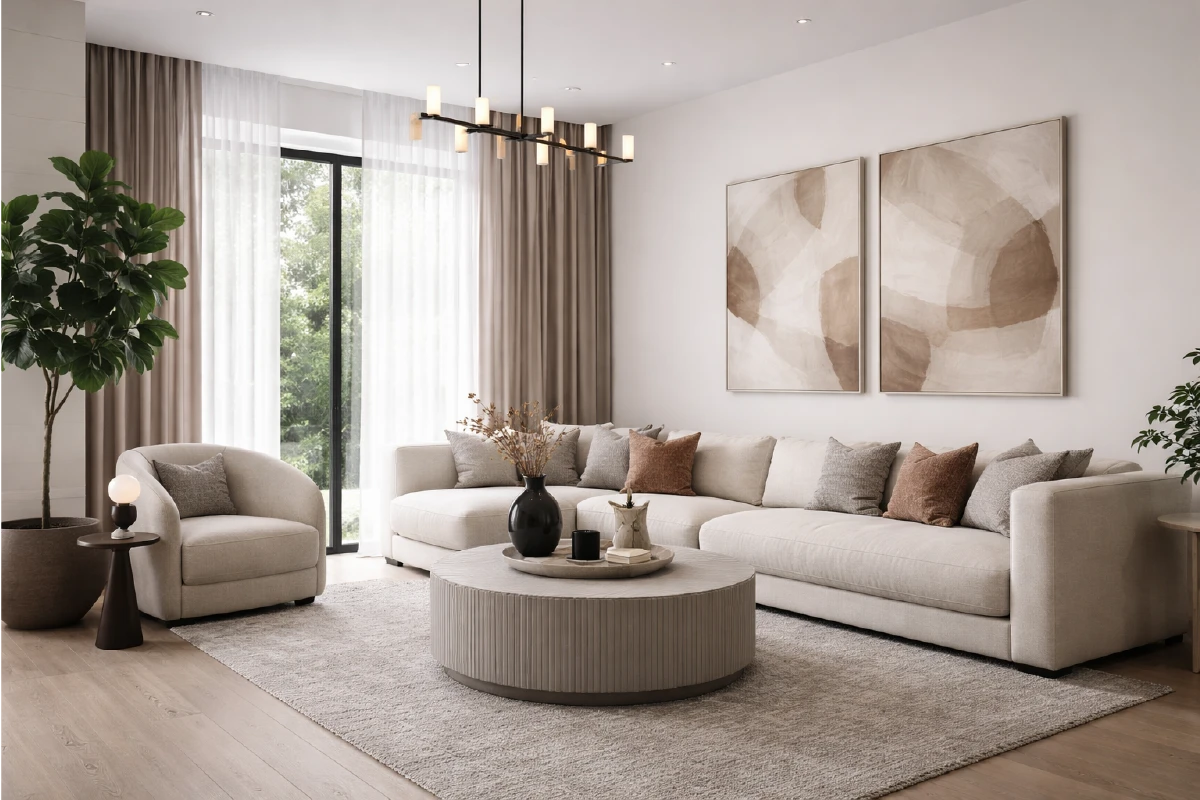
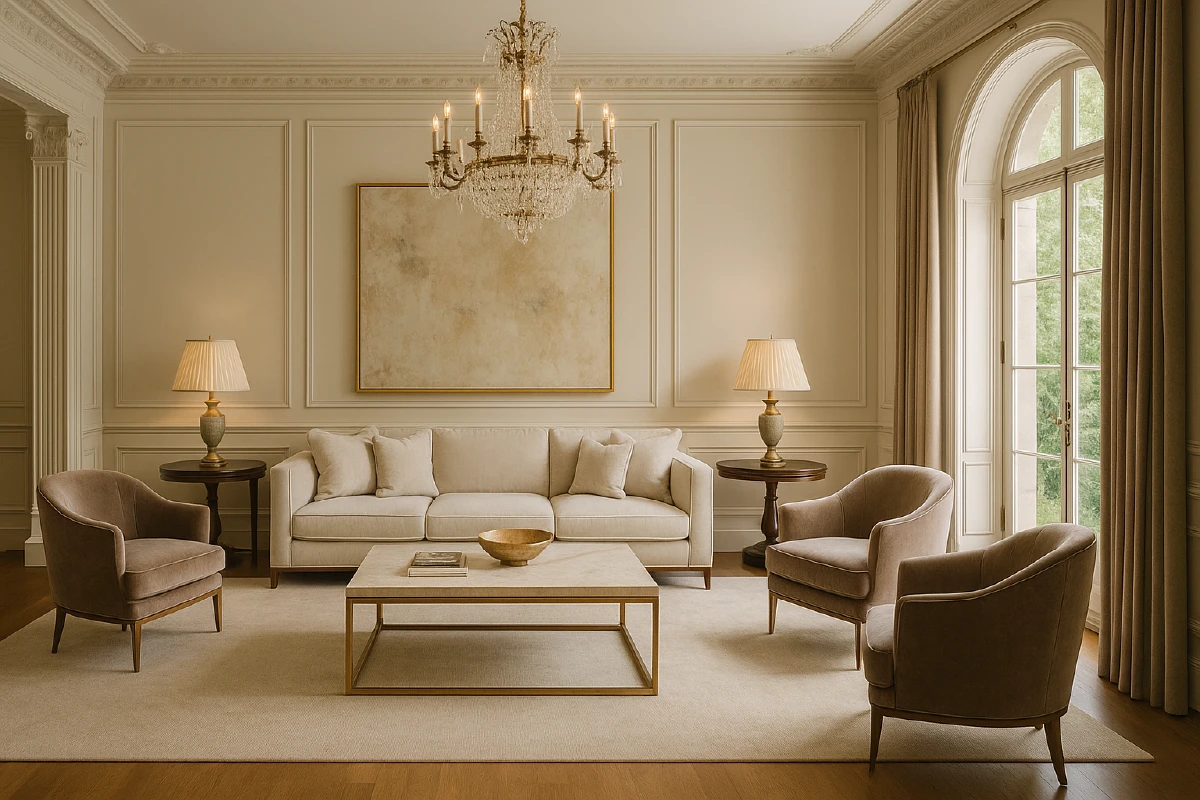
- Choose neutral colors like beige, ivory, and sand but accent them with gold, deep blue, or copper.
- Incorporate heritage elements calligraphic art, arabesque tiles, or handcrafted lanterns as focal points.
- Opt for organic textures such as linen, suede, and brushed metal to create tactile richness.
This hybrid aesthetic modern in structure, traditional in soul defines much of the interior design movement in Qatar today.
5. Designing for Climate and Comfort
Qatar’s desert climate naturally influences design decisions. Interiors must balance aesthetics with functionality, ensuring comfort throughout the year.
Practical Climate-Responsive Tips
- Use natural light wisely: Filter daylight using sheer curtains or mashrabiya-inspired screens to avoid heat gain.
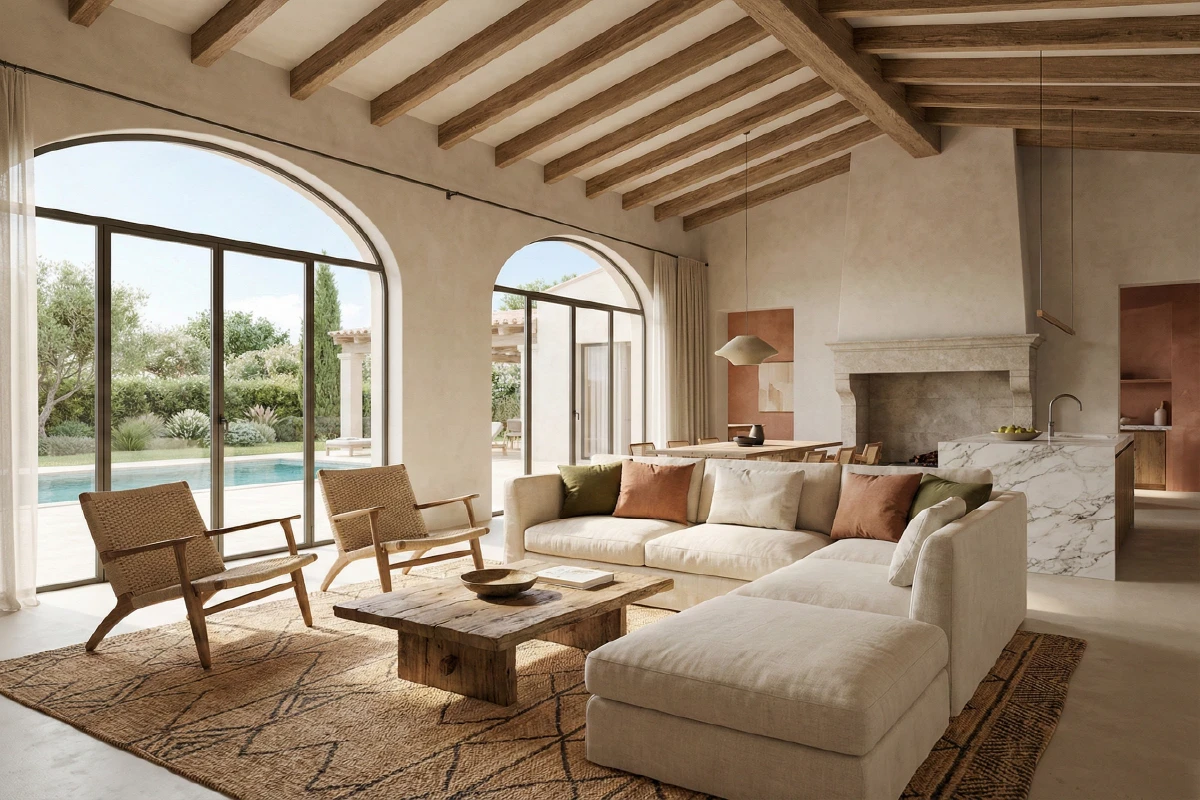
- Choose materials that breathe: Porous materials like limestone and plaster help regulate temperature.
- Incorporate indoor greenery: Plants not only cool interiors but also add serenity and freshness.
- Opt for light-colored finishes: These reduce heat absorption and visually expand smaller rooms.
In commercial spaces like hotels or offices, advanced HVAC systems are being paired with energy-efficient lighting and shading to maintain comfort without excessive energy use, an important aspect of sustainability in Qatar’s design future.
6. Residential vs. Commercial Design Trends
The residential and commercial sectors in Qatar are evolving side by side, but with distinct priorities.
Residential Design
For private villas and apartments:
- Focus is on family comfort, privacy, and hospitality.
- Majlis areas remain a cultural must-have.
- Increasing demand for home offices and wellness rooms after the pandemic.
Commercial & Hospitality Design
In hotels, offices, and malls:
- Emphasis is on luxury experiences and brand storytelling.
- Use of biophilic design bringing natural elements indoors.
- Integration of interactive digital elements, such as LED feature walls and dynamic lighting.
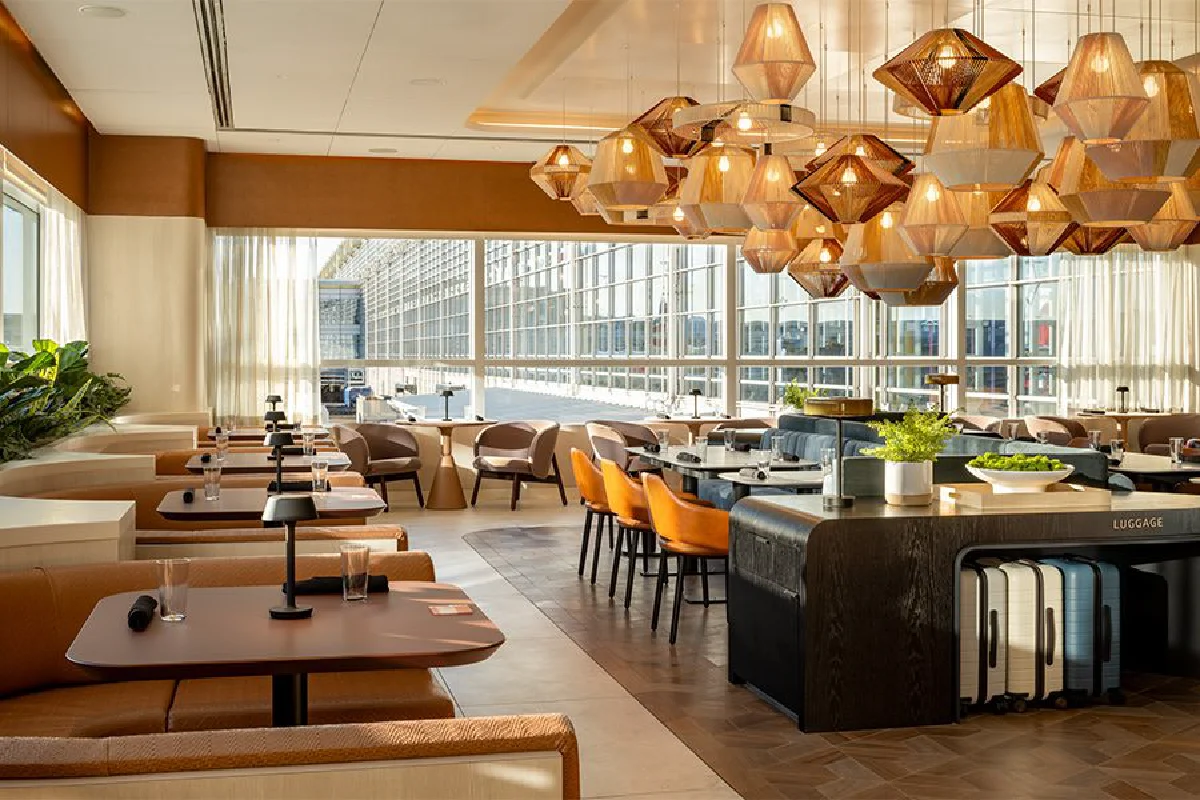
The Lusail Marina District, for example, showcases how commercial interiors combine global design trends with local elegance marble lobbies meet digital art displays, while traditional patterns subtly accent modern glass structures.
7. Sustainability: The Future of Qatari Interiors
As Qatar prepares for a sustainable future, interior design is increasingly influenced by eco-conscious practices. Sustainability is not just an architectural goal anymore; it’s entering the core of interior design philosophy.
Steps Toward Green Interiors
- Eco-friendly materials: Recycled tiles, reclaimed wood, or locally produced furniture reduce carbon footprint.
- Energy efficiency: LED lighting, smart thermostats, and automated curtains help conserve energy.
- Water-efficient fittings: Essential for both luxury and sustainability.
- Indoor air quality: Choosing low-VOC paints and natural fabrics supports healthy living.
Moreover, developers and clients are now more aware of LEED and GSAS certifications (Global Sustainability Assessment System) frameworks that reward sustainable building and interior practices in Qatar.
8. The Role of Art and Personalization
Art plays a crucial role in Qatari interiors. Whether it’s an abstract piece by a local artist or a modern reinterpretation of Arabic calligraphy, art connects people emotionally to their spaces.
Clients today prefer interiors that tell their story. Many homeowners choose one or two signature pieces, such as a handwoven carpet from Souq Waqif or a contemporary sculpture inspired by desert landscapes, to add identity and character to interiors.
In modern Qatari villas, it’s common to see a beautiful fusion Italian furniture, Japanese lighting, and Arabic artwork all living harmoniously in one setting. This balance reflects the essence of contemporary Qatar, where global influences coexist with a strong cultural foundation.
9. How to Achieve a Qatari-Inspired Design at Home
Here’s a simple step-by-step approach for those who wish to bring that cultural-luxury aesthetic into their own homes:
- Start with purpose: Ask what emotion or experience you want the room to evoke serenity, warmth, or grandeur.
- Set a palette inspired by nature: Think sand dunes, coral reefs, and the desert sky.
- Layer textures: Mix smooth marble with soft linen, glossy metal with matte wood.
- Include traditional patterns: Use them in subtle accents like cushions, rugs, or carved panels.
- Add modern sophistication: Keep spaces uncluttered and use lighting creatively.
- Personalize with art: Choose pieces that resonate with your story.
- Balance technology with tradition: Integrate smart solutions invisibly to retain aesthetic harmony.
Conclusion: Qatar’s Design Journey Where Culture Meets Tomorrow
Interior design in Qatar is not just evolving it’s leading a dialogue between heritage and modernity. It celebrates the nation’s deep cultural roots while embracing global innovation and sustainable luxury. Whether you live in a villa in Al Thumama or an apartment in Lusail, your home can be a reflection of this evolving identity warm, smart, elegant, and authentically Qatari.
In practice, interior design in Qatar focuses on creating spaces that go beyond visual appeal, shaping meaningful experiences. From a cozy majlis to a futuristic office, each project reflects a balance between cultural heritage and forward-looking design.
FAQs: Interior Design in Qatar
1. What makes Qatari interior design unique?
Qatari design uniquely merges cultural authenticity with modern innovation, emphasizing hospitality, craftsmanship, and comfort.
2. Are traditional elements still popular in modern Qatari homes?
Yes. Elements like majlis seating, arabesque patterns, and mashrabiya screens remain highly valued, often reimagined in modern materials.
3. What colors best reflect Qatari interior aesthetics?
Neutral earth tones, gold, turquoise, and sand-inspired hues dominate, reflecting the desert landscape and Arabian Gulf.
4. How does Qatar’s climate influence interior design choices?
Designers use light colors, natural materials, and smart shading to manage heat and ensure comfort throughout the year.
5. What role does technology play in modern interiors?
Smart home systems now control lighting, air conditioning, and entertainment creating efficiency and luxury seamlessly.
6. How important is sustainability in Qatar’s design sector?
Increasingly important. Many clients and designers follow Eco-Friendly principles aligned with Qatar National Vision 2030.
7. Can small apartments in Qatar adopt luxurious design?
Absolutely. Thoughtful lighting, quality finishes, and minimalist décor can make even compact spaces feel elegant.
8. What’s trending in Qatar’s commercial interior design?
Biophilic design, experiential spaces, and high-tech integration are dominant trends in offices, hotels, and retail settings.
9. How can homeowners blend tradition with a modern aesthetic?
By using traditional patterns subtly within contemporary layouts through screens, lighting, or artwork.
10. Is hiring a professional interior designer necessary?
While not mandatory, a designer ensures aesthetic balance, cultural sensitivity, and practical functionality essential in Qatar’s climate and lifestyle context.
Final Thought:
In Qatar, interior design is more than an industry it’s a reflection of a nation gracefully moving forward while honoring its roots. Whether through the scent of oud in a living room, the geometric patterns of a screen, or the quiet hum of smart technology, every detail tells a story of culture, innovation, and enduring luxury.