Super Fitout helps clients in Qatar discover and compare interior designers and fit-out companies through a structured digital marketplace. One of the most influential factors in this selection process is the Professional Portfolio, which clients often review before any direct discussion takes place.
In Qatar’s competitive Interior Design Market, portfolios function as more than visual collections. They influence trust, shortlist decisions, and perceived suitability for a project. This page highlights common portfolio mistakes that reduce clarity or credibility from a client’s perspective and explains why avoiding them matters when competing for interior projects.
The Role of Portfolios in Client Decision-Making
When clients search for interior designers or fit-out professionals in Qatar, portfolios are often the first point of evaluation. Before reviewing proposals or discussing budgets, clients use portfolios to assess relevance, experience, and overall fit.
From a client’s perspective, portfolios help answer practical questions:
- Has this professional handled similar project types?
- Does the work reflect consistency and reliability?
- Is the design approach aligned with the client’s expectations?
Portfolios that lack clarity or structure can create hesitation, even when the underlying work quality is strong. Many missed opportunities result not from poor design, but from poor presentation.
Mistake 1: Too Many Projects Without Clear Focus
One of the most common portfolio mistakes is trying to include every completed project without a clear narrative or direction. While variety may seem beneficial, unfocused portfolios often confuse clients rather than impress them.
Clients typically look for relevance rather than volume. A portfolio that mixes unrelated project types without explanation makes it harder for clients to understand where a professional’s strengths lie.
From a decision-making perspective, focused portfolios are easier to evaluate. Clear categorisation—such as residential, commercial, retail, or hospitality—helps clients quickly determine whether a professional matches their project needs.
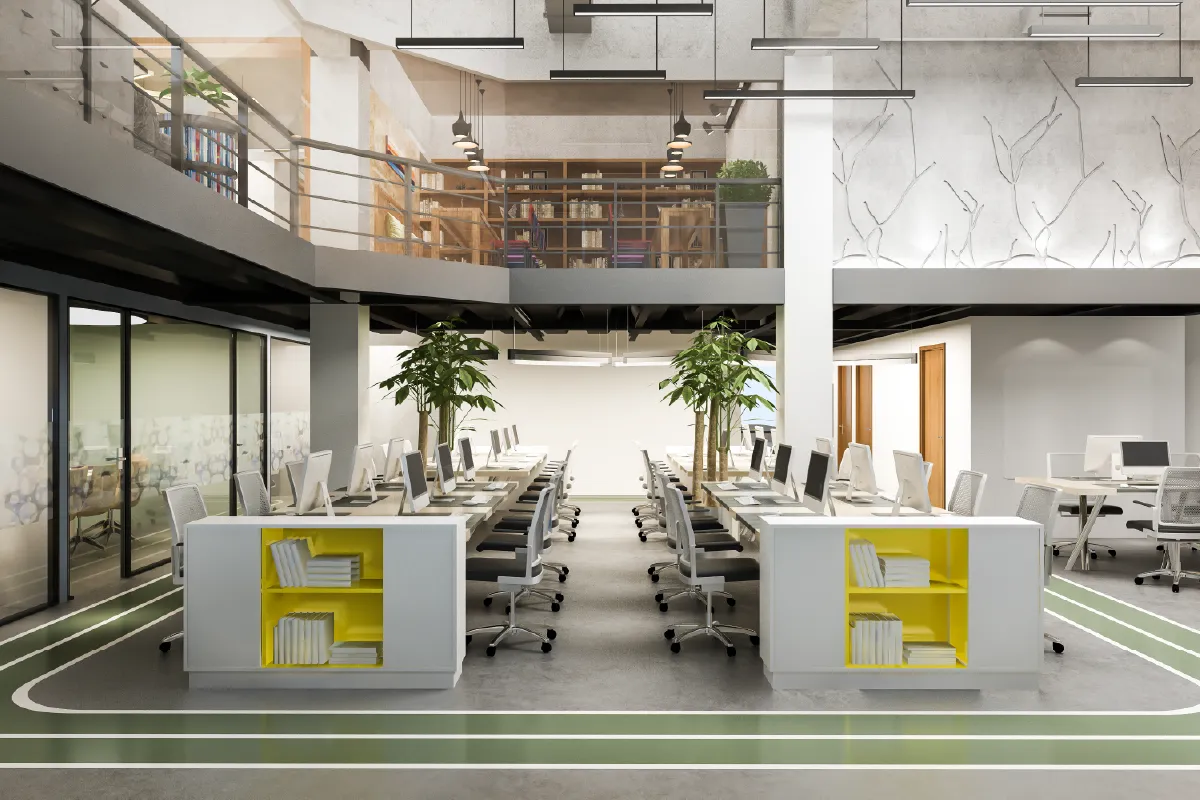
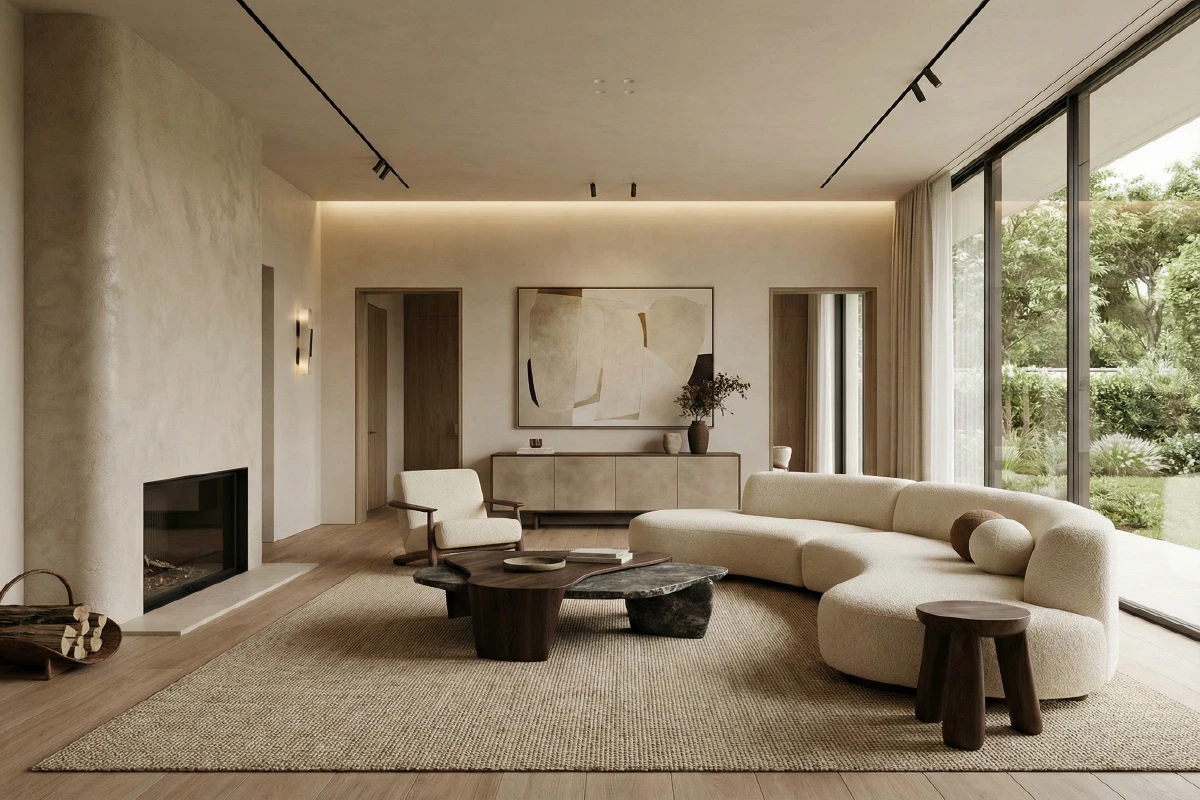
Mistake 2: Poor or Inconsistent Visual Quality
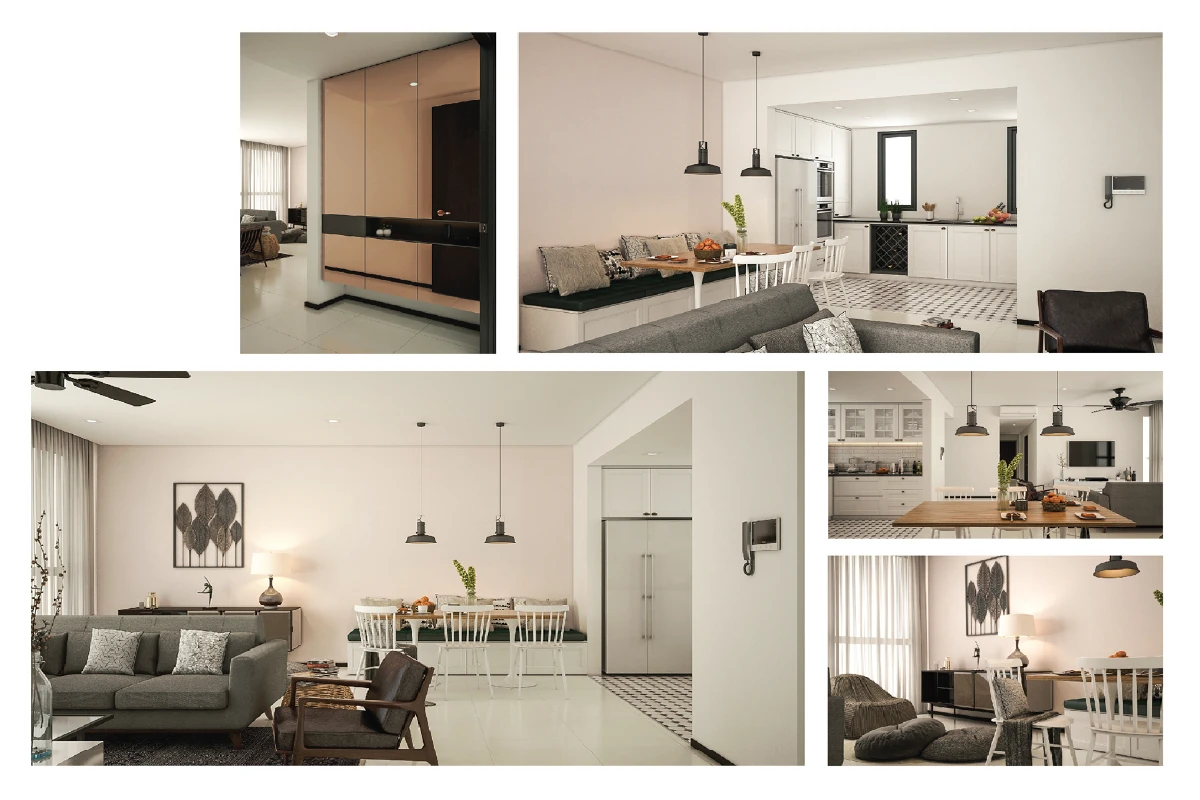
Visual quality has a direct impact on how portfolios are perceived. Even strong design work can appear underwhelming if images are poorly lit, low resolution, or inconsistently presented.
Clients reviewing portfolios online rely almost entirely on visuals to form initial impressions. Inconsistent photography, awkward angles, or unclear images can reduce confidence and distract from the actual design intent.
From a client’s viewpoint, consistent visual presentation suggests professionalism, attention to detail, and reliability—qualities that matter when selecting interior professionals for high-value projects.
Mistake 3: Missing Context Behind Projects
Another common issue is portfolios that present images without explaining the project context. While visuals show outcomes, they do not always communicate purpose, constraints, or problem-solving.
Clients often want to understand:
- What the original requirement or brief was
- What challenges were addressed
- Why certain design decisions were made
Without this context, clients may admire the aesthetics but struggle to assess suitability for their own project. Brief, client-friendly descriptions help bridge this gap and improve understanding.
Mistake 4: Not Showing the Design Process
Portfolios that display only finished images often miss an important opportunity to build trust. From a client’s perspective, understanding how a designer approaches a project can be just as important as the final outcome.
Clients frequently want reassurance that a professional can handle complexity, adapt to constraints, and work through challenges. When portfolios lack any insight into process, clients may find it difficult to evaluate how a professional works beyond surface aesthetics.
Process visibility does not require sharing technical documentation. Even limited glimpses—such as early concepts, mood references, or layout evolution—help clients understand how ideas translate into finished spaces.
Mistake 5: Featuring Outdated or Irrelevant Work
Portfolios often include projects completed many years earlier that no longer reflect current design direction, skill level, or market expectations. While older work may have historical value, it can misrepresent a professional’s present capabilities.
Clients evaluating portfolios typically assume that featured work represents recent experience. When visual styles, materials, or layouts feel outdated, confidence can decrease—even if the work was strong at the time.
Regular portfolio updates help ensure that showcased projects align with current market demand, contemporary standards, and the type of work being pursued.
Mistake 7: Overuse of Design Jargon
Technical language may be common within the design industry, but excessive jargon can distance clients who are not familiar with professional terminology.
Portfolios that rely heavily on complex descriptions often create confusion rather than clarity. Clients may struggle to understand what is being offered or why certain design decisions matter.
Client-friendly language that focuses on function, experience, and outcomes tends to be more effective. Simplifying descriptions does not reduce expertise—it improves communication.
Mistake 8: Lack of Proof and Credibility Signals
Portfolios that rely solely on visuals often miss an important element from a client’s perspective: proof. While images show what a space looks like, they do not always communicate reliability, outcomes, or client satisfaction.
Clients evaluating interior designers frequently look for indicators that others have successfully worked with the professional before. Without these signals, even strong portfolios can feel incomplete.
Common credibility elements clients expect include:
- Client testimonials or brief feedback
- Short case study summaries
- Before-and-after comparisons where relevant
- Clear indication of project completion
These elements help clients move from admiration to confidence, particularly when projects involve significant budgets or timelines.
Mistake 9: Limited Portfolio Visibility and Discoverability
A well-prepared portfolio has limited value if clients struggle to find it. Many interior designers focus on building portfolios but underestimate the importance of where and how those portfolios are presented.
From a client’s perspective, discoverability matters. Clients often compare multiple professionals during early research stages, and portfolios that are difficult to access or share may be overlooked entirely.
Clear online presentation, consistent updates, and placement within structured platforms increase the likelihood that portfolios will be reviewed and compared fairly.
How Super Fitout Helps Clients Evaluate Portfolios More Clearly
Super Fitout does not create, curate, or modify interior design portfolios. Instead, the platform provides a structured environment where clients can review and compare portfolios alongside project requirements and proposals.
By presenting portfolios within a consistent format, Super Fitout helps clients focus on relevance, experience, and suitability rather than navigating disconnected websites or informal references.
This structured comparison supports transparency and reduces reliance on assumptions—allowing clients to make decisions based on evidence rather than presentation alone.
Final Thoughts on Avoiding Portfolio Mistakes
Portfolios play a critical role in how interior designers are evaluated in Qatar’s competitive market. Many missed opportunities result not from lack of talent, but from unclear, outdated, or poorly structured portfolios.
By avoiding common mistakes—such as lack of focus, missing context, weak credibility signals, and limited visibility—portfolios become clearer, more trustworthy, and easier for clients to evaluate.
When portfolios communicate both quality and clarity, they support better alignment between clients and professionals, leading to stronger project outcomes.
Frequently Asked Questions
-
Why do portfolios matter so much to clients?
Portfolios help clients evaluate relevance, experience, and consistency before engaging in detailed discussions or proposal reviews. -
Is it better to show many projects or fewer curated ones?
Clients generally prefer focused portfolios that clearly demonstrate experience in relevant project types rather than large collections without direction. -
Do clients expect process details in portfolios?
While full technical documentation is not required, limited insight into process helps clients understand how projects progress from concept to completion. -
Does Super Fitout edit or verify portfolio content?
No. Super Fitout does not edit or verify portfolio content. All portfolios are provided directly by independent interior designers and fit-out companies. -
Can Super Fitout help clients compare portfolios more easily?
Yes. Super Fitout presents portfolios within a structured comparison framework, making it easier for clients to review multiple professionals objectively.