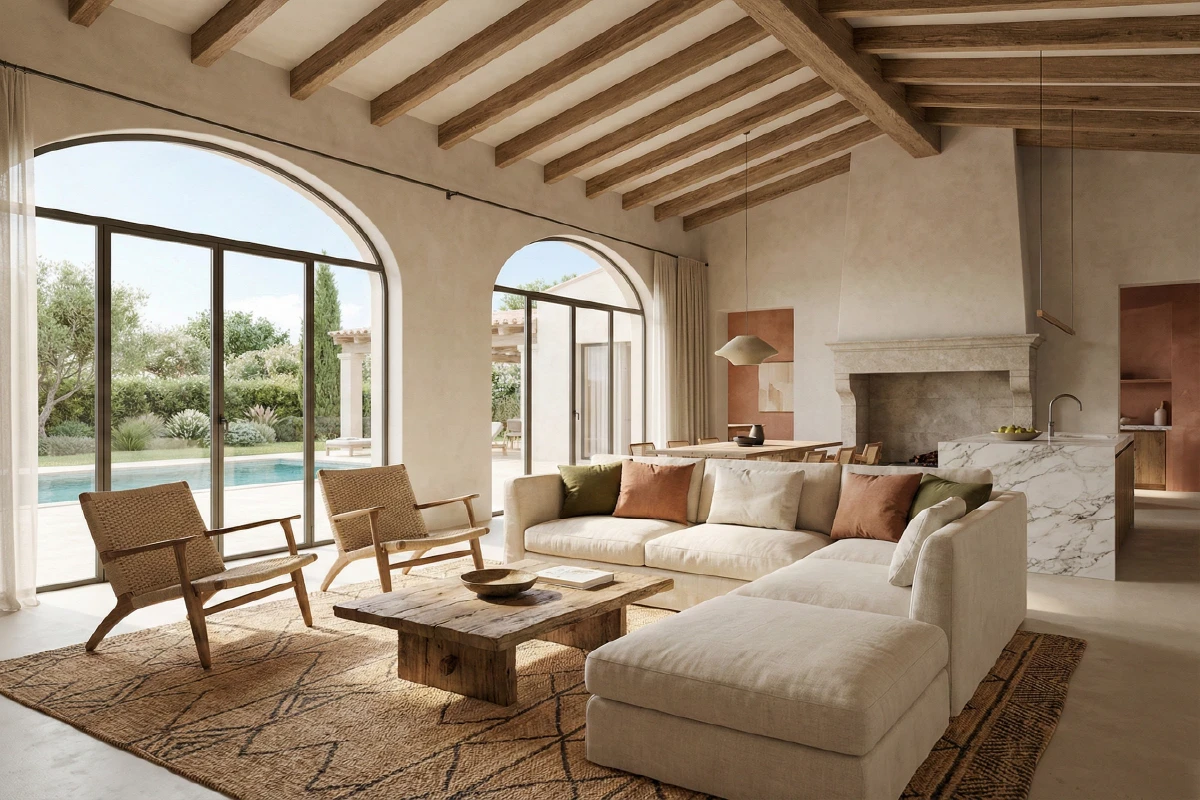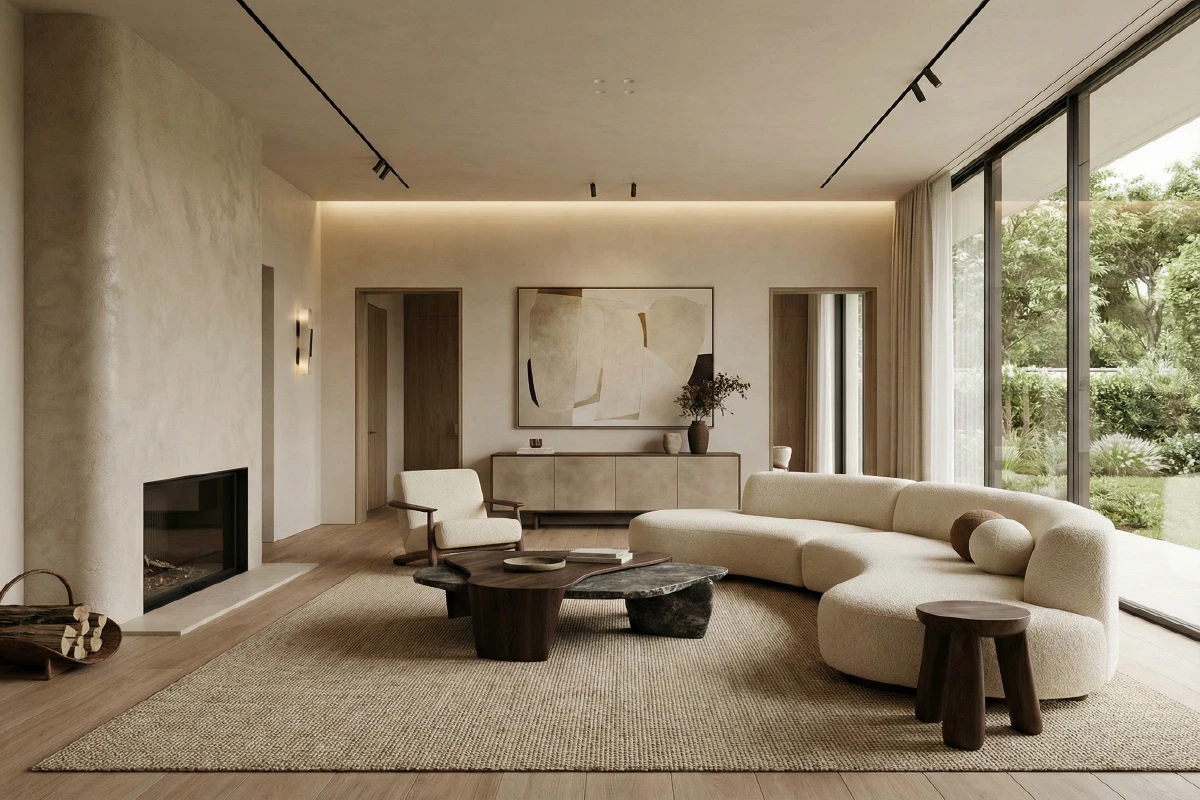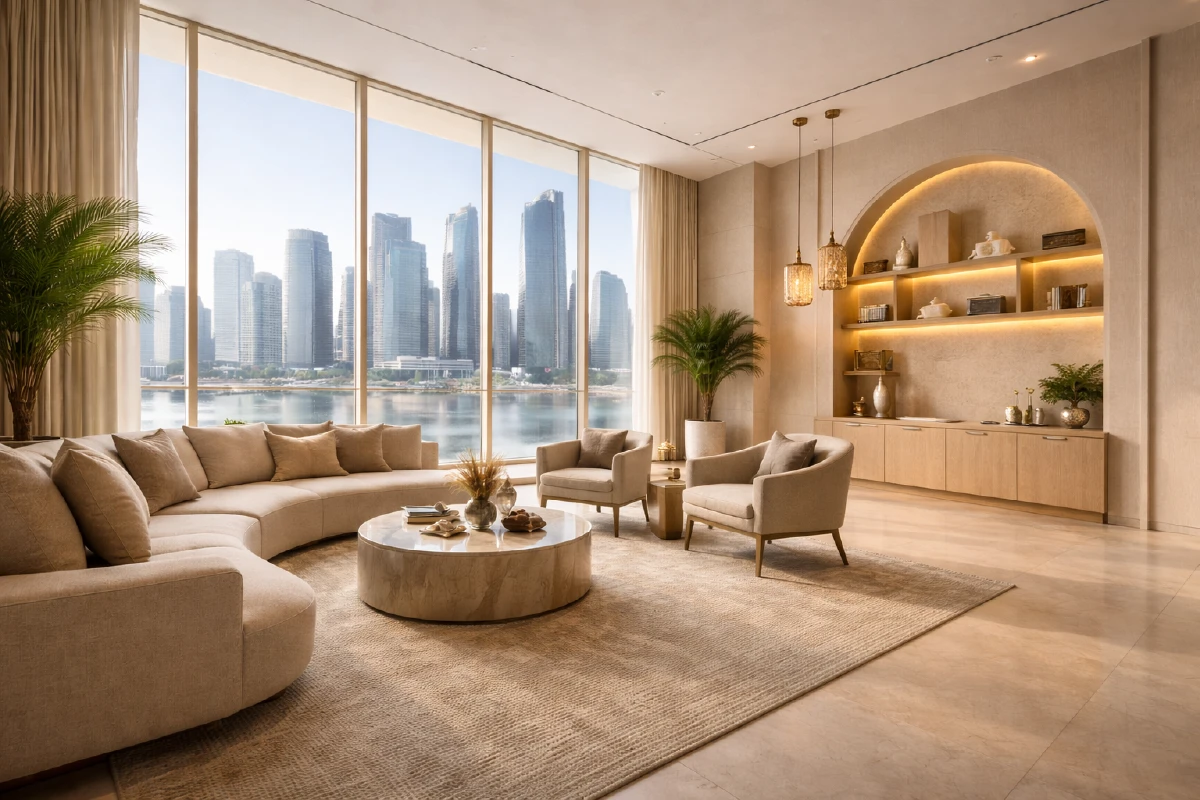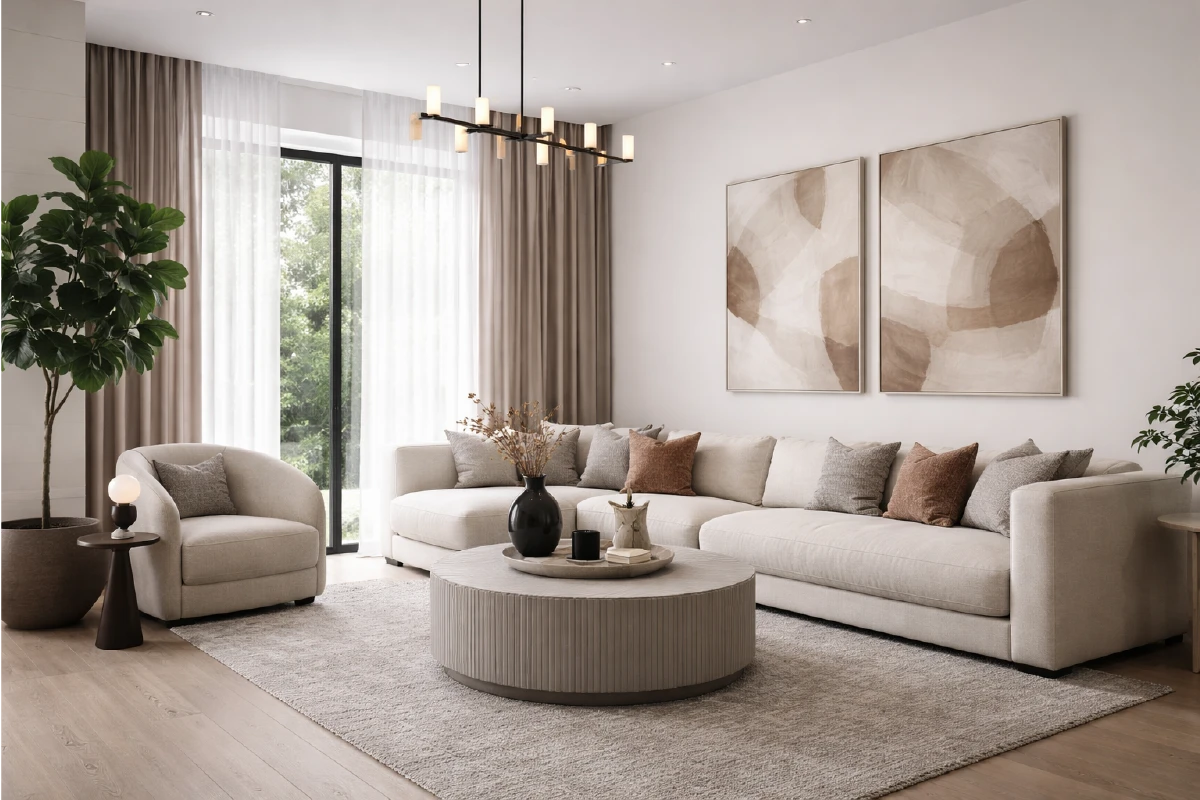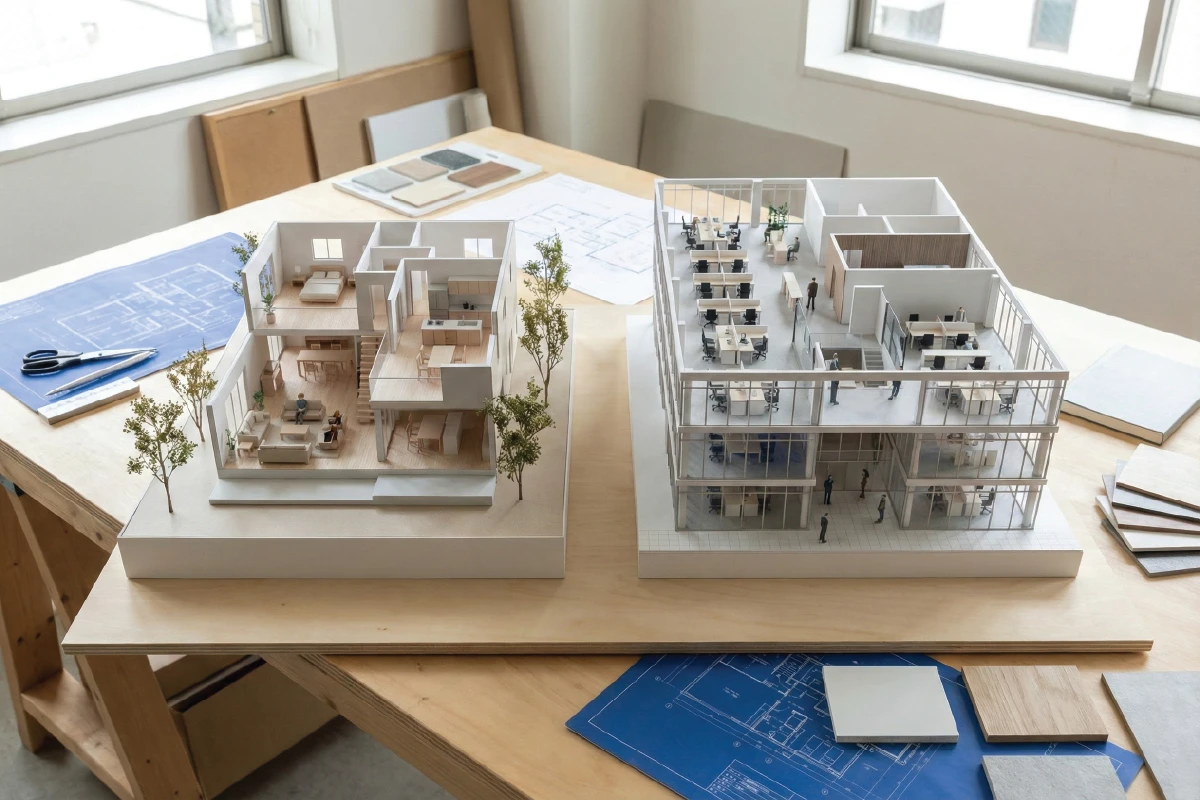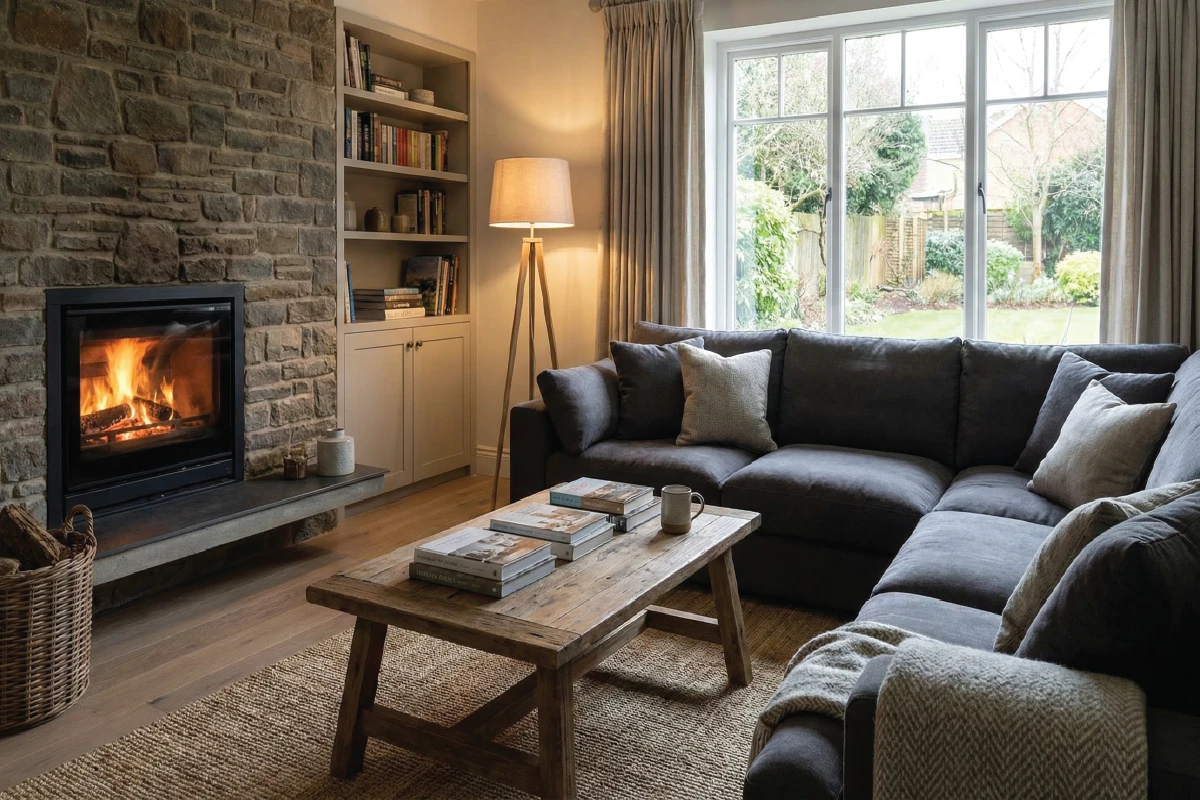
Over the past decade, Qatar’s interior design landscape has undergone significant transformation. From traditional souqs and majlis layouts to contemporary villas in Lusail and The Pearl, design across the country reflects a growing emphasis on sustainability, technology, and culturally informed living. From the vibrant souqs and traditional majlis layouts to the sleek modern villas rising across Lusail and The Pearl, Qatar has become a melting pot of design innovation. But what’s truly defining the future of interior design here is not just luxury or aesthetics, it’s sustainability and smart living.
The future of interior design in Qatar is about creating spaces that are technologically intelligent, environmentally responsible, and emotionally enriching. It’s where energy efficiency meets elegance, and innovation aligns with cultural values. This article examines how sustainable design principles and smart living concepts are shaping the future of residential and commercial interiors in Qatar, and what these changes mean for evolving lifestyles and work environments.
1. Qatar’s Vision 2030: The Foundation of Design Evolution
To understand where design in Qatar is heading, we must begin with Qatar National Vision 2030. This long-term framework focuses on human, social, economic, and environmental development - and the design industry plays a vital role in achieving these goals.
Sustainability has become more than a buzzword; it’s a design mandate. As the country prepares for a greener, smarter future, every aspect of architecture and interior design is being reimagined - from material selection to lighting, air quality, and energy consumption.
For example:
In residential developments across areas such as Al Wakrah, many homeowners are increasingly prioritizing homes that combine modern comfort with environmental responsibility. Common features include energy-efficient lighting, locally sourced materials, smart shading systems, and solar-integrated solutions.
2. The Rise of Smart Homes in Qatar
Walk into any newly constructed villa in Lusail or West Bay today, and you’ll likely encounter a smart ecosystem controlling everything from lighting to climate. Qatar’s homeowners and developers are embracing smart technology not as a luxury, but as a lifestyle essential.
What Makes a Smart Home “Smart”?
Smart homes use automation and AI-driven systems to enhance comfort, security, and efficiency. In Qatar’s context, these systems are being customized for local living conditions.
Here’s what’s becoming standard in smart Qatari homes:
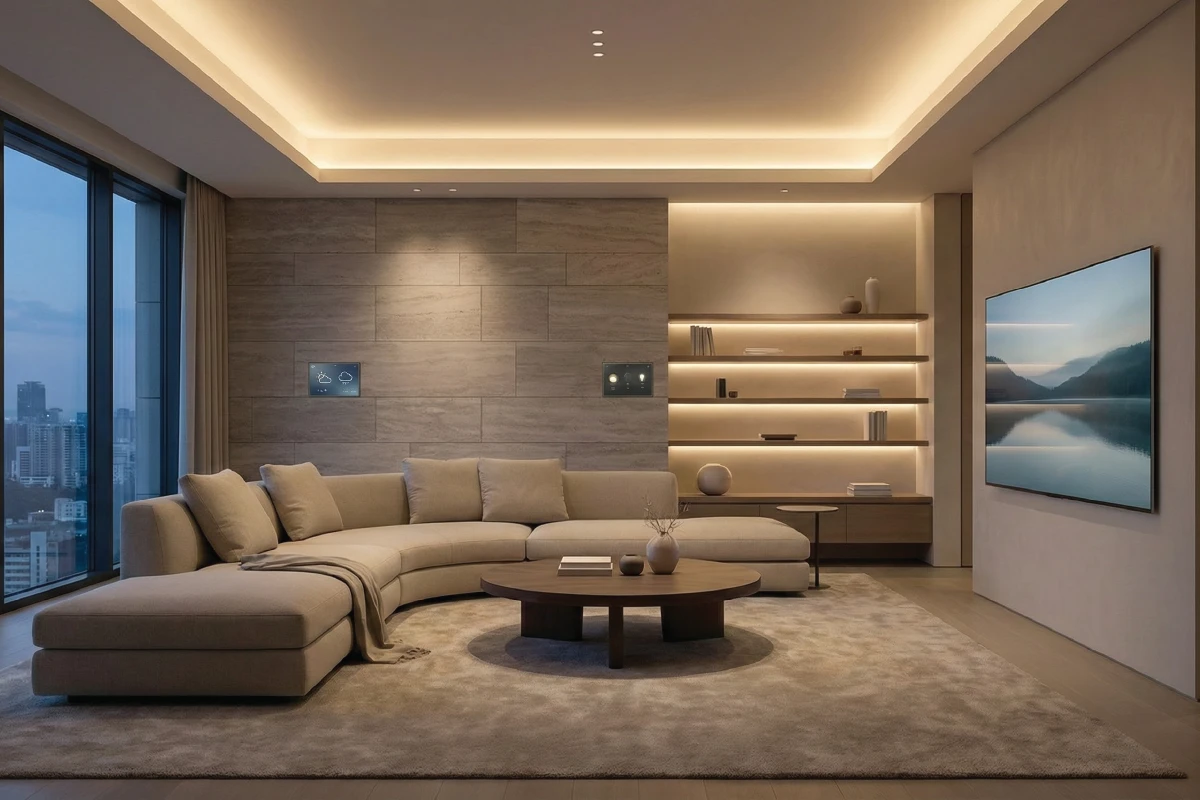
- Automated lighting and climate control: Systems that adjust brightness and temperature based on occupancy or time of day.
- Energy management dashboards: Apps that track energy consumption and optimize usage for cost and environmental efficiency.
- Voice and gesture controls: Perfect for families who value convenience and modern aesthetics.
- Integrated security: Smart door locks, motion sensors, and surveillance connected through cloud-based systems.
- Multi-sensory ambiance control: Some luxury villas now include smart scent diffusers and dynamic soundscapes to enhance mood.
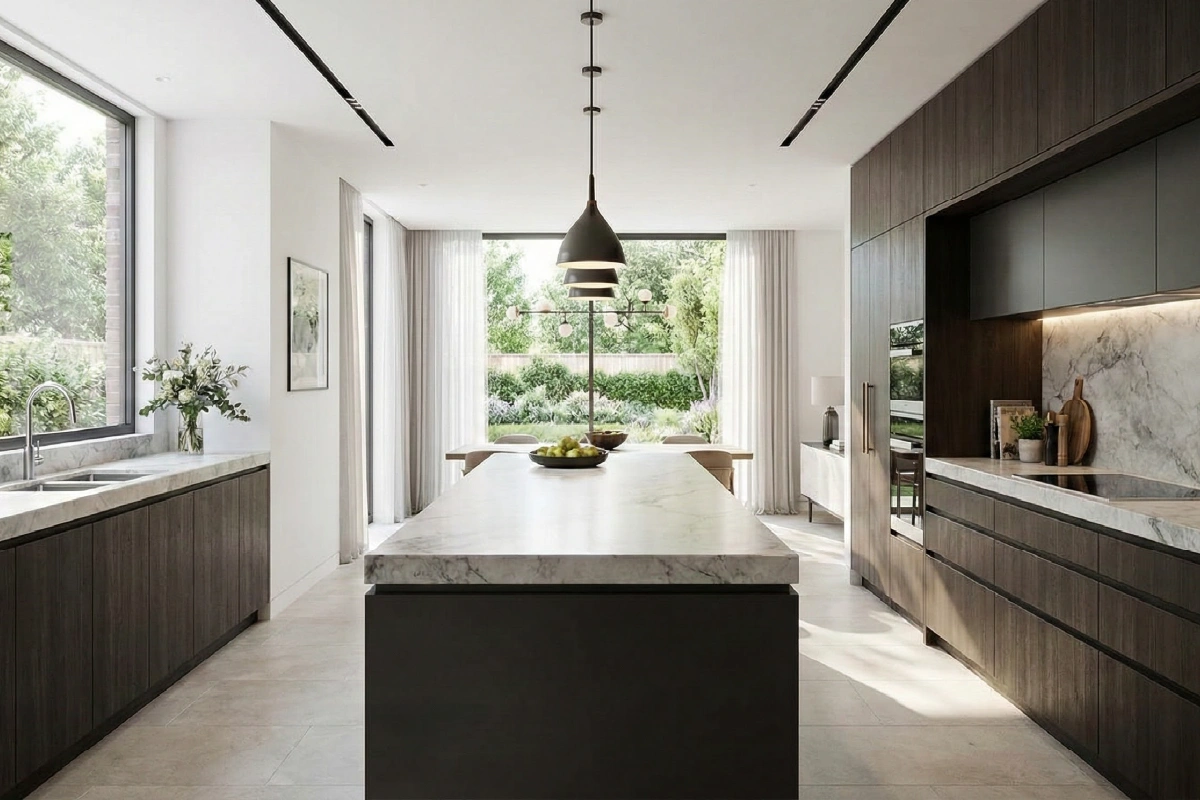
Modern smart home systems are designed to create seamless living experiences, where lighting, temperature, and shading respond automatically to user preferences and daily routines.
3. Sustainability as the New Luxury
Luxury in Qatar used to be defined by opulence, grand chandeliers, marble floors, and imported Italian furniture. But times are changing. Today’s elite homeowners value sustainable luxury, materials, finishes, and systems that reflect environmental consciousness.
What Does Sustainable Luxury Look Like?
- Locally sourced materials: Instead of importing everything, designers now favor Qatari limestone, natural gypsum, and regionally crafted furniture.
- Recycled and upcycled design elements: Tables made from reclaimed wood or lighting fixtures crafted from recycled glass add both character and conscience.
- Energy-efficient fixtures: LED lighting, solar panels, and smart thermostats are standard in most high-end projects.
- Biophilic design: Incorporating natural light, greenery, and water elements to create harmony with nature.
In high-end residential properties across areas such as The Pearl, sustainable luxury features are becoming more common. Motion-based LED lighting, improved indoor air quality systems, and natural design elements are increasingly used to enhance both comfort and environmental performance.
4. Biophilic Design: Bringing Nature Indoors
Qatar’s desert environment may seem stark, but the country’s new design trend brings the outdoors inside. Biophilic design, integrating natural elements into interiors, is reshaping both residential and commercial projects.
Practical Biophilic Strategies
- Natural materials: Use of bamboo, wood, and linen to introduce organic warmth.
- Living walls: Green walls that improve air quality and serve as stunning focal points.
- Daylighting: Maximizing natural light through skylights and reflective surfaces.
- Water features: Indoor fountains and aquariums provide sensory calmness.
- Desert-inspired textures: Sand-colored palettes and organic shapes connect homes to the local landscape.
In office environments across Doha, biophilic design strategies are being adopted to improve comfort and productivity. Natural color palettes, organic forms, and indoor greenery are commonly used to create calmer and more engaging workspaces.
5. Adaptive Reuse and Modular Design
As sustainability deepens its roots, adaptive reuse, repurposing existing structures and materials, is gaining popularity. Instead of demolishing, designers are restoring and reinventing.
Imagine an old villa in Al Khor transformed into a boutique workspace, where the original arches remain but are framed by glass and steel. Modular furniture, movable walls, and multifunctional rooms allow spaces to evolve over time, an essential need for families and businesses that value flexibility.
6. The Role of Technology in Design Visualization
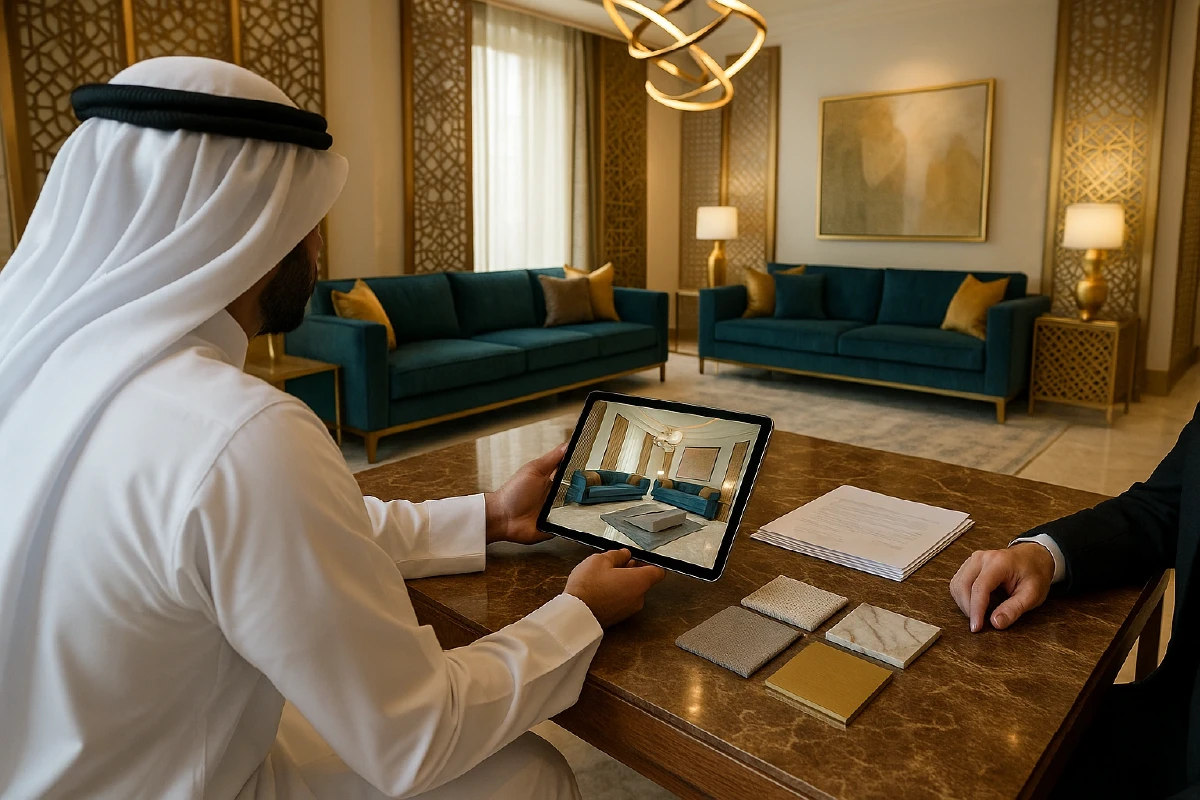
Before any project breaks ground, clients in Qatar now expect immersive previews of their interiors. Thanks to technology, designers can present lifelike 3D walkthroughs, augmented reality layouts, and virtual reality tours.
This digital transformation enhances collaboration between designer and client, ensuring that cultural preferences, spatial requirements, and aesthetic goals are aligned before construction begins.
7. Designing for Community and Culture
No matter how advanced the technology becomes, Qatar’s interior design remains rooted in culture and community. The majlis, for example, continues to be a defining feature of Qatari homes, a symbol of hospitality and connection.
Modern Majlis Design Tips
- Maintain the traditional layout with ample seating but integrate discreet technology such as embedded speakers or ambient lighting.
- Use rich fabrics and calligraphic artwork to celebrate cultural motifs.
- Choose sustainable finishes - natural wood and Eco-Friendly textiles - to blend heritage with modern consciousness.
Even in commercial interiors, community-centric design is rising. Co-working spaces, hospitality lounges, and wellness centers are now being designed to encourage interaction and inclusivity, a nod to Qatar’s social fabric.
8. Energy Efficiency and Smart Lighting
Lighting plays a dual role in Qatar, it enhances aesthetics and influences energy use. Designers are moving toward human-centric lighting, which adapts to natural circadian rhythms. This approach not only improves wellbeing but also saves energy.
Practical Smart Lighting Tips for Qatari Homes
- Use motion sensors: Automatically switch off unused lights.
- Implement dimming controls: Adjust brightness based on daylight availability.
- Opt for warm LED tones: Reflect the natural desert sunset ambiance.
- Automate external shading: Prevent direct sunlight during peak hours to maintain indoor comfort.
In residential developments across Lusail, smart lighting systems are increasingly used to improve energy efficiency while enhancing interior atmosphere. Motion sensors and adaptive lighting controls contribute to measurable reductions in energy use.
9. The Growing Importance of Indoor Air Quality
With Qatar’s hot climate, people spend a significant portion of time indoors. Hence, air quality has become a vital element of design wellness. Designers now focus on using low-VOC paints, natural fabrics, and green air filters that purify the indoor environment.
Moreover, proper ventilation systems and air-purifying indoor plants like snake plants, pothos, and areca palms are being used extensively in residential interiors.
10. The Future Workspaces of Qatar
Post-pandemic design trends are influencing Qatar’s commercial interiors too. Offices are now being designed for hybrid work models, blending flexibility, sustainability, and smart technology.
Key features of next-generation workspaces include:
- Ergonomic and flexible furniture systems.
- Acoustic panels made from recycled materials.
- Natural lighting and green zones to enhance focus.
- Smart booking systems for meeting rooms and shared areas.
These concepts are reshaping how people experience corporate environments - making them more human-centric, sustainable, and tech-integrated.
Conclusion: A Design Future Rooted in Conscious Living
The future of interior design in qatar reflects a broader shift toward conscious living. Sustainability, intelligent systems, and cultural continuity are becoming defining elements of modern residential and commercial spaces.
Across Qatar, both private and commercial interiors are increasingly shaped by smart technologies, sustainable materials, and adaptable layouts that respond to changing lifestyle and work patterns.
As these trends continue to mature, interior spaces in Qatar are expected to prioritize long-term wellbeing, environmental responsibility, and flexibility — creating environments that evolve alongside the people who use them.
FAQs: The Future of Interior Design in Qatar
1. What are the key trends shaping interior design in Qatar?
Smart home automation, sustainable materials, biophilic design, and cultural integration are defining the future.
2. Is sustainability really practical for Qatari homes?
Yes. Energy-efficient lighting, solar integration, and locally sourced materials are making sustainability both affordable and achievable.
3. What technologies are popular in smart homes?
Automated lighting, climate control, smart security systems, and voice-controlled appliances are common features.
4. How can I make my home more eco-friendly?
Start by using LED lighting, water-efficient fixtures, natural materials, and low-VOC paints.
5. What is biophilic design, and why is it trending in Qatar?
It’s about bringing nature indoors - through light, greenery, and organic textures - to improve wellbeing and reduce stress.
6. Can traditional Qatari design coexist with modern smart technology?
Absolutely. Many modern interiors retain traditional elements like majlis layouts or mashrabiya screens while integrating automation discreetly.
7. Are smart homes expensive to set up?
While initial costs can be higher, the long-term energy savings and comfort make them cost-effective.
8. How important is indoor air quality in Qatar?
Crucial. With most people spending significant time indoors, healthy air contributes to wellbeing and productivity.
9. What does sustainable luxury mean in Qatar’s design context?
It means eco-conscious elegance - materials and systems that are both refined and responsible.
10. How can commercial spaces benefit from smart design?
Smart and sustainable offices enhance productivity, reduce operational costs, and align with Qatar’s green building goals.
Final Thought:
In Qatar, the future of interior design is not just a trend, it’s a transformation. The merging of sustainability, smart technology, and cultural respect is redefining how spaces are conceived and experienced. The homes and workplaces of tomorrow in Qatar will not only look magnificent, they will think, feel, and care.