Interior projects generally fall into three clear budget categories—luxury, medium, and affordable. Each category differs in material quality, level of customisation, design complexity, execution standards, and long-term durability. This guide explains how each budget category works in real projects across the country, helping homeowners and business owners choose the right approach before requesting quotes or hiring designers.
Understanding Interior Budget Categories
Interior budgets are not defined only by how much money is spent. They are shaped by several interconnected factors: the type of property, the level of customisation, imported versus local materials, approval requirements, labour expertise, and execution timelines. A luxury villa renovation in The Pearl follows a very different cost logic compared to an affordable apartment upgrade in Wakrah or a medium-budget office fit out in West Bay.
Most interior professionals broadly group projects into three categories to set expectations clearly from the beginning. These categories help clients understand what is realistically achievable within a given budget and prevent misunderstandings during execution.
Luxury Interior Category
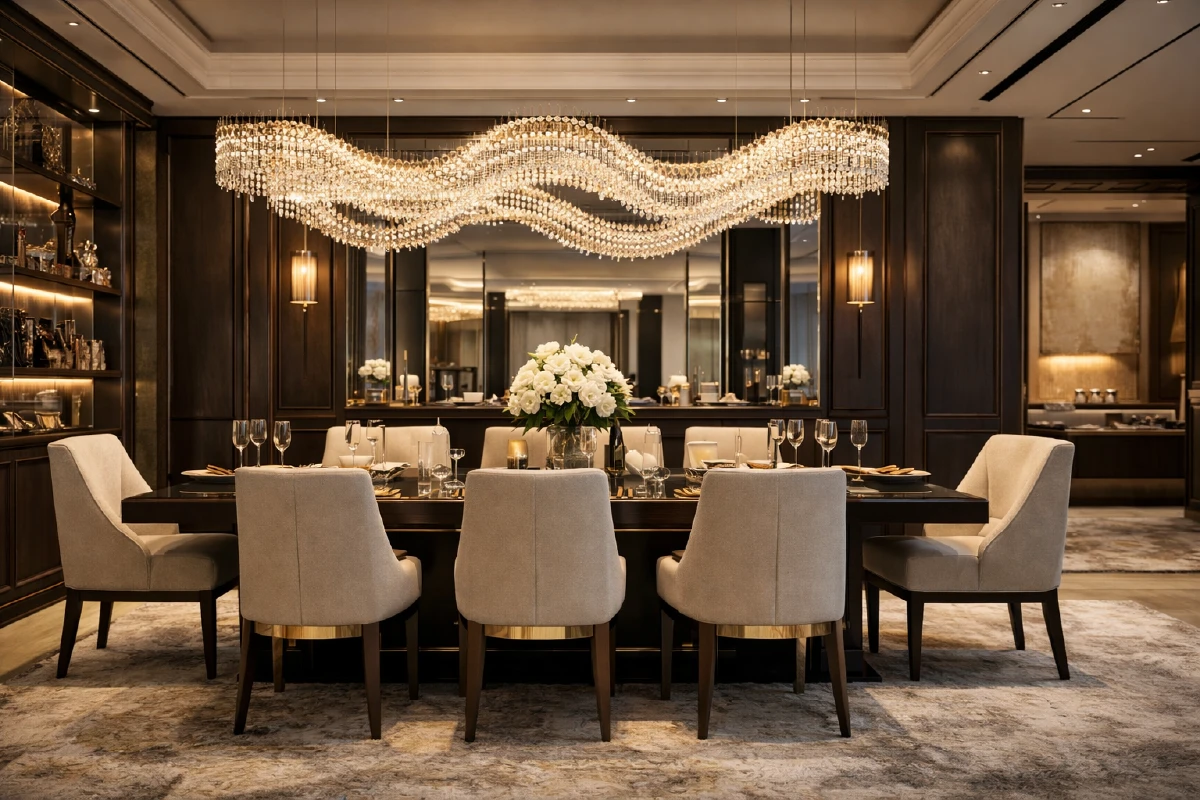
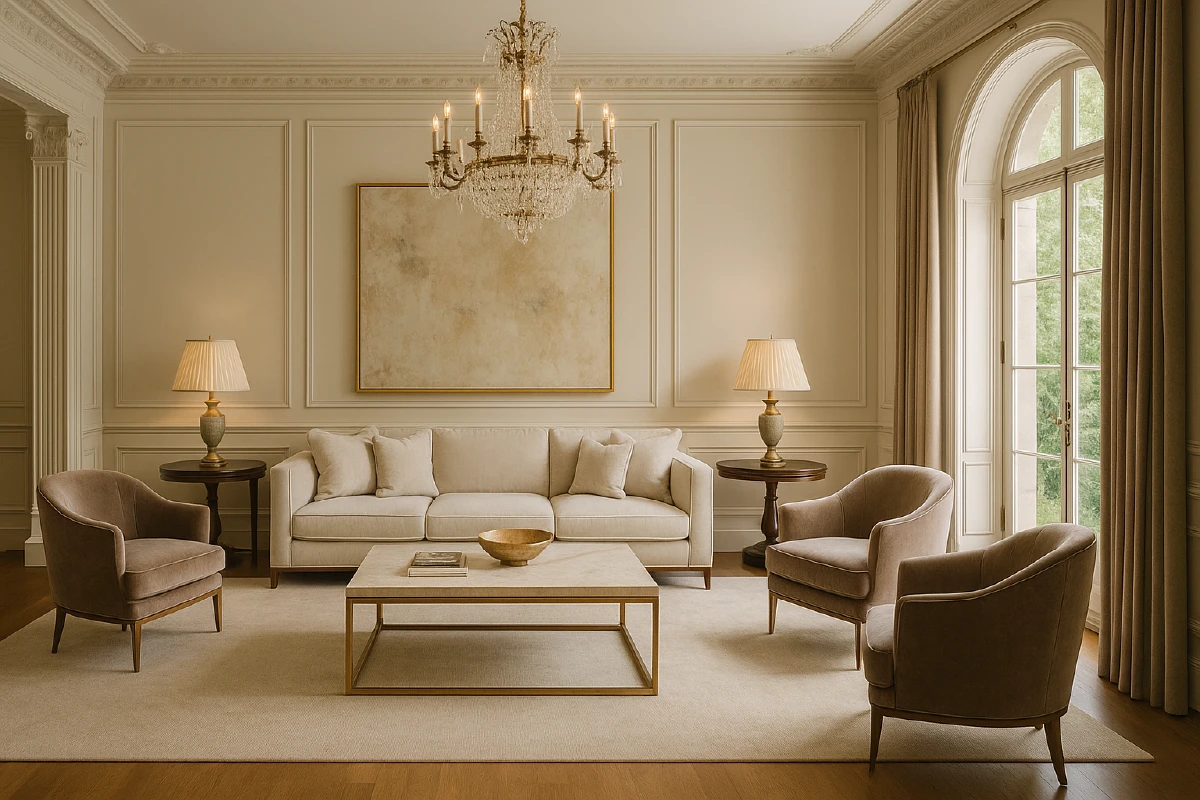
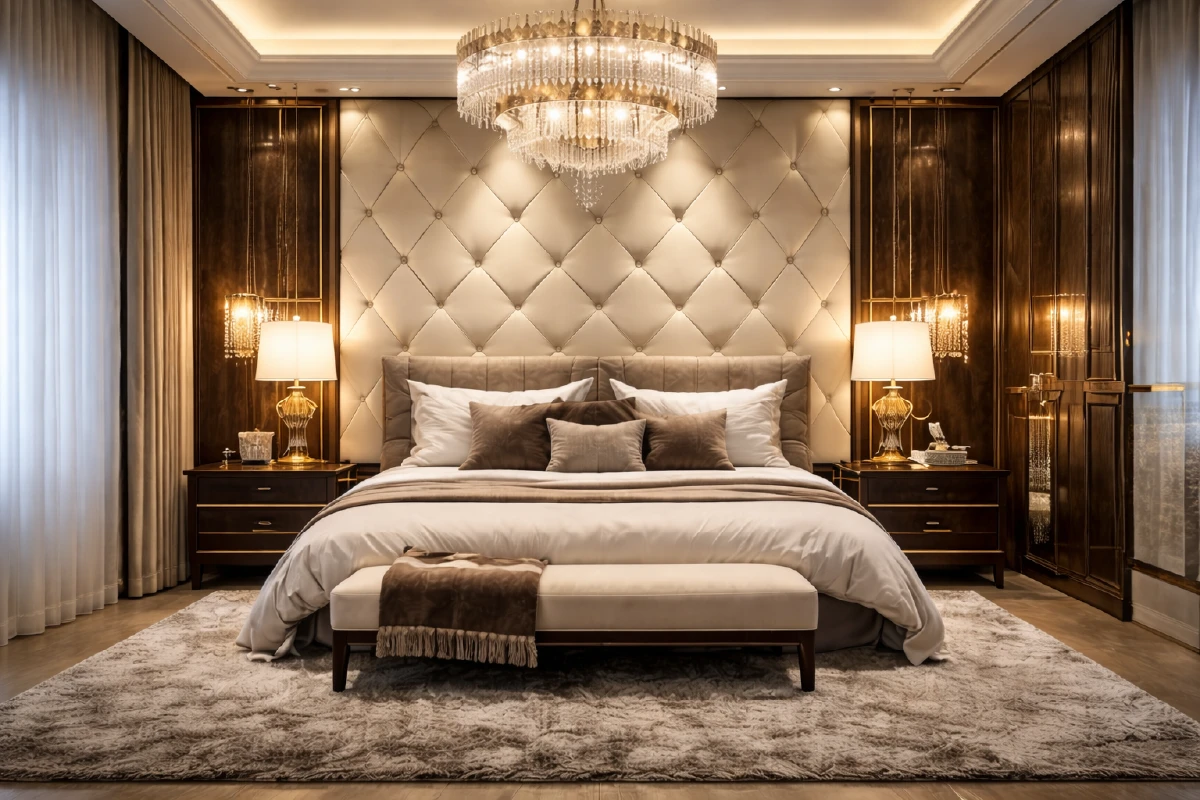
Luxury interiors represent the highest level of customisation, detailing, and material quality. This category is chosen by clients who prioritise exclusivity, refined craftsmanship, and long-term value over cost control. Luxury interiors are common in villas, penthouses, private majlis areas, five-star hospitality spaces, and premium retail boutiques.
| Aspect | What It Includes |
|---|---|
| Materials | Natural marble, engineered stone, solid wood, imported wallpapers, custom metal finishes |
| Design Approach | Bespoke concepts developed specifically for the client |
| Furniture | Custom-made or imported designer furniture |
| Lighting | Layered lighting plans, decorative fixtures, architectural lighting |
| Execution | Highly skilled labour with close site supervision |
Luxury interiors usually involve extended design phases, detailed technical drawings, and close coordination between designers, contractors, and suppliers. Clients opting for this category should expect longer timelines and higher upfront investment, balanced by superior finish quality and longevity.
Medium Budget Interior Category
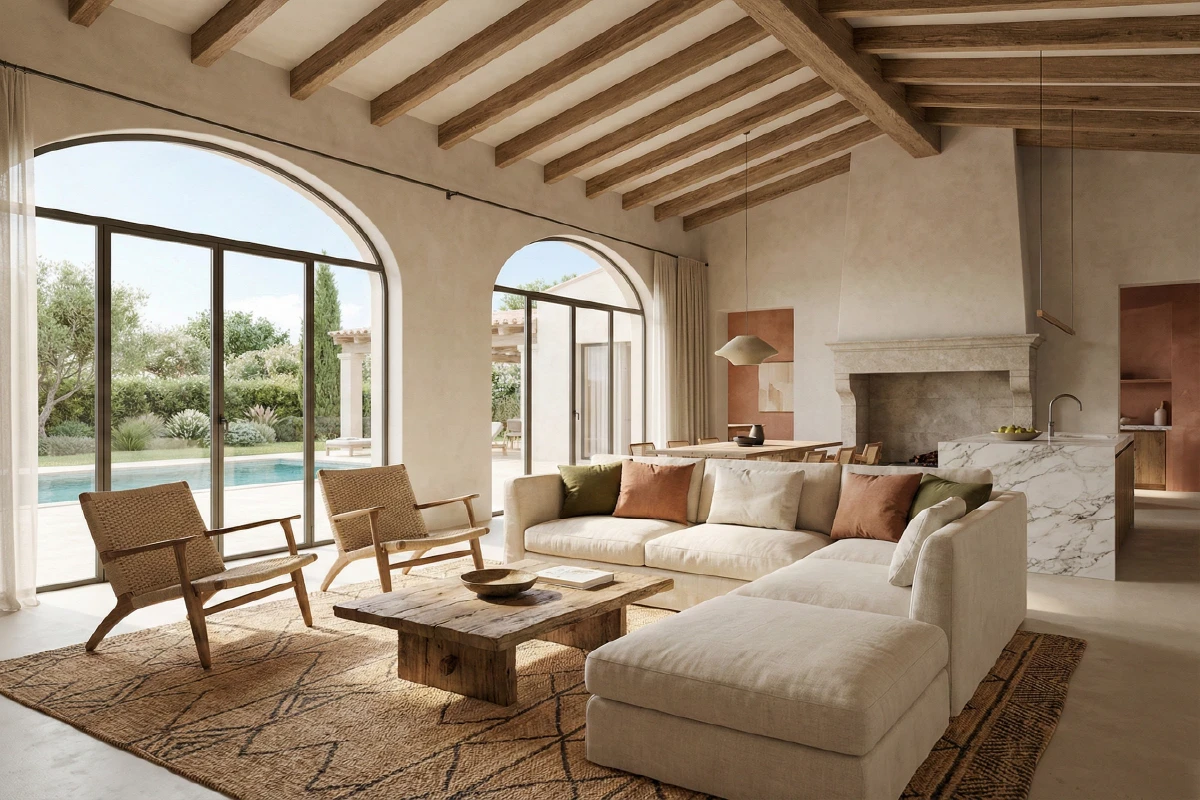
The medium budget category is the most common choice for residential apartments, family villas, offices, clinics, cafés, and mid-scale retail spaces. It balances aesthetics, durability, and cost efficiency, making it ideal for long-term use without excessive spending.
| Aspect | What It Includes |
|---|---|
| Materials | Engineered wood, porcelain tiles, laminates, quality paints |
| Design Approach | Adapted designs with limited customisation |
| Furniture | Mix of ready-made and selectively customised pieces |
| Lighting | Functional LED lighting with selected decorative elements |
| Execution | Professional contractors with standard supervision |
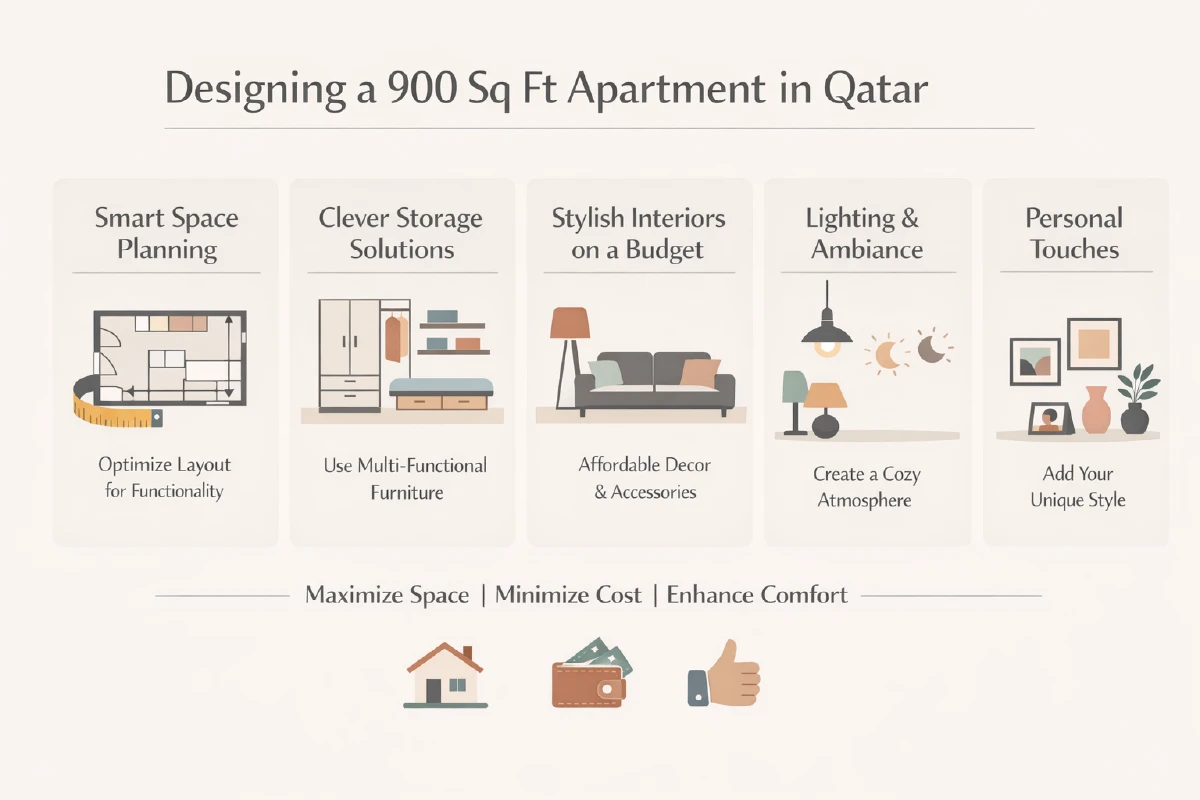
This category allows clients to achieve a polished, modern look while maintaining cost discipline. Smart material choices, efficient layouts, and controlled customisation play a crucial role in keeping the project within budget.
Affordable Interior Category
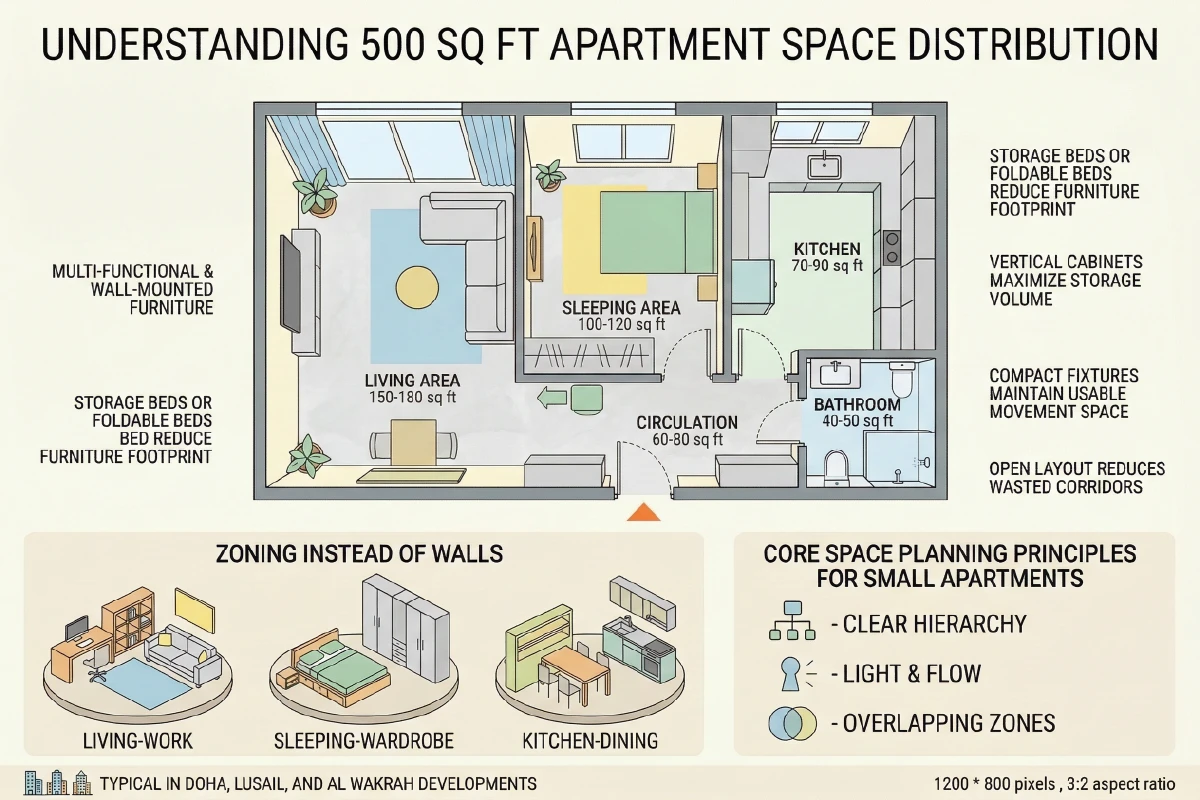
Affordable interiors focus on functionality, practicality, and basic visual appeal. This category is suitable for rental properties, starter homes, temporary commercial setups, staff accommodations, and small offices where cost control is the primary concern.
| Aspect | What It Includes |
|---|---|
| Materials | MDF, basic laminates, vinyl flooring, standard tiles |
| Design Approach | Minimal design intervention, standard layouts |
| Furniture | Ready-made furniture from local suppliers |
| Lighting | Standard fixtures focused on utility |
| Execution | Short timelines with limited detailing |
While affordable interiors reduce initial costs, clients should carefully consider durability and maintenance requirements. Strategic planning can still deliver clean, functional spaces when expectations are aligned correctly.
Interior Budget Comparison Overview
| Factor | Luxury | Medium | Affordable |
|---|---|---|---|
| Customisation Level | Very High | Moderate | Minimal |
| Material Quality | Premium | Good | Basic |
| Execution Time | Long | Medium | Short |
| Maintenance | Low (long-term) | Moderate | Higher over time |
Typical Interior Budget Ranges
| Category | Approx Cost (QAR / sqm) | Best For |
|---|---|---|
| Luxury | 2,000 – 4,000+ | Villas, premium retail, high-end hospitality |
| Medium | 900 – 1,800 | Homes, offices, clinics |
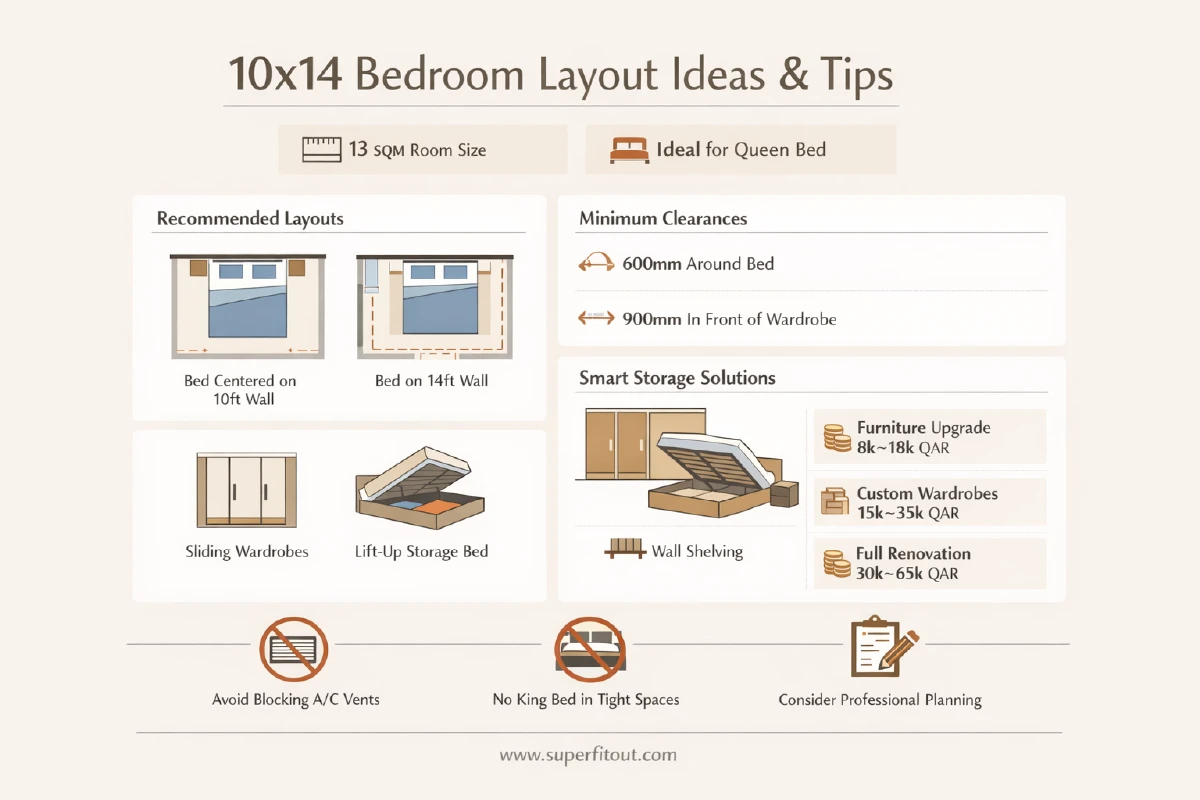
| Affordable | 400 – 800 | Rental units, startups, short-term use |
Get Quotes Based on Your Budget
Once you’ve identified your budget category, you can compare interior designers and fit-out professionals based on experience, pricing, and portfolios.
Get Free QuotesHow To Choose The Right Budget Category
Choosing the correct budget category depends on how the space will be used, how long it will be occupied, and the expectations of occupants or customers. Permanent homes and brand-driven businesses often benefit from medium to luxury investments, while temporary or rental spaces are better suited to affordable solutions.
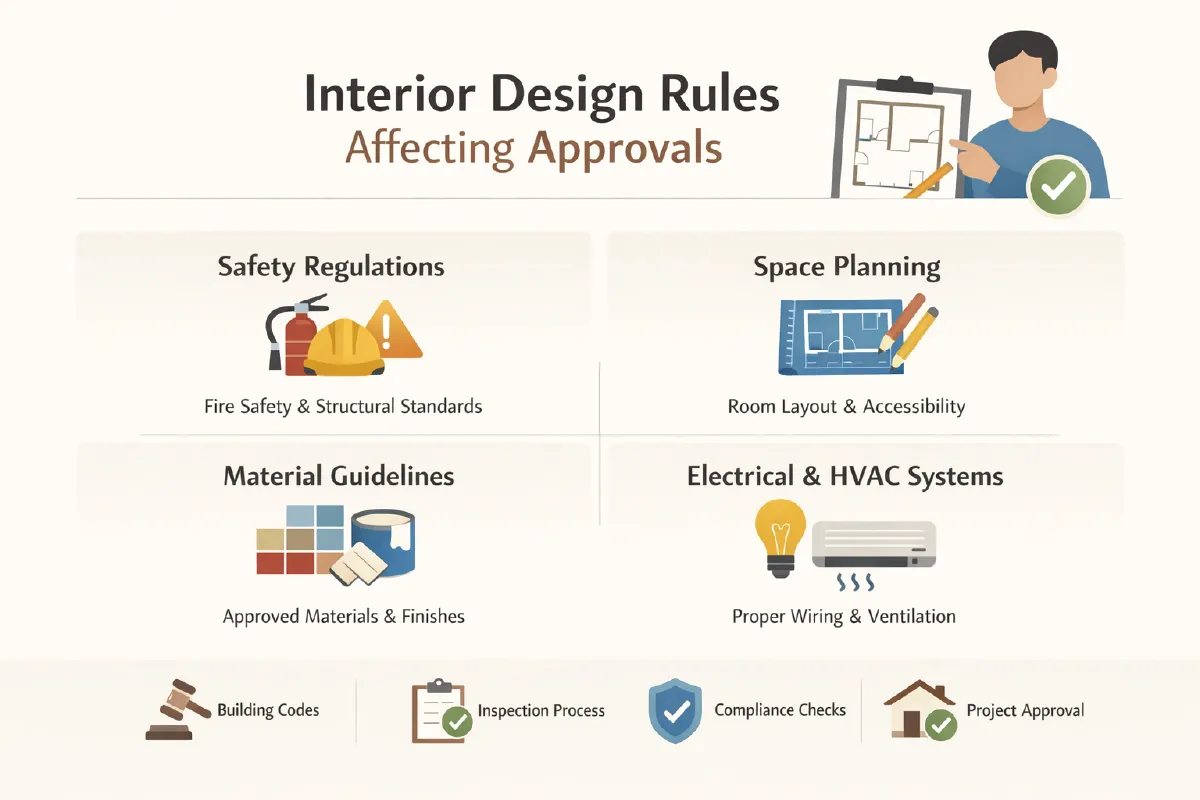
It is also important to consider hidden costs such as approvals, MEP adjustments, and future maintenance. A slightly higher initial budget can sometimes reduce long-term expenses.
Common Budget Mistakes To Avoid
- Choosing finishes without understanding maintenance requirements
- Underestimating approval and technical costs
- Over-customising in short-term properties
- Skipping design planning to save upfront fees
Working With Designers & Contractors
Interior projects succeed when clients, designers, and contractors work with clear expectations. Platforms like Super Fitout simplify this process by allowing clients to compare professionals, budgets, and proposals transparently before making decisions.
FAQs
- Is luxury always better? Not necessarily. The best category depends on usage, timeline, and return on investment.
- Can a medium budget look premium? Yes, with smart material selection and efficient design.
- Are affordable interiors durable? They can be functional but may require more frequent maintenance.
- Do designers work with all budget categories? Most designers adapt their services based on project scope and budget.
- Should I finalise my budget before contacting designers? Yes, it helps receive accurate and relevant proposals.