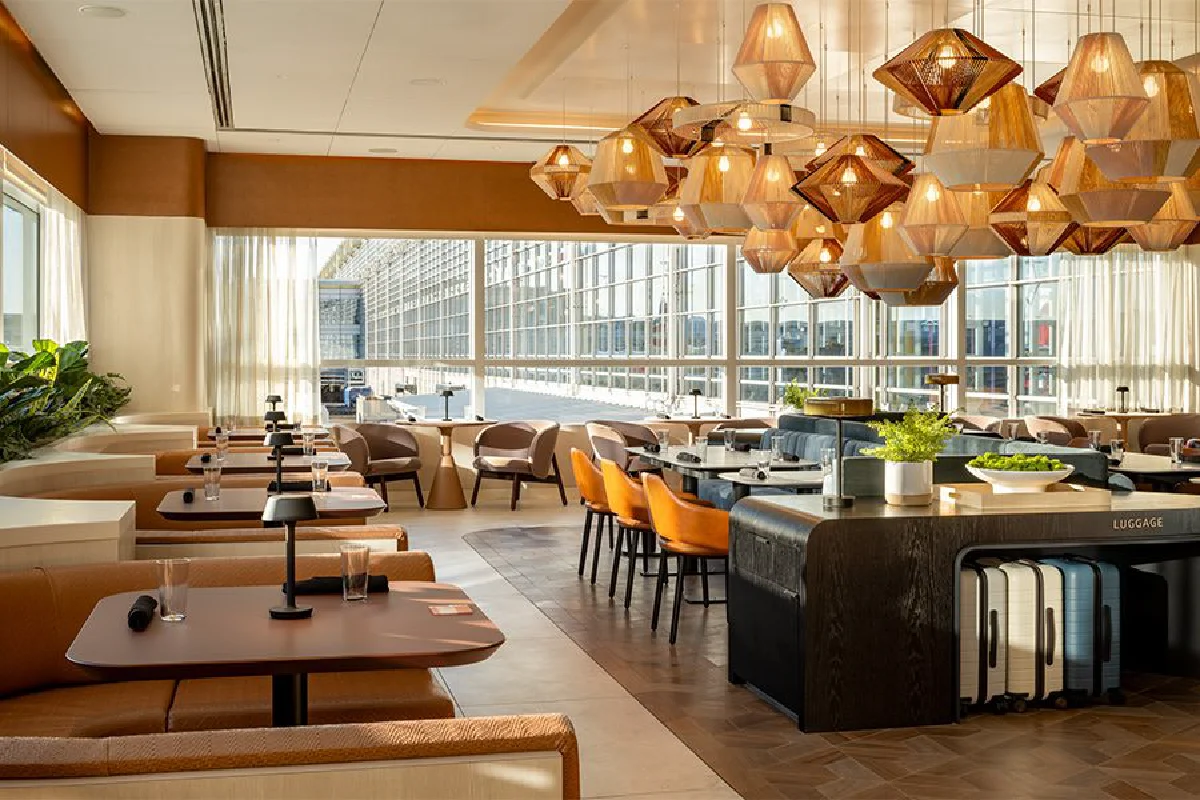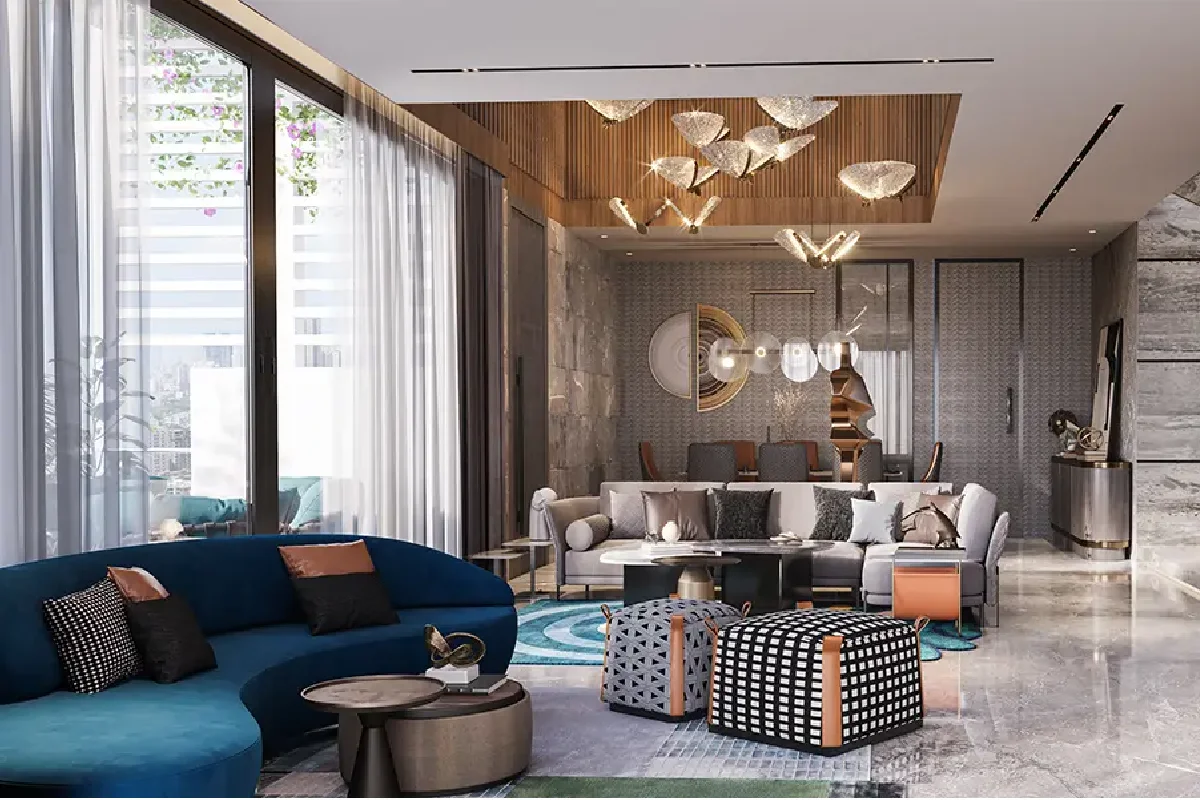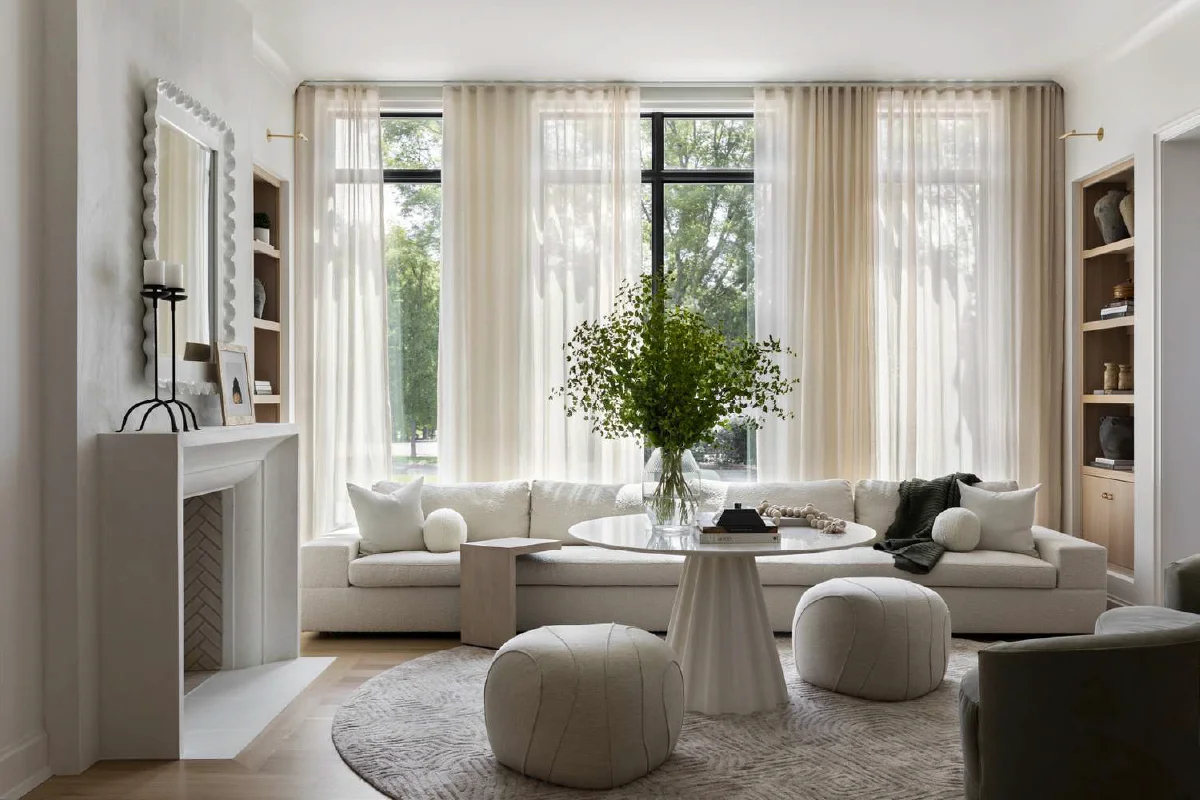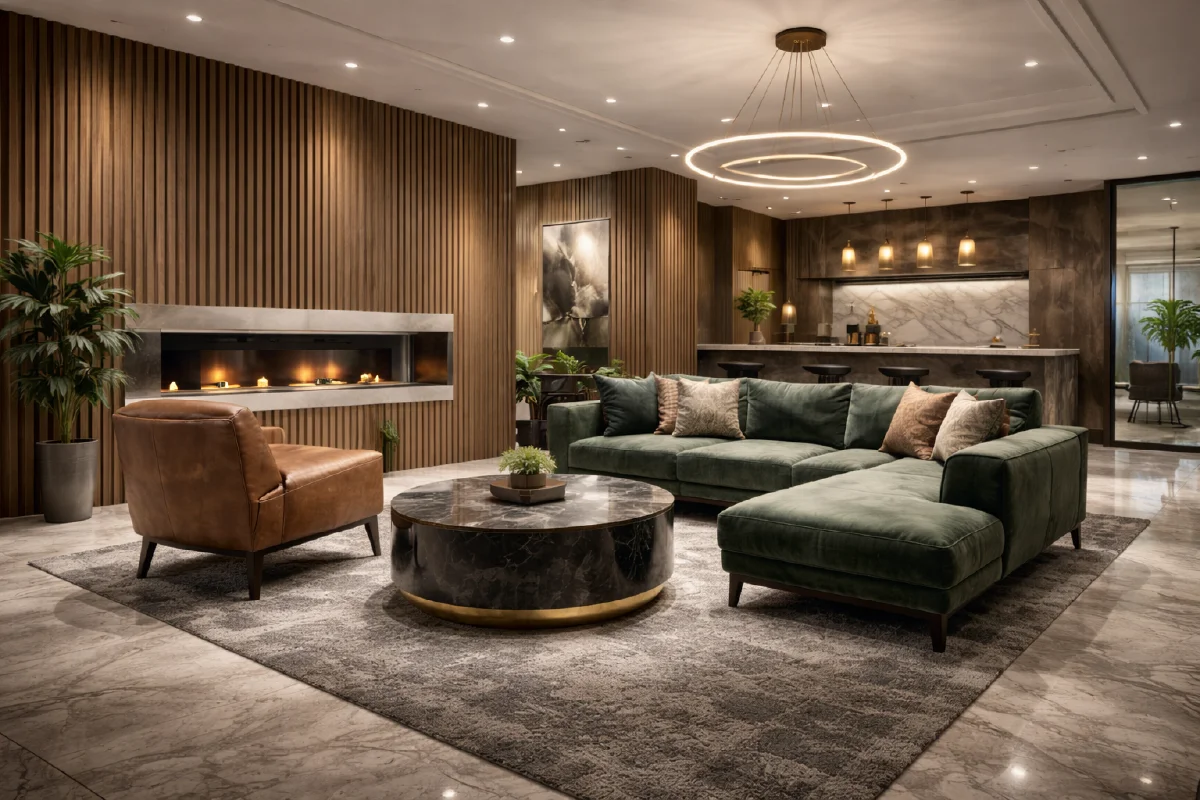
Interior design styles shape how spaces feel and function. As a licensed architect and practicing interior designer in Doha, I have seen how choosing a style clarifies decisions about materials, lighting, and furniture. In this guide we will explain the most popular types of interior design and what each style means in practice. Moreover, we will explore how to adapt these styles to the Qatar context with climate and culture in mind. Expect clear descriptions, practical tips, and examples you can use when planning a home or commercial project.
How To Use This Guide
This guide is organised by style, with a short definition followed by visual cues, typical materials, and practical tips for implementation. Let us consider each style not as rigid rules but as a set of principles you can mix and adapt. Ask yourself, Which Style Feels Like Home, and then test samples in your space before committing.
Quick Checklist For Selecting A Style
- Identify Your Daily Routines And Hosting Patterns.
- Match The Style To Building Constraints And Climate.
- Choose One Dominant Element Such As Color Or Texture To Anchor The Scheme.
- Allow For Two Flexible Elements That Can Evolve Over Time.
Popular Styles And What They Mean
Modern
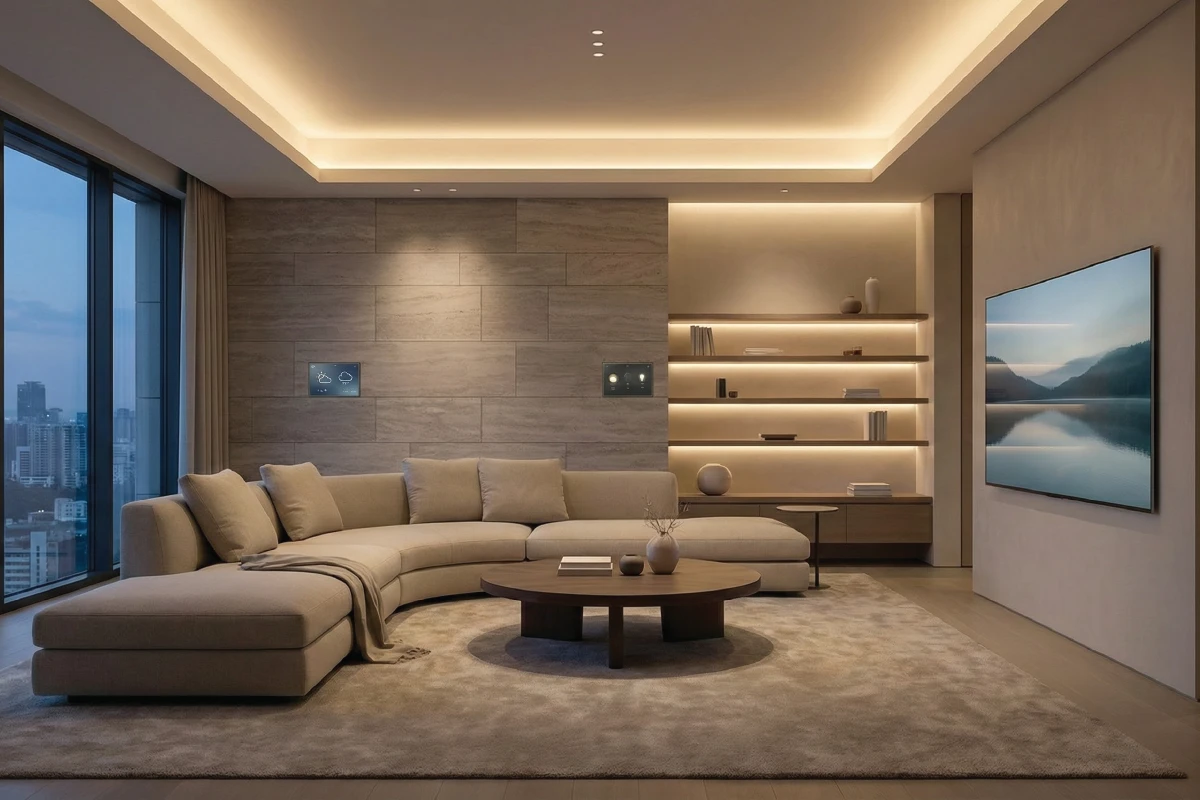
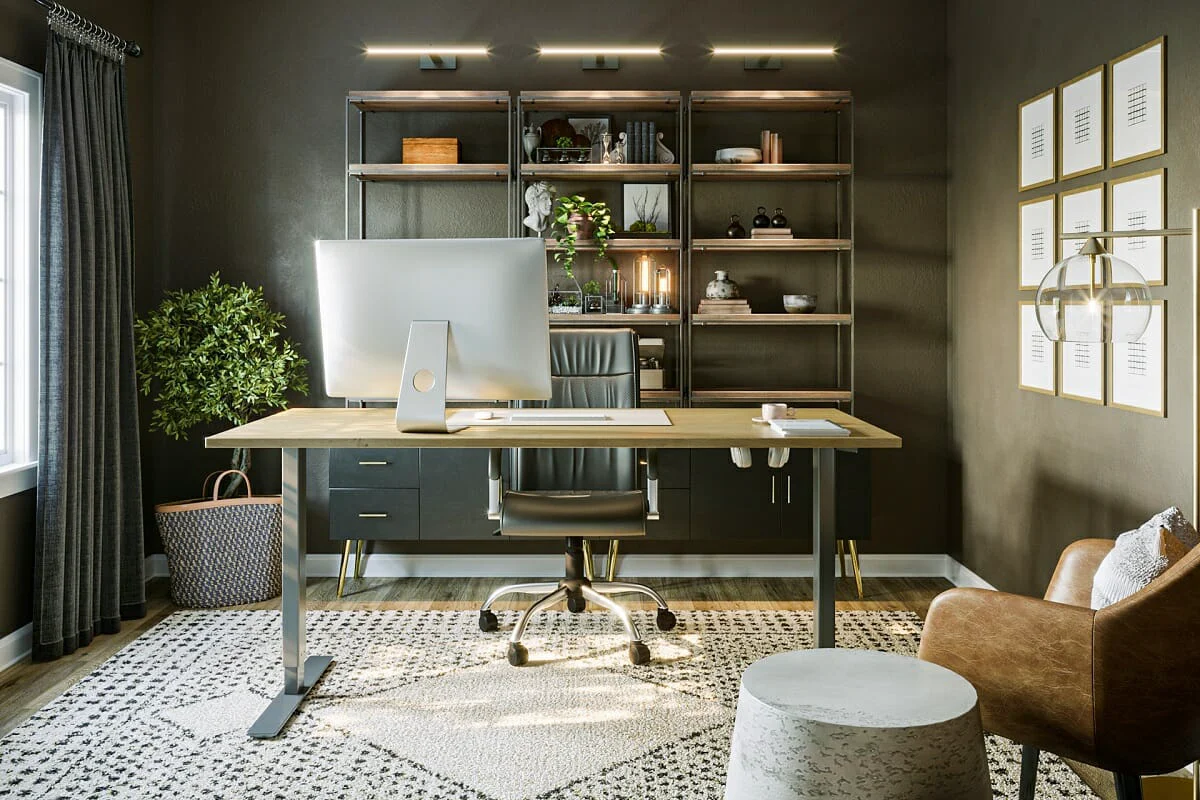
Modern design focuses on clean lines, simple forms, and functional furniture. Visual clutter is minimised and open plans are common. Typical materials include timber, glass, and concrete. In practice, modern interiors value proportion and daylight control.
- Visual Cues Minimal ornamentation and planar surfaces.
- Materials Timber veneer, glass, and polished concrete.
- Practical Tip Use integrated storage to maintain clean surfaces and choose soft lighting to warm the palette.
Contemporary
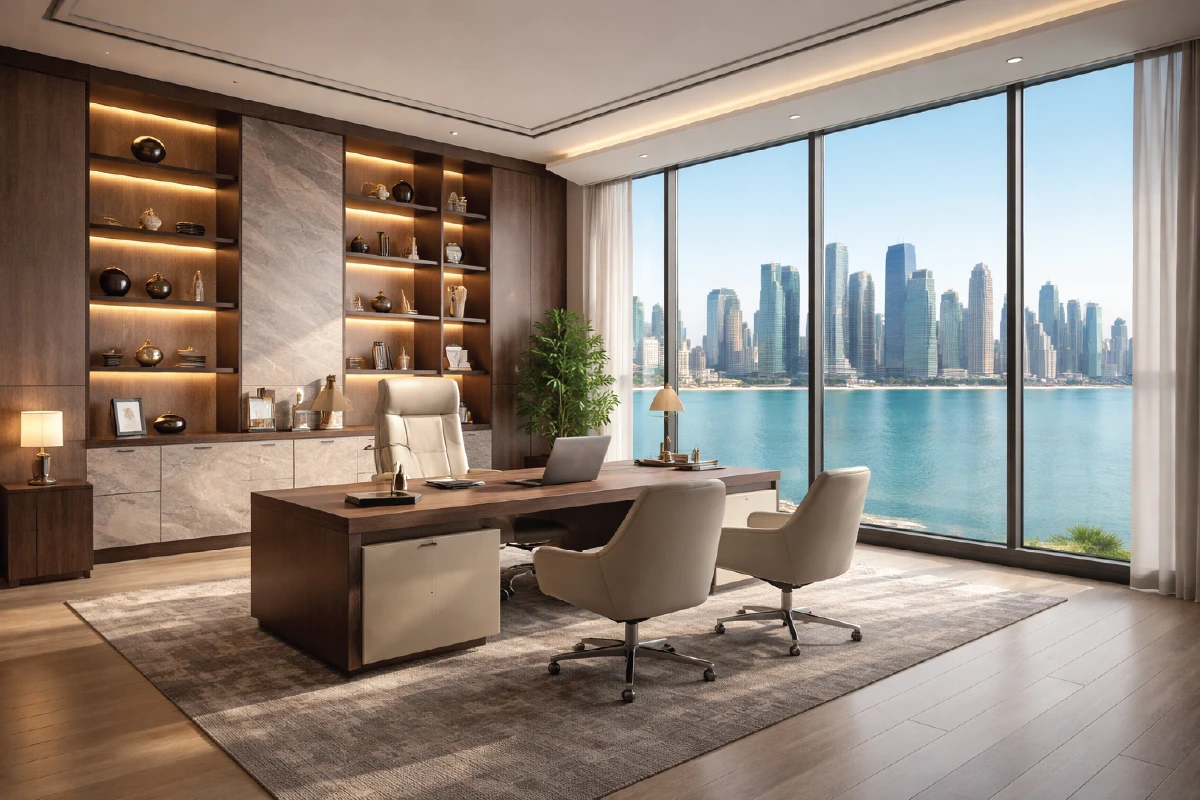
Contemporary refers to current trends and often overlaps with modern but allows more fluid forms and mixed materials. It is adaptable and useful for clients who want a current look without strict adherence to a historic movement.
- Visual Cues Mixed materials and evolving color accents.
- Materials Textured plaster, neutral fabrics, and statement lighting.
- Practical Tip Use contemporary elements sparingly to avoid dated looks in a few years.
Minimalist
Minimalist design strips interiors to essentials. The goal is calm. Surfaces are simple and items are chosen carefully. This style works well for compact apartments where space must be unambiguous.
- Visual Cues Neutral palette and uncluttered layouts.
- Materials Matte finishes, natural textiles, and durable flooring.
- Practical Tip Prioritise multipurpose furniture and disciplined storage systems.
Scandinavian
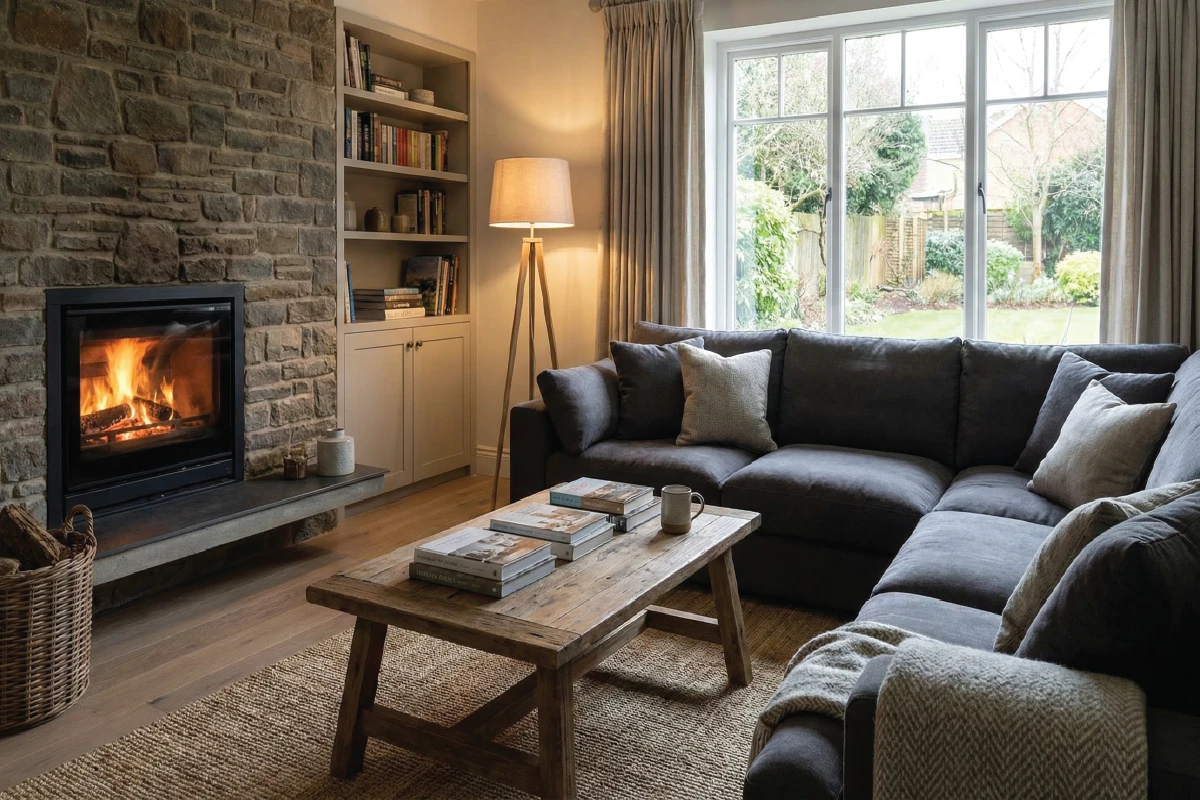
Scandinavian style balances simplicity with warmth. Light timber, pale colors, and natural textiles dominate. It emphasises light quality, which fits well in shaded courtyards and north facing rooms.
- Visual Cues Warm timber and soft textiles with functional furniture.
- Materials Light timber, wool, linen, and ceramic.
- Practical Tip Use layered lighting and soft rugs to create comfort in air conditioned interiors.
Classic And Traditional
Classic interiors reference formal proportion and crafted details. They often include panelling, curated antiques, and layered textiles. In Qatar, classic elements can be combined with local craft to honour tradition.
- Visual Cues Symmetry, moulding, and refined materials.
- Materials Stone, timber, brass, and woven textiles.
- Practical Tip Insert durable modern systems discreetly to preserve the aesthetic while improving comfort.
Mediterranean And Middle Eastern
These styles draw from climate responsive traditions such as courtyards, mashrabiya, and textured finishes. They work well in Doha when combined with modern services and efficient glazing.
- Visual Cues Courtyard layouts, textured plaster, and timber screens.
- Materials Local stone, plaster, terracotta, and carved timber.
- Practical Tip Use external shading and cross ventilation strategies to reduce cooling loads.
Industrial
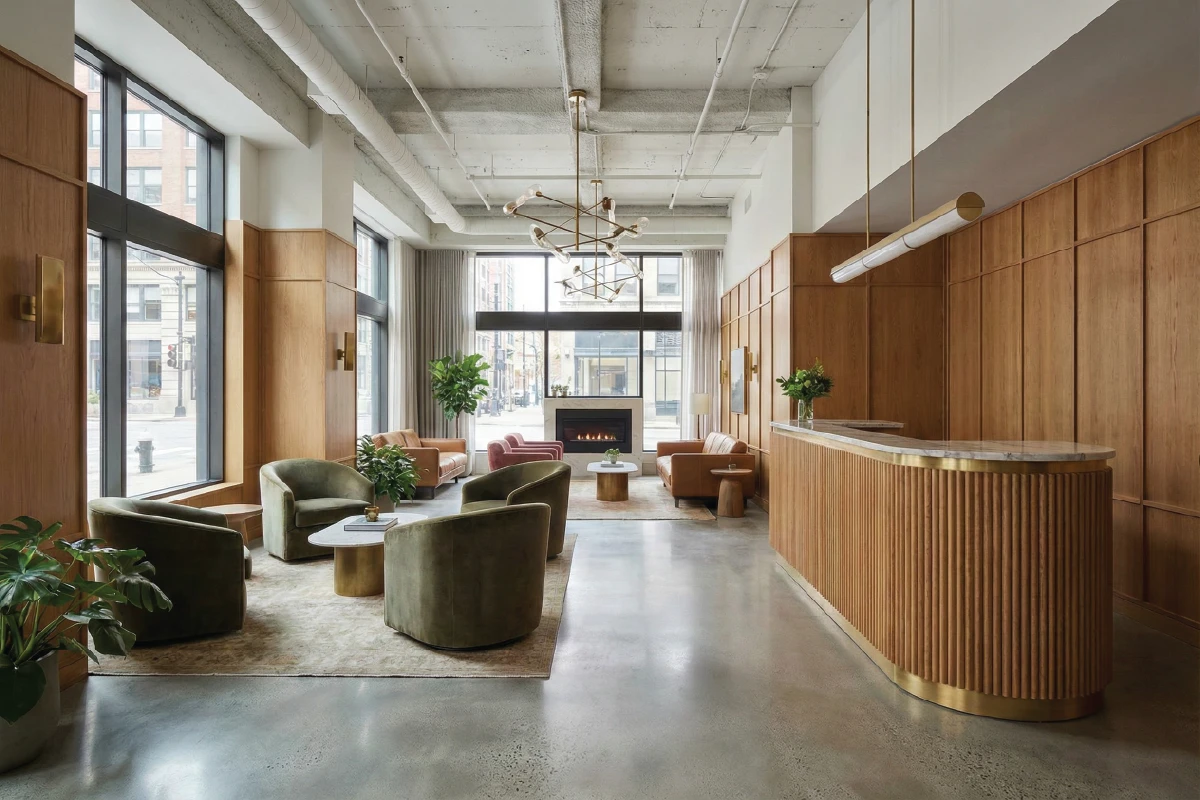
Industrial aesthetics celebrate raw materials and exposed structure. Polished concrete, steel, and visible services create an urban loft character. This style suits commercial spaces and adaptive reuse projects.
- Visual Cues Exposed structure, raw finishes, and robust furniture.
- Materials Concrete, steel, reclaimed timber, and factory style lighting.
- Practical Tip Balance raw finishes with soft textiles to avoid a cold environment in homes.
Eclectic And Bohemian
Eclectic embraces layering and mixing eras. It is highly personal and relies on curated collections. This style can be successful when anchored by a unifying color or texture.
- Visual Cues Layered textiles, varied patterns, and global artifacts.
- Materials Mixed vintage woods, woven pieces, and natural fibers.
- Practical Tip Use a dominant color or material to maintain cohesion across eclectic elements.
Transitional
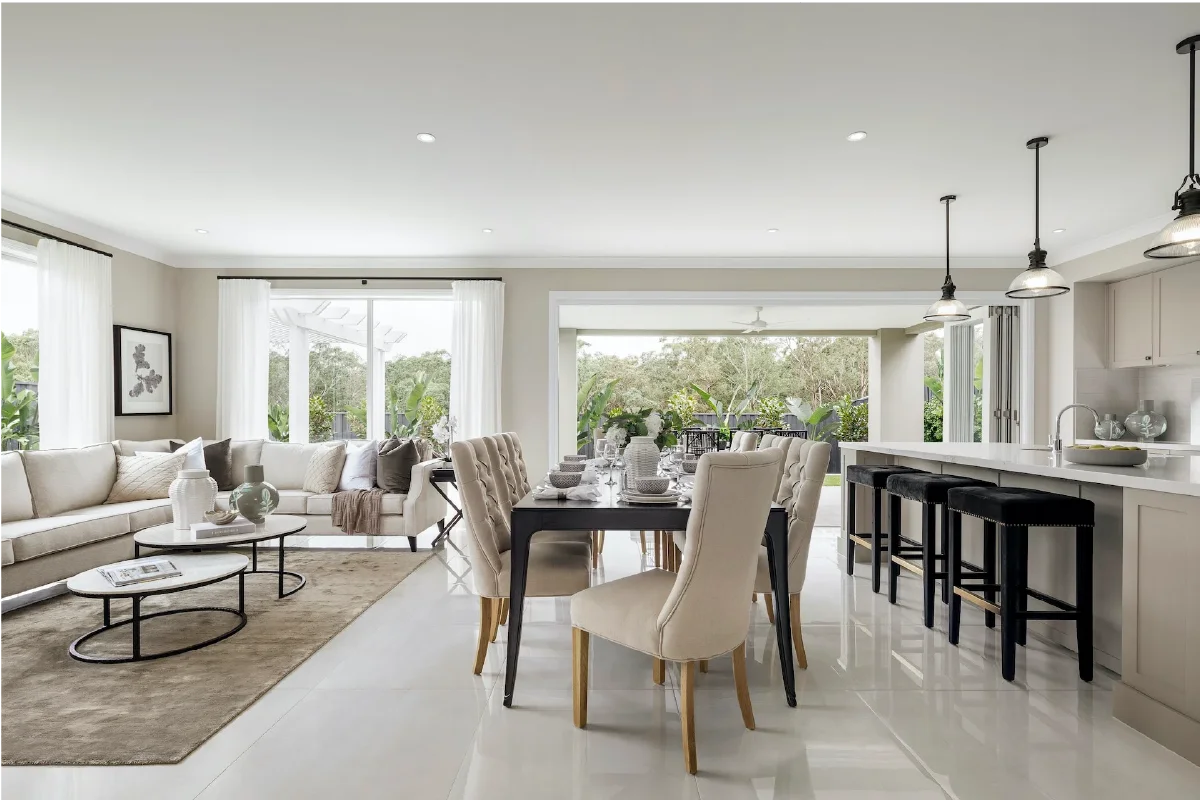
Transitional combines traditional and contemporary elements for a balanced result. It is safe for clients who want timelessness with contemporary comforts.
- Visual Cues Balanced proportion, simple moulding, and contemporary lighting.
- Materials Neutral upholstery, timber, and refined metals.
- Practical Tip Use transitional pieces to bridge inherited furniture with new purchases.
Adapting Styles For Qatar Climate And Culture
Choosing a style is one thing. Adapting it to local climate and cultural norms is another. In Qatar, concerns such as thermal comfort, privacy, and hospitality patterns must shape your design choices.
Climate Responsive Adjustments
- Shade daylit rooms with deep curtains, external screens, or treated glazing.
- Choose materials that do not store excessive heat and are easy to clean after outdoor activities.
- Plan HVAC zoning to reduce energy use and improve comfort across different rooms.
Cultural Sensitivity And Hospitality
Many homes host guests frequently. Design for flexible seating, generous circulation, and discreet storage for hospitality items. Consider a majlis or a reception area that can be separated from private family zones with screens or sliding panels.
Local Craft And Material Sourcing
Engaging local makers for timber screens, carved details, or textiles supports craft and shortens lead times. Moreover, locally sourced stone and timber reduce embodied energy and often perform better in local conditions.
Summary Box
Key Takeaway Choose a style that responds to how you live and then adapt materials and systems to Qatar climate and cultural rhythms for a successful outcome.
Case Study: Blending Scandinavian Calm With Local Craft
I will describe a project where a calm Scandinavian aesthetic was adapted for a family villa in Doha. The clients wanted a light contemporary home that still referenced local craft and offered shaded outdoor life.
- Brief The family wanted warm minimalism with craft details and a clear guest route for hosting.
- Interventions We used a pale timber palette, simple furniture forms, and added carved timber screens at key thresholds to reference local tradition while providing privacy and ventilation.
- Materials Engineered timber, porcelain tile, and locally woven rugs balanced the palette and performed well in family life.
- Outcome The villa feels calm and modern while guests and family appreciate the cultural references and shaded courtyard that extends living outdoors in cooler months.
Practical Note The success came from listening to routines and testing samples in situ before final procurement.
Practical Recommendations For Choosing An Interior Style
- Start With Function Define how each room will be used and how often you will host guests.
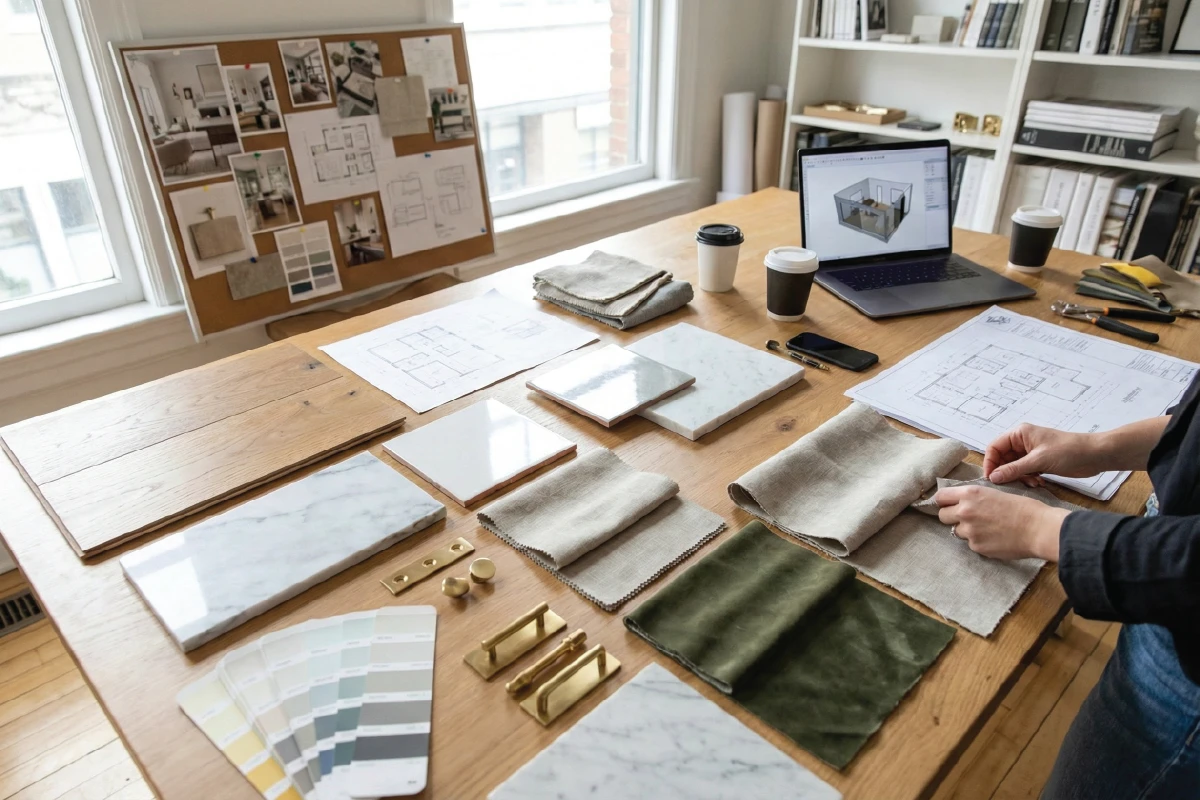
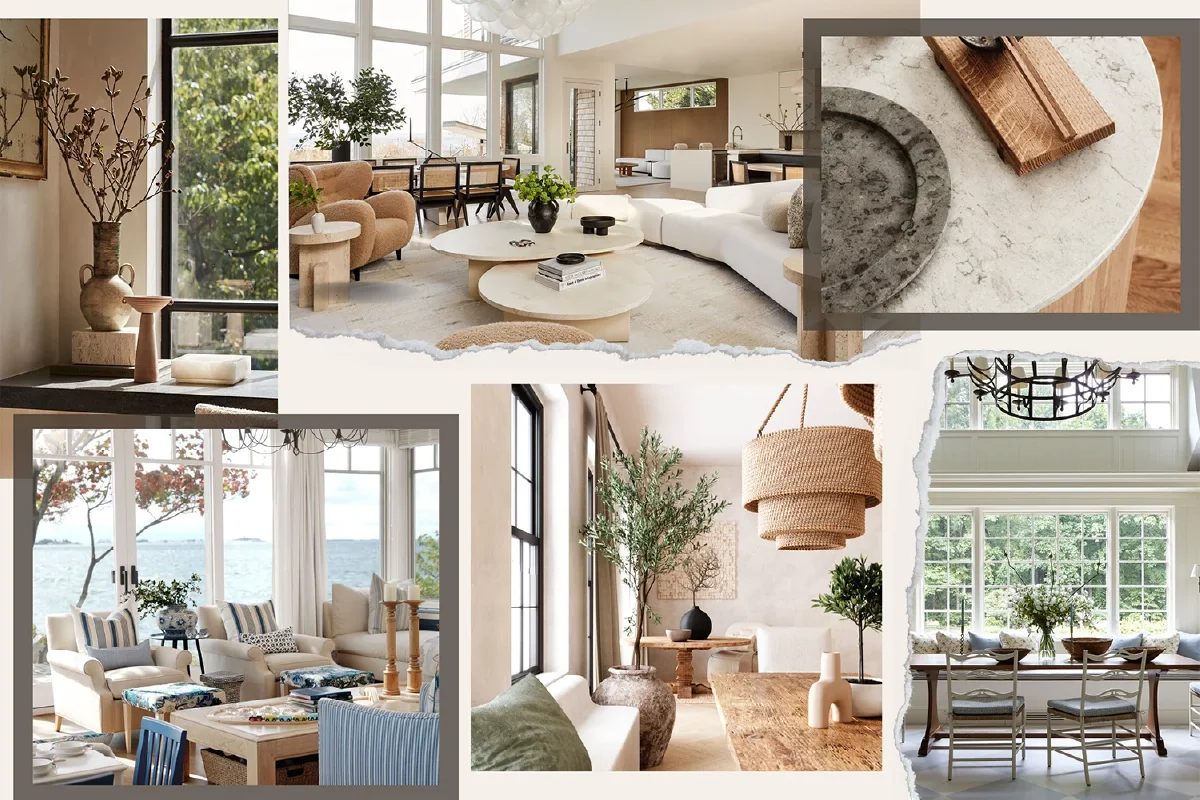
- Create A Small Mood Board With Three Images That Capture The Feeling You Want.
- Test Material Samples In Your Space To Check Color And Light Interaction.
- Plan For Flexibility Choose furniture that can adapt to changing needs and family growth.
- Work With Local Suppliers To Reduce Lead Times And Support Craft.
Reflection
Which three words best describe the feeling you want your home to have? Use those words to filter options during selection and procurement.
Frequently Asked Questions
What Is The Difference Between Modern And Contemporary Design?
Modern refers to a specific historical movement with emphasis on form and function. Contemporary refers to current trends and can draw from multiple influences. In practice, choose modern for consistent minimalism and contemporary for a more flexible expression.
Can I Mix More Than One Style In My Home?
Yes, mixing styles can create a personal look. To maintain cohesion choose a dominant style and use elements from other styles as accents anchored by color or material continuity.
Which Style Works Best For Small Apartments?
Minimalist or Scandinavian styles often perform well in small apartments due to their emphasis on light and efficient storage. Prioritise multifunctional furniture and decluttered surfaces to maximise perceived space.
How Do I Choose Materials For Hot Climates?
Choose materials that reflect heat or do not store excessive warmth. Use high performance glazing, external shading, and breathable textiles. Durable finishes that are easy to clean are practical for active households.
What Role Does Lighting Play In Defining A Style?
Lighting is essential. It defines mood, reveals textures, and influences color perception. Layer ambient, task, and accent lighting to support activities and to highlight key materials that express your chosen style.
How Important Is Local Craft In Style Adaptation?
Local craft adds authenticity and often improves performance in local conditions. Timber screens, carved details, and woven textiles provide cultural resonance and can shorten supply chains when produced locally.
Are Industrial Interiors Suitable For Homes?
Industrial elements can be integrated selectively into homes. Use reclaimed timber and soft textiles to temper raw finishes. Keep human comfort central when applying industrial vocabulary to residential spaces.
How Do I Prevent A Style From Feeling Dated?
Choose timeless foundational elements such as neutral flooring and simple joinery, then add trend driven accents that can be updated. This approach maintains longevity while allowing refreshes over time.
Can Traditional Elements Work In A Contemporary Home?
Yes, combining traditional elements such as timber craftsmanship with contemporary forms can yield rich interiors. The key is restraint and coherent material choices to avoid visual conflict.
How Should I Start Designing My Home Style?
Start by collecting images and writing three words that describe the feeling you want. Then create a small mood board, test materials in your light, and seek professional input for technical decisions such as glazing, shading, and HVAC zoning.
Conclusion And Practical Takeaways
Understanding types of interior design helps you make confident choices for your home or commercial project. Start with function and routines, choose a style that aligns with those needs, and adapt materials and systems to Qatar climate and culture. Test materials in your space, use local craft where possible, and prioritise flexibility so your home can evolve. If you would like a concise one page style primer, I can prepare a downloadable checklist that maps each style to suggested materials and local suppliers to help you get started.