Introduction: The Changing Face of Interiors in Qatar
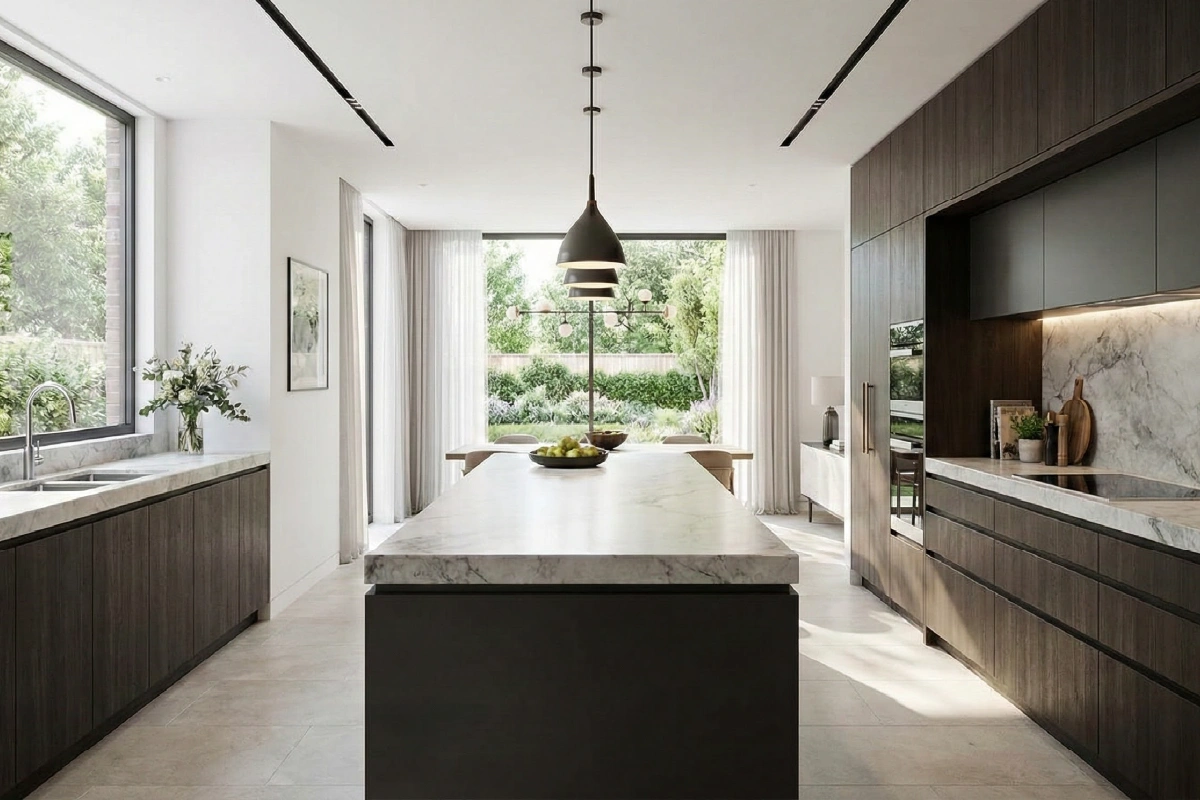
Walk into a modern home or office in Doha today, and you’ll instantly notice something : interiors in Qatar are no longer just about luxury; they’re about personality, balance, and cultural refinement. Spaces that once leaned heavily on imported design trends now express a unique fusion of Qatari tradition, contemporary aesthetics, and sustainable thinking.
Across residential and commercial developments in areas such as Lusail, The Pearl, and West Bay, expectations around interior design are evolving. Today, spaces are increasingly evaluated not only on visual appeal, but also on comfort, efficiency, emotional response, and long-term usability. Whether it’s a villa in Al Waab or a corporate suite in Msheireb Downtown, design in Qatar is becoming a statement of lifestyle and purpose.
The following sections outline key interior design ideas currently shaping homes and offices across Qatar, reflecting broader lifestyle, cultural, and sustainability priorities.
1. Modern Arabic Minimalism: A New Identity for Qatari Homes
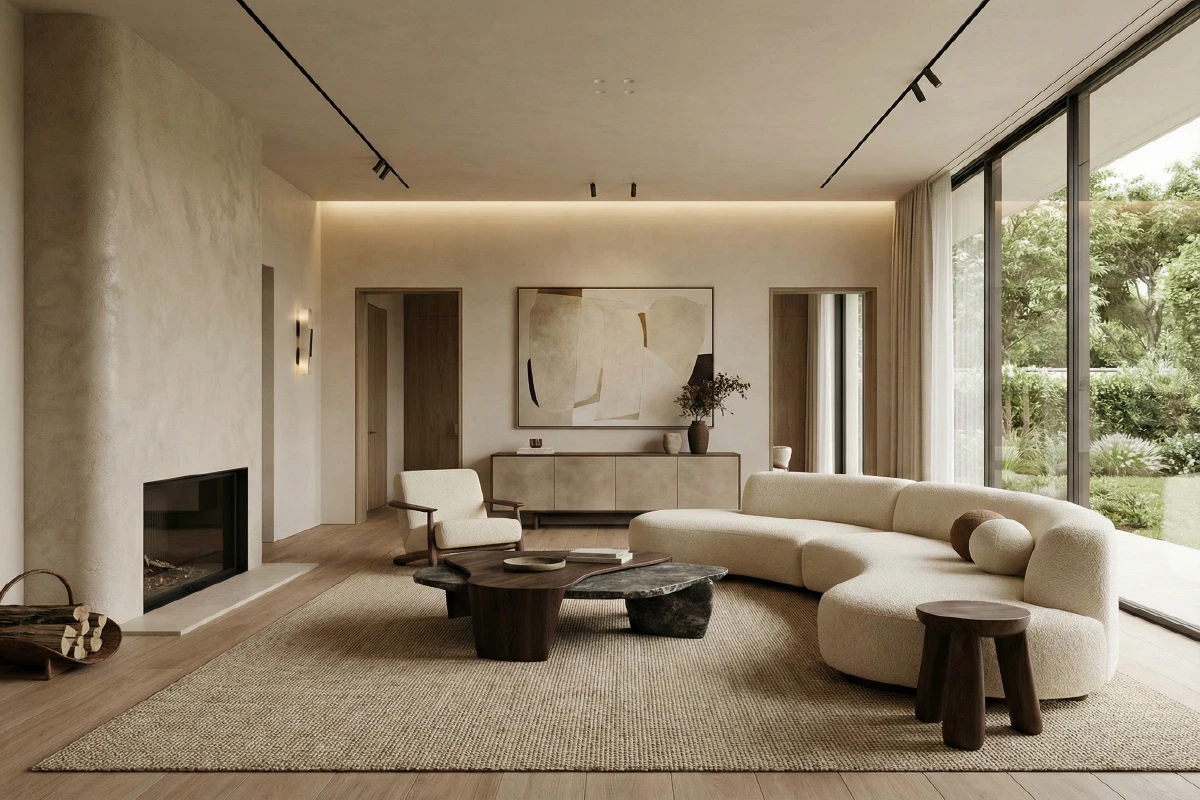
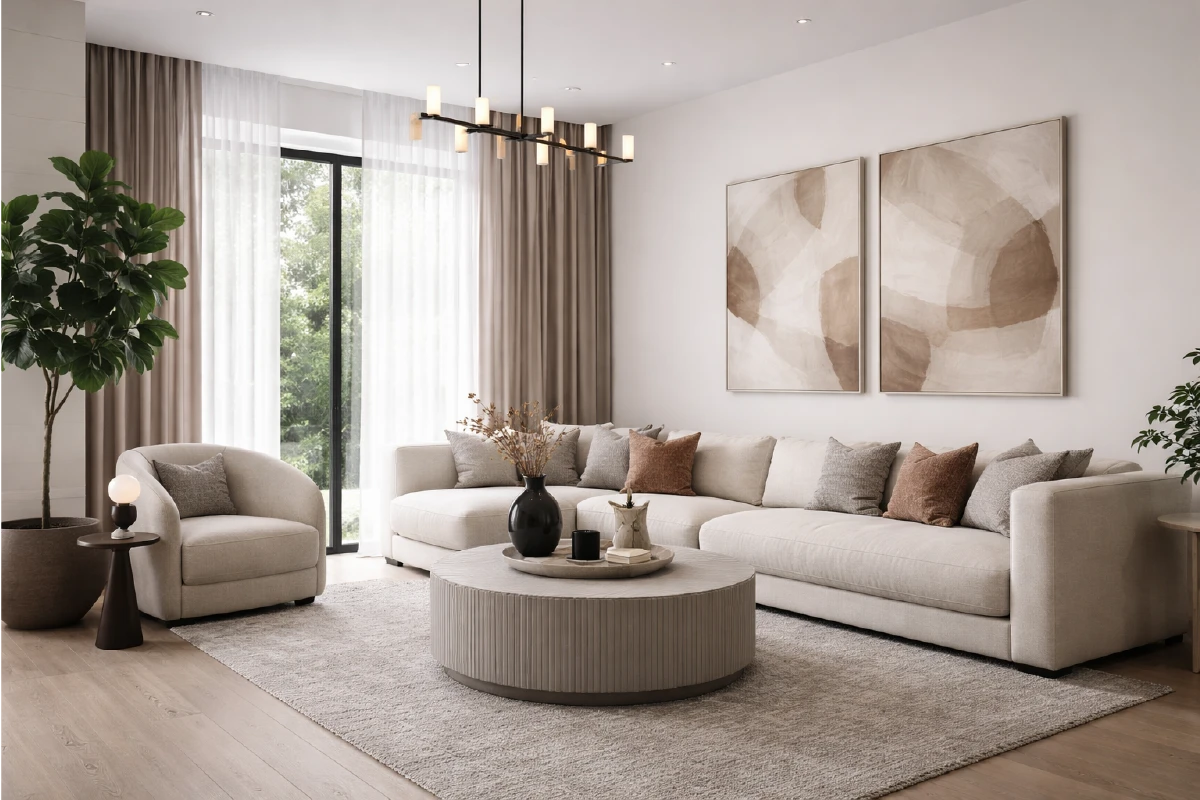
Minimalism is taking root in Qatar, but not the cold, stark minimalism we see in Europe. Instead, it’s modern Arabic minimalism a design language that blends the serenity of simplicity with the warmth of tradition.
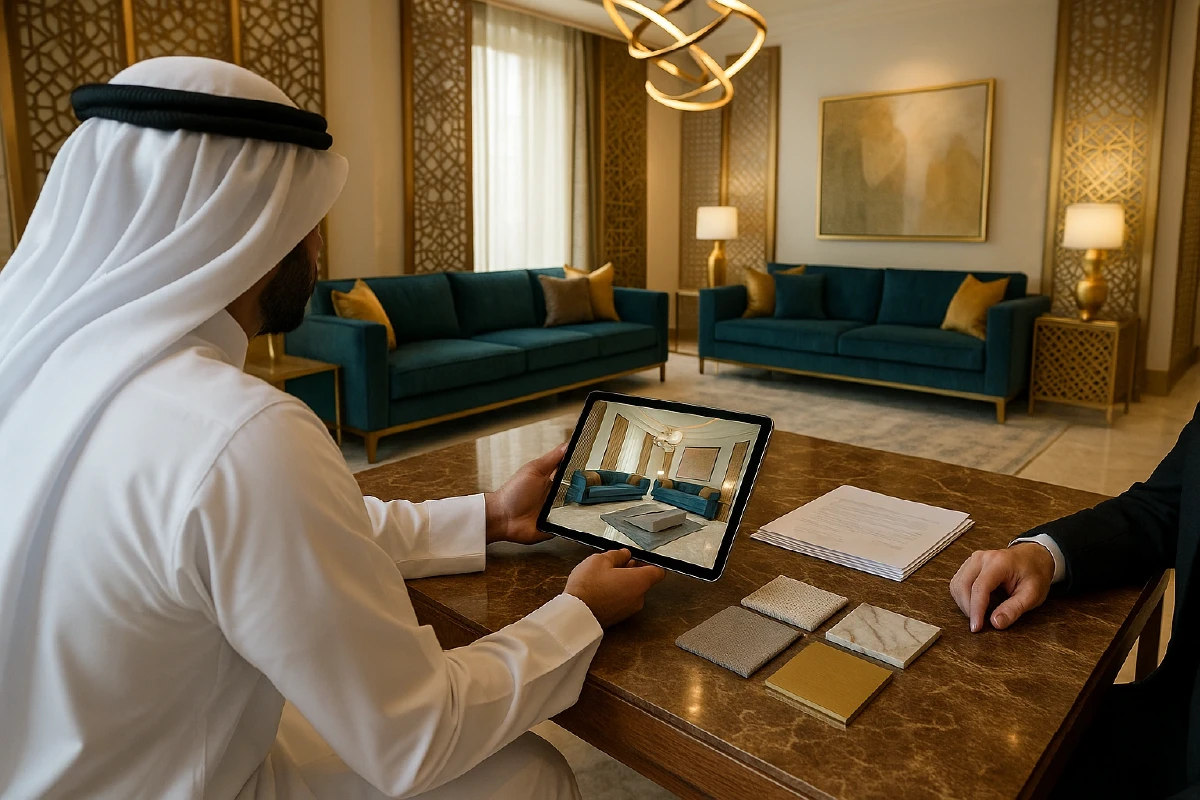
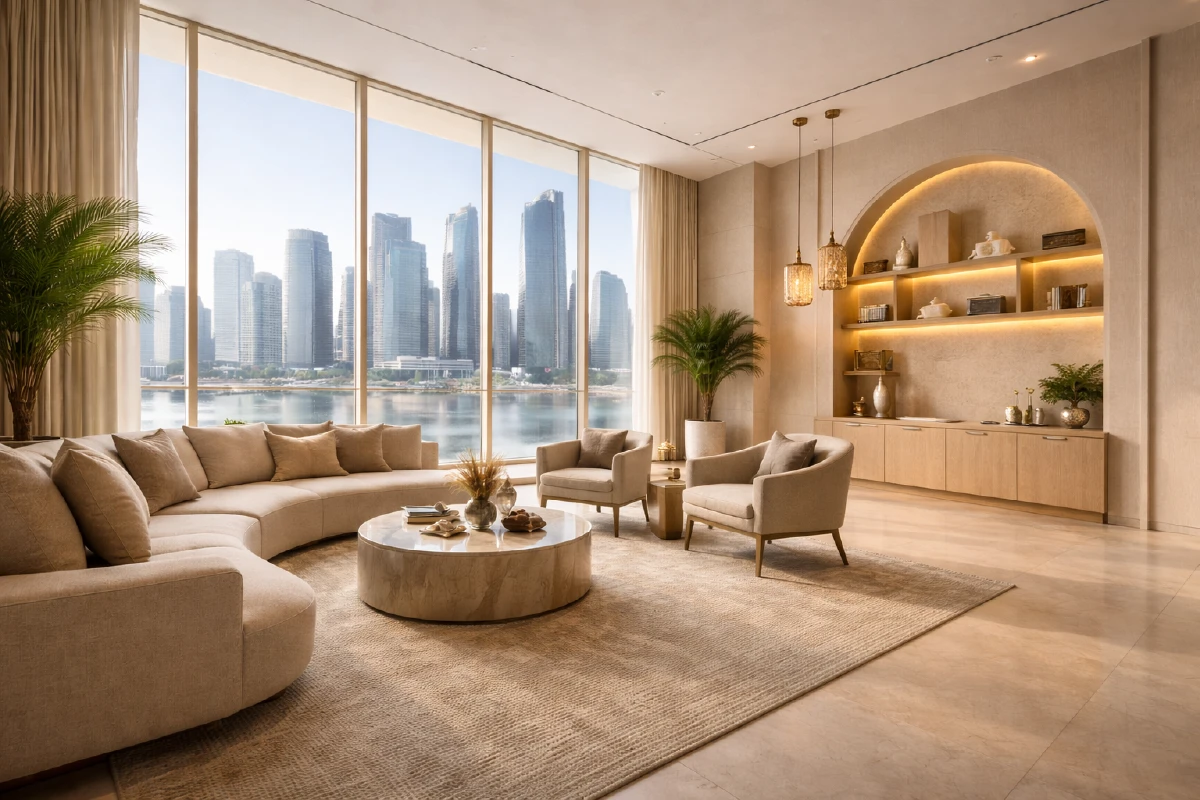
Imagine soft beige walls with carved wooden mashrabiya panels, a low-seating majlis area with neutral linen upholstery, and gentle ambient lighting that creates a calm atmosphere.
This approach keeps interiors spacious and breathable, perfectly suited for Qatar’s hot climate while maintaining cultural intimacy.
Practical Tip:
- Use natural stone like travertine or local limestone for flooring.
- Incorporate Arabic geometric patterns subtly through laser-cut screens or metal inlays.
- Limit your color palette to warm neutrals and natural tones.
Key Takeaway:
Minimalism in Qatar doesn’t mean losing cultural roots; it’s about refining them into timeless elegance.
2. Sustainable and Smart Design: Efficiency Meets Elegance
Environmental awareness is rising in Qatar, especially among young professionals and expats. Sustainable design is no longer optional; it’s expected. Clients now ask about energy-efficient lighting, water-saving fixtures, and smart home systems that reduce waste.
In residential developments across Lusail, smart thermostats, motion sensors, and daylight-responsive shading systems are increasingly being used to improve energy efficiency and adapt interiors to daily living patterns. The result was a 20% energy reduction and an environment that adjusted automatically to lifestyle needs.
For homes: Install solar shading devices and use VOC-free paints.
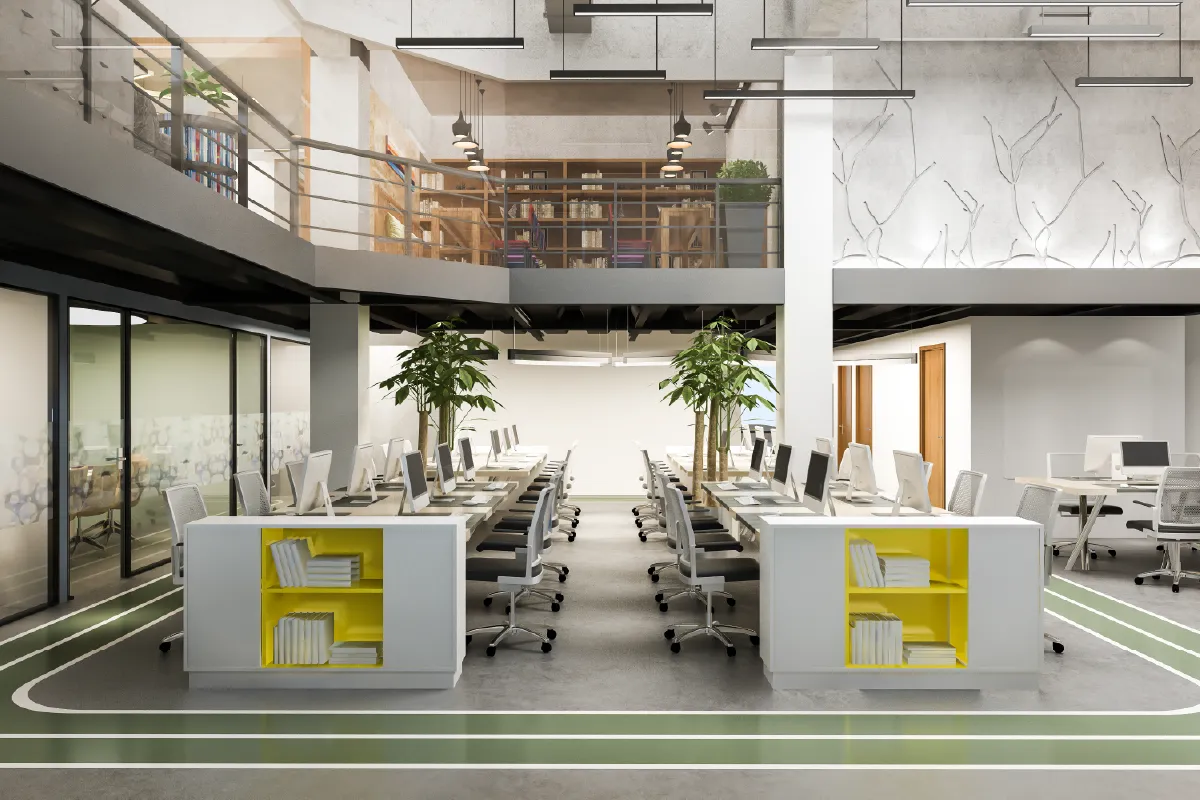
For offices: Opt for LED task lighting, modular furniture, and open layouts that improve air circulation.
Moreover, integrating smart design does not compromise luxury in fact, it enhances it.
3. The Return of the Majlis: Modern Functionality in a Traditional Space
No Qatari home feels complete without a majlis. But the way it’s designed today is evolving. Instead of heavy carpets and dark woods, the modern majlis is airy, connected, and multifunctional.
In villa renovations across areas such as Al Khor, modern majlis spaces are increasingly being designed with stronger visual connections to outdoor areas, often using glass partitions to enhance natural light and spatial openness. The natural light completely transformed the experience. The family could now host gatherings that felt both traditional and fresh.
Design Tip:
Combine low cushions with modular sofas. Use warm LED lighting with dimmers to create flexible atmospheres. Add heritage motifs on wall panels, but balance them with smooth textures and open sightlines.
Key Insight:
The majlis remains a core of social identity in Qatar, but it is embracing modern ergonomics and aesthetic clarity.
4. Natural Materials and Textures: A Connection with the Desert Landscape
More designers are taking cues from Qatar’s natural environment the golden dunes, coral stones, and coastal blues. Using natural materials adds authenticity and visual calm.
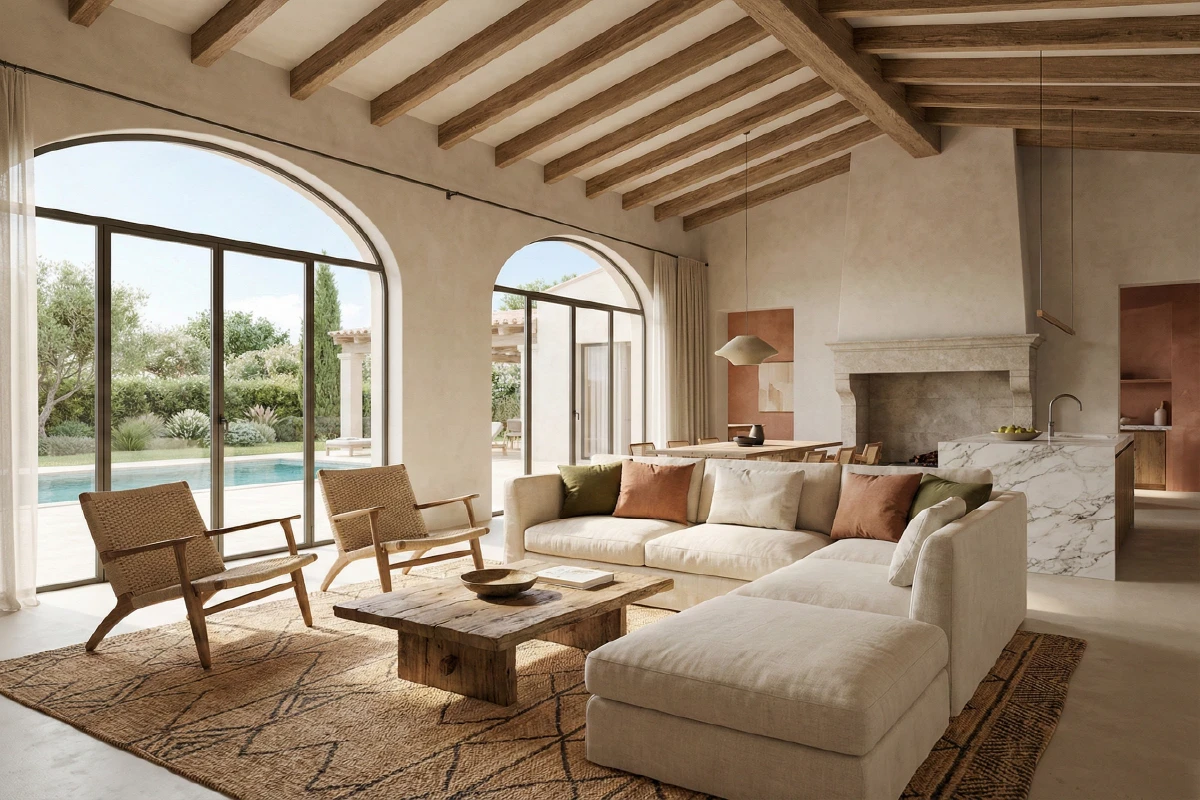
For instance, textured plaster walls reminiscent of sand dunes pair beautifully with wooden ceilings inspired by traditional dhow craftsmanship.
In homes: You can combine clay ceramics, woven jute, and organic fabrics for earthy harmony.
In offices: Consider bamboo paneling or sand-toned acoustic panels that soften both sound and mood.
Imagine walking into an office lobby with coral limestone flooring and indoor greenery that echoes the desert’s resilience. That emotional connection is what makes design memorable.
5. Biophilic Design: Bringing Nature Indoors
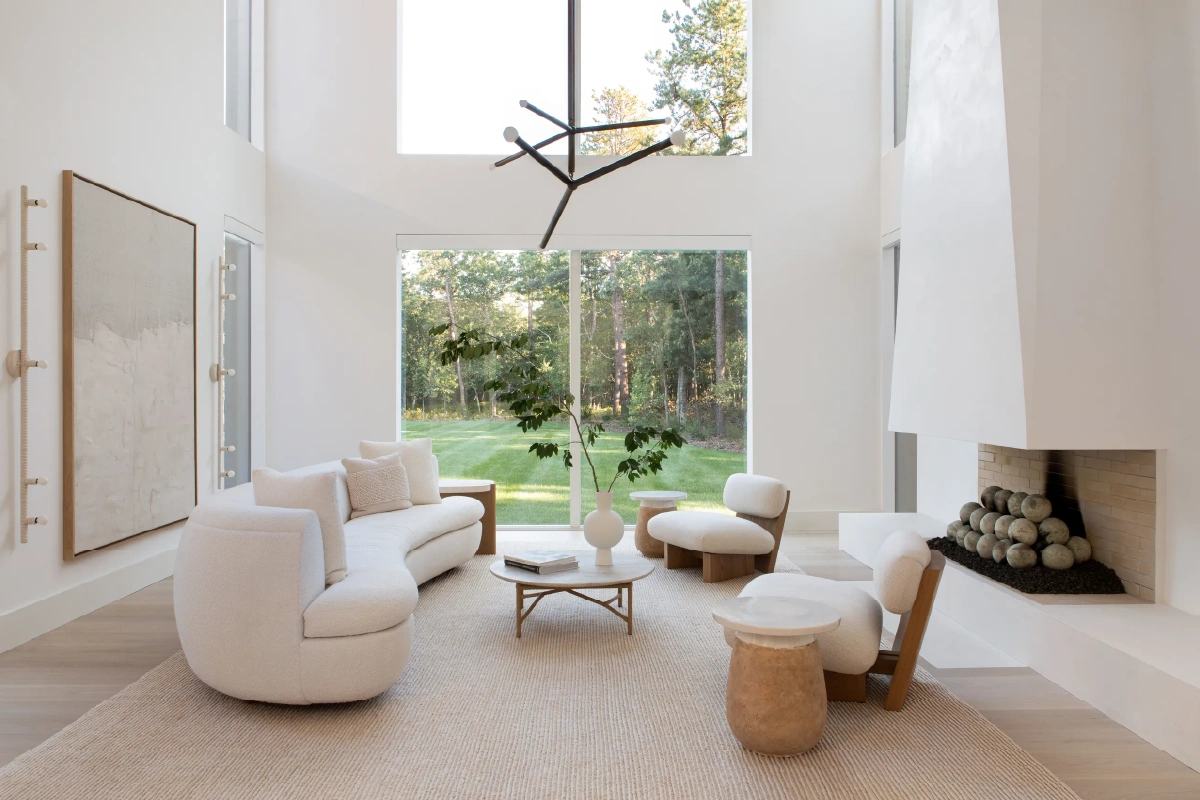
Doha’s fast-paced urban life has made biophilic design a wellness essential. Integrating natural elements into interiors not only improves air quality but also enhances mental wellbeing.
In commercial spaces across Lusail, biophilic design strategies such as vertical gardens, natural ventilation zones, and indoor water features are increasingly adopted to support wellbeing and workplace comfort.
Practical Steps:
- Add indoor plants like fiddle leaf figs or peace lilies.
- Use large windows to invite daylight.
- Choose organic textures like linen and rattan for furniture.
Key Takeaway:
Biophilic design isn’t just aesthetic; it’s psychological architecture connecting people with nature in the heart of Qatar’s modern buildings.
6. Multi-Functional Spaces: Adaptability is the New Luxury
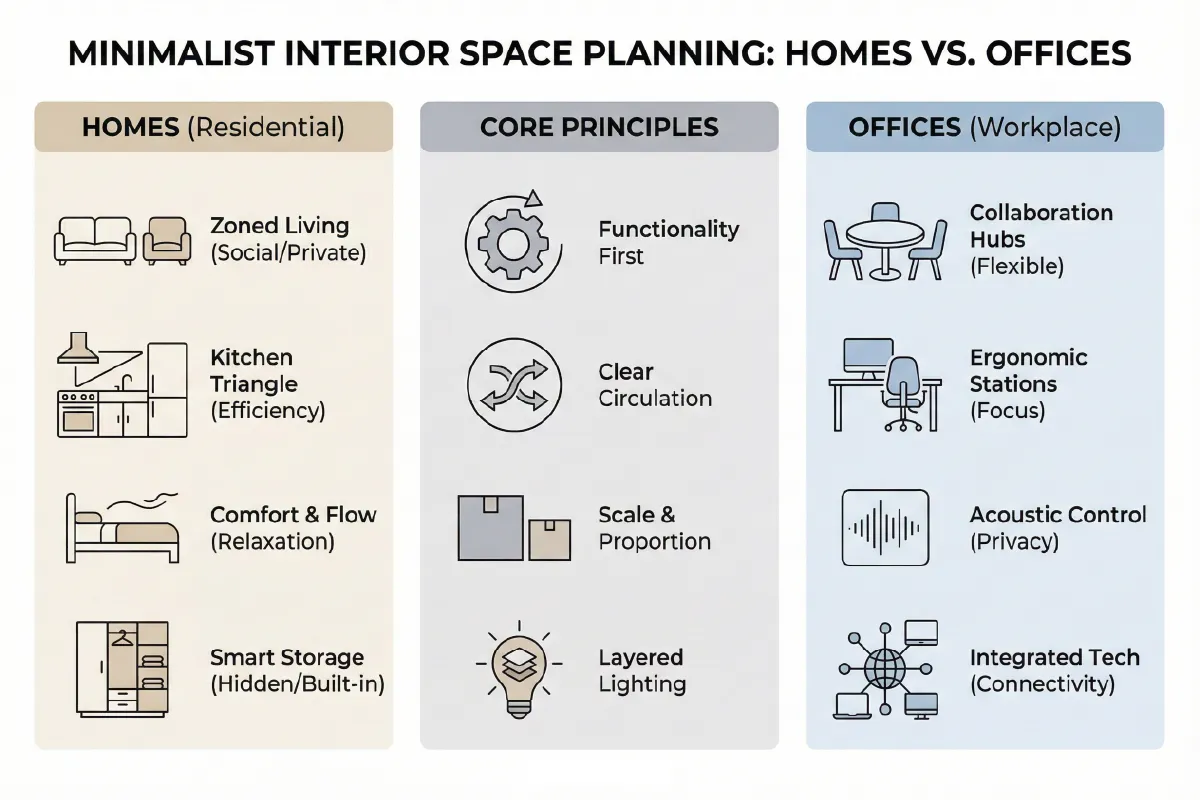
Post-2020, Qatari homes and offices are embracing flexible design. A living room can double as a workspace, and an office breakout zone can transform into a meeting lounge.
In Doha’s urban apartments, space optimization is key. Sliding partitions, foldable furniture, and integrated storage solutions are becoming must-haves.
For homeowners:
- Use fold-away desks or wall beds for compact layouts.
- Design wardrobes with hidden study nooks.
For offices:
- Create modular meeting pods that can be rearranged.
- Use flexible lighting tracks and mobile partitions.
Moreover, adaptability gives long-term value your space evolves with your lifestyle.
7. Luxury with Subtlety: A New Definition of Elegance
Luxury in Qatar used to mean bold gold accents and extravagant chandeliers. Today, it’s quieter and more curated. Clients now prefer handcrafted details, soft lighting, and custom furniture that tell a story.
In high-end residential developments in areas such as The Pearl, there is a growing preference for understated luxury, where refined materials and custom detailing create a sense of elegance without visual excess.
Design Insight:
Luxury is no longer loud; it’s experiential. It’s in the way your room feels, not just how it looks.
8. Cultural Fusion: Global Aesthetics, Qatari Soul
Qatar’s cosmopolitan population has encouraged a beautiful design fusion. Scandinavian simplicity meets Middle Eastern warmth, Japanese wabi-sabi complements Islamic geometry, and Mediterranean textures blend effortlessly with desert tones.
A Doha penthouse might feature a Scandinavian-inspired kitchen with Arabic mosaic flooring. A commercial space could combine Qatari calligraphy with minimalist Japanese joinery.
Key Takeaway:
Fusion design in Qatar works best when it respects local identity while embracing global creativity.
9. Lighting as Architecture: Designing with Light
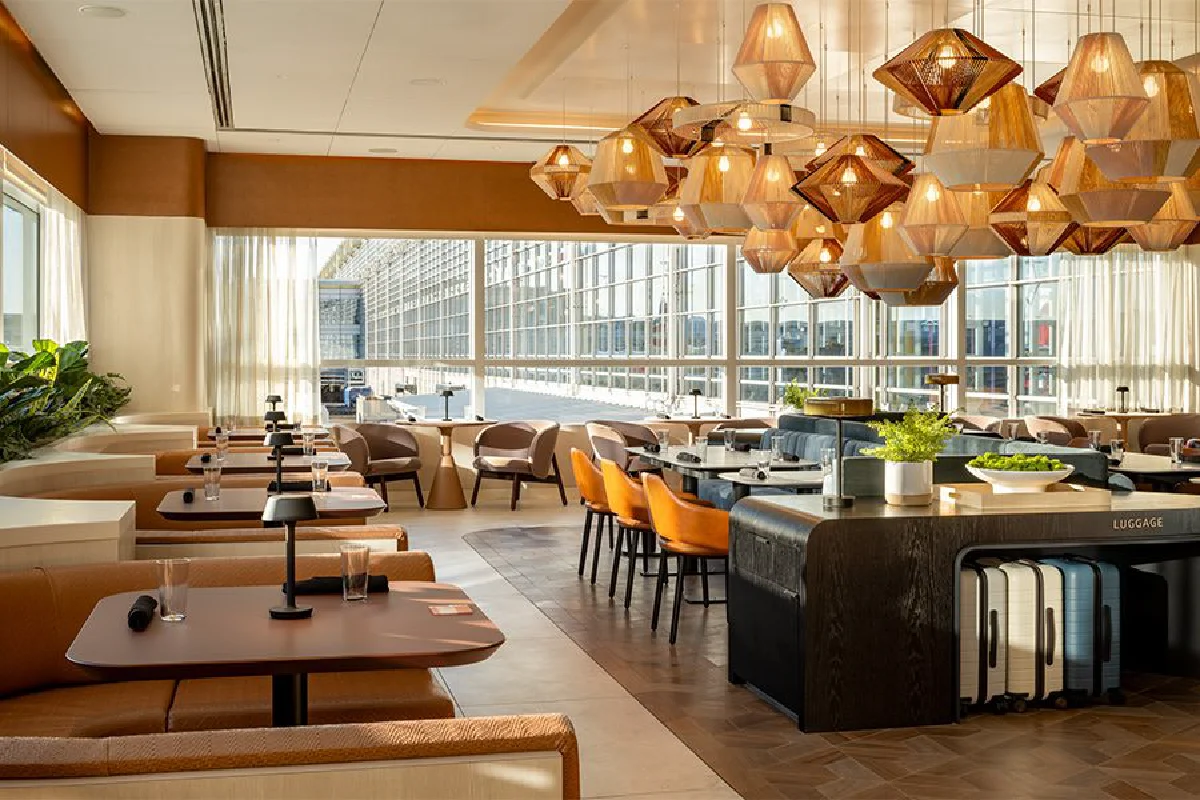
Lighting has become one of the most powerful design tools in Qatar. It defines mood, highlights craftsmanship, and brings architecture to life after sunset.
Consider layered lighting: ambient for overall brightness, accent for art or architectural features, and task lighting for functionality.
In homes: Cove lighting in ceilings or under furniture adds soft elegance.
In offices: Human-centric lighting systems mimic natural daylight rhythms, improving focus.
Well-planned lighting strategies in modern office environments have been shown to support visual comfort while contributing to improved energy efficiency when combined with smart controls.
Tip: Always balance natural and artificial light to maintain visual harmony.
10. Local Art and Craft Revival: Designing with Identity
More clients are now requesting the inclusion of local art, calligraphy, and handmade decor. Supporting Qatari artisans adds authenticity and soul to interiors.
For instance, incorporating handwoven Sadu textiles or pottery from Al Wakrah workshops gives spaces an emotional anchor.
Design Suggestion:
Use local artwork in statement zones like entrances or meeting areas. It reflects pride in place and cultural depth.
Summary: Qatar’s Design Evolution in Motion
Qatar’s interior design scene is not just following trends; it is setting them through cultural sensitivity, smart innovation, and emotional design. Homes and offices are no longer about static aesthetics they’re about living, adapting, and connecting.
In short:
- Arabic minimalism defines modern elegance.
- Sustainability is shaping both comfort and conscience.
- Smart technologies are improving quality of life.
- Nature and culture are merging beautifully.
The Qatari design story is one of balance between old and new, luxury and restraint, technology and tradition.
Frequently Asked Questions (FAQs)
1. What are the latest interior design trends in Qatar for 2025?
2. How can I design a modern majlis for my home?
3. Are sustainable interiors expensive to create in Qatar?
4. What are the best materials for Qatar’s hot climate?
5. How do I add a Qatari touch to a modern apartment?
6. What lighting style works best in offices in Doha?
7. How can small apartments in Lusail or The Pearl feel larger?
8. What colors are trending in Qatar’s residential interiors?
9. Are smart home systems worth installing?
10. How do I choose the right interior designer in Qatar?
Conclusion: Designing for the Future, Rooted in Tradition
Interior design in Qatar continues to evolve through a balance of innovation, cultural continuity, and practical performance. Contemporary projects increasingly reflect both technological advancement and respect for local identity. Every new project, whether a serene villa or a dynamic office, tells a story of balance between the past and the future.
As design priorities continue to shift, successful interior spaces are those that support long-term comfort, adaptability, and meaningful connection to place. In Qatar, interior design is increasingly viewed as a reflection of lifestyle values rather than surface decoration.