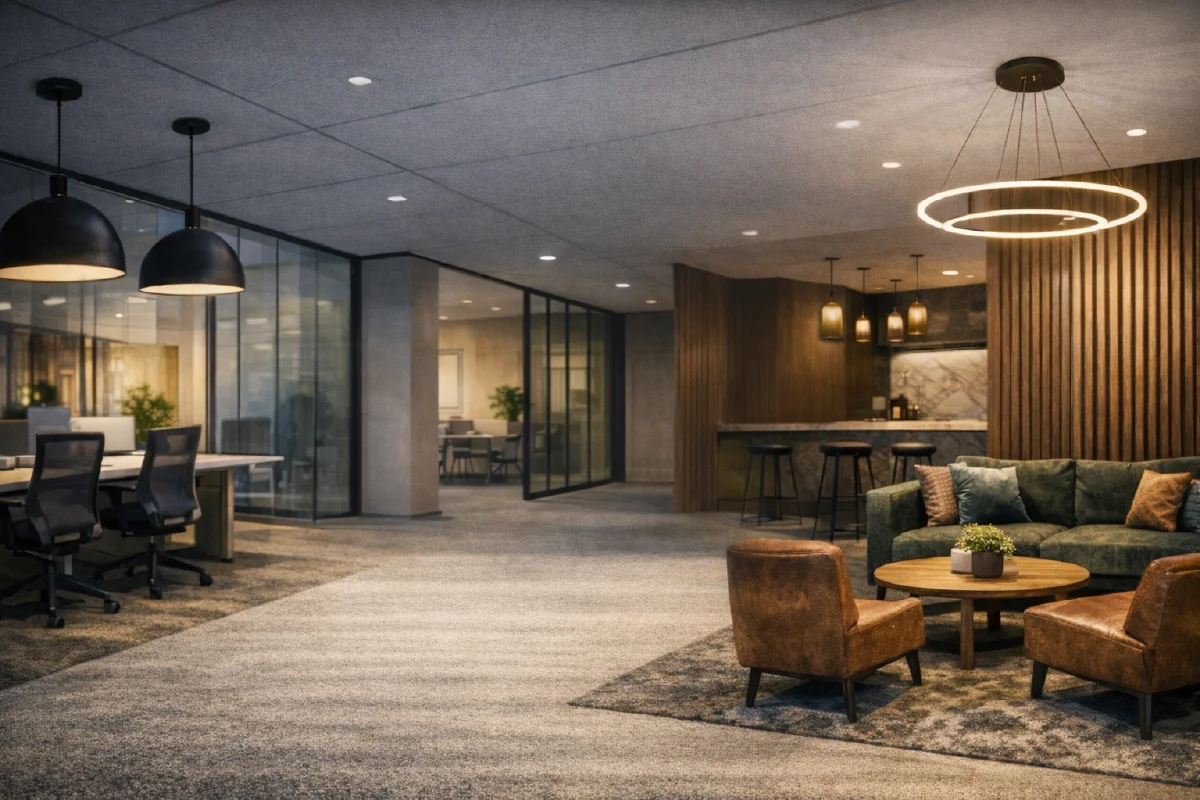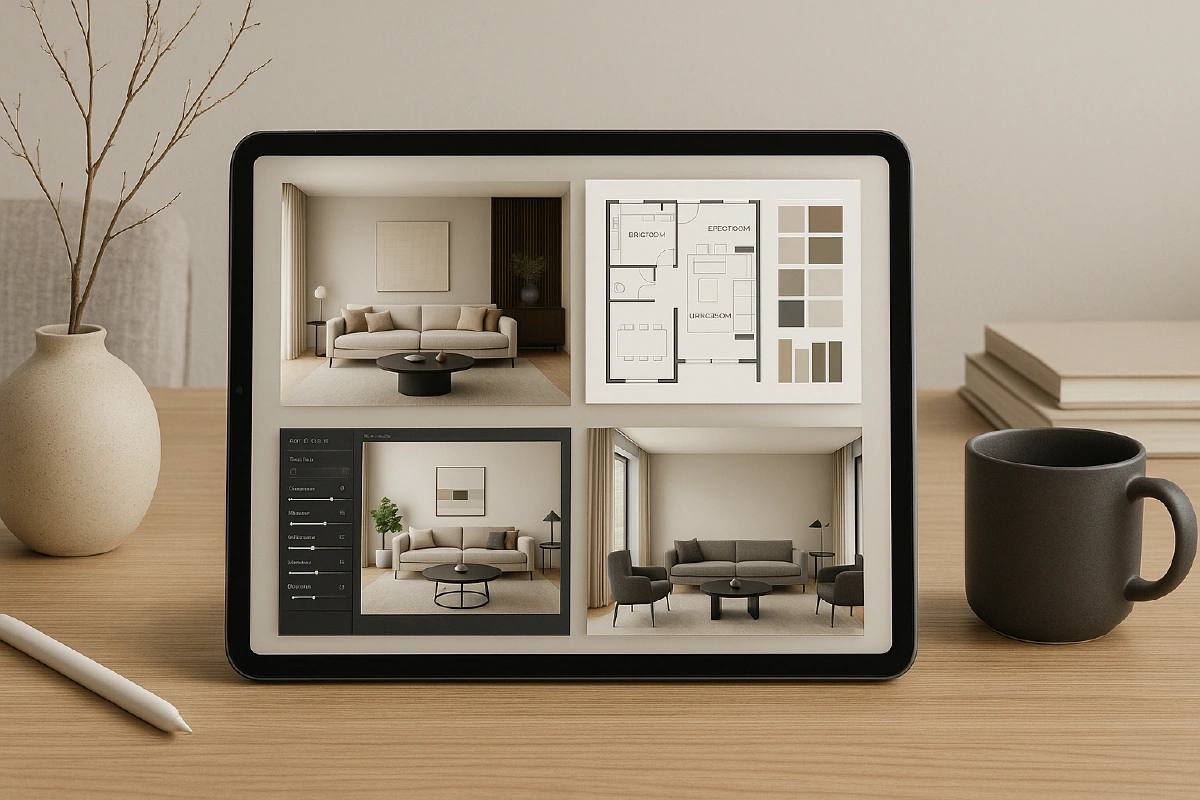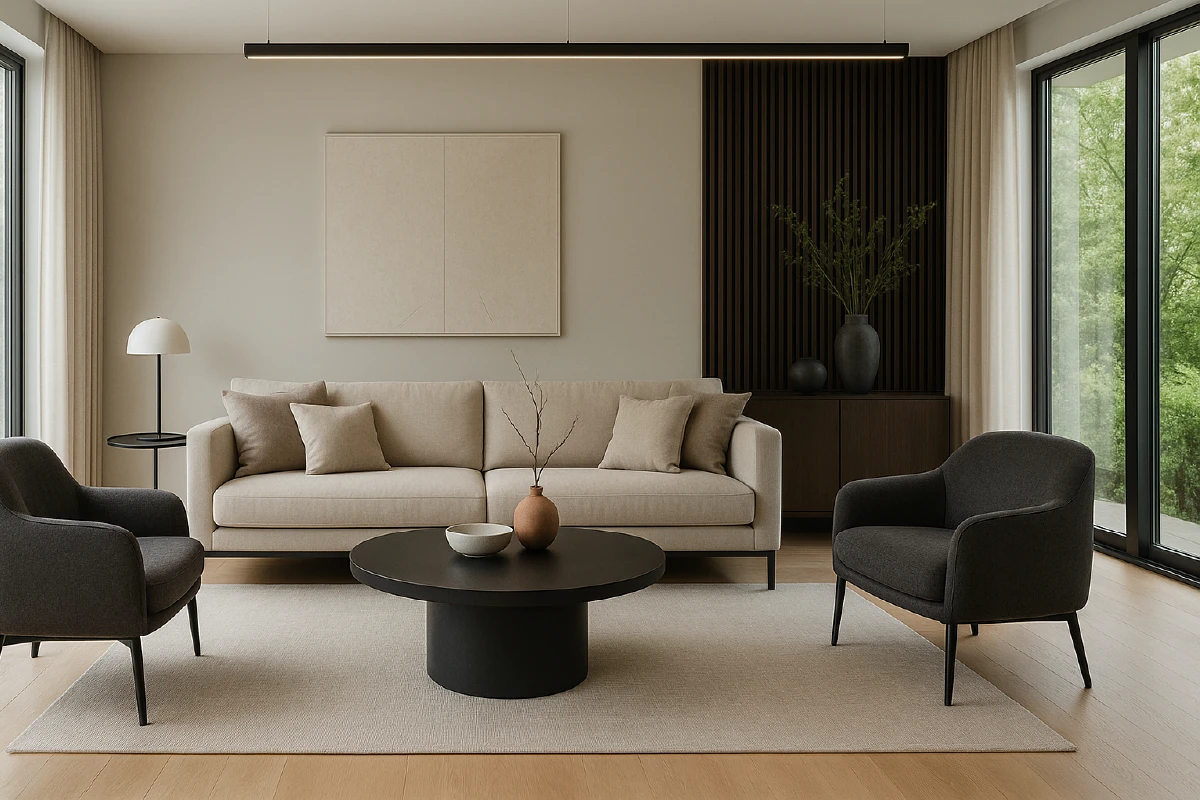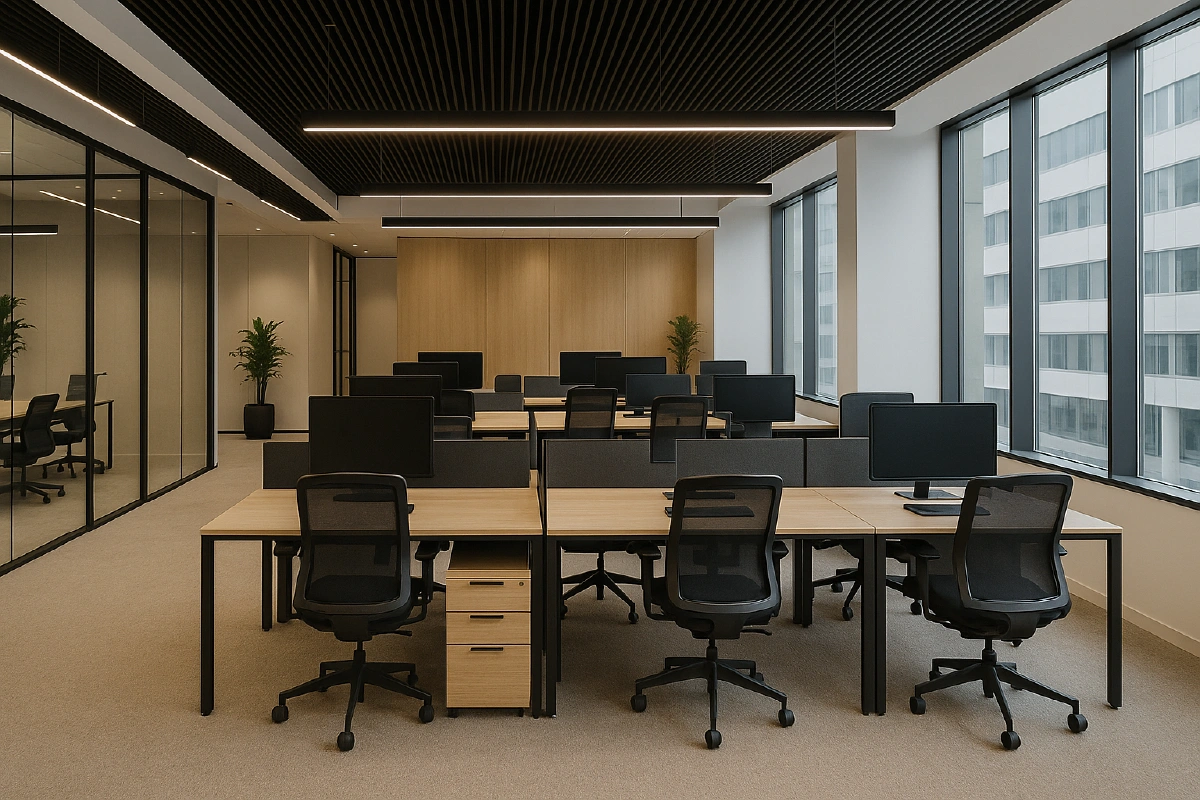
If you care about how a space feels and performs, then design with purpose is not optional. Over the last decade working as an interior designer and licensed architect in Qatar, I have learned that thoughtful architecture and interiors have a compound effect on daily life. They shape routines, support hospitality traditions, and respond to climate. In this article, let us explore how to create spaces that are beautiful and intentional. We will combine professional methods with real-life observations from Qatari projects and give practical steps you can use right now.
Why Design With Purpose Matters
Purposeful design aligns form with function. It starts by asking what people need to do in a space and then making every element support those activities. Moreover, it respects context. In Qatar, that means considering family gatherings, prayer practices, hospitality, and the climate while delivering modern comforts.
What Purposeful Design Delivers
- Better Daily Flow. Spaces that match routines reduce friction and stress.
- Longevity. Materials and systems selected for use patterns last longer and cost less over time.
- Resilience. Thoughtful design adapts to changing household needs.
Ask yourself, What Is The Primary Use Of This Room, and then design around that need. This simple question reframes every decision from layout to finish.
Principles For Purposeful Spaces
These are the core principles I use on site and in practice to deliver projects that work for real people.
- User Centred Planning: Observe how the household moves and store items where they are used.
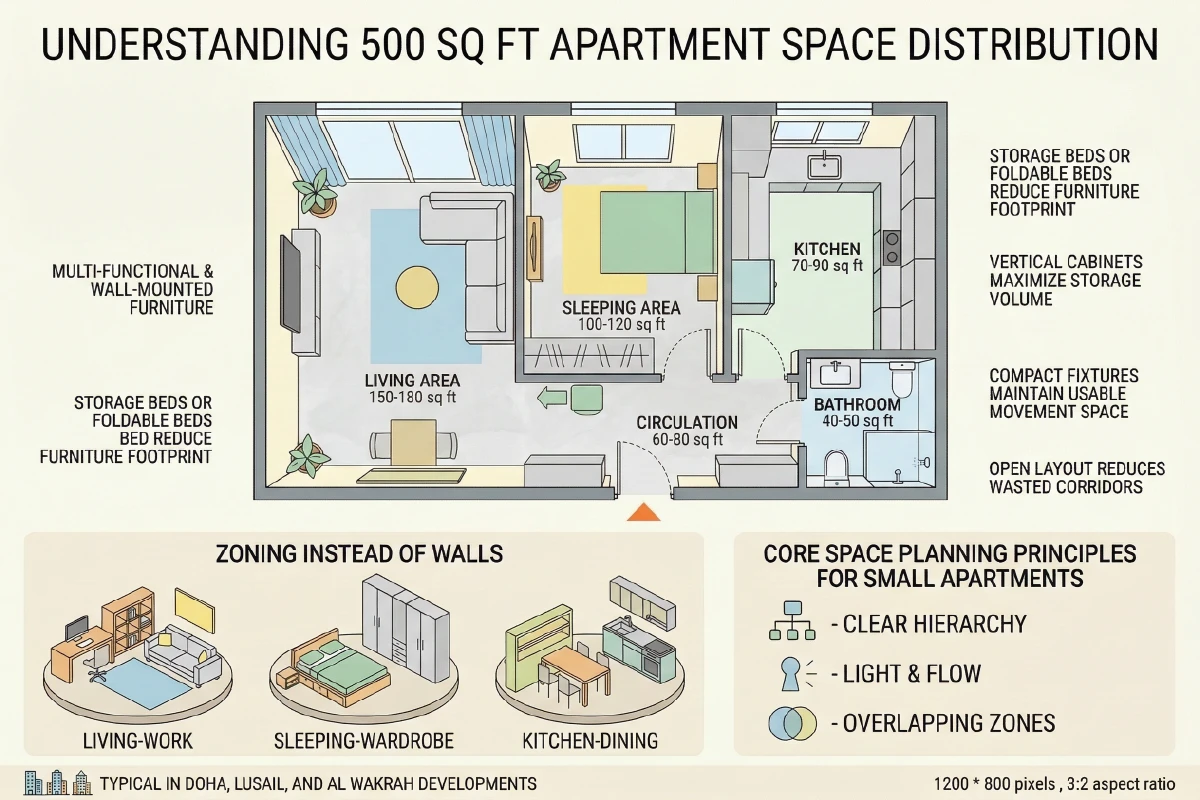
- Hierarchy Of Spaces: Organize private, semi-private, and public zones clearly.
- Flexibility: Use furniture and partitions that allow a room to change use over time.
- Climate Responsive Design: Orient windows, add shading, and choose materials that respond to heat.
- Sensory Balance: Consider acoustics, lighting, and tactile finishes to support comfort.
Summary Box
Key Takeaway: Purposeful spaces start with observation, then translate needs into spatial rules that guide every choice.
Design Process Step By Step
Let us walk through a practical process you can apply whether you are planning a renovation or starting from scratch.
1. Discovery
Meet the stakeholders, document routines, and note times of day when the space is busiest. In Doha, I often ask clients to record a day of activities so we can quantify needs.
2. Concept
Create a simple concept statement that defines the purpose of the home or building. For example, A Quiet Urban Retreat For An Expat Family emphasizes privacy and thermal comfort.
3. Schematic Design
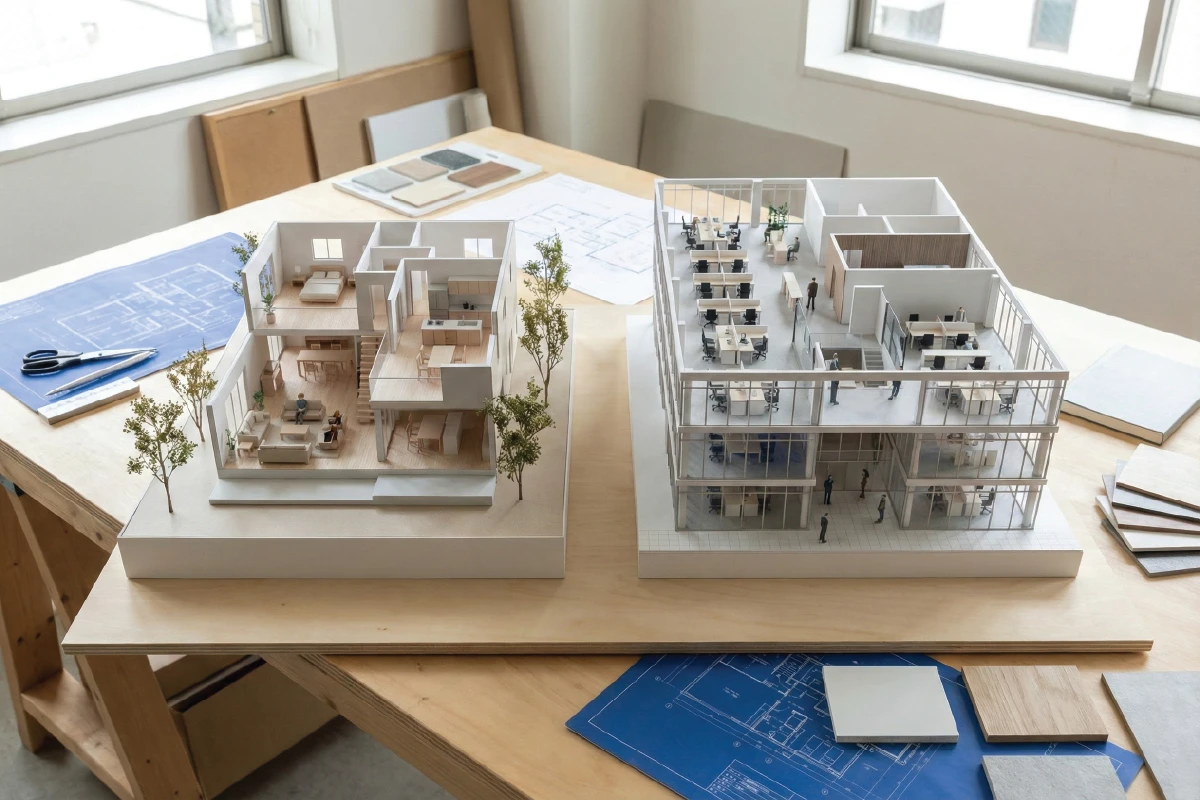
Develop bubble diagrams and two-dimensional plans to test layouts. Use these drawings to confirm circulation and sightlines before selecting finishes.
4. Design Development
Refine material palettes, lighting strategies, and joinery details. At this stage, coordinate mechanical and electrical requirements to avoid late changes.
5. Execution
Work with trusted contractors and supervise critical details on site. In Qatar, coordination with suppliers for glazing and HVAC is often the deciding factor for comfort.
6. Post Occupancy
Visit after handover to collect feedback and fine-tune the environment. Small adjustments to storage and lighting often yield large benefits.
Materials And Sustainability In Practice
Choosing materials is both a technical and aesthetic decision. In a hot climate like Qatar, the right choices improve comfort and reduce energy use.
Durable Finishes
Select materials that tolerate frequent cleaning and strong sunlight. Porcelain tiles and high-quality engineered timber are good choices for high-traffic areas.
Local And Low Impact Options
Consider locally available stone and sustainably sourced timber. Moreover, evaluate embodied energy and maintenance requirements. Small changes in specification can reduce the long-term footprint of a project.
Acoustics And Thermal Comfort
Insulate ceilings and design for sound separation between living spaces. Good acoustic design improves perceived quality without adding visual clutter.
Aesthetic And Cultural Considerations
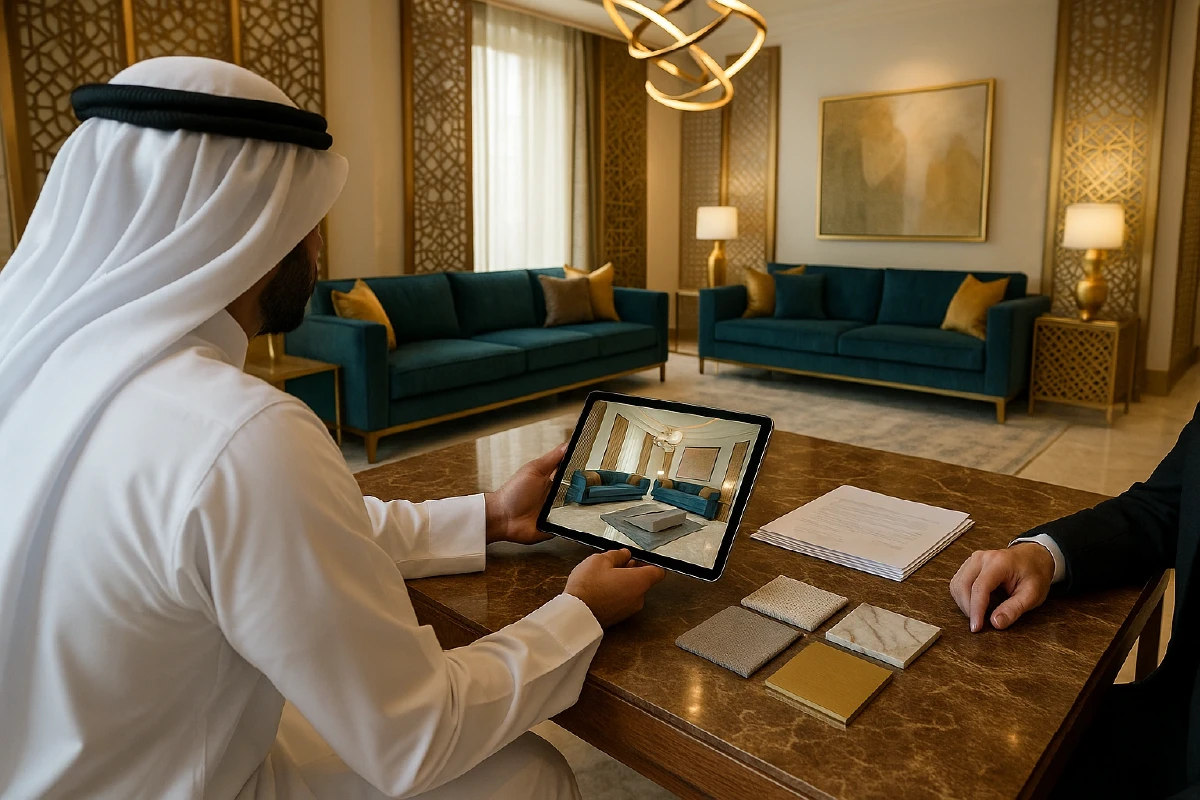
Design in Qatar must be respectful of cultural practices and preferences. Hospitality and family life are central, so spaces should support large gatherings while allowing private moments.
- Design For Hospitality: Provide flexible seating and storage for guests.
- Respect Prayer Practices: Plan quiet spaces with appropriate orientation and privacy.
- Blend Tradition With Modernity: Use contemporary forms with materials or motifs that reference local craft.
Case Study Example: Adaptive Reuse Of A Doha Townhouse
Let me share a project that illustrates purposeful design. A townhouse in central Doha had high ceilings but compartmentalized rooms. The client needed a family-friendly home that also hosted evening gatherings.
We implemented these measures and observed tangible results.
- Created An Open Ground Floor: Removed non-structural partitions to allow flexible seating and a seamless flow to the courtyard.
- Inserted A Semi-Private Majlis: A glazed partition with operable shutters preserved privacy while maintaining daylight.
- Upgraded Window Shading: External screens reduced solar gain and improved thermal comfort while keeping daylight quality.
- Designed Built-In Joinery: Custom storage near entry organized shoes and hospitality items, which reduced visible clutter.
After completion, the family reported easier hosting and a calmer daily routine. Moreover, energy use for cooling decreased due to the shading strategy.
Practical Tips For Homeowners And Professionals
Here are actionable tips you can use on your next project or renovation.
- Start With A Needs Audit: Spend one week logging how you use each room.
- Invest In One Significant Piece: A well-designed built-in or window treatment returns value.
- Prioritize Daylight: Orient living spaces to capture soft morning or late afternoon sun while controlling glare.
- Plan For Change: Choose furniture and partitions that can adapt as family needs evolve.
- Work With Specialists For HVAC And Glazing: Performance details matter in hot climates.
Quick Reflection
What single change would most improve your home right now? Often, the answer becomes the focus of meaningful design work.
Frequently Asked Questions
How Do I Define The Purpose Of A Room?
Begin by observing how you use the room for one week. Note peak activities and the items you use most. Create a short purpose statement such as Family Living And Occasional Entertaining and use that to guide layout and storage decisions.
When Should I Hire An Architect For An Interior Project?
If the work involves moving structural walls, changing services, or altering the building envelope, hire an architect early. Even for interior-only projects, an architect or interior designer adds value by coordinating systems and avoiding costly changes during construction.
How Can I Improve Thermal Comfort Without Heavy AC Use?
Use external shading, high-performance glazing, strategic insulation, and cross ventilation where possible. Ceiling fans and zoned HVAC reduce runtime and improve perceived comfort.
What Materials Are Best For High Traffic Homes?
Choose durable porcelain tiles, engineered timber for visual warmth, and high-performance fabrics for upholstery. Prioritize finishes that are easy to maintain and resist sun fading.
How Do I Balance Tradition And Modern Design?
Start with cultural priorities such as hospitality and privacy, then layer contemporary forms and materials. Use motifs and materials that reference local craft without replicating historic styles exactly.
Can Small Homes Benefit From Architecture As Much As Large Homes?
Yes. In small homes, architecture that clarifies circulation and prioritizes daylight yields disproportionate benefits. Efficient layouts and integrated storage increase usable area substantially.
What Role Does Lighting Play In Purposeful Design?
Lighting creates hierarchy and supports activities. Layer ambient, task, and accent lighting and include dimming for flexibility. Good lighting design enhances function and mood.
How Do I Start A Renovation With Limited Budget?
Prioritize one impactful intervention such as built-in storage or improved shading. Small strategic investments provide immediate improvement and reduce the need for larger future works.
How Do I Incorporate Sustainability Into Interiors?
Choose durable, low-maintenance materials, source locally when possible, and design for energy efficiency. Consider reuse of existing elements and design for disassembly to reduce future waste.
What Should I Expect From A Post Occupancy Review?
A post-occupancy review identifies minor adjustments to furniture, lighting, and storage that improve daily operations. Expect to refine details such as shelf heights and control locations for optimal use.
Conclusion And Practical Takeaways
Creating spaces with purpose means starting with people, not with trends. In Qatar, contextual sensitivity to climate, culture, and hospitality gives design an indispensable framework. Begin with a short needs audit, prioritize one significant intervention, and coordinate technical systems early. If you do that, you will create interiors and buildings that look confident and work effortlessly for years.
If you would like a tailored checklist for your home or project, let us consider your routines and build a focused plan together. What one change would most improve your daily life right now?