Super Fitout helps clients in plan, compare, and move forward with interior fitout projects by connecting them with independent interior designers, fit-out contractors, and turnkey service providers through a structured digital marketplace. As sustainability becomes an increasingly important consideration in interior projects, many clients now seek eco-friendly fitout solutions that align with environmental responsibility, operational efficiency, and long-term value.
In the interior market, eco-friendly fitouts are no longer limited to niche projects or premium developments. Residential, commercial, and hospitality clients are actively evaluating sustainable materials, energy-efficient systems, and low-impact design strategies as part of their interior planning process. This page explains what eco-friendly fitout means in the context and how sustainability influences interior decision-making.
Eco-Friendly Fitouts in the Market
Interior fitout projects operate within a unique environmental and regulatory landscape. High cooling demand, water scarcity, material sourcing considerations, and long operating hours all contribute to the environmental footprint of interior spaces. As a result, sustainability in fitouts is increasingly viewed as a practical requirement rather than a purely ethical choice.
Clients planning interior work—whether for villas, offices, retail outlets, or hospitality venues—are becoming more conscious of how material selection, system efficiency, and layout decisions affect energy use, maintenance costs, and indoor comfort over time. Eco-friendly fitouts aim to address these concerns without compromising functionality or design intent.
In the market, sustainability is often evaluated not only by environmental impact but also by durability, lifecycle performance, and compliance with local standards.
Why Sustainability Matters in Interior Fitouts
Sustainable interior fitouts offer measurable benefits for both occupants and property owners. From a client perspective, these benefits extend beyond environmental considerations and directly influence operational efficiency and long-term usability.
Common drivers behind eco-friendly fitout decisions include:
- Reduced energy consumption in climate-controlled interiors
- Lower long-term operational and maintenance costs
- Improved indoor air quality and occupant comfort
- Alignment with corporate sustainability goals
- Compliance with green building guidelines and certifications
For commercial and hospitality projects, sustainability can also influence brand perception and tenant expectations. Residential clients, meanwhile, often focus on healthier living environments and future-proofing their homes.
Sustainable Material Choices for Interiors
Material selection forms the foundation of any eco-friendly fitout. Sustainable materials are typically evaluated based on durability, thermal performance, sourcing impact, and indoor health considerations.
Common categories of sustainable interior materials include:
- Renewable materials: Materials such as bamboo and rapidly renewable wood alternatives that reduce pressure on slow-growing resources.
- Recycled and reclaimed materials: Recycled metals, reclaimed timber, and reused components that lower demand for virgin materials.
- Low-emission finishes: Low-VOC paints, adhesives, and sealants that support better indoor air quality.
- Durable natural materials: Stone, clay tiles, and mineral-based finishes known for longevity and thermal stability.
Clients reviewing fitout proposals increasingly look for clarity on material assumptions, lifecycle performance, and maintenance implications rather than sustainability claims alone.
Designing for Climate
Climate plays a significant role in how sustainable interiors are planned. High temperatures, extended cooling periods, and dust exposure influence both material behavior and system efficiency.
Eco-friendly fitouts in this context often focus on:
- Improving thermal insulation within interior assemblies
- Reducing heat gain through material and layout choices
- Supporting efficient air distribution and circulation
- Minimising unnecessary energy loads through smart zoning
These considerations help ensure that sustainability strategies are realistic, effective, and aligned with local operating conditions rather than imported design assumptions.
Energy-Efficient Systems in Interior Fitouts
Energy consumption is one of the most significant contributors to the environmental impact of interior spaces. Due to extended cooling requirements and long operating hours in commercial environments, energy efficiency is a central focus of sustainable fitout planning.
Eco-friendly fitouts typically integrate energy efficiency at the system level rather than treating it as an add-on. Clients increasingly expect fitout proposals to demonstrate how interiors will perform operationally, not just visually.
Common energy-focused strategies include:
- LED Lighting Systems: LED fixtures significantly reduce electricity consumption compared to traditional lighting and generate less heat, reducing cooling loads. Smart controls such as occupancy sensors and daylight integration further improve efficiency.
- Efficient HVAC Integration: Interior layouts that support efficient air distribution, zoning, and thermostat control help reduce unnecessary cooling demand while maintaining occupant comfort.
- Smart Controls: Automated systems that regulate lighting, temperature, and equipment usage based on occupancy patterns help minimise waste without affecting usability.
- Solar-Ready Design Considerations: While solar installations are typically addressed at the building level, interior fitouts can be planned to support solar-powered systems where applicable.
For clients, understanding how energy strategies are incorporated into the interior scope helps clarify long-term cost implications and sustainability outcomes.
Water Conservation in Interior Fitout Projects
Water efficiency is a critical sustainability concern due to limited natural freshwater resources. Interior fitouts play a direct role in reducing water consumption through fixture selection, system planning, and usage behaviour.
Sustainable water strategies commonly considered during interior planning include:
- Low-Flow Fixtures: Faucets, showerheads, and sanitary fittings designed to reduce water flow without compromising functionality.
- Dual-Flush and Efficient Sanitary Systems: Toilet systems that allow controlled water usage depending on need.
- Greywater Compatibility: In suitable projects, interiors may be designed to support greywater reuse systems for non-potable applications.
For commercial and hospitality interiors, water-efficient systems also contribute to operational savings over time. Clients increasingly consider these factors when comparing fitout proposals.
Waste Reduction During Fitout Execution
Construction and fitout activities can generate significant waste if not carefully managed. Eco-friendly fitouts aim to minimise waste generation and encourage responsible material use throughout the project lifecycle.
Waste reduction strategies typically include:
- Modular and Prefabricated Elements: Factory-produced components reduce on-site waste and improve installation efficiency.
- Reuse and Refurbishment: Retaining existing furniture, partitions, or finishes where feasible reduces material disposal.
- Material Optimisation: Accurate quantity planning helps minimise surplus materials and unnecessary disposal.
- Recycling Practices: Segregation of waste streams during fitout work supports recycling of metal, wood, and packaging materials.
Clients increasingly value fitout approaches that balance speed, quality, and environmental responsibility, particularly in repeat commercial or multi-unit projects.
Indoor Environmental Quality and Occupant Well-Being
Sustainable interiors are not limited to environmental metrics alone. Indoor environmental quality plays a major role in how occupants experience a space on a daily basis.
Eco-friendly fitouts often prioritise:
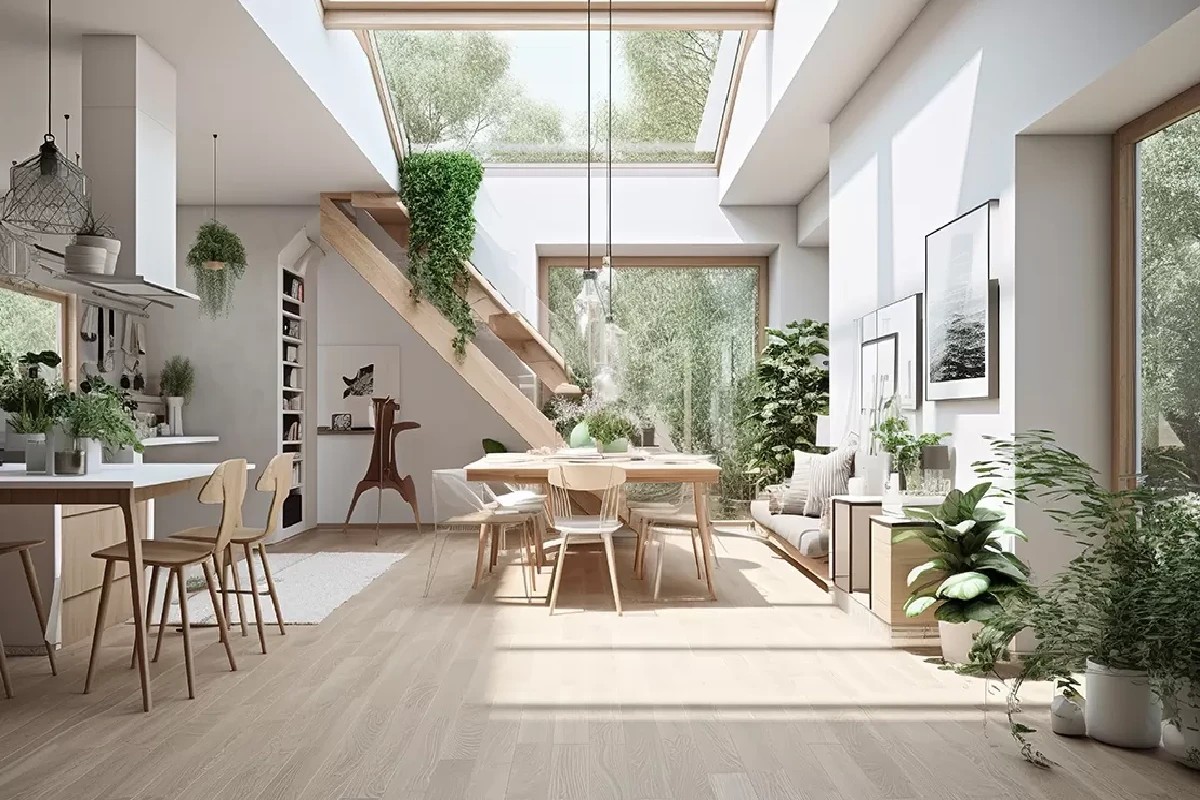
- Improved Air Quality: Use of low-emission materials combined with adequate ventilation helps reduce indoor pollutants.
- Natural Light Optimisation: Layout planning that maximises daylight penetration reduces reliance on artificial lighting and supports occupant comfort.
- Acoustic Comfort: Sustainable acoustic materials such as cork, recycled fibre panels, and fabric systems help manage noise levels in offices and shared spaces.
In residential interiors, these factors contribute to healthier living environments. In workplaces, they influence productivity, satisfaction, and long-term usability.
Green Building Certifications and Sustainability Standards
Clients planning eco-friendly fitouts often look beyond individual materials or systems and consider formal sustainability frameworks. These frameworks help establish measurable benchmarks for environmental performance and provide clarity on what qualifies as a sustainable interior.
The most commonly referenced sustainability standards in the market include:
- GSAS (Global Sustainability Assessment System): Qatar’s locally recognised sustainability framework, widely applied across residential, commercial, and mixed-use developments.
- LEED (Leadership in Energy and Environmental Design): An international certification system often referenced in corporate and hospitality projects.
While certifications are typically applied at the building level, interior fitouts contribute meaningfully through material selection, energy efficiency, water conservation, and indoor environmental quality. Clients often use these standards as guidance when evaluating sustainability-focused proposals.
How Super Fitout Helps Compare Eco-Friendly Fitout Options
Super Fitout does not design or execute eco-friendly fitouts. Instead, the platform supports sustainable decision-making by providing a structured environment where clients can compare Multiple Interior professionals responding to the same sustainability-focused requirements.
When clients specify sustainability goals in their project briefs, professionals respond with proposals that outline material assumptions, system choices, and execution approaches. Super Fitout places these proposals side by side, allowing clients to evaluate sustainability strategies alongside scope, timelines, and cost.
This comparison-driven approach helps clients move beyond generic sustainability claims and focus on practical, project-specific solutions that align with their priorities.
Who Benefits Most from Eco-Friendly Fitouts
Eco-friendly fitouts provide value across a wide range of interior projects. While sustainability priorities may differ by sector, the benefits remain consistent.
- Homeowners: Healthier indoor environments, reduced utility costs, and long-term durability.
- Business Owners: Lower operational expenses, improved workplace comfort, and alignment with sustainability policies.
- Hospitality Operators: Enhanced guest experience, energy efficiency, and brand alignment with sustainability expectations.
- Property Developers: Improved asset value, regulatory alignment, and long-term performance.
By integrating sustainability early in the interior planning process, clients gain flexibility and avoid costly adjustments later.
Final Thoughts on Eco-Friendly Fitouts
Eco-friendly fitouts represent a shift toward more responsible, efficient, and future-ready interior spaces. Sustainability is no longer a standalone feature; it is part of how interiors are evaluated, planned, and executed.
Through thoughtful material selection, efficient systems, water conservation strategies, and clear comparison of proposals, clients can make sustainability a practical component of their interior decisions.
Super Fitout supports this shift by providing structure, transparency, and comparison—helping clients turn sustainability goals into informed interior choices.
Frequently Asked Questions
-
What is an eco-friendly fitout?
An eco-friendly fitout focuses on reducing environmental impact through sustainable materials, energy-efficient systems, water conservation, and healthier indoor environments. -
Are eco-friendly fitouts suitable for all interior projects?
Yes. Eco-friendly principles can be applied to residential, commercial, retail, and hospitality interiors, regardless of project size. -
Do sustainable fitouts cost more?
Initial costs may vary, but many sustainable strategies reduce long-term operating and maintenance expenses, making them cost-effective over time. -
Does Super Fitout provide sustainable design services?
No. Super Fitout operates as a neutral digital marketplace. All design and fitout services are provided by independent professionals. -
Can I compare multiple eco-friendly fitout proposals on Super Fitout?
Yes. Clients can receive and compare multiple proposals that address sustainability requirements within a structured comparison framework.