Super Fitout helps clients, compare, and move forward with interior projects by connecting them with independent interior designers and fit-out companies through a structured digital marketplace. One of the most important tools used on the platform—both by professionals and by clients evaluating them—is the professional portfolio.
In the interior design market, portfolios are not viewed as decorative galleries. They function as evidence. Clients rely on portfolios to assess suitability, understand past experience, compare multiple professionals, and reduce uncertainty before committing to high-value interior decisions. This page explains why professional portfolios carry such weight and how they influence selection outcomes.
Portfolios in the Interior Design Context
Interior projects often involve significant financial investment, strict timelines, and high expectations around quality and finish. Whether the project is a private villa, a commercial office, a retail unit, or a hospitality space, clients typically review multiple professionals before making a decision.
In this environment, portfolios become a primary reference point. They allow clients to quickly understand the types of projects a professional has handled, the scale they are comfortable with, and the general design direction reflected across their work. In many cases, portfolios determine whether a conversation proceeds at all.
Because design landscape blends contemporary global influences with local preferences, portfolios also help clients evaluate whether a professional has experience navigating that balance. This context makes portfolio quality particularly important in the local market.
How Clients Use Portfolios to Make Interior Design Decisions
From a client perspective, portfolios answer practical questions long before pricing or timelines are discussed. Clients are not only assessing aesthetics; they are evaluating risk.
Common considerations include:
- Has this professional worked on similar project types?
- Is there consistency across multiple completed projects?
- Do past projects reflect realistic execution rather than concept-only visuals?
- Is there evidence of handling complex or high-spec environments?
Many interior projects involve coordination with approvals, suppliers, and tight delivery windows, clients often look for portfolios that demonstrate more than isolated design moments. They look for patterns that suggest reliability and repeatable outcomes.
What Makes a Portfolio Strong and Trustworthy
Not all portfolios carry the same weight. Clients tend to place higher confidence in portfolios that provide context rather than isolated imagery.
Elements that typically strengthen credibility include:
- Clear project categorisation (residential, commercial, retail, hospitality)
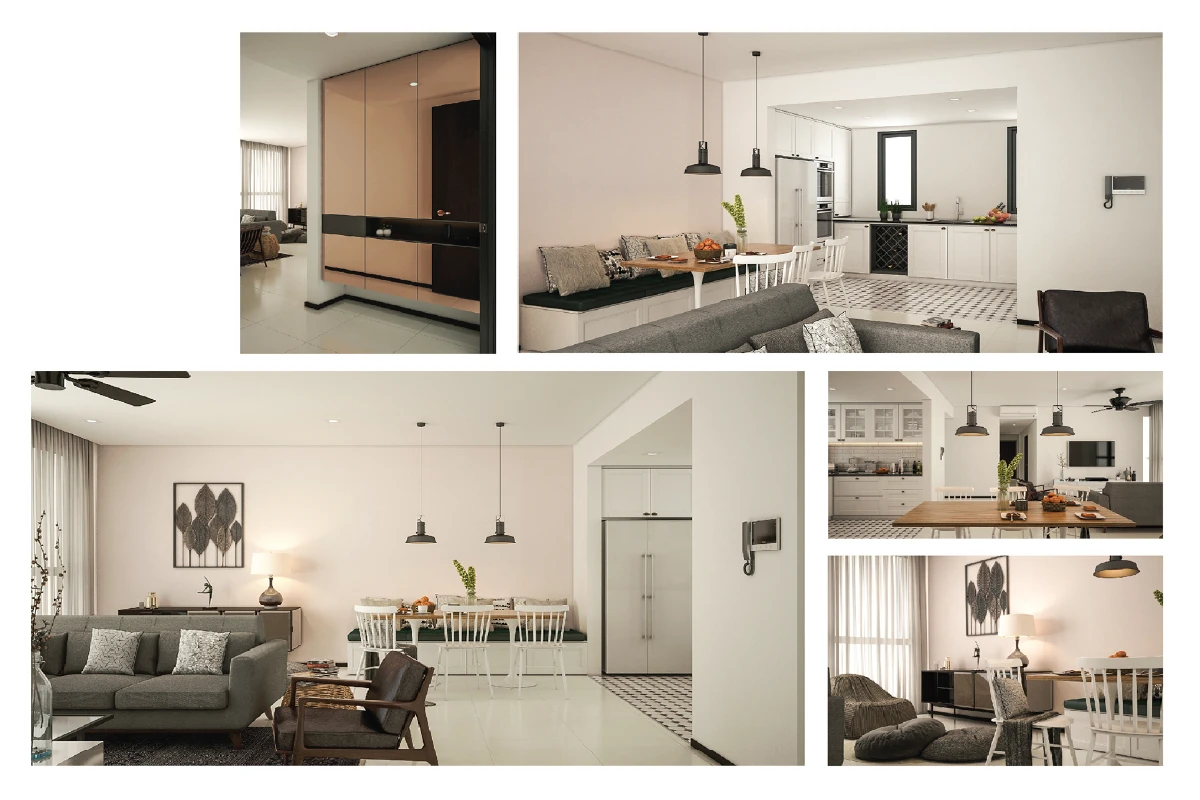
- High-quality images that show both overall spaces and detailed finishes
- Brief project descriptions outlining scope and objectives
- Before-and-after comparisons where applicable
- Evidence of completed work rather than conceptual visuals alone
Portfolios that lack structure or context often create hesitation. Clients may appreciate visual appeal, but without clarity around execution or relevance, confidence remains limited.
Process Visibility and Transparency
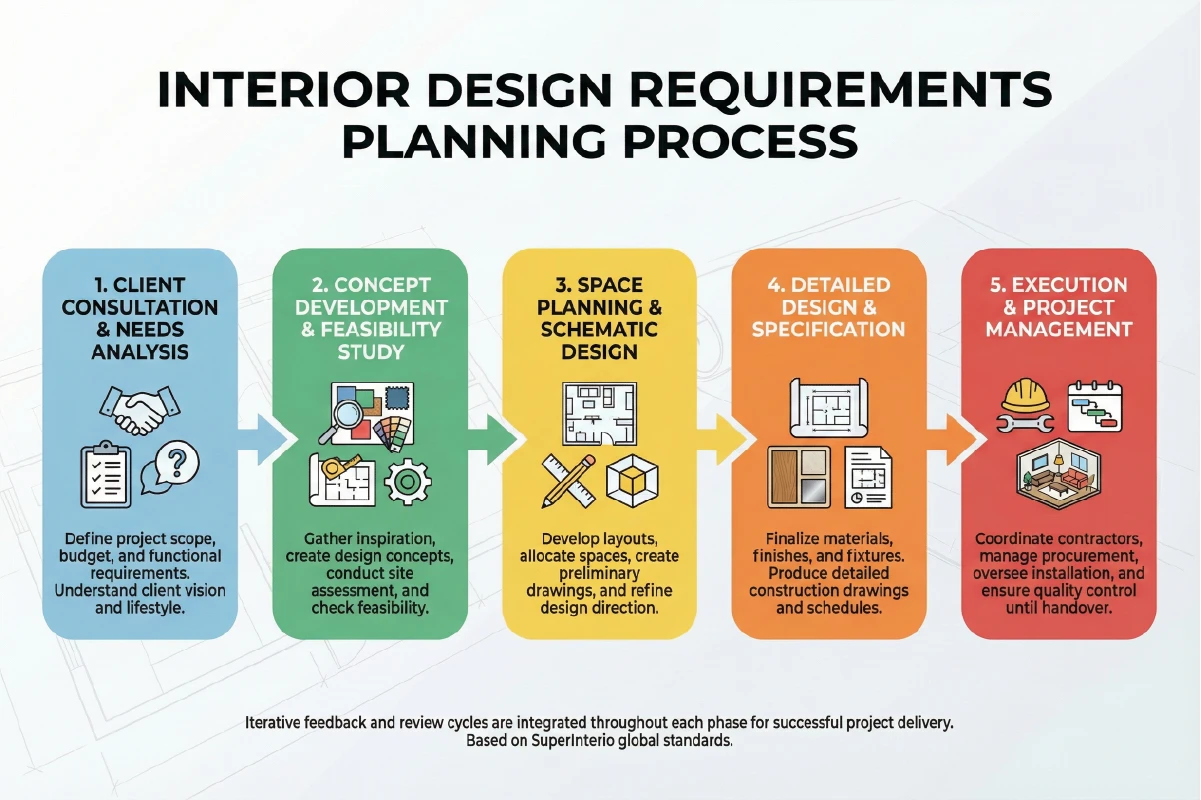
In high-value interior projects, transparency is closely linked to trust. Portfolios that provide insight into how projects progressed—rather than only final outcomes—help clients understand what working with a professional might feel like.
While portfolios are not expected to document every technical detail, even limited visibility into project phases, decision points, or challenges addressed can significantly improve client confidence.
This is particularly relevant in Middle East, where timelines, coordination, and material availability can vary depending on project type and location. Portfolios that acknowledge real-world constraints tend to resonate more strongly with informed clients.
Portfolios in a Competitive Interior Design Market
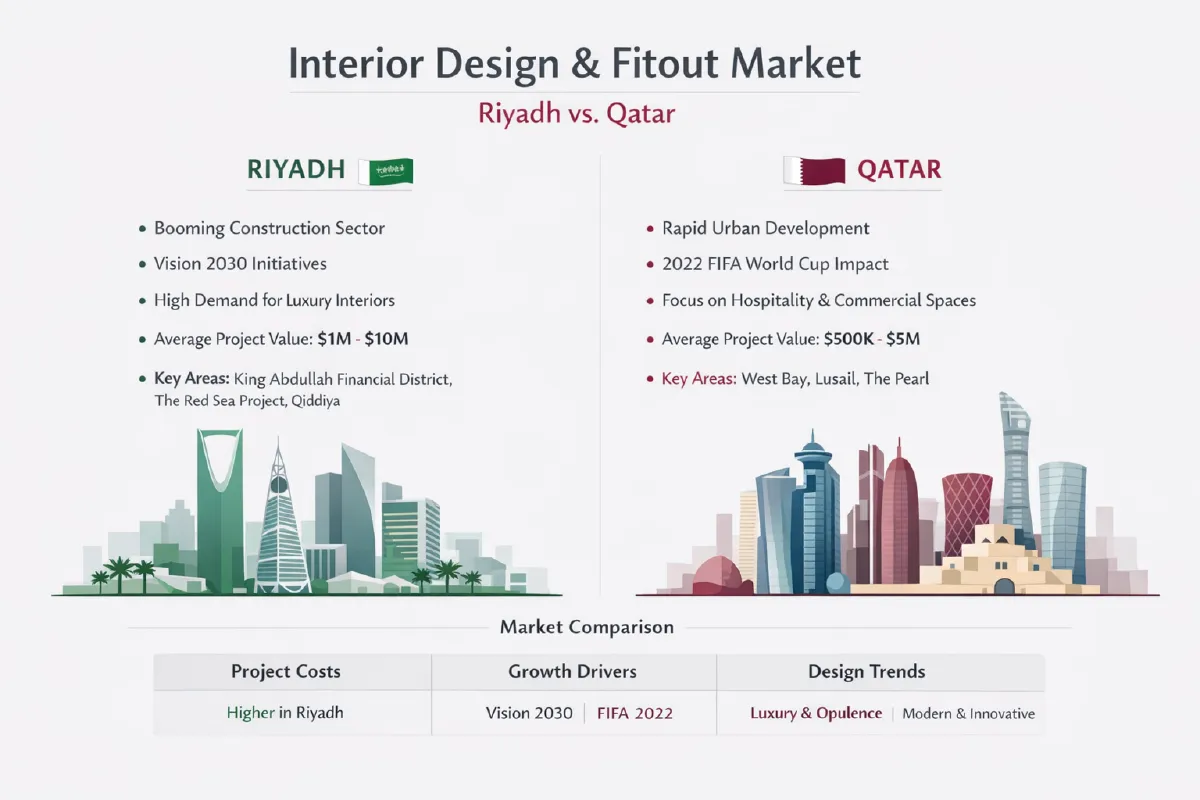
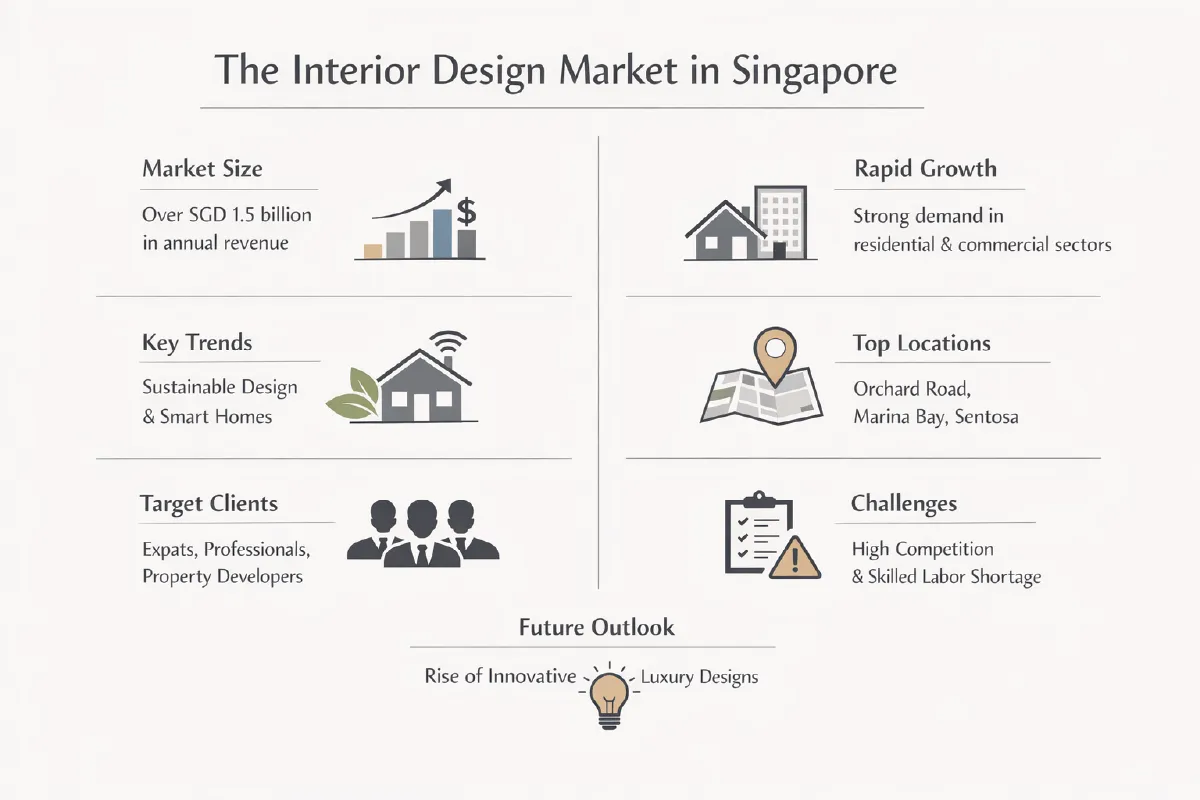
Interior design market continues to grow alongside real estate development, commercial expansion, and lifestyle investment. As a result, clients are presented with an increasing number of professionals offering similar services.
In such a competitive environment, portfolios act as differentiators. They allow clients to compare professionals side by side, identify strengths and gaps, and shortlist based on evidence rather than claims.
From a marketplace perspective, portfolios help level the field. Instead of relying on reputation alone, clients can evaluate each professional using the same reference framework—past work, relevance, and consistency.
How Super Fitout Brings Portfolio Clarity to Clients
Super Fitout does not create, curate, or modify professional portfolios. However, the platform plays a key role in how portfolios are presented and evaluated within a structured decision process.
By placing portfolios alongside project requirements, proposals, and comparative information, Super Fitout helps clients interpret portfolios in context rather than in isolation.
This structured presentation allows clients to:
- Review portfolios relevant to their specific project type
- Compare multiple professionals using consistent criteria
- Link past work directly to proposed scope and timelines
- Reduce reliance on assumptions or informal recommendations
In this way, portfolios become part of a broader, more transparent decision-making framework rather than standalone marketing material.
Final Thoughts on Professional Portfolios
In the interior design market, professional portfolios are not optional. They are central to how clients assess capability, reduce risk, and move forward with confidence.
For clients, portfolios provide visibility. For professionals, they offer a way to communicate experience without relying solely on conversation or claims. For platforms like Super Fitout, portfolios become a foundation for structured comparison and informed selection.
When interior decisions are supported by clear evidence, realistic expectations, and transparent comparison, outcomes improve for everyone involved. Portfolios, when viewed through the right framework, make that clarity possible.
Frequently Asked Questions
-
Why is a professional portfolio important in the interior design market?
Interior projects often involve high budgets and long-term use. Clients rely on professional portfolios to evaluate experience, relevance, and consistency before shortlisting interior designers or fit-out companies. -
What do clients look for in an interior design portfolio?
Clients typically look for completed project examples, relevance to their project type, consistency in quality, clarity of scope, and evidence of real-world execution rather than concept visuals alone. -
Are portfolios more important than price when selecting an interior designer?
Portfolios and pricing are evaluated together. While cost matters, portfolios help clients assess whether a professional’s experience and past work justify the proposed budget and align with project expectations. -
Does Super Fitout create or edit interior design portfolios?
No. Super Fitout does not create, modify, or curate portfolios. All portfolios are provided directly by independent interior designers and fit-out companies using the platform. -
How does Super Fitout help clients compare portfolios?
Super Fitout places portfolios within a structured comparison framework, allowing clients to review past work alongside project proposals, scope details, and timelines for more informed decision-making. -
Can portfolios help reduce risk in interior projects?
Yes. Reviewing relevant past work helps clients set realistic expectations, identify suitable professionals, and reduce uncertainty before committing to interior design or fit-out work. -
Is a portfolio necessary for small interior projects?
Even for smaller projects, portfolios help clients understand a professional’s style, experience level, and reliability, making them useful regardless of project size.