To receive accurate, competitive Interior Design Quotes, you must submit a clear, structured project brief that explains what you want, where it will be executed, how it should function, and what budget and timeline you are working within. The more precise your submission, the better the quality of proposals you receive.
Many interior projects fail at the quotation stage—not because of poor designers, but because the project brief is incomplete or unclear. Designers and fit-out companies rely entirely on the information you provide to estimate scope, materials, timelines, manpower, and risk.
Through Super Fitout’s Get Free Quotes feature, clients can submit a structured interior project and receive multiple bids from qualified professionals. This guide explains exactly what to include so your project attracts the right experts—not just the fastest responders.
Project Name
Your project name is the first thing professionals see. It should be simple, descriptive, and immediately communicate the nature of the work.
A good project name helps interior designers quickly decide whether the project matches their expertise, scale, and availability.
Effective examples:
- Modern Apartment Living Room Interior
- Corporate Office Fit-Out – West Bay
- Retail Boutique Interior Renovation
Avoid vague titles such as “Interior Work” or “Design Project.” Clear naming improves bid relevance and response quality.
Type of Interior Project
Selecting the correct project type ensures your submission reaches professionals who specialize in that specific scope of work.
- Interior Design: Concept development, layouts, finishes, and visual planning.
- Fit-Out: Execution of furniture, ceilings, partitions, flooring, lighting, and fixtures.
- Turnkey: Complete responsibility from design through execution and handover.
- Maintenance or Upgrade: Repairs, refurbishments, or partial improvements to existing interiors.
Choosing the correct category avoids mismatched bids and helps professionals price your project accurately from the start.
Sector & Sub-Sector
Interior design requirements vary significantly by sector. A residential apartment is priced, designed, and executed very differently from a restaurant, retail store, or corporate office.
Main sectors include:
- Residential: Apartments, villas, townhouses
- Commercial: Offices, clinics, co-working spaces
- Retail & F&B: Shops, cafés, Restaurants
- Exhibition & Events: Showrooms, temporary installations
Adding a sub-sector—such as hospitality, retail fashion, healthcare, or corporate headquarters—helps professionals assess compliance, approvals, and execution complexity more accurately.
Site & Location Details
Location information plays a major role in pricing, logistics, access planning, and approval requirements.
Include details such as:
- City or zone (e.g., Lusail, West Bay, Wakrah)
- Building type (mall unit, tower, villa, standalone structure)
- Access restrictions or working-hour limitations
- Existing conditions that may affect execution
Clear site details reduce assumptions, site visits, and pricing variations later in the process.
Area & Measurements
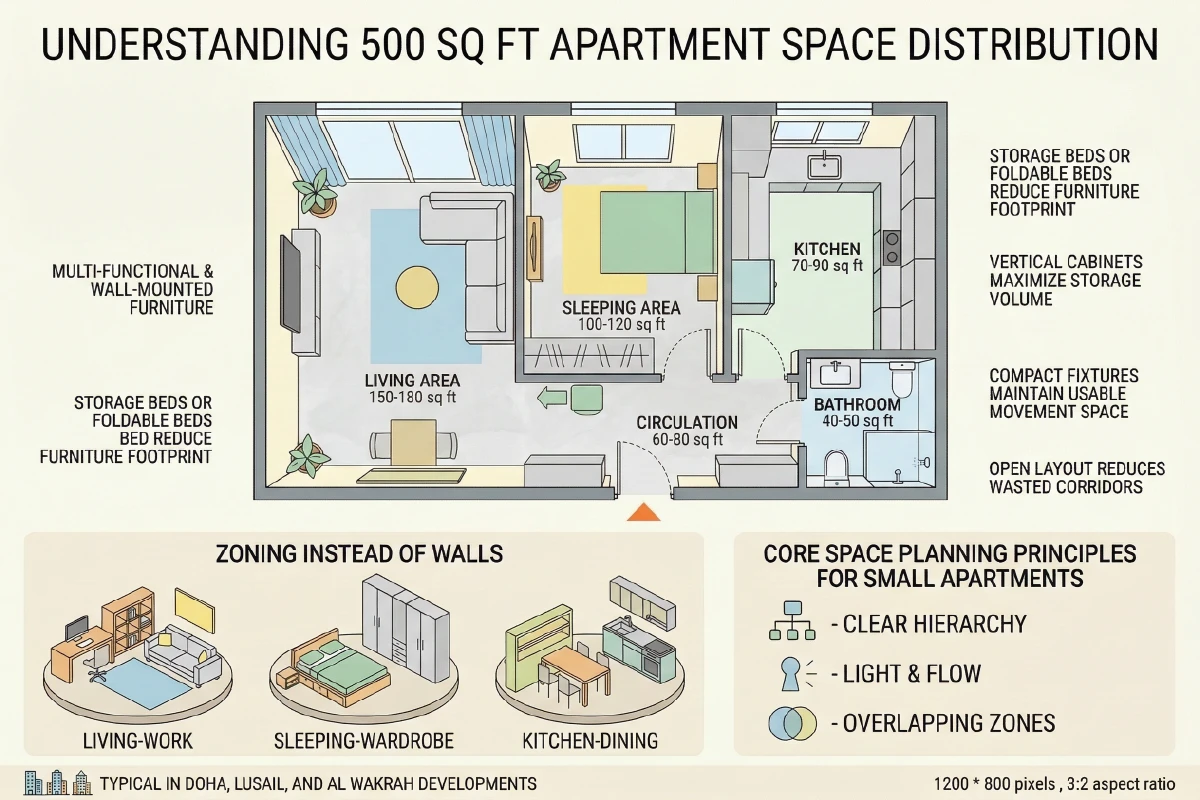
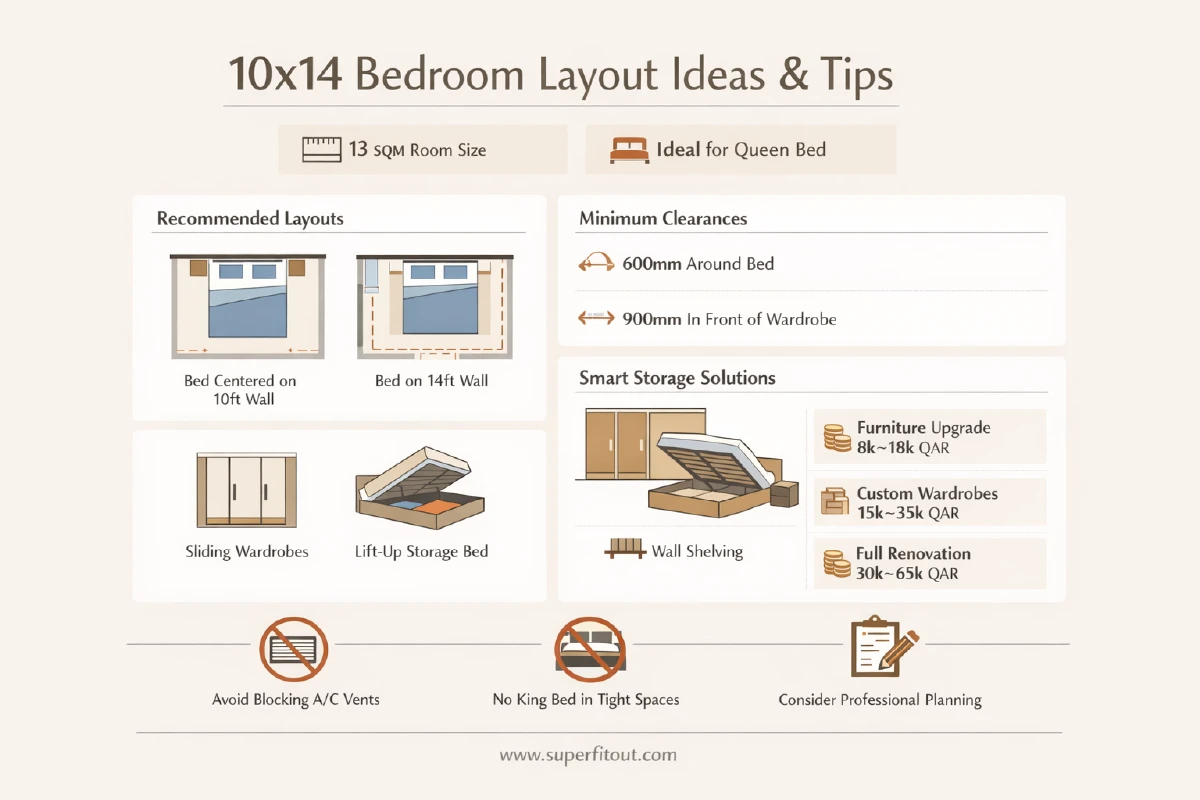
Clearly defining the size of your space is critical for accurate interior design and fit-out pricing. Area measurements directly influence material quantities, manpower requirements, execution time, and overall cost.
Whenever possible, provide the total area in square meters or square feet. If exact measurements are unavailable, approximate room dimensions are still helpful.
Area information helps professionals:
- Plan efficient layouts and circulation
- Estimate material volumes accurately
- Assess complexity relative to scale
- Avoid underpricing or overpricing
Projects without size details often receive wide-ranging quotes because professionals must assume worst-case scenarios. Clear area information reduces uncertainty and improves quote accuracy.
Detailed Project Description
This section is the most important part of your submission. It explains how you want the space to look, feel, and function. The quality of this description directly determines the quality of proposals you receive.
Your project description should cover:
- Design style: Modern, minimalist, luxury, industrial, traditional, or mixed
- Material preferences: Wood, marble, metal, glass, eco-friendly materials
- Functional requirements: Storage, lighting, acoustics, seating capacity, workflow
- Constraints: Structural limitations, existing finishes to retain, approvals
Avoid technical jargon. Clear, practical language works best. Designers interpret intent better when expectations are explained simply.
Example description:
“We are looking for a modern interior with neutral colors, integrated storage, efficient lighting, and a clean layout. The space should feel open and practical, while retaining the existing wooden flooring.”
A well-written description allows professionals to tailor their proposals instead of submitting generic estimates.
Drawings, Images & Attachments
Visual information significantly improves quote accuracy. Attachments reduce assumptions and help professionals understand spatial conditions without immediate site visits.
Recommended attachments include:
- Floor plans: Existing layouts, if available
- Site photos or videos: Current condition of the space
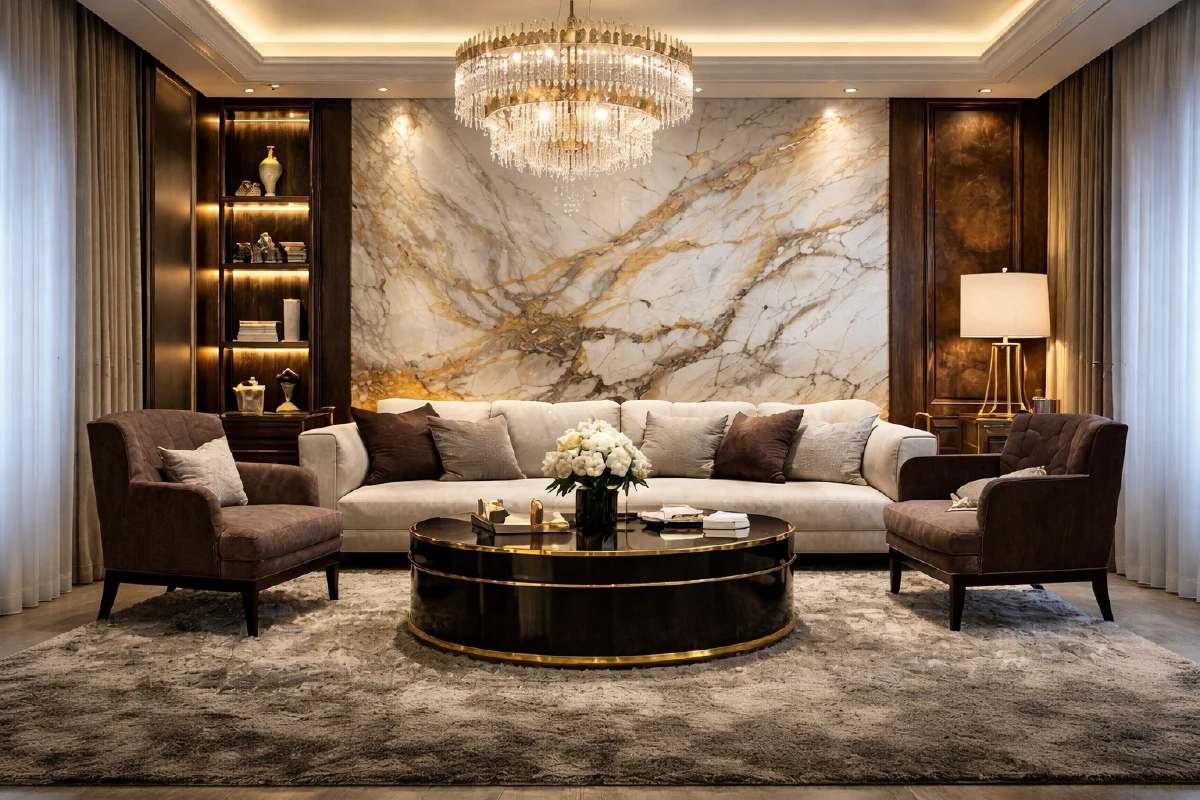
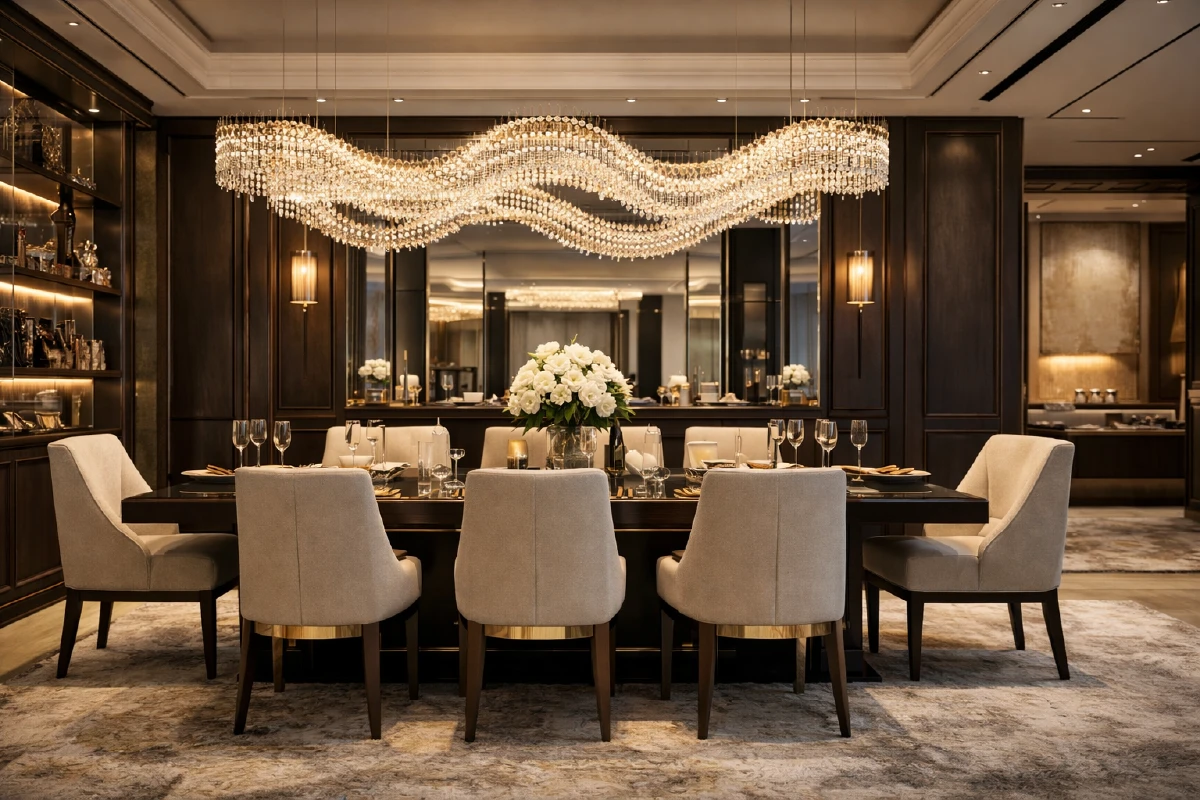
- Reference images: Inspiration styles, finishes, or layouts you like
Attachments do not need to be professional drawings. Even mobile photos or sketches provide valuable context and improve proposal relevance.
Budget Category
Selecting a budget category helps professionals align expectations before preparing their proposals. It prevents mismatched assumptions between premium and cost-controlled approaches.
- Luxury: Premium materials, high customization, extended detailing
- Medium: Balanced quality, durability, and cost efficiency
- Affordable: Practical, functional, and budget-conscious solutions
Budget category selection does not lock you into exact figures, but it signals the level of finish and execution you expect.
Budget Range (QAR)
Providing a budget range ensures you receive proposals that are realistic and aligned with your financial limits.
Typical examples:
- QAR 10,000 – 30,000
- QAR 31,000 – 80,000
- QAR 81,000 – 150,000
Without a budget range, professionals may either under-scope or overdesign their proposals, leading to wasted time on both sides.
Bid Deadline & Project Completion Date
Timelines are essential for planning manpower, procurement, and execution sequencing.
Include two key dates:
- Bid submission deadline: When professionals must submit their proposals
- Target completion date: When you expect the project to be finished
Clear timelines encourage serious bidders and prevent delays caused by unclear expectations.
Why a Detailed Project Brief Matters
A structured project brief benefits both clients and professionals. It reduces misunderstandings, improves pricing accuracy, and sets realistic expectations from the start.
- More accurate and competitive quotes
- Fewer revisions and scope disputes
- Better professional matching
- Smoother execution and coordination
Platforms like Super Fitout exist to facilitate this clarity by providing a structured submission process that benefits all parties involved.
Frequently Asked Questions
What information should I include when submitting an interior design project?
Include the project type, sector, site location, area size, design preferences, budget category, budget range, timelines, and any drawings or reference images. Clear information leads to more accurate and competitive quotes.
Why is a detailed project brief important for interior design quotes?
A detailed brief helps professionals understand scope, expectations, and constraints, reducing assumptions, revisions, and pricing inconsistencies.
Can I submit an interior project without drawings or floor plans?
Yes. While drawings improve accuracy, site photos, videos, reference images, and written descriptions are sufficient to receive proposals.
How does setting a budget range affect the quotes I receive?
A budget range helps professionals align their design and execution approach realistically, avoiding under-scoped or overdesigned proposals.
Is submitting an interior project on Super Fitout free?
Yes. Submitting a project and receiving proposals on Super Fitout is free and does not create any obligation to proceed.
Start Your Interior Project with Confidence
Submitting your interior design project is not just a formality— it is the foundation of the entire project lifecycle. The clearer your brief, the better your outcomes.
By using Super Fitout’s structured submission process, you enable designers and fit-out professionals to respond with proposals that truly match your needs, budget, and timeline.
A well-prepared brief saves time, reduces risk, and helps you move from idea to execution with confidence.