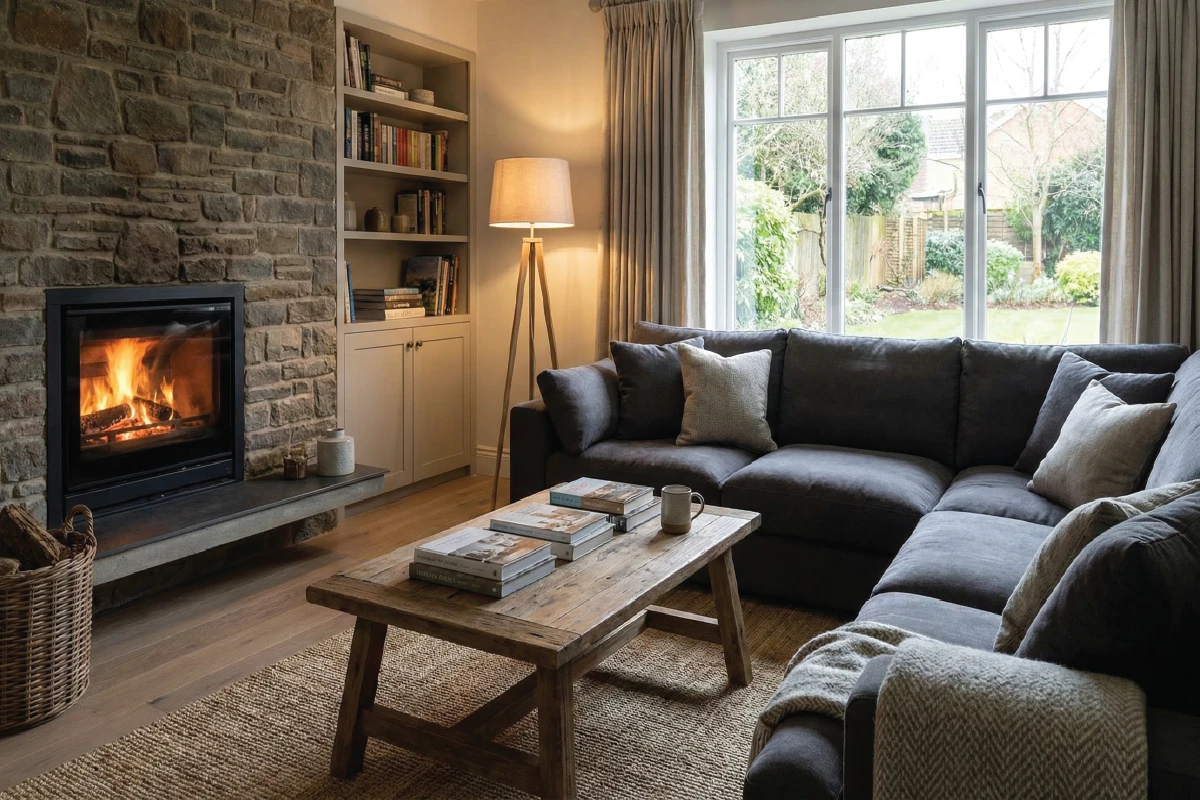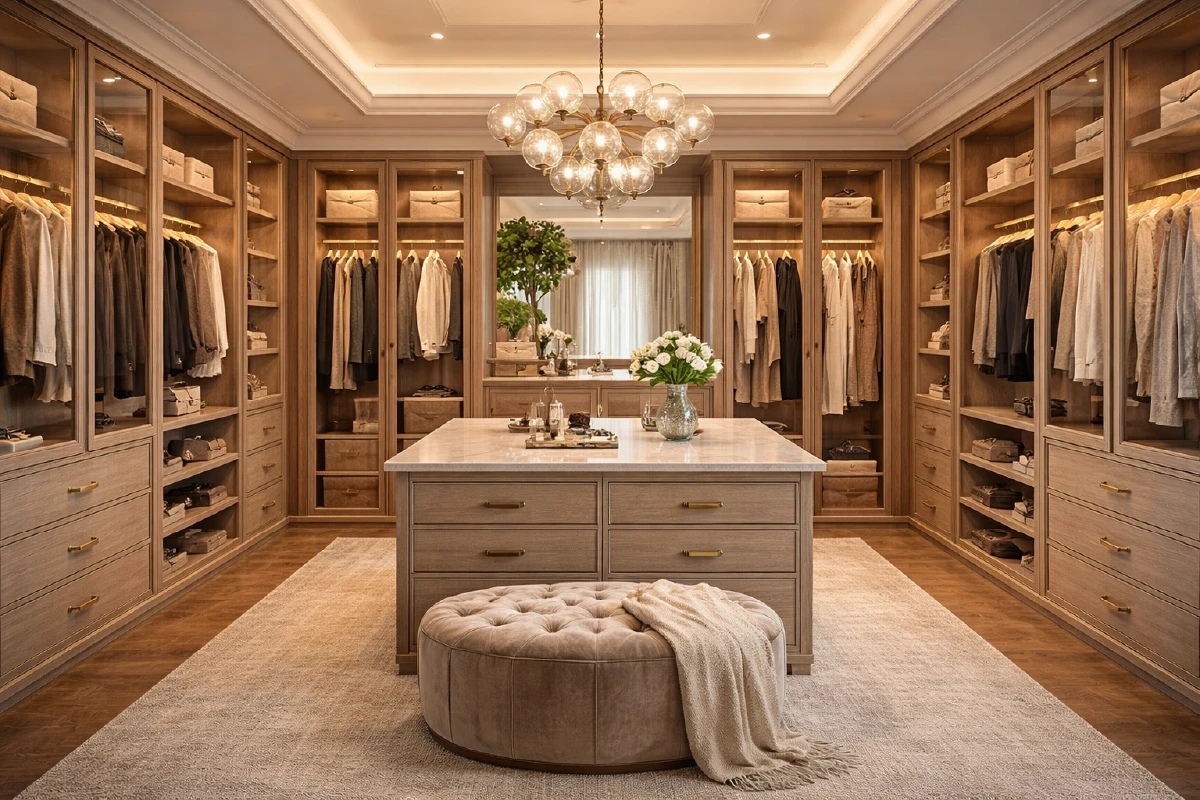
A well-defined interior project does not begin with drawings or finishes — it begins with clear information. The “Details of Project” and “Attachments” sections are the foundation of any successful interior design or fit-out requirement. They determine how accurately professionals understand your expectations, how realistic the quotes are, and how smoothly the project moves forward.
When these sections are vague or incomplete, projects suffer from misaligned proposals, unclear scope, budget confusion, and unnecessary revisions. When they are structured properly, designers and contractors can respond with informed, comparable, and relevant proposals.
This guide explains exactly what to include in both sections so you can receive accurate quotes, avoid misunderstandings, and move into execution with clarity.
Why the “Details of Project” Section Matters
The “Details of Project” section is where intent becomes actionable. It translates ideas into requirements and gives professionals the context they need to plan layouts, estimate materials, assess risks, and price work realistically.
This section should answer one core question for every professional reviewing your project:
What does the client want to achieve, and what constraints must be respected?
1. Project Vision and Objectives
Start by clearly stating why the project exists.
This does not need technical language. It needs clarity.
Include:
- The primary purpose of the space
- The experience you want users to have
- The outcome you consider a success
Examples:
- A residential living space designed for comfort, natural light, and storage
- An office interior that supports collaboration and focused work
- A retail space that highlights products and encourages customer flow
Clear objectives help professionals design with intent rather than assumptions.
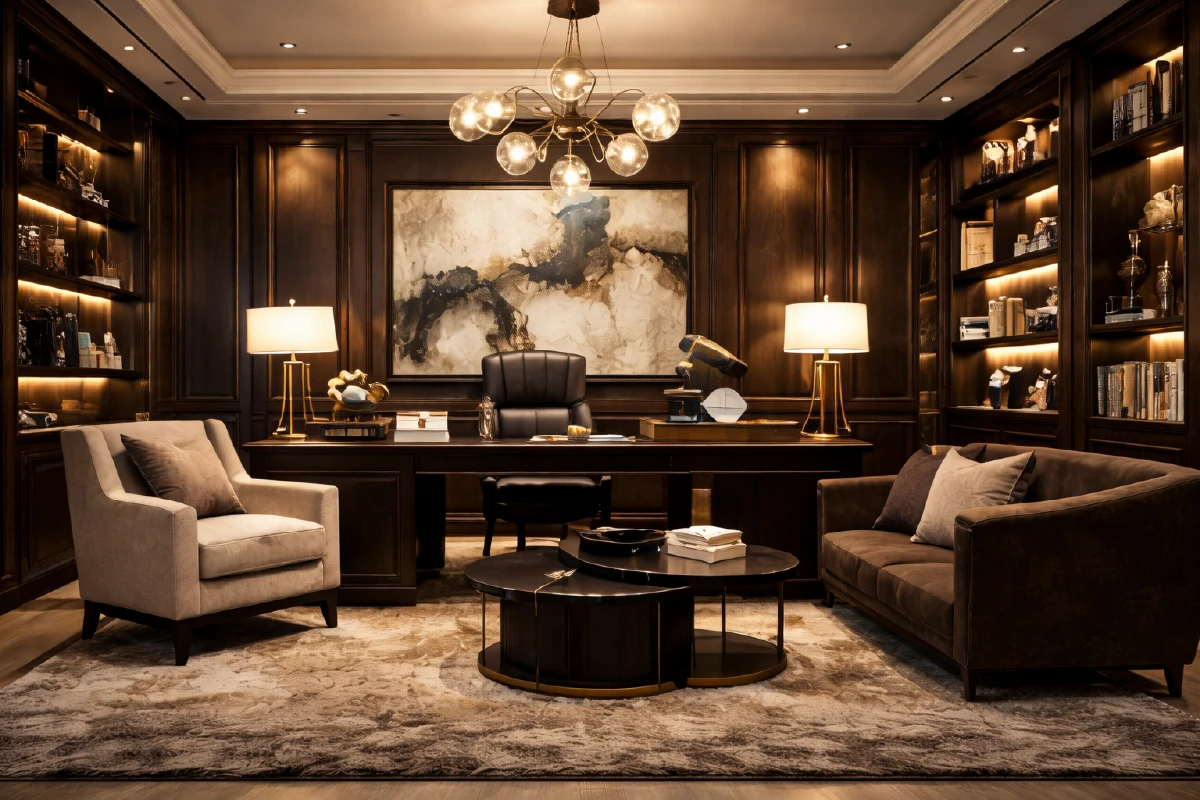
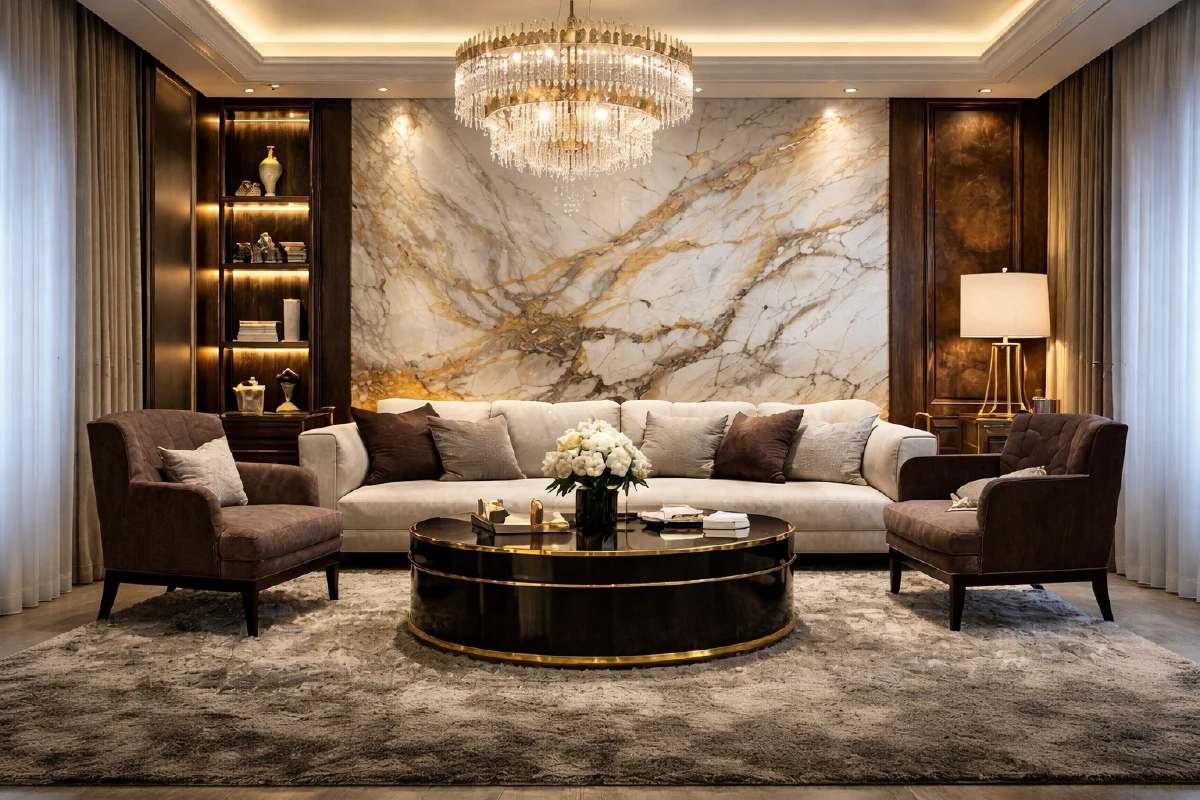
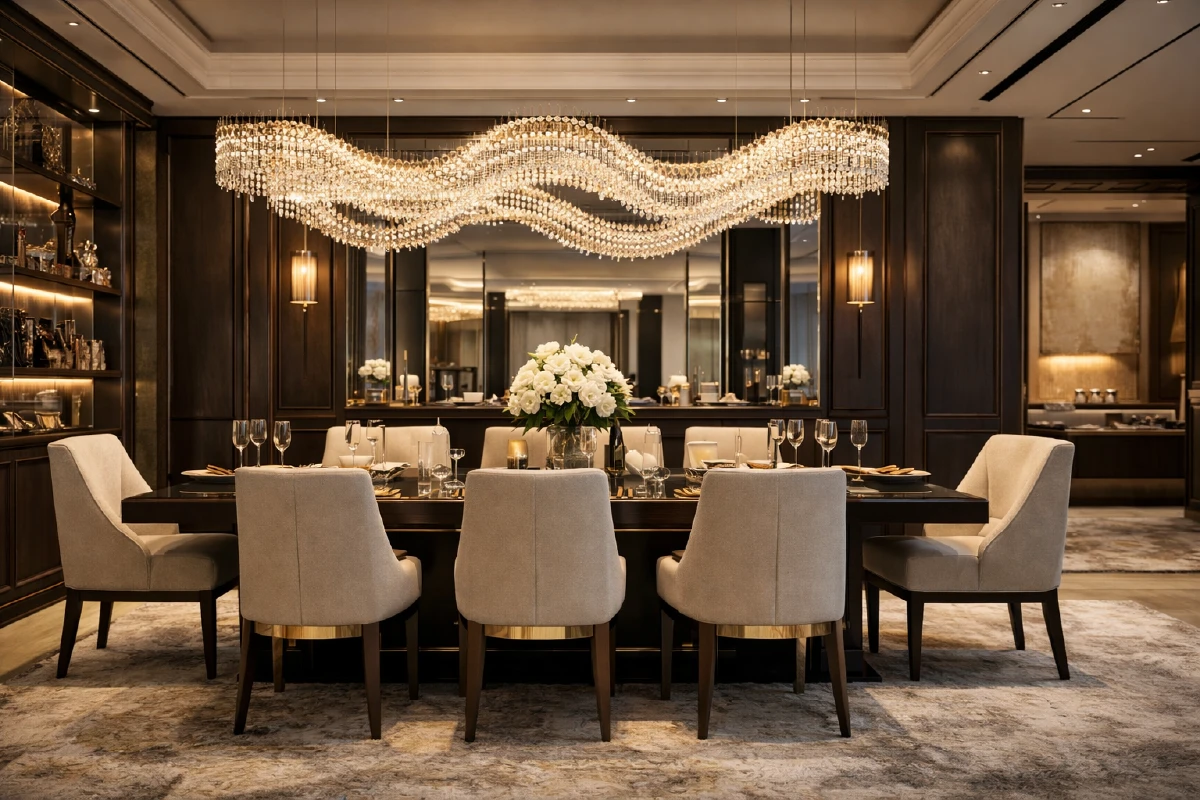
2. Preferred Interior Style and Design Direction
Professionals should not guess your aesthetic preferences. This section defines the design language of the project.
Mention:
- Preferred styles (modern, minimalist, luxury, industrial, traditional, Scandinavian)
- Whether you want a themed approach (Eco-Friendly, smart interiors, brand-driven design)
- Colors you like or want to avoid
- Overall mood (warm, professional, vibrant, calm, premium)
Even if your preferences are flexible, stating a direction prevents misaligned proposals.
3. Functional Requirements of the Space
A space must work before it looks good. Functional requirements ensure that layouts and furniture decisions support real use.
Include details such as:
- How the space will be used daily
- Storage needs
- Seating capacity
- Workflow or movement requirements
- Any specific furniture needs (ergonomic seating, modular units, built-ins)
For example:
- A home office may need sound control and cable management
- A café may require flexible seating and service flow
- A retail store may need display zones and storage access
This information directly affects layout planning and cost estimation.
4. Lighting Preferences and Ambience
Lighting is often underestimated, yet it has a major impact on comfort, energy use, and atmosphere.
Clarify:
- Preference for natural versus artificial lighting
- Warm, neutral, or bright white light
- Need for accent, decorative, or task lighting
- Interest in smart lighting controls
Lighting requirements influence electrical planning, ceiling design, and fixture selection, so clarity here reduces revisions later.
5. Materials, Finishes, and Surface Preferences
Material choices significantly affect both budget and execution timelines.
Mention:
- Preferred materials (wood, marble, metal, glass, sustainable materials)
- Any finish expectations (matte, glossy, textured)
- Brand preferences if already decided
- Sustainability or durability priorities
If you are undecided, state that flexibility is acceptable. That allows professionals to propose alternatives within budget.
6. Structural Constraints and Existing Elements
Every space has limitations. Identifying them early prevents unrealistic concepts.
Include:
- Fixed elements that cannot be changed (columns, beams, ceiling height)
- Existing features to retain (flooring, walls, furniture)
- Known challenges (low ceilings, restricted access, noise sensitivity)
Professionals can design smarter solutions when constraints are clearly disclosed.
7. Technology and Smart Features
If technology plays a role, define expectations upfront.
This may include:
- Smart home or office automation
- Security systems
- Audio-visual integration
- Network or cabling requirements
Technology decisions influence layouts, electrical planning, and coordination between trades.
8. Specific Requests and Deal-Breakers
This section prevents costly misunderstandings.
Mention:
- Must-have features
- Elements you strongly dislike
- Non-negotiable requirements
- Any special considerations (acoustics, accessibility, privacy)
Even brief notes here help professionals avoid proposing unsuitable solutions.
Example of a Well-Written Project Detail
“I want a contemporary interior with neutral tones, optimized storage, and a focus on sustainability. The space should feel open and airy, using eco-friendly materials and LED lighting. I prefer modern furniture with a mix of black, white, and wood finishes. The existing brick wall should remain as a feature element.”
This level of detail gives professionals a clear design framework without restricting creativity.
Attachments: Supporting Documents and Visual References
While written details explain intent, attachments provide visual and technical clarity. They allow interior designers and contractors to validate assumptions, assess site conditions, and prepare realistic proposals.
Projects that include relevant attachments typically receive more accurate quotes, fewer clarification questions, and stronger alignment between client expectations and professional responses.
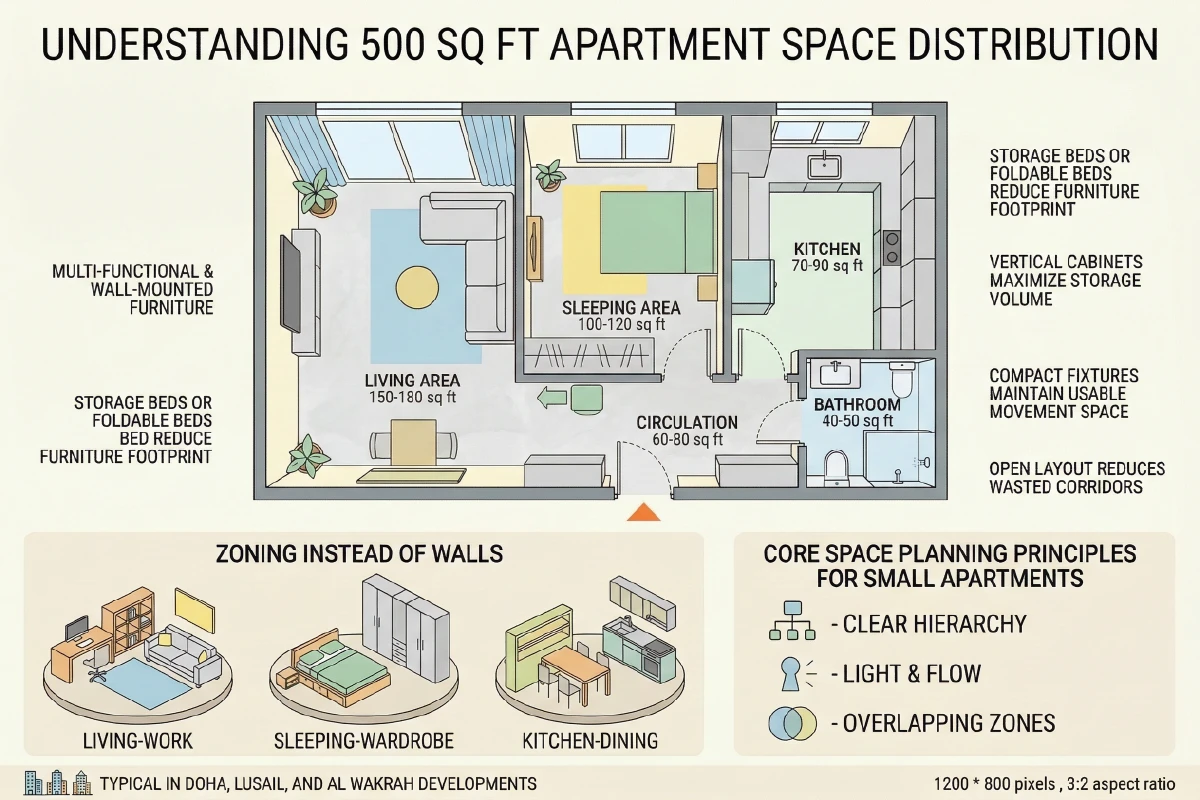
1. Floor Plans and Layout Drawings
Floor plans are one of the most valuable attachments you can provide. Even basic drawings help professionals understand scale, circulation, and spatial constraints.
You may upload:
- Existing floor plans or as-built drawings
- Proposed layouts or rough sketches
- PDFs, CAD exports, or scanned drawings
These documents help professionals plan furniture placement, lighting layouts, electrical routing, and space optimization more accurately.
2. Site Photos and Walkthrough Videos
Photos and videos provide real-world context that drawings alone cannot capture.
Recommended uploads include:
- Clear photos taken from multiple angles
- Wide shots showing overall proportions
- Close-ups of problem areas or existing finishes
- Short walkthrough videos, if possible
These visuals help professionals evaluate access conditions, ceiling heights, structural elements, and existing services, leading to more accurate pricing and execution planning.
3. Inspiration Images and Mood Boards
Inspiration images communicate design preferences faster than written descriptions.
You may upload:
- Reference images from online platforms or magazines
- Mood boards combining colors, materials, and textures
- Examples of spaces that match your desired style
Visual references reduce subjective interpretation and help professionals align their concepts with your expectations.
4. Material Preferences and Product References
If you already have material preferences, sharing them early avoids mismatches later.
Attachments may include:
- Images of preferred flooring, furniture, or finishes
- Product specification sheets
- Links to selected materials or fixtures
This information helps professionals price accurately and assess availability, lead times, and compatibility.
5. Sketches or 3D Renderings (Optional)
If preliminary design work already exists, uploading it can significantly improve proposal quality.
These may include:
- Hand-drawn sketches
- Concept drawings
- 3D visualizations or renders
While optional, these attachments allow professionals to base their bids on a defined vision rather than assumptions.
6. Brand Guidelines for Commercial Projects
For offices, retail spaces, hospitality venues, and other commercial projects, brand alignment is critical.
Consider uploading:
- Brand color palettes
- Logos and typography guidelines
- Existing design standards or manuals
This ensures the interior design supports brand identity, customer experience, and consistency across locations.
Why These Sections Directly Affect Quote Accuracy
Interior Design and Fit-Out pricing is highly dependent on information quality.
When project details and attachments are complete, professionals can:
- Define scope accurately
- Estimate materials realistically
- Identify risks early
- Propose solutions aligned with budget and timeline
Incomplete information often results in conservative pricing, exclusions, or frequent revisions during execution.
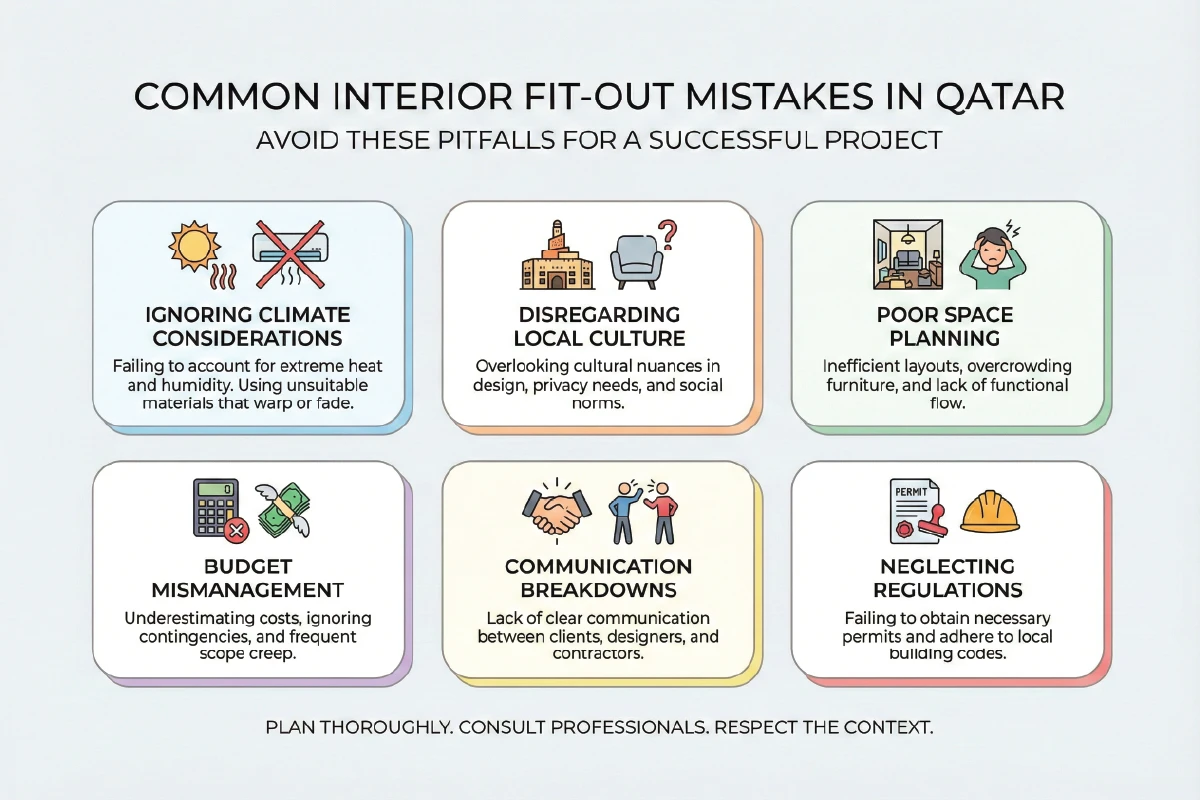
Common Mistakes to Avoid
Many project issues stem from avoidable mistakes in the briefing stage.
- Providing only generic descriptions without specifics
- Uploading unclear or outdated site photos
- Ignoring functional requirements
- Failing to disclose constraints or fixed elements
- Leaving budget expectations undefined
Avoiding these mistakes improves response quality and reduces delays.
How a Clear Brief Supports Better Decision-Making
A structured project brief allows you to compare proposals on equal terms.
When all professionals respond to the same information, differences in pricing, approach, and timelines become meaningful rather than confusing.
This enables informed selection based on experience, suitability, and value rather than guesswork.
Final Thoughts
The “Details of Project” and “Attachments” sections are not administrative formalities — they are strategic tools.
Investing time in these sections improves communication, pricing accuracy, and execution outcomes. It allows interior professionals to focus on solving the right problems instead of clarifying basic information.
Whether your project is residential or commercial, simple or complex, a clear brief supported by relevant attachments sets the foundation for a smoother, more predictable interior journey.
Frequently Asked Questions
-
Why are the Details of Project and Attachments sections important?
These sections help interior designers and contractors clearly understand your vision, functional needs, and site conditions. Well-detailed information leads to accurate quotes, fewer clarifications, and smoother project execution. -
What should be included in the Details of Project section?
This section should include project goals, preferred interior style, functional requirements, lighting preferences, material choices, structural constraints, technology needs, and any specific requests or exclusions. -
What attachments should I upload for an interior design project?
Recommended attachments include floor plans, site photos, walkthrough videos, inspiration images, material references, sketches or 3D renders, and brand guidelines for commercial projects. -
Are floor plans mandatory when submitting a project?
Floor plans are not mandatory, but they significantly improve quote accuracy by helping professionals understand space dimensions, layout possibilities, and technical constraints. -
How do attachments improve quote accuracy?
Attachments provide visual and technical clarity, allowing professionals to assess site conditions, materials, and scope correctly. This reduces assumptions, prevents pricing errors, and minimizes revisions later. -
Can incomplete project details affect pricing?
Yes. Incomplete details often lead to conservative pricing, exclusions, or later variations. Clear project information helps professionals submit realistic and transparent proposals.