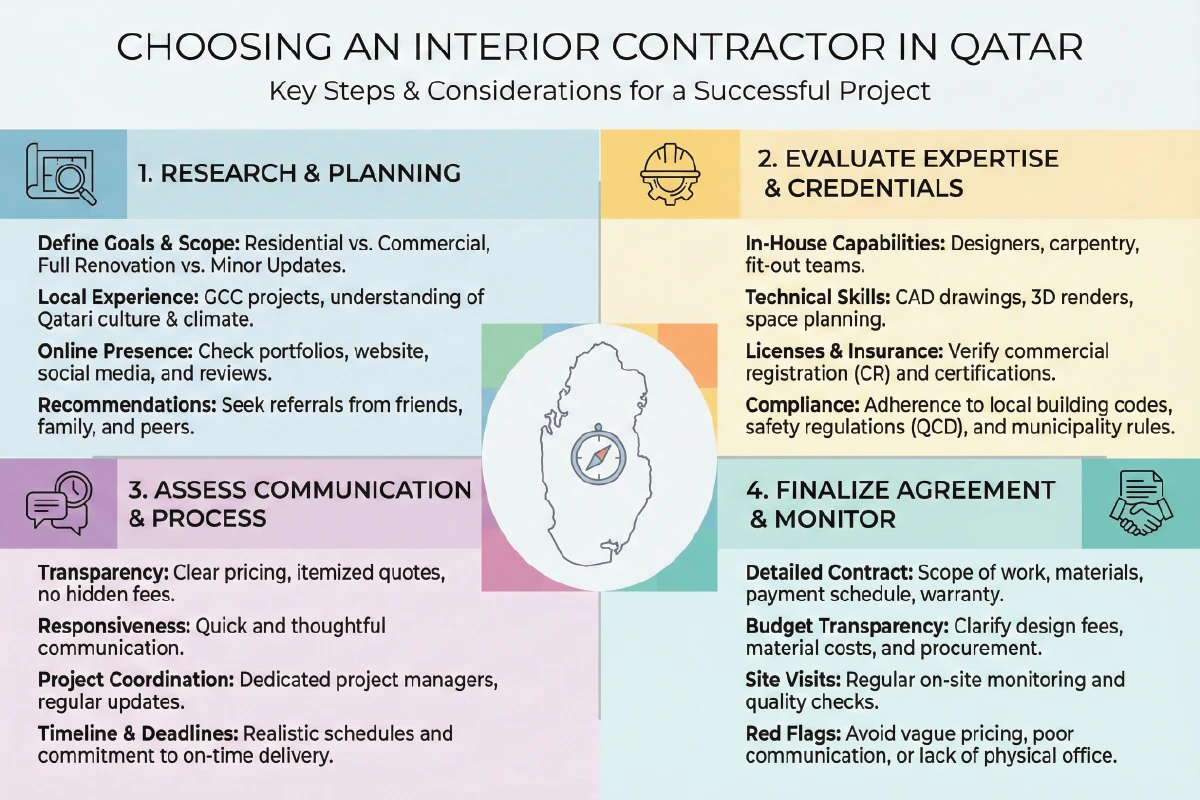
Choosing a right interior designer in Qatar requires evaluating their portfolio, understanding their design style, checking past client feedback, confirming experience with Qatar-specific materials and regulations, and comparing multiple proposals for transparency. Using a platform such as SuperFitout allows homeowners to review designers, compare quotes, and select a professional whose expertise aligns with their project vision.
Why Choosing The Right Designer Matters
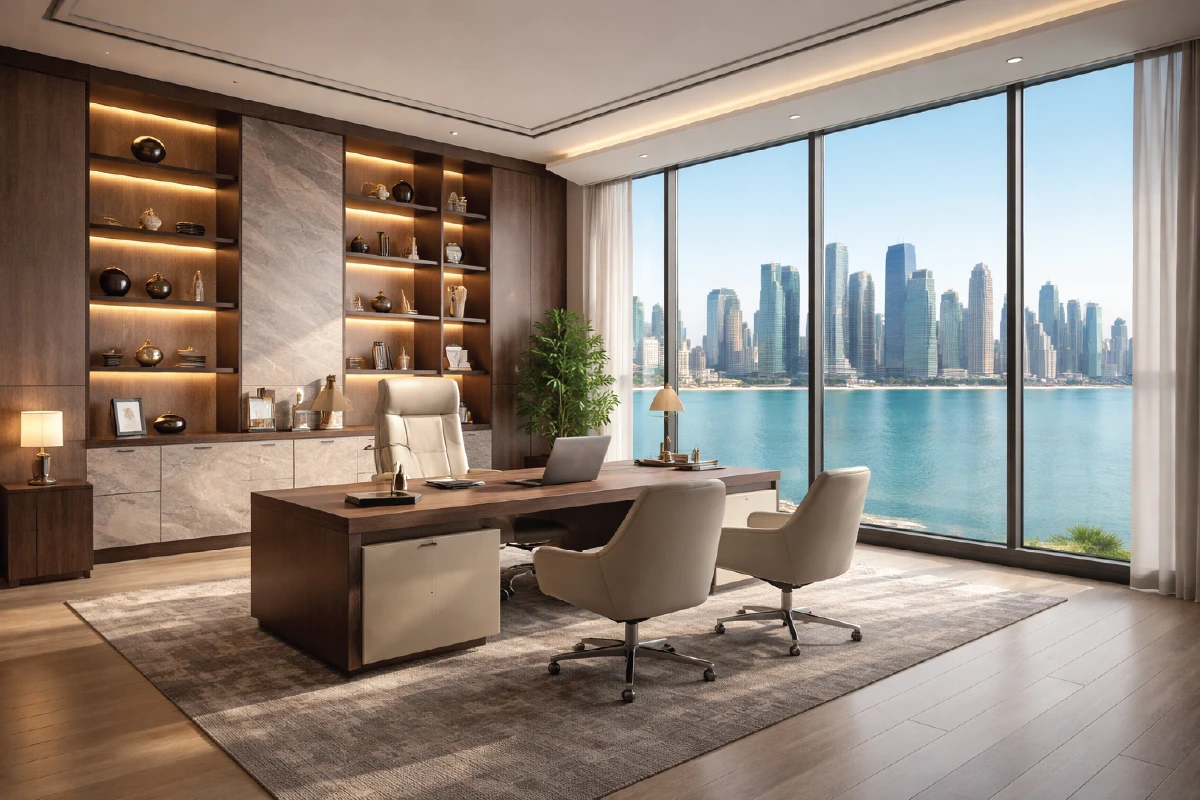
Choosing an interior designer is more than simply selecting someone who can create visually appealing spaces. In Qatar, where homes often blend modern luxury with cultural warmth, finding the right designer can significantly influence comfort, functionality, and long term value. Moreover, projects in Doha, Lusail, and The Pearl often involve unique architectural layouts, imported materials, and specific approval requirements. Selecting a designer who understands these nuances helps support a smoother renovation journey and reduces the likelihood of costly mistakes.
Imagine planning a full apartment upgrade in Lusail. One designer may focus heavily on aesthetics but overlook essential MEP considerations, while another may prioritise function but offer limited creative direction. The ideal professional balances both design intent and practical execution while guiding clients through procurement, scheduling, and budget planning. This is why the selection process—not just the design phase—plays a crucial role in influencing overall project outcomes.
Understanding Your Project Goals
Before reviewing portfolios or comparing proposals, it is essential to define your project goals clearly. This step helps ensure that the designer you choose aligns with your expectations from the beginning. Homeowners in Qatar often approach projects with one of three intentions: a light refresh, a modern upgrade, or a full transformation. Each requires a different skill set and budget range.
To help clarify project objectives, the following table summarises common project types and the level of intervention typically required.
| Project Type | Typical Scope | Ideal Designer Profile |
|---|---|---|
| Light Refresh | Painting, lighting upgrades, minor carpentry | Designer offering practical, budget conscious solutions |
| Modern Upgrade | New finishes, feature walls, custom storage | Designer experienced in contemporary apartments |
| Full Transformation | Complete redesign, carpentry, layout adjustments, 3D renders | Designer with strong portfolio and technical coordination skills |
Clarifying project intent early allows designers to prepare more accurate proposals and relevant design concepts. It also helps ensure that quotes reflect the true scope rather than generalised estimates.
Reviewing Portfolios Effectively
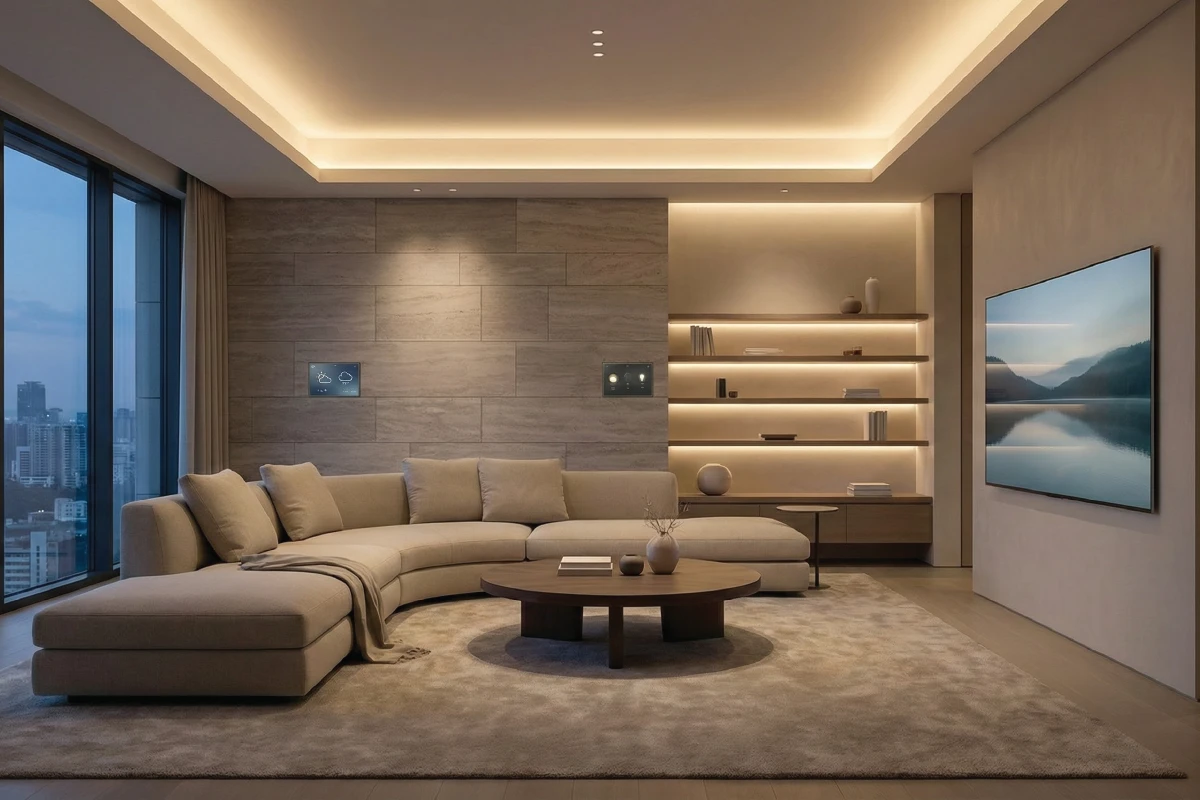
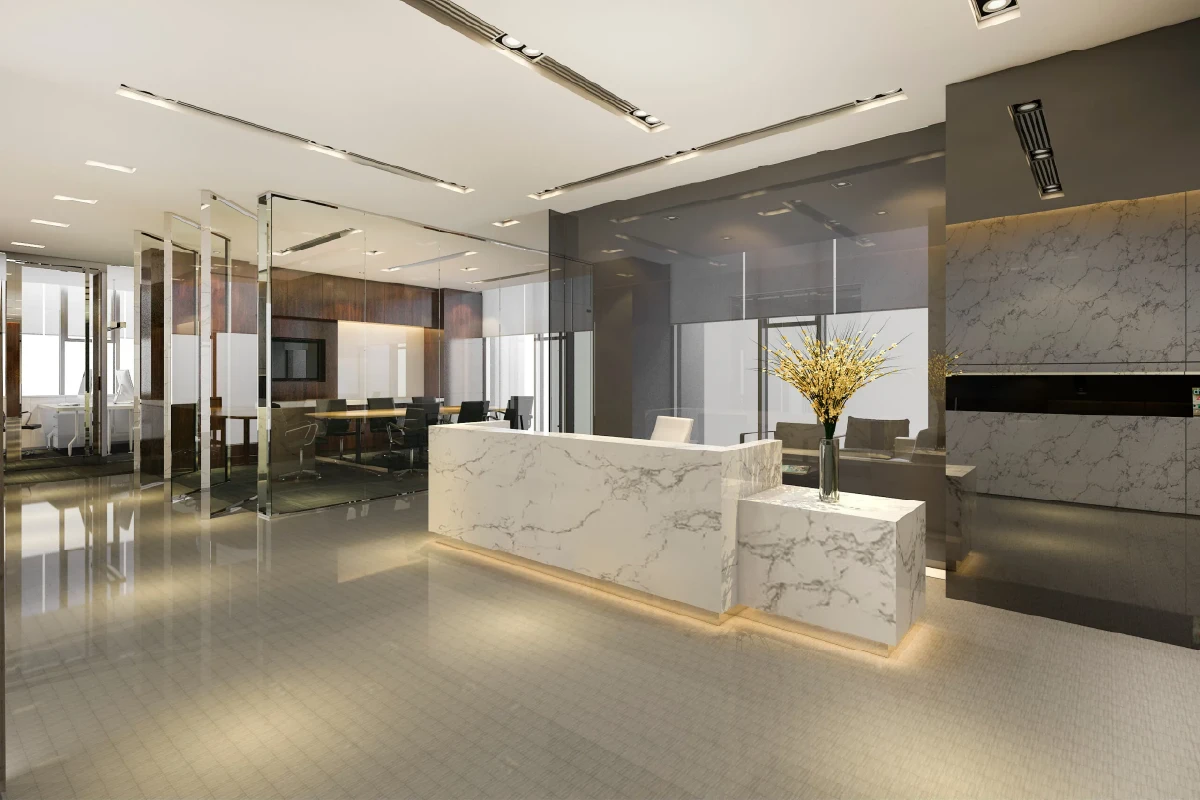
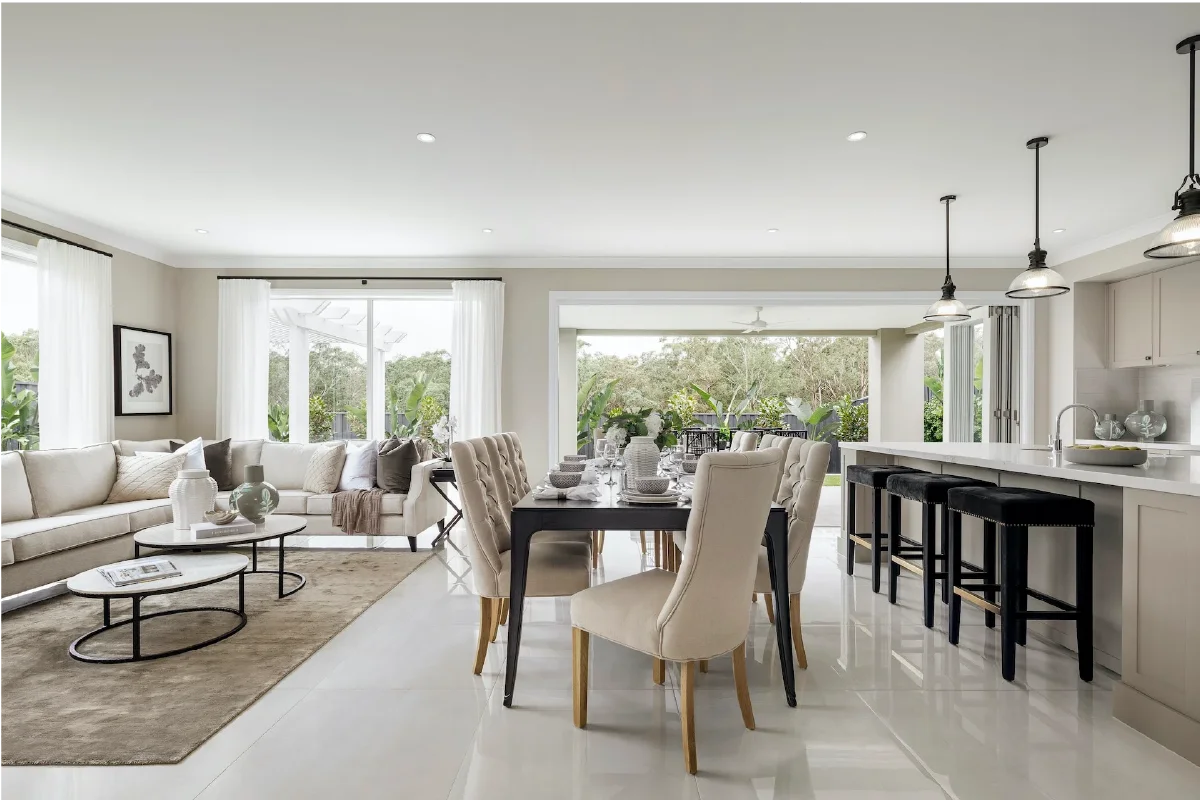
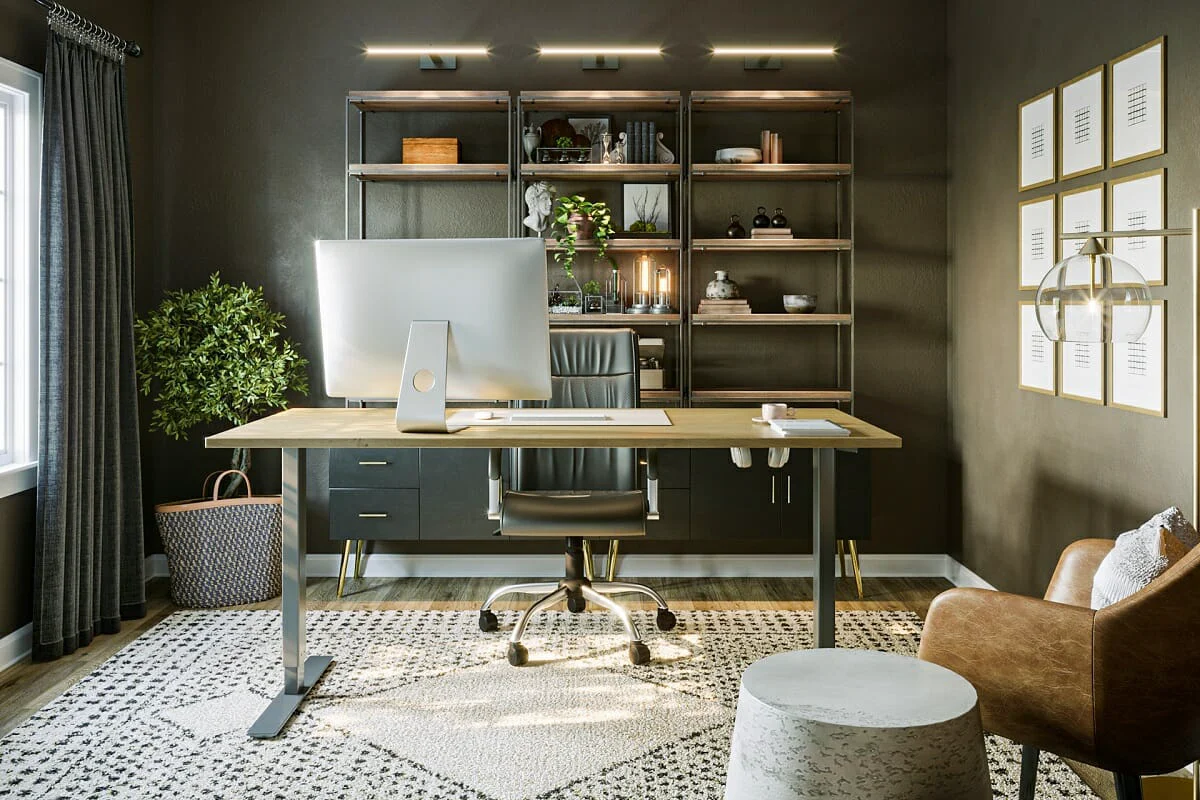
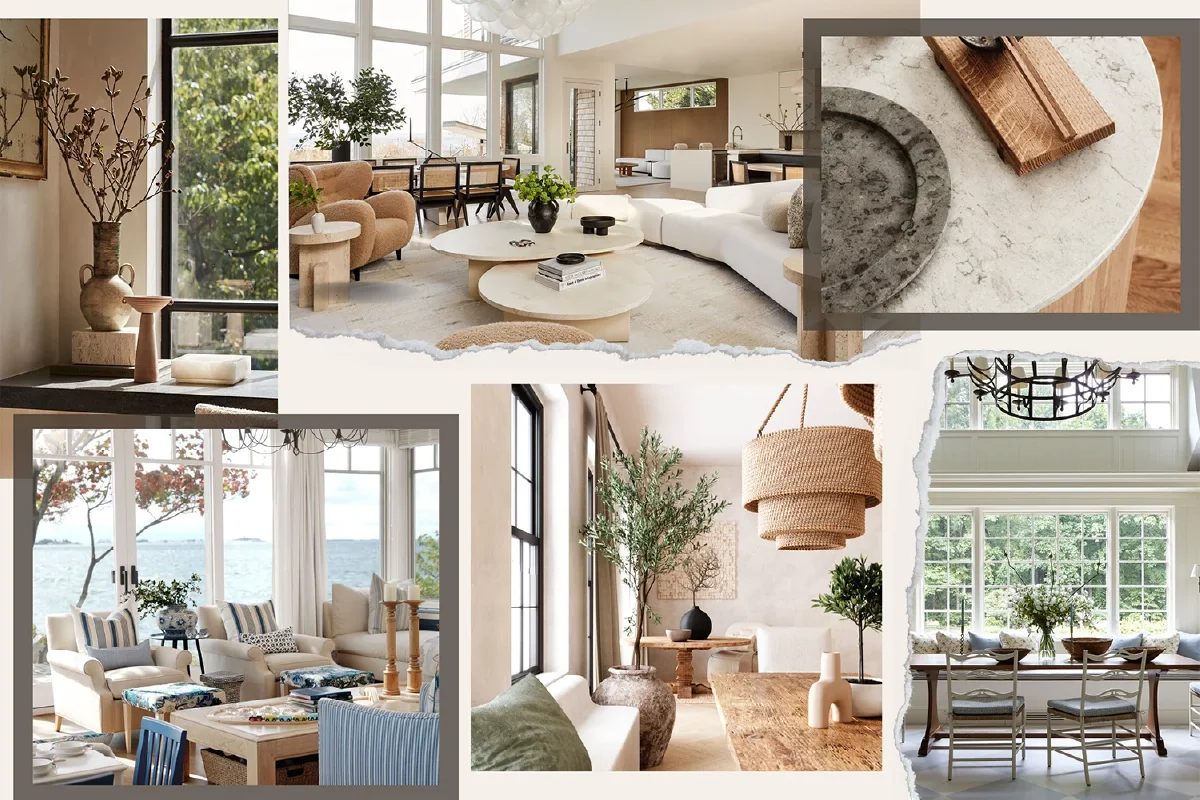
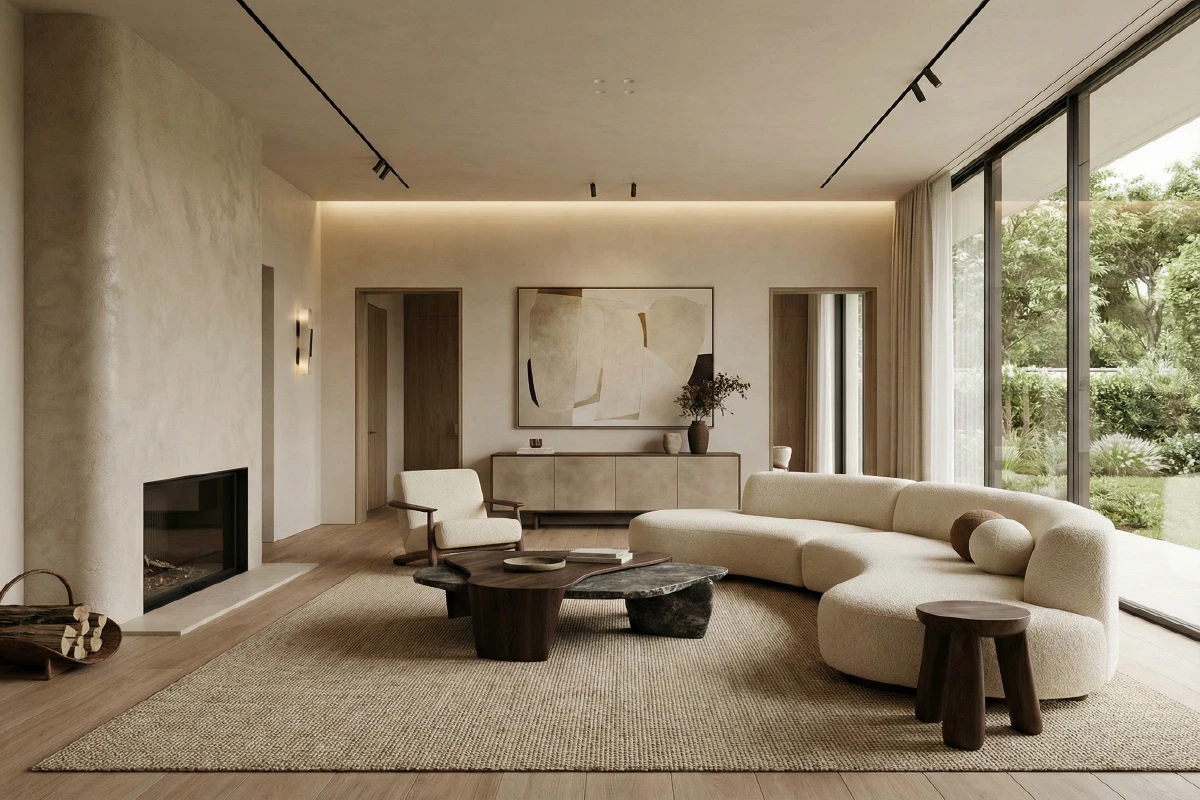
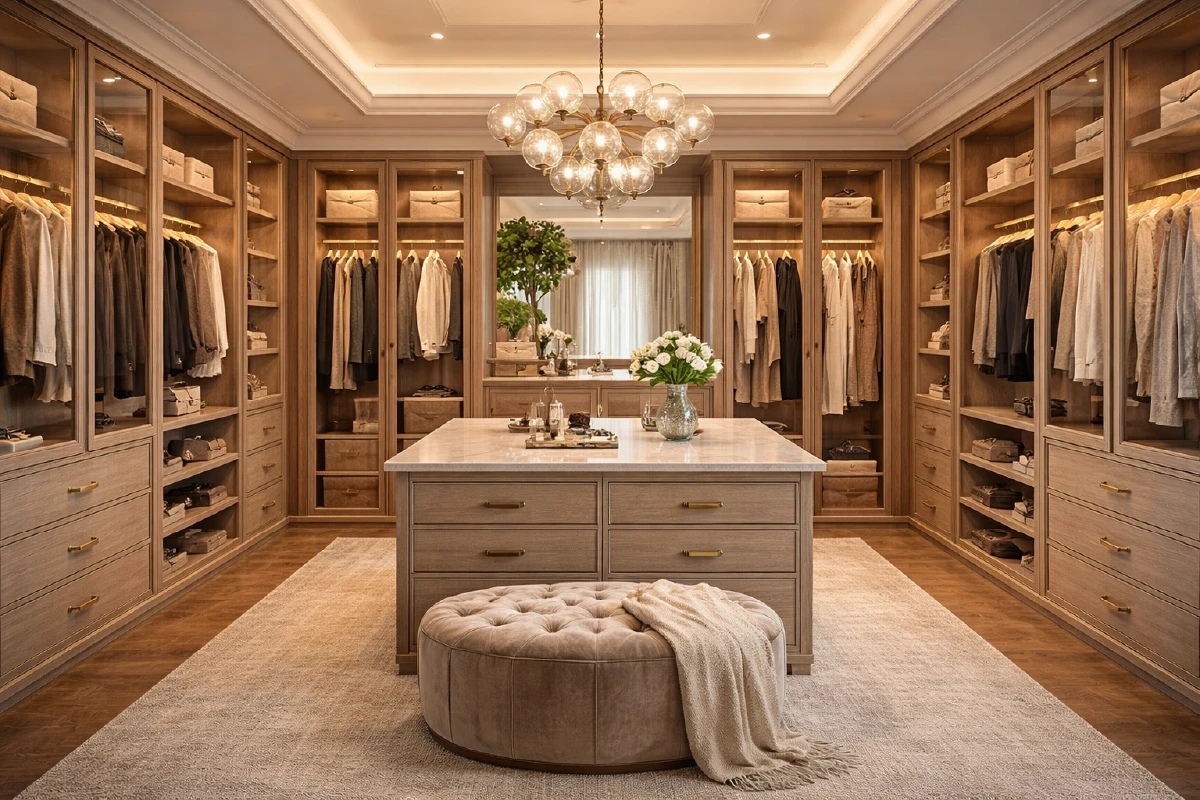
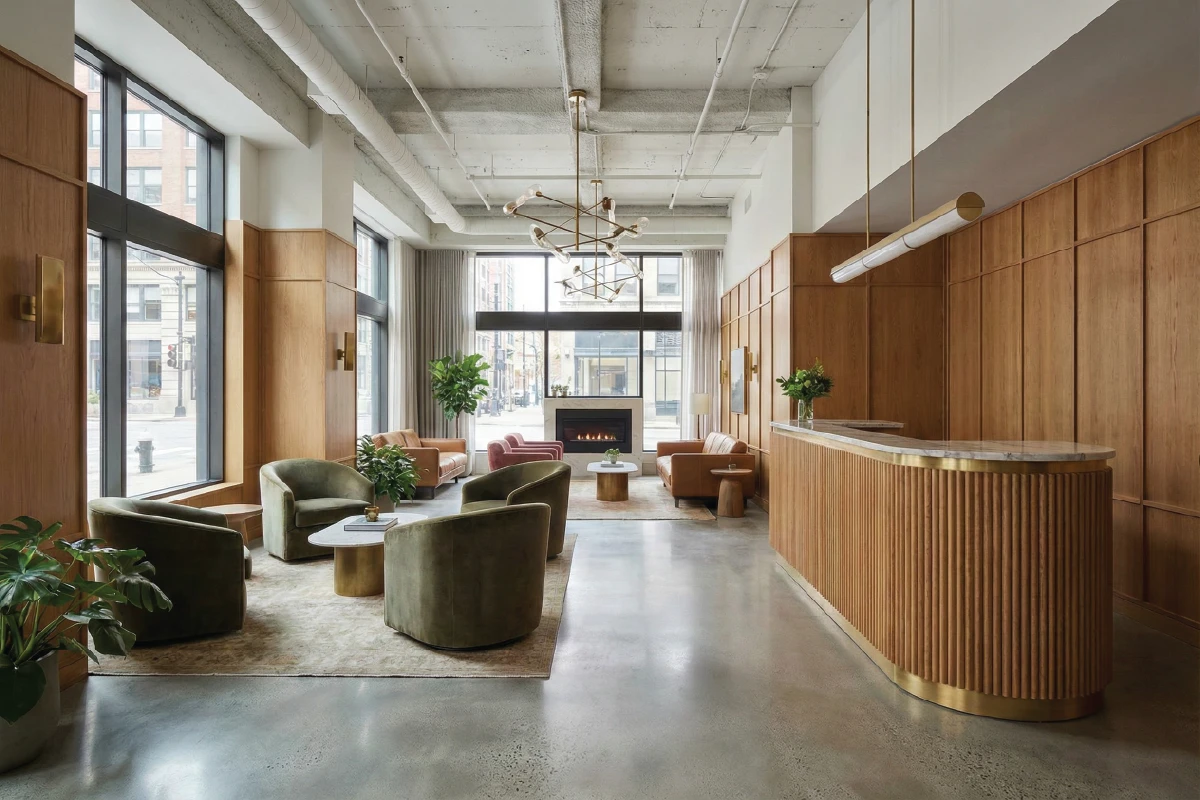
Portfolios reveal a designer’s strengths, stylistic preferences, and experience across project types. In many cases, successful designer–homeowner collaborations begin with a clear visual alignment. When browsing portfolios on SuperFitout or during consultations, pay close attention to several indicators.
- Consistency Of Quality: A reliable designer demonstrates steady standards across multiple projects, not only a few highlight examples.
- Relevant Project Experience: For a 2 bhk apartment, designers with experience in compact space optimisation may be more suitable.
- Material & Finish Understanding: Familiarity with Qatar’s climate helps designers specify materials suited for humidity and long term wear.
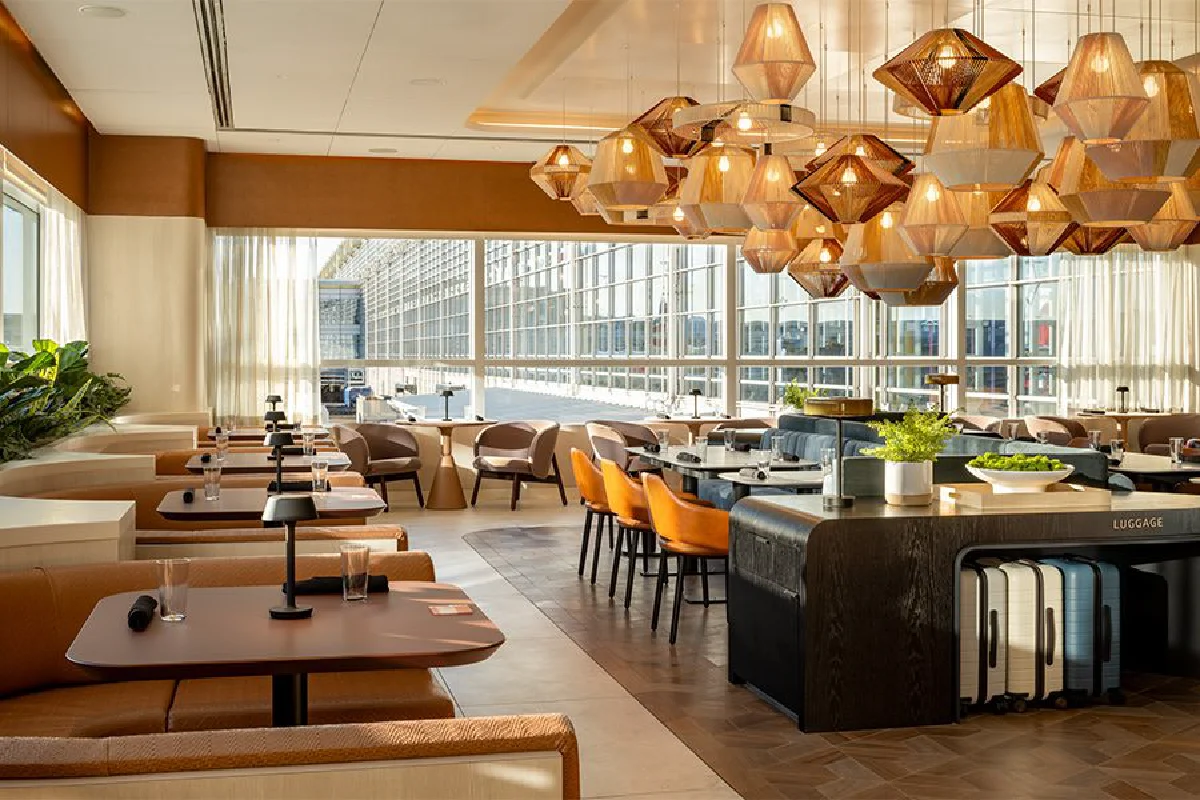
- Use Of Lighting: Well considered projects show layered lighting strategies rather than relying solely on overhead fixtures.
- Before And After Transformations: These provide insight into problem solving ability and design development.
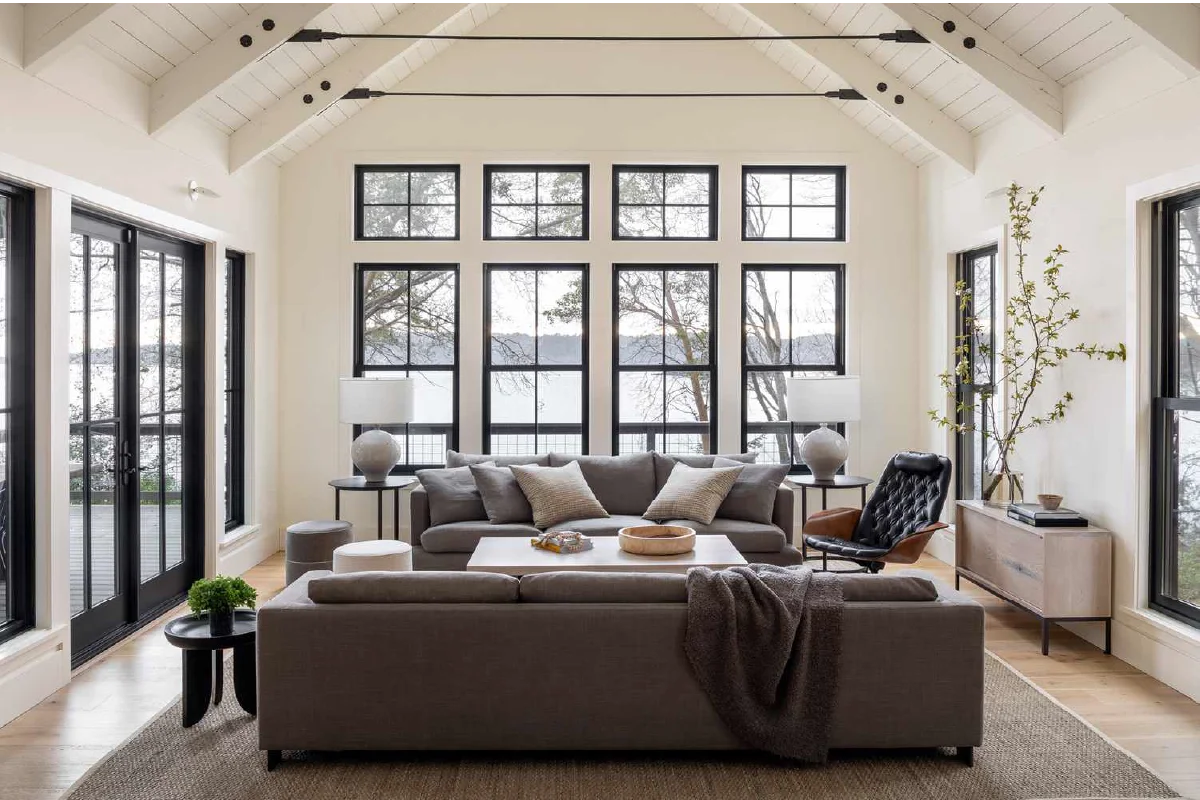
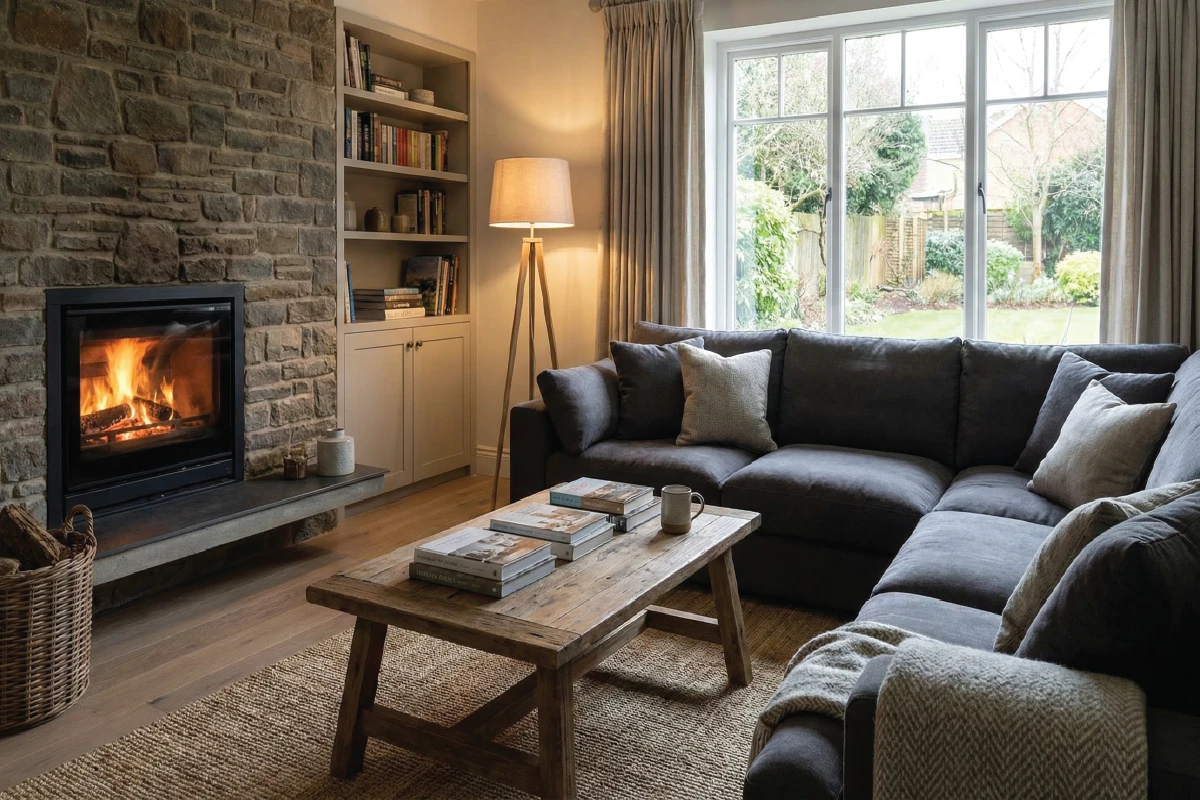
Case Style Example: A homeowner in West Bay wanted a Scandinavian style living room. Two designers presented portfolios, but only one had demonstrated experience with minimal, light toned interiors using natural textures. The homeowner selected that designer due to clearer visual alignment, despite a moderately higher quote.
Evaluating Design Style Compatibility
Every designer has a preferred style language, even those considered highly versatile. Matching this tendency with your personal taste helps create a more cohesive and enjoyable process. Some designers focus on bold, expressive interiors, while others specialise in restrained, minimalist environments.
The goal is not to choose the “best” designer in absolute terms, but to select one whose design approach aligns with your vision. If you are uncertain about your style, sharing reference images, colour palettes, and example spaces allows designers to propose concepts that reflect your preferences and lifestyle.
Checking Technical Experience
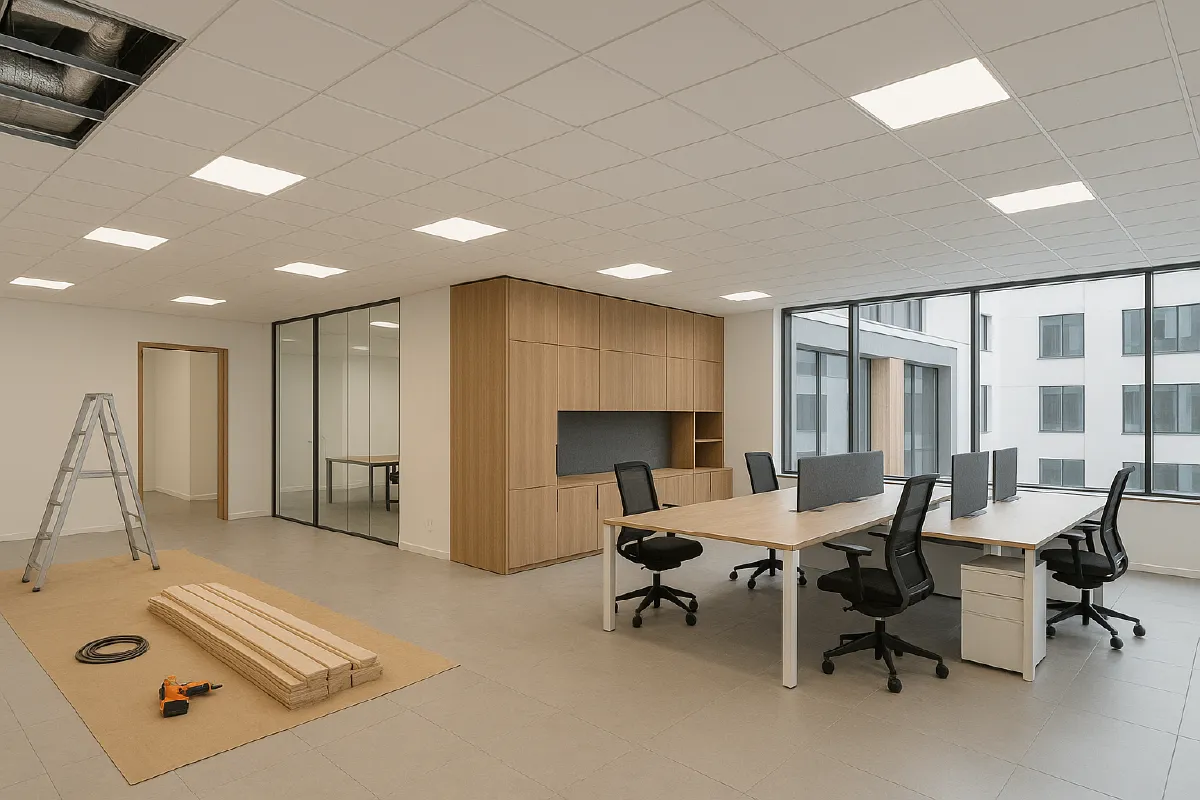
Technical experience separates conceptual ideas from buildable solutions. In Qatar, this often determines whether a project progresses smoothly through QCDD and Baladiya requirements. When evaluating designers, enquire about their experience with technical drawings, MEP coordination, shop drawings, and contractor supervision. Additionally, designers familiar with local contractors and suppliers may help streamline procurement and reduce unexpected substitutions.
Key technical questions to ask a prospective designer include:
- Do you produce detailed working drawings and a bill of quantities?
- Can you coordinate with MEP consultants and contractors on site?
- Do you handle approvals and submissions to QCDD or Baladiya?
- Can you share examples of cost managed projects where budget efficiency was achieved without compromising quality?
Understanding Pricing And Quotes
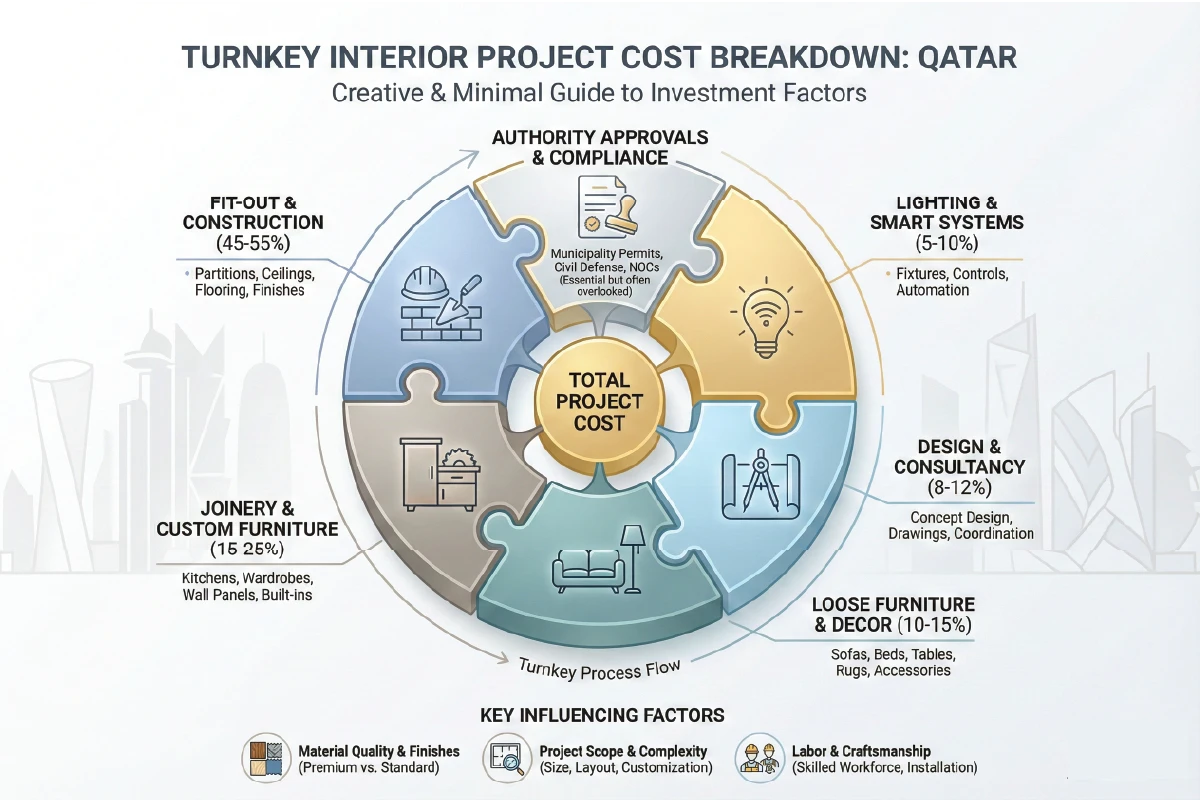
Comparing quotes can be challenging because designers use different pricing models and include varying elements in their proposals. To compare fairly, request an itemised quote separating design fees, fit out costs, material allowances, furniture, and approval expenses. This structure helps clarify where value is being added and where costs may differ.
Requesting a clear price comparison table from each designer allows you to evaluate proposals more effectively. Separate line items for carpentry, flooring, painting, lighting, and MEP help ensure accurate like for like comparison.
| Line Item | Why It Matters |
|---|---|
| Design Fee | Covers concept, 3D renders, and supervision |
| Fit Out Works | Materials and labour for partitions, ceilings, flooring |
| Carpentry & Joinery | Custom wardrobes, kitchen cabinetry, built in furniture |
| MEP Adjustments | Electrical, HVAC, plumbing changes |
| FF&E | Furniture, fixtures, and equipment costs |
| Approvals | Fees or consultant charges for regulatory submissions |
Communication And Professionalism
Clear communication supports effective project execution. During initial discussions, observe a designer’s responsiveness, clarity in explaining processes, and willingness to document agreements. Additionally, assess whether timelines, milestones, and progress updates are communicated clearly. Professionalism often reflects consistency and reliability rather than presentation alone.
Consider the following red flags during early communications:
- Unwillingness to provide references or previous client contacts
- Vague timelines without milestones
- Reluctance to provide an itemised quote
- Excessive upfront cash requests outside typical retainer structures
Benefits Of Using Superfitout
SuperFitout provides a structured environment for homeowners to explore, compare, and engage with interior designers in Qatar. By focusing on profile visibility and proposal comparison, the platform helps reduce some of the challenges associated with independent hiring.
- Designer Portfolios: Profiles display previous work, helping clients assess relevance and style alignment.
- Multiple Proposals: Posting a project allows clients to receive and compare several design approaches and cost structures.
- Centralised Communication: Messages and documents are organised in one place for easier reference.
- Profile Filters: Designers can be reviewed based on residential, commercial, technical, or stylistic focus.
If you are ready to begin, Post Your Project to receive proposals. Designers interested in participating can Register as a Designer and respond to project listings.
FAQs
- How Do I Start Looking For A Designer On SuperFitout? Begin by posting your project brief including size, style references, and budget. Designers can then respond with proposals.
- How Long Does It Take To Receive Quotes? Response times vary, but many projects receive proposals within several days depending on complexity.
- Should I Meet Designers In Person? Meetings are often useful for large projects such as villas or commercial fit outs, though initial discussions can begin remotely.
- Can Designers Help With Approvals? Some designers coordinate approvals and collaborate with consultants for QCDD and Baladiya submissions.
Key Takeaways
- Define Your Project Goals First: Clear scope supports accurate proposals and expectations.
- Review Portfolios Carefully: Relevant experience and consistent quality are key indicators.
- Request Itemised Quotes: Transparency helps compare true value.
- Assess Communication: Clear timelines and documentation indicate professionalism.
- Use Platforms Thoughtfully: Structured comparison tools can simplify the selection process.