Introduction
A restaurant is more than just a place to dine. It is an experience that begins the moment guests step through the door. In Qatar, where hospitality is a celebrated part of culture, restaurant interior design plays a defining role in how people perceive, enjoy, and remember a dining space. Whether you are developing a fine-dining concept in The Pearl, a contemporary café in Lusail, or a family-style restaurant in Doha, every design choice - from lighting and materials to furniture and acoustics - contributes to the story your restaurant tells.
In this guide, we explore creative restaurant interior design ideas that elevate dining spaces into memorable experiences. Drawing from practical insights and design trends across Qatar’s thriving hospitality scene, we will uncover how to merge style, comfort, and cultural authenticity into one cohesive vision.
Understanding The Essence Of Restaurant Interior Design
Restaurant interior design is about more than décor. It is a careful balance of aesthetics, functionality, and emotional appeal. The goal is to create an atmosphere that aligns with the cuisine, brand identity, and customer expectations.
In Qatar, this often means designing interiors that combine modern luxury with cultural nuances - spaces that feel both cosmopolitan and grounded in tradition. For example, a Mediterranean restaurant in West Bay might embrace open layouts and soft lighting to evoke coastal relaxation, while an Arabian grill in Souq Waqif could feature intricate patterns, warm colors, and ambient lighting to create a sense of heritage.
Key Takeaway:
Design should not overpower the dining experience. It should enhance it - guiding mood, comfort, and perception in subtle yet powerful ways.
Creating The Perfect Layout And Flow
Before selecting colors or finishes, it is essential to plan the layout. The spatial flow determines how comfortably guests move, how efficiently staff operate, and how ambiance evolves from one zone to another.
1. Define Clear Zones
- Entrance and Waiting Area: The first impression should communicate brand personality.
- Main Dining Zone: Ensure enough circulation between tables for privacy and service.
- Private Or VIP Dining: Common in Qatari fine dining, where privacy and exclusivity are valued.
- Bar Or Beverage Station: Should feel integrated yet distinct, supporting both aesthetics and service flow.
2. Balance Density And Comfort
Many restaurants in Doha struggle with overcrowded seating arrangements. While maximizing tables may seem profitable, it can reduce comfort and deter repeat customers. The golden rule: Prioritize spatial comfort and visual breathing room.
3. Integrate Accessibility
Inclusive design is essential. Ensure pathways, counters, and restrooms accommodate all guests comfortably - a detail that reflects thoughtfulness and professionalism.
Choosing The Right Color Palette
Color psychology deeply influences how guests feel and behave. In restaurant interiors, colors can stimulate appetite, encourage relaxation, or create energy.
Warm And Inviting Tones
Earthy neutrals, deep reds, and amber tones create a sense of coziness - ideal for Arabic and Mediterranean restaurants. These hues work beautifully with Qatar’s warm lighting and natural textures.
Cool And Minimal Shades
If you aim for a contemporary fine-dining ambiance, opt for cool grays, whites, and charcoal balanced by warm accent lighting. A sushi restaurant in The Pearl, for instance, might use slate and natural wood tones for balance and sophistication.
Bold Accent Colors
In Lusail’s vibrant restaurant scene, pops of emerald, navy, or mustard against minimalist backgrounds can reflect modern energy and youthfulness.
Tip: Test colors under actual lighting conditions before finalizing. Qatar’s bright natural light and reflective materials can alter how shades appear during the day.
Lighting: The Secret Ingredient Of Ambiance
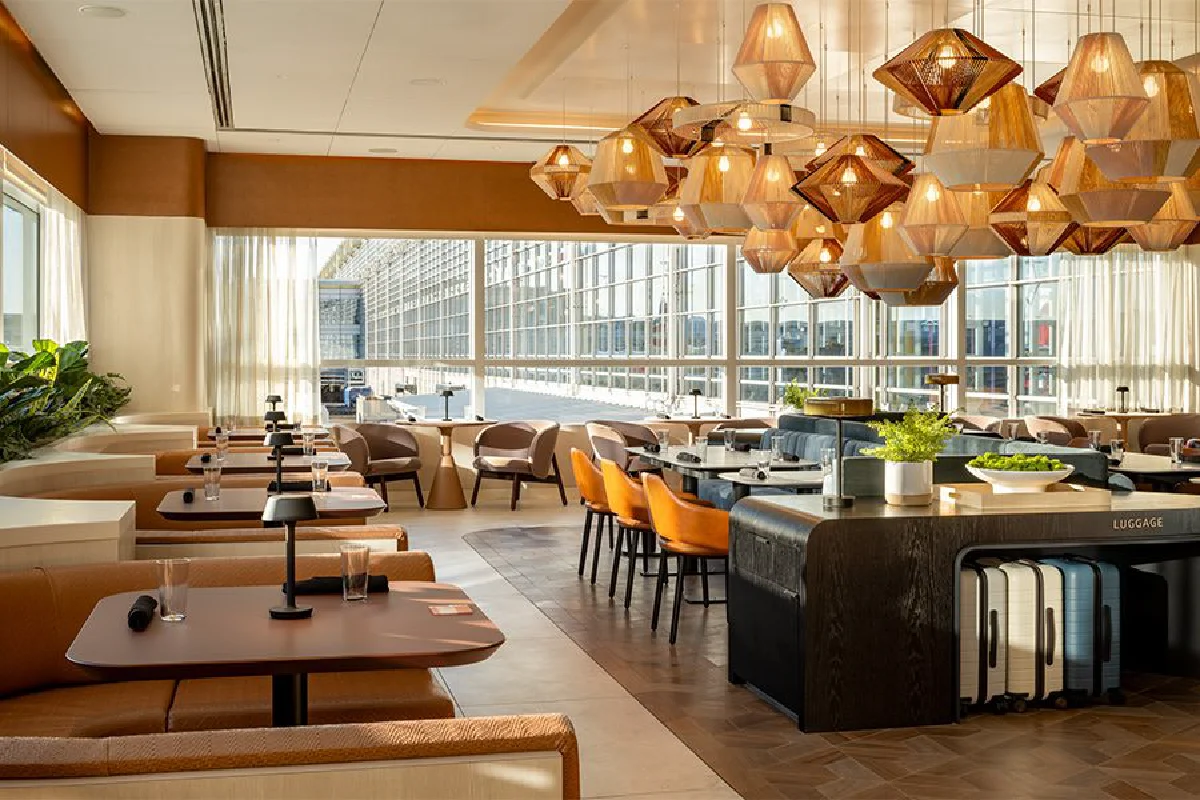
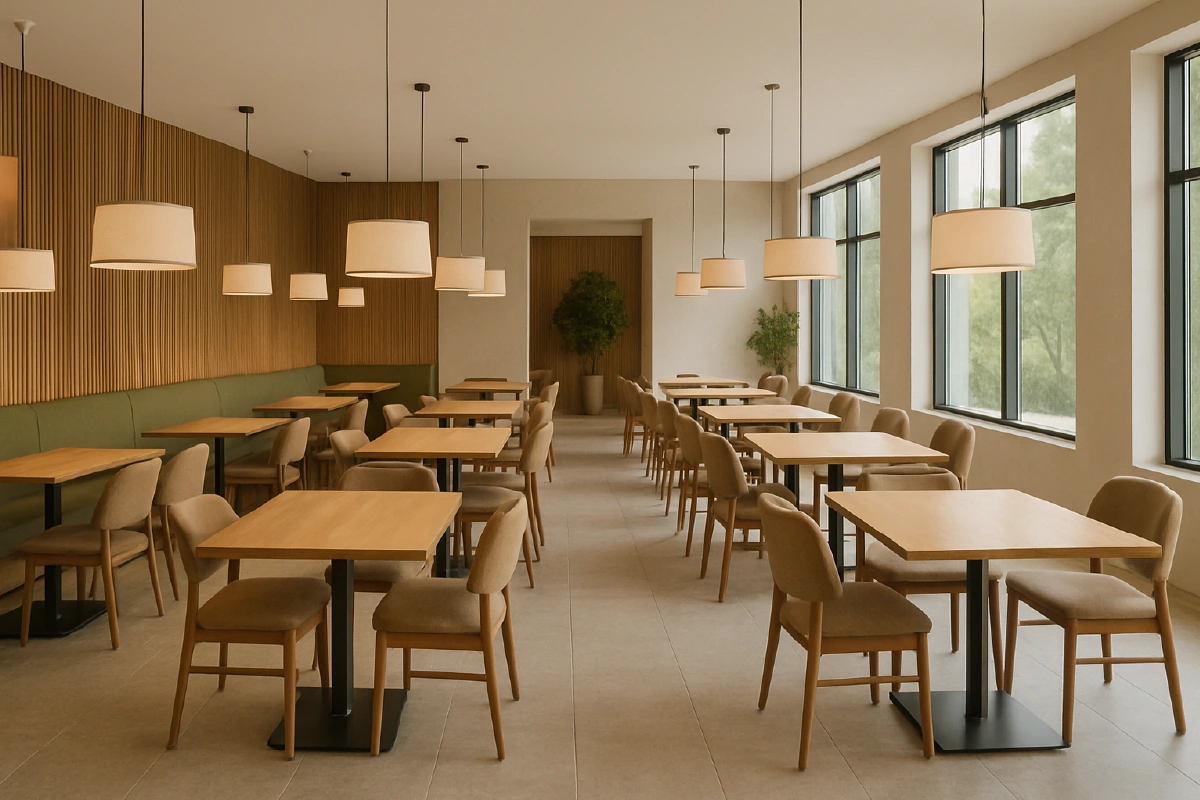
Lighting defines mood, accentuates textures, and guides visual hierarchy. In restaurants, the right lighting strategy can make ordinary interiors feel extraordinary.
Layered Lighting Approach
- Ambient Lighting: Sets the overall mood. Use recessed or cove lights for softness.
- Task Lighting: Illuminates service areas, tables, and pathways. Pendant lamps or adjustable fixtures work well here.
- Accent Lighting: Highlights architectural features, artworks, or textured walls.
Imagine dining at a seaside restaurant in Katara - warm light reflecting off textured walls, subtle pendant glow over each table, and indirect ceiling light softly shaping the atmosphere. It feels intimate, yet open.
Key Takeaway: The best lighting is never harsh. It enhances the food, flatters guests, and invites longer stays.
Materials And Textures That Tell A Story
Every material speaks. In Qatar, blending contemporary finishes with local textures creates depth and identity.
Modern Yet Authentic Materials
- Natural Stone And Marble: Reflect elegance and permanence, ideal for upscale dining.
- Wood And Veneer: Add warmth, especially in cozy family-style or casual dining spaces.
- Brushed Metal And Glass: Convey modernity and reflect light beautifully.
- Fabric Upholstery And Cushions: Offer comfort and softness, aligning with Qatari hospitality traditions.
In one Doha-based project, a designer combined white marble floors with Arabic mashrabiya-inspired wooden partitions. The result was a modern space that subtly nodded to heritage - sophisticated yet unmistakably local.
Furniture And Layout Harmony
Restaurant furniture must balance design appeal with durability and comfort. Choose pieces that reflect your brand’s tone - sleek metal for urban dining, rattan or wood for casual cafés, and plush seating for high-end restaurants.
Design Tip:
Always test chair comfort and table spacing before committing to a layout. Even minor discomfort can influence how long customers stay and how they perceive the restaurant’s value.
Acoustic Comfort: The Overlooked Element
Noise levels can make or break the dining experience. Restaurants in Qatar’s bustling districts often overlook acoustics, resulting in echoing or overly loud environments.
Practical Acoustic Strategies
- Use acoustic ceiling panels or fabric wall treatments.
- Incorporate curtains, rugs, and upholstered furniture to absorb sound.
- Add indoor greenery, which also improves air quality.
When sound is managed effectively, guests feel relaxed and conversation flows naturally - an essential part of hospitality.
The Role Of Art And Branding
Art transforms a restaurant into a visual journey. It connects décor with brand identity and creates conversation points.
For instance, a seafood restaurant in Lusail could display abstract ocean-inspired artwork, while a Qatari fusion restaurant might showcase local photography or Arabic calligraphy subtly integrated into wall designs.
Brand Integration Tip:
Use colors, shapes, or materials from your logo throughout the interior in subtle ways - on tabletops, menus, or light fixtures. Consistency strengthens brand recall.
Sustainable And Smart Design
Modern restaurants in Qatar are increasingly adopting sustainability and smart technology.
Eco-Friendly Design Practices
- Opt for LED lighting to reduce energy consumption.
- Use locally sourced materials to minimize transportation impact.
- Implement waste management systems for kitchens.
Smart Systems
- Automated lighting adjusts based on occupancy and time of day.
- Climate control systems ensure comfort even during Qatar’s peak summer months.
- Digital reservation and display boards add a tech-forward touch.
Designing For Qatar’s Cultural Context
Hospitality in Qatar is both refined and personal. When designing restaurants here, it’s vital to respect cultural expectations while embracing innovation.
Cultural Design Considerations
- Privacy: Private dining areas or booth seating for families and groups are valued.
- Prayer Room Accessibility: For larger restaurants, providing or planning access to nearby facilities shows thoughtfulness.
- Balanced Gender Space Flow: Maintain respectful spatial balance in mixed-use areas.
These cultural details communicate understanding, respect, and professionalism - key to long-term success in Qatar’s design market.
Summary: Design That Engages All The Senses
A restaurant interior should engage sight, sound, touch, and even scent. When these senses work in harmony, guests don’t just eat - they remember. Every color, texture, and sound contributes to the story your restaurant tells. The most successful dining spaces in Qatar achieve this delicate balance - marrying design sophistication with genuine hospitality.
Frequently Asked Questions
1. What Are The Key Elements Of Restaurant Interior Design?
Layout, lighting, materials, color palette, acoustics, and furniture all play critical roles in defining ambiance and customer experience.
2. How Can I Make My Restaurant Design Stand Out In Qatar?
Focus on cultural authenticity, storytelling through materials, and unique lighting concepts that connect with local identity.
3. What Colors Work Best For Restaurant Interiors?
Warm tones like terracotta, amber, and cream evoke comfort, while cool grays and natural wood offer sophistication for modern spaces.
4. How Important Is Lighting In Restaurant Design?
Lighting is one of the most powerful tools for mood creation. Soft, layered lighting enhances food presentation and overall experience.
5. What Are Common Mistakes In Restaurant Layouts?
Overcrowding tables, poor circulation, and lack of acoustical planning are frequent issues that affect comfort and service efficiency.
6. Can Modern Restaurant Design Reflect Qatari Culture?
Absolutely. Use locally inspired patterns, materials, or artwork to create a modern space that honors Qatari identity.
7. How Can I Create A Sustainable Restaurant Interior?
Incorporate LED lighting, Eco-Friendly materials, and energy-efficient HVAC systems for sustainable performance.
8. What Is The Best Furniture For Restaurants In Qatar?
Opt for durable, easy-to-clean furniture suitable for high humidity and frequent use. Comfort is equally essential.
9. How Do Acoustics Affect The Dining Experience?
Proper acoustics reduce noise fatigue and improve comfort, making the restaurant more enjoyable and inviting.
10. How Can Design Influence Customer Retention?
Good design enhances mood, comfort, and brand memory - encouraging repeat visits and positive word-of-mouth.
Conclusion
Restaurant interior design is both an art and a strategy. In Qatar’s evolving hospitality scene, a thoughtfully designed dining space is not just beautiful; it is a reflection of cultural respect, operational efficiency, and emotional connection. When design, functionality, and hospitality merge seamlessly, guests don’t just dine - they experience something memorable.
Designing with purpose, creativity, and awareness transforms ordinary spaces into destinations that captivate every visitor.