If you are planning a home makeover and you want a spark of inspiration a thoughtfully chosen quote can be surprisingly effective. As a practicing interior designer and licensed architect based in Qatar I often use quotations to open workshops to help clients articulate what matters most. A single line can translate into a mood board a palette choice or an entire spatial strategy. In this guide we will explore why quotes work how to select quotes that match your context and how to translate literary inspiration into practical design moves. Moreover I will share case style examples from Doha and offer step by step tips you can use immediately.
Why Quotes Matter In Interior Design
Quotes are more than decorative text. They act as conceptual anchors. When a client says I want a home that feels like a sanctuary the phrase becomes a test for every decision. Does this material support sanctuary like calm does this layout protect privacy and does this lighting help create restful moments. Moreover quotes help build consensus among family members because they are short and easy to remember.
How A Quote Works In Practice
- Aligns Team And Client By Providing A Shared Intent.
- Shapes Visual Direction Through Mood Boards And Words.
- Guides Decision Making For Materials Lighting And Layout.
Key Takeaway Use quotes as operational tools not as mere captions. Let them inform measurable aspects of design such as light levels finishes and spatial arrangements.
Quote To Design Metric And Practical Outcome
Inspirational quotes become useful only when they guide measurable design decisions. The table below shows how commonly used interior design quotes can be translated into clear metrics and applied outcomes during planning, specification, and execution.
| Design Quote (Intent) | Design Metric (What To Measure) | Practical Outcome (Applied Decision) |
|---|---|---|
| “Let the space breathe.” | Furniture density (percentage of floor coverage) | Limit furniture to approximately 45–55% of usable floor area to improve circulation and visual calm |
| “Light defines the mood.” | Illuminance level (lux) | Set living areas at 150–300 lux and task zones at 400–500 lux to balance comfort and functionality |
| “Every object must earn its place.” | Storage-to-usage ratio | Increase concealed storage and retain only functional or emotionally meaningful items |
| “Design for conversation.” | Seating distance (millimeters) | Arrange seating within 900–1500 mm to encourage natural eye contact and interaction |
| “Calm is created through consistency.” | Material count per room | Restrict primary materials to three or four per space to reduce visual noise |
| “Privacy without isolation.” | Visual permeability percentage | Use screens or partitions that allow approximately 30–50% visual openness |
| “Hospitality begins at the entrance.” | Clear entry zone width (millimeters) | Maintain a minimum of 1200–1500 mm clear space at entry points to avoid congestion |
| “Soft light supports soft living.” | Color temperature (Kelvin) | Specify warm lighting between 2700K and 3000K for living rooms and bedrooms |
| “Craft is felt in the details.” | Joinery tolerance (millimeters) | Maintain joinery tolerances within ±2 mm to enhance perceived quality |
| “Less but better.” | Material replacement cycle (years) | Select finishes with a projected lifespan of 10–15 years instead of trend-driven materials |
Use this framework during briefing sessions to convert abstract inspiration into decisions that contractors, designers, and clients can clearly understand and execute.
Design Quote Themes To Inspire Different Projects
Quotes fall into themes and each theme suggests different design responses. Below are themes that I find most useful for work in Qatar and similar contexts.
Calm And Retreat
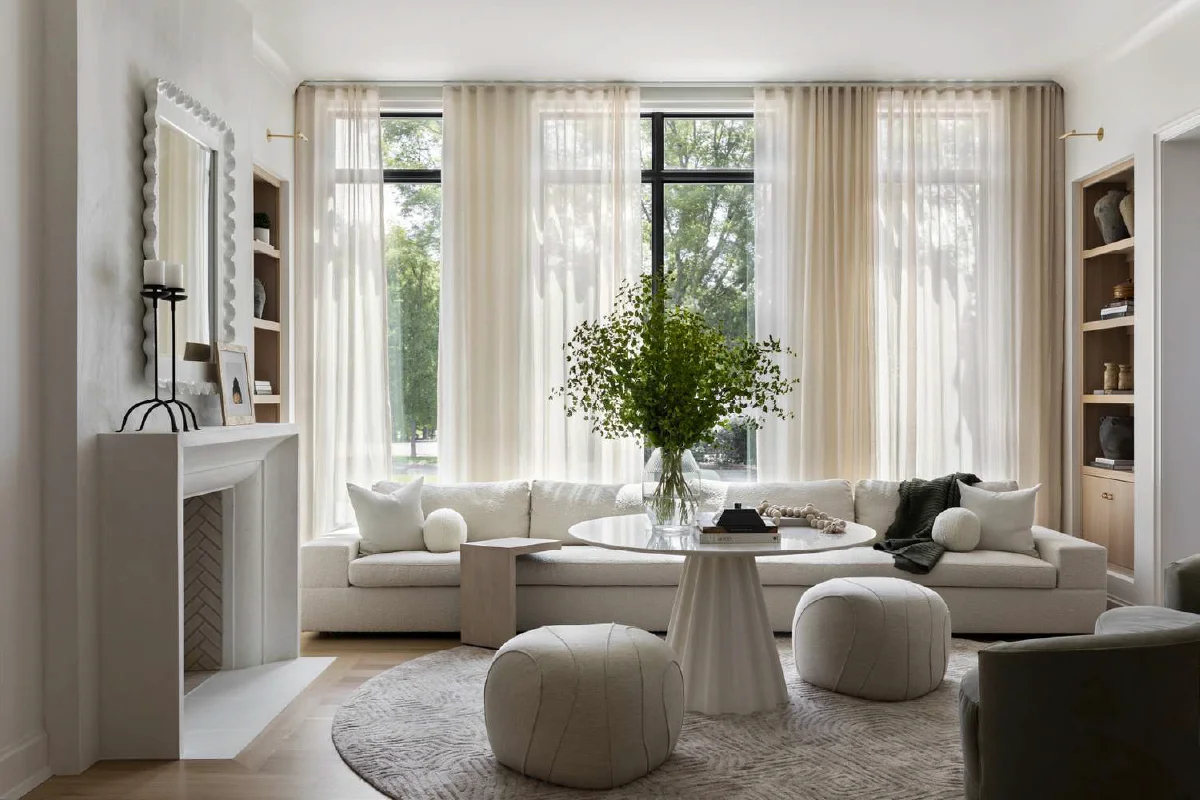
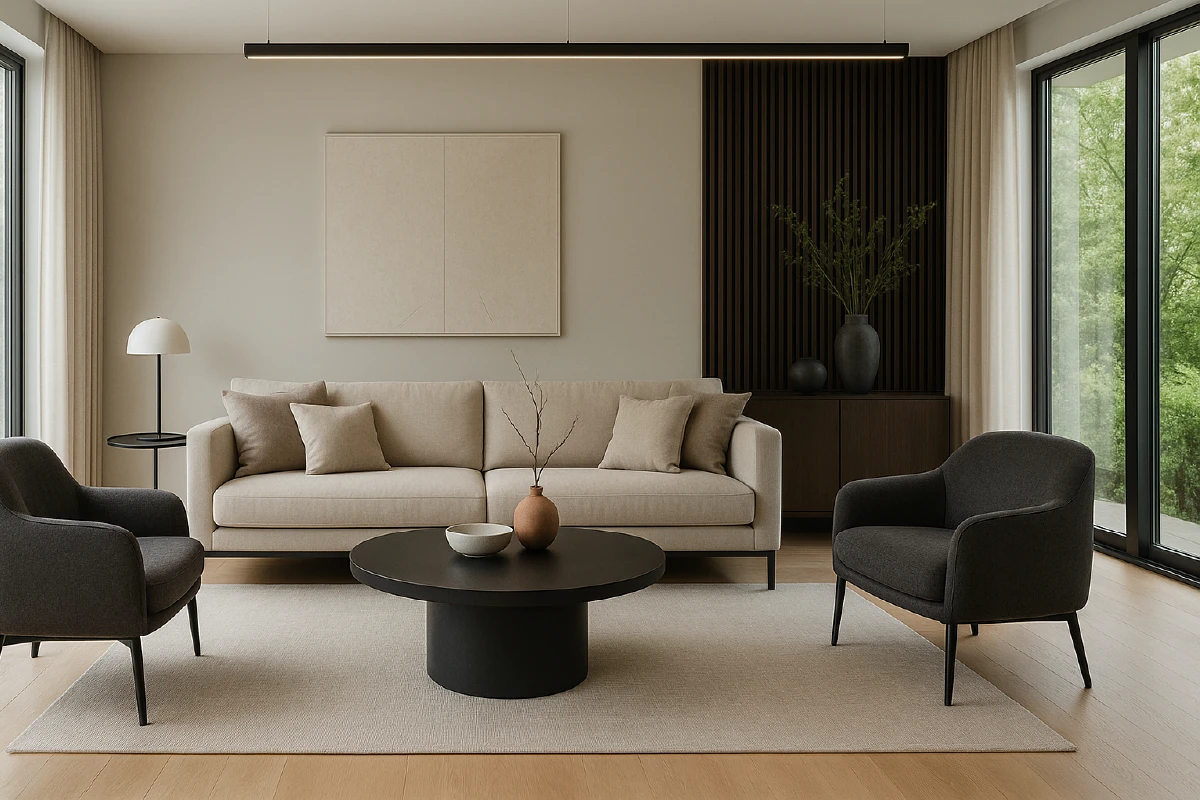
Quote Example Imagine Simplicity And Let The Space Breathe. This translates into uncluttered plans restrained palettes and generous negative space. For a villa in Doha this might mean prioritising a shaded courtyard and soft seating for late afternoon quiet.
Hospitality And Gathering
Quote Example Design For Arrival And Make Guests Feel Seen. In practice this means generous circulation adaptive seating and thoughtful storage for hospitality objects. Let us consider a majlis where flexible seating adjusts for small family evenings and larger celebrations.
Craft And Detail
Quote Example Small Details Create Lasting Impressions. This leads to focus on joinery details curated hardware and bespoke lighting that reveals texture at close range. In Qatar engaging local artisans for timber screens or carved motifs supports craft continuity and adds provenance to interiors.
Sustainability And Longevity
Quote Example Choose Less But Choose Well. The design response here prioritises durable materials efficient systems and adaptable furniture that age with the home. This theme is particularly relevant in a climate where replacement cycles can be costly.
Bold And Expressive
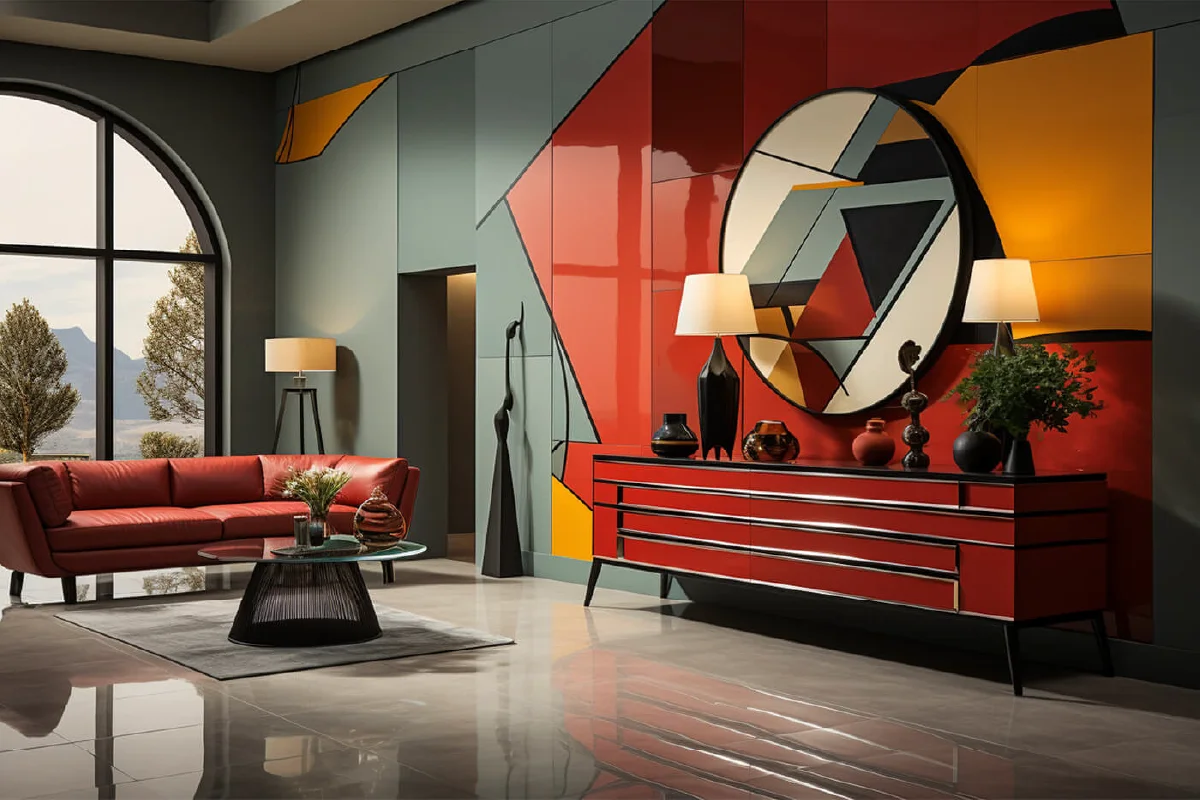
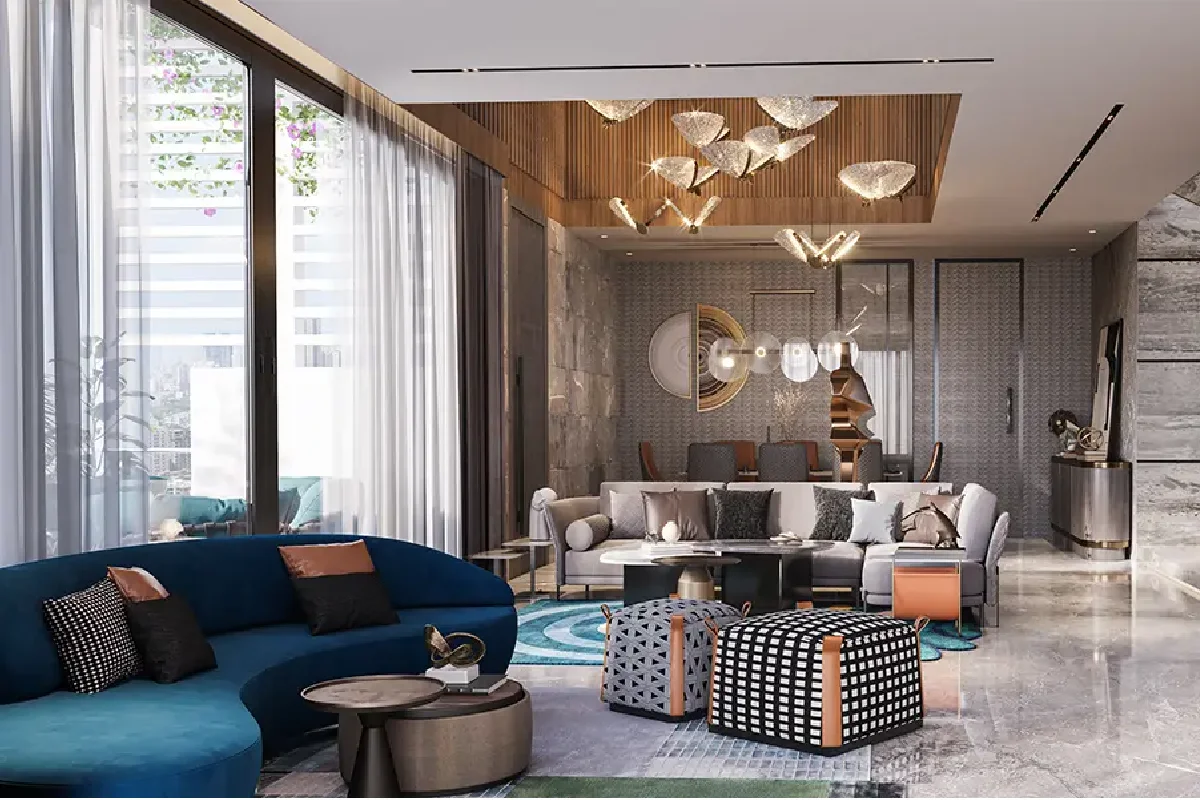
Quote Example Let Color Be The Room That Speaks. Use this when clients want a signature interior. Bold color and sculptural forms create identity. In retail or showroom contexts this approach supports brand recall and experience.
How To Apply Quotes To Real Design Decisions
Turning inspiration into tangible outcomes requires a simple translation process. I use a three step method on projects and workshops which you can apply at home.
Step 1 Choose A Working Quote
Select one short line that captures the primary intent. For example For A Quiet Home A Quote Might Be Keep The Light Soft And The Lines Simple. This becomes your guiding sentence for mood boards and sampling.
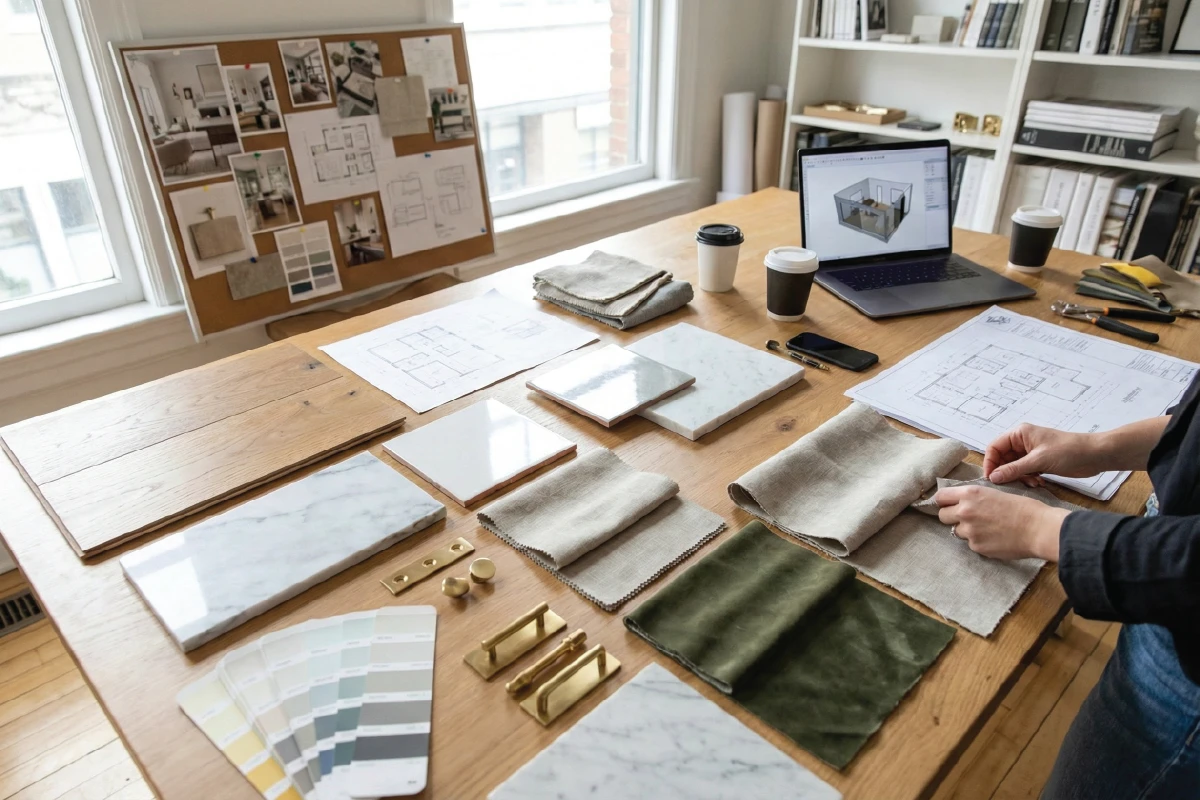
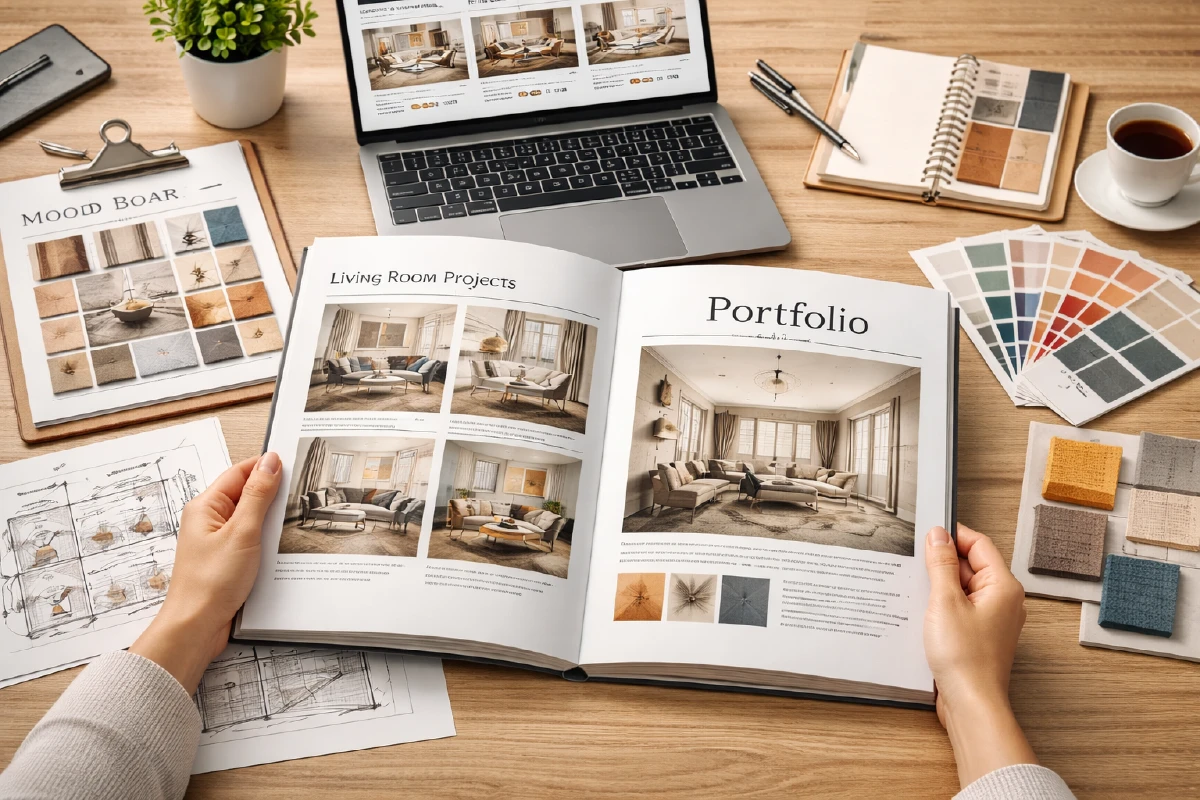
Step 2 Create A Mood Board From The Quote
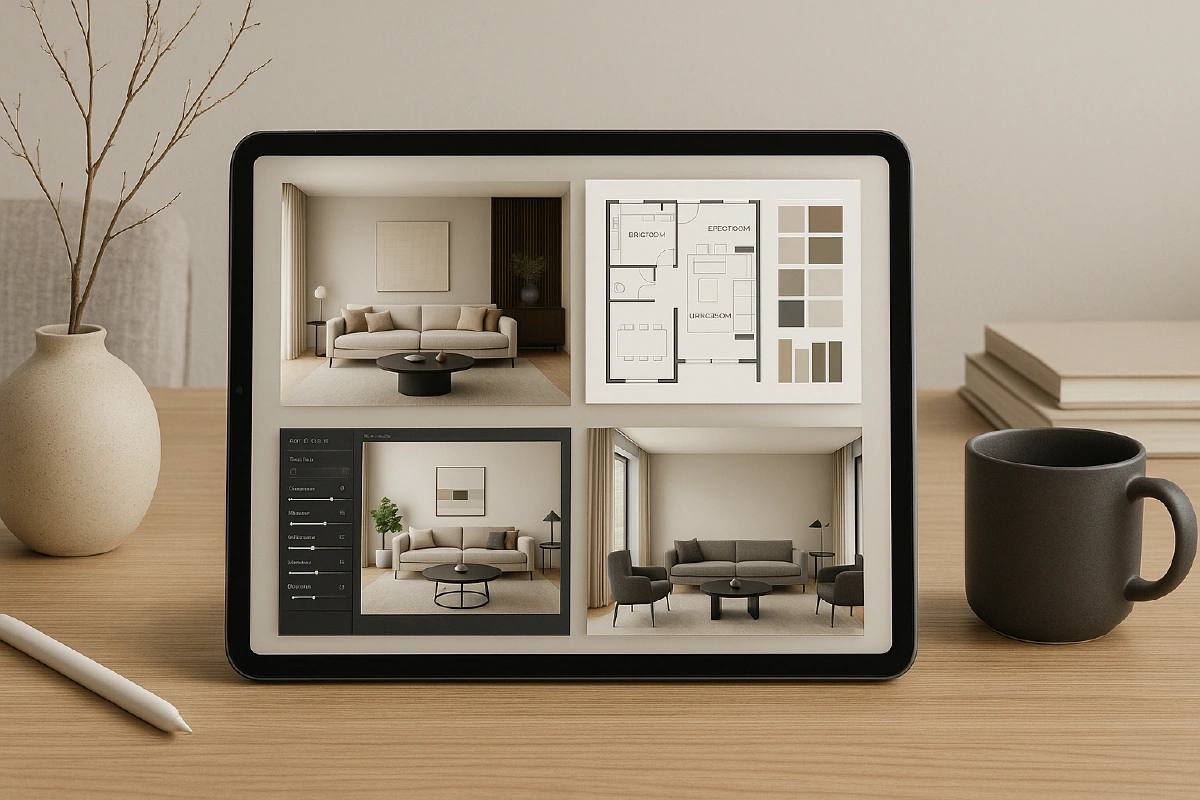
Collect images materials and textures that feel like the quote. For soft light choose translucent blinds warm LEDs and pale plaster. For craft focus on close up images of joinery joints and material samples. Let the mood board act as a visual test for choices.
Step 3 Test Small Decisions
Before committing to large purchases test the quote against small decisions. Choose a single fixture a paint chip or a rug and live with it for a week. If the item affirms the quote proceed. If not revisit the mood board and adjust.
Practical Example
If the quote emphasises hospitality you might change the sequence of rooms to prioritise a direct guest route provide discrete storage for guest items and pick seating that can expand without crowding circulation paths. These are concrete moves that originate from a sentence and become useful criteria on site.
Summary Box
Use the three step method Choose Create Test to translate quotable inspiration into reliable design decisions.
Case Study Doha Villa Makeover Inspired By A Quote
Let me share an example that illustrates the entire process. A family in central Doha wanted a relaxed home that honoured hospitality. Their working quote was Our Home Welcomes Conversation And Rest.
We applied the translation method.
- We formed a mood board emphasising warm tones translucent curtains and flexible seating.
- We reconfigured the ground floor to place seating around a shaded courtyard which created both intimate and expanded hosting zones.
- We specified timber screens that closed for privacy and opened for flow which respected cultural needs for private gatherings and public reception.
- We tested a lighting configuration in the living room for a week to ensure the light supported both conversation and reading without harsh glare.
The result was a home that guests immediately described as welcoming and calm. In fact the client reported fewer pre event stresses because storage and service routes were clarified during the design phase. This case shows how a simple quote can shape spatial logic furniture choices and technical details in ways that are measurable and meaningful.
Practical Tips For Using Quotes To Drive Your Home Makeover
Below are actionable tips I use with clients in Qatar and that you can replicate when planning your own project.
- Limit To One Primary Quote Use one working sentence to steer major decisions and optional secondary lines for specific rooms.
- Translate Into Metrics For Example If The Quote Mentions Light Define A Target Illuminance Level In Lux For Task Areas.
- Use Local Context Choose quotes that resonate with cultural rhythms and climatic realities rather than copying trends blind.
- Record Decisions Link each major decision to the quote in your brief so contractors understand the intent behind selections.
- Iterate From Small To Large Test textiles and samples before wide scale rollouts to avoid costly reversals.
Reflection
Which quote best describes your ideal home and how does it change the way you think about functions and finishes?
Frequently Asked Questions
Can Design Quotes Really Influence Technical Design Decisions?
Yes. When a quote is translated into measurable criteria such as lighting levels, spacing, or material limits, it directly informs technical specifications instead of remaining abstract inspiration.
How Do Designers Convert a Quote into a Measurable Design Metric?
Designers identify the core intent of the quote and map it to a controllable variable such as lux levels, furniture density, material count, or circulation clearance.
Are Design Quotes Useful During Client Briefing Stages?
Yes. Quotes help align expectations early by giving clients and designers a shared reference point, making discussions clearer and reducing subjective disagreement.
Can the Quote-to-Metric Approach Reduce Design Revisions?
Yes. When decisions are tested against predefined metrics, late-stage revisions decrease because choices are justified through agreed design criteria rather than personal preference.
Is This Method Suitable for Small Homes and Apartments?
Absolutely. Small spaces benefit greatly from measurable discipline, such as limiting material variety, controlling furniture density, and optimising lighting levels.
Can Quotes Be Used for Commercial or Office Interior Projects?
Yes. In commercial interiors, quotes often represent brand intent or user experience goals and can be translated into layout efficiency, lighting standards, and material durability requirements.
How Many Quotes Should Be Used in a Single Project?
It is best to use one primary quote to guide overall decisions, with up to two secondary quotes for specific zones. Too many quotes dilute focus and clarity.
Should Quotes Be Shared with Contractors and Consultants?
Yes. Including the working quote and its related metrics in drawings and briefs helps contractors understand the intent behind specifications and execution choices.
Can a Design Quote Evolve During the Project?
Yes. As materials are tested and layouts refined, the working quote may be adjusted. Any changes should be documented so the design remains coherent.
What Makes a Quote Effective as a Design Decision Tool?
An effective design quote is short, specific, and translatable into measurable outcomes. If it cannot guide a real decision, it should not be used as a working design reference.
Conclusion And Practical Takeaways
Quotes can be powerful design tools when used intentionally. They offer a concise way to express priorities and to convert emotion into measurable design choices. Start by choosing a single working quote create a mood board from it and test small decisions before full scale changes. If you are in Qatar think about how cultural life and climate affect your interpretation of a quote and how that will change material and technical choices. Would you like a short worksheet to capture your working quote and translate it into a mood board and three actionable tasks? Bring that worksheet to a design consultation and you will be surprised how quickly discussions move from abstract to practical.