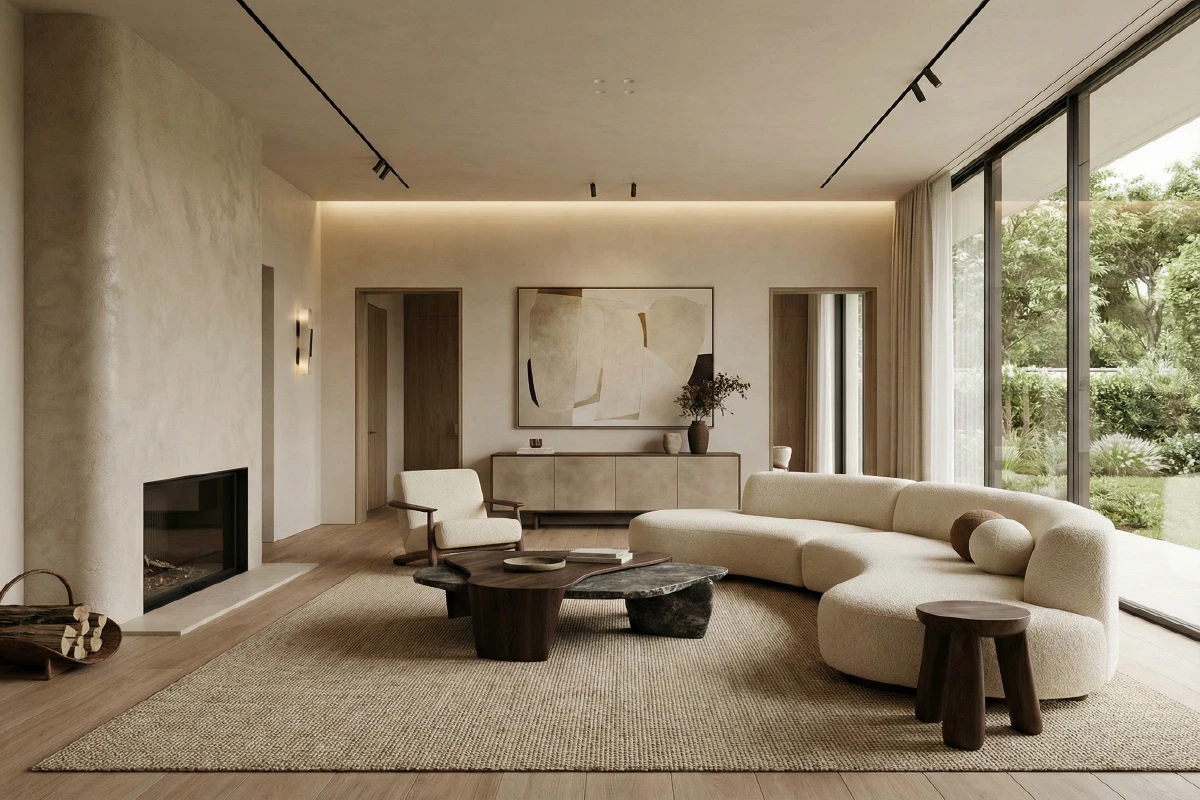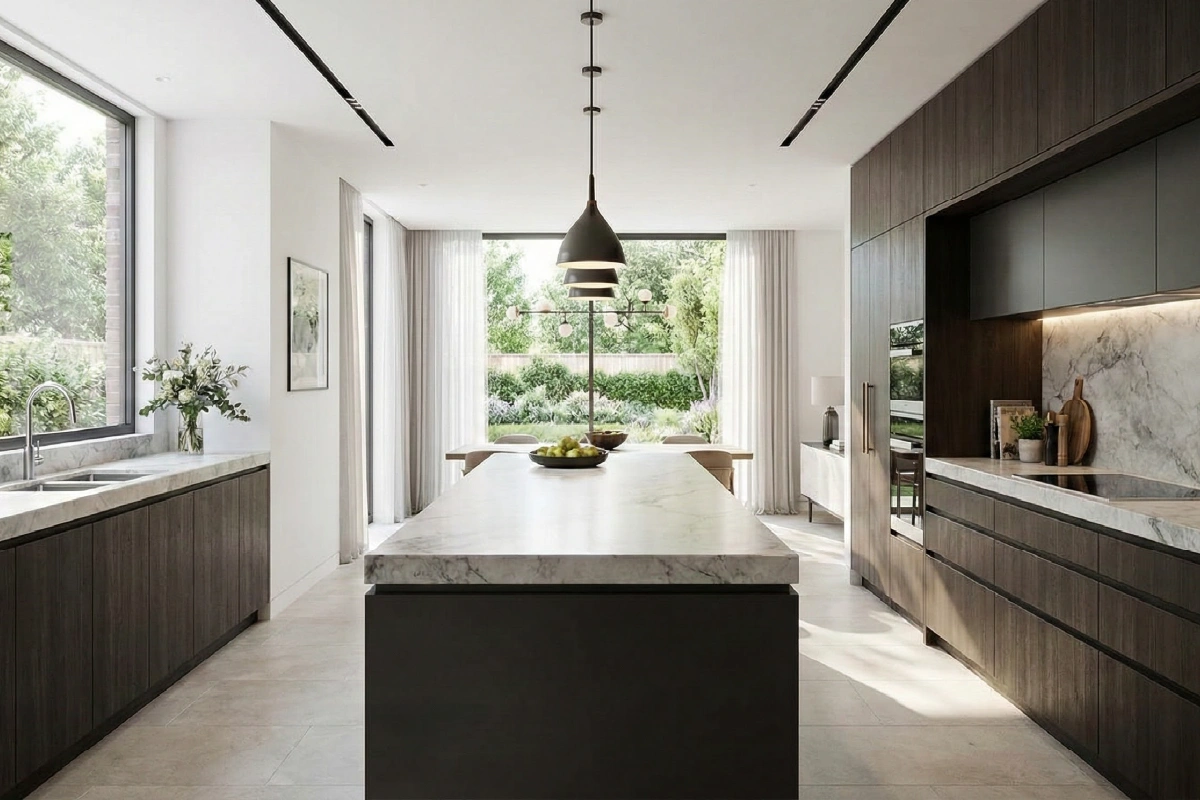
Step into any refined Qatari home or boutique hotel in Doha and you’ll feel it immediately , the quiet sophistication, the warmth of hospitality, and the seamless blend of heritage and innovation. Qatar’s interior design landscape has evolved into one of the most captivating in the Gulf, where architectural excellence meets cultural depth. Across residential, hospitality, and corporate spaces, the country’s approach to interior design reflects a clear shift toward refined modern elegance shaped by local culture.
Let’s explore what makes Qatar’s interiors truly special, from the materials and mood lighting to the subtle cultural cues that elevate a space from beautiful to unforgettable.
1. The Soul of Qatari Design , Tradition Meets Modernity
Qatar’s design philosophy is rooted in its identity , proud, welcoming, and forward-looking. What makes interiors here unique is not just luxury; it’s meaning. Every design element tells a story.
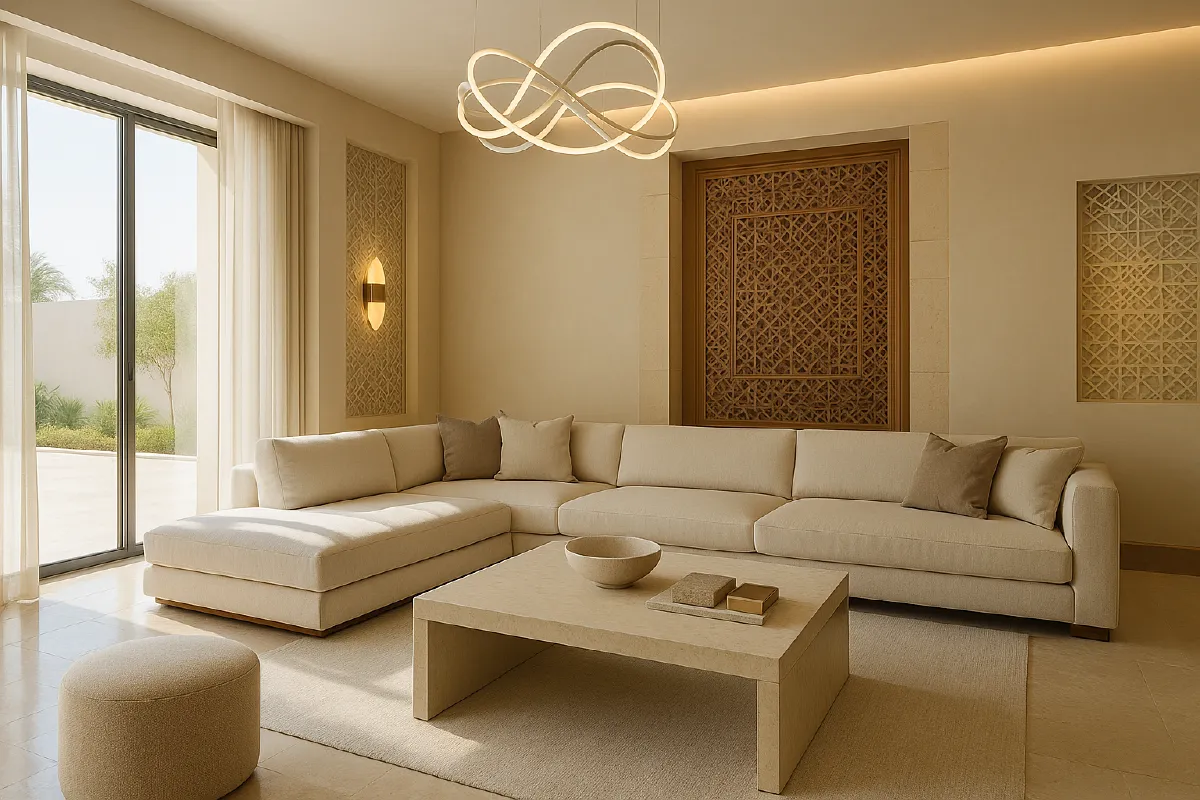
In traditional Qatari homes, Majlis rooms (formal sitting areas) are central to social life. They represent hospitality and connection , values deeply embedded in local culture. Today, even in the most modern villas in The Pearl or Lusail, you’ll find the Majlis reimagined: sleek modular seating, ambient lighting, and Arabic geometric patterns subtly carved into marble or wood.
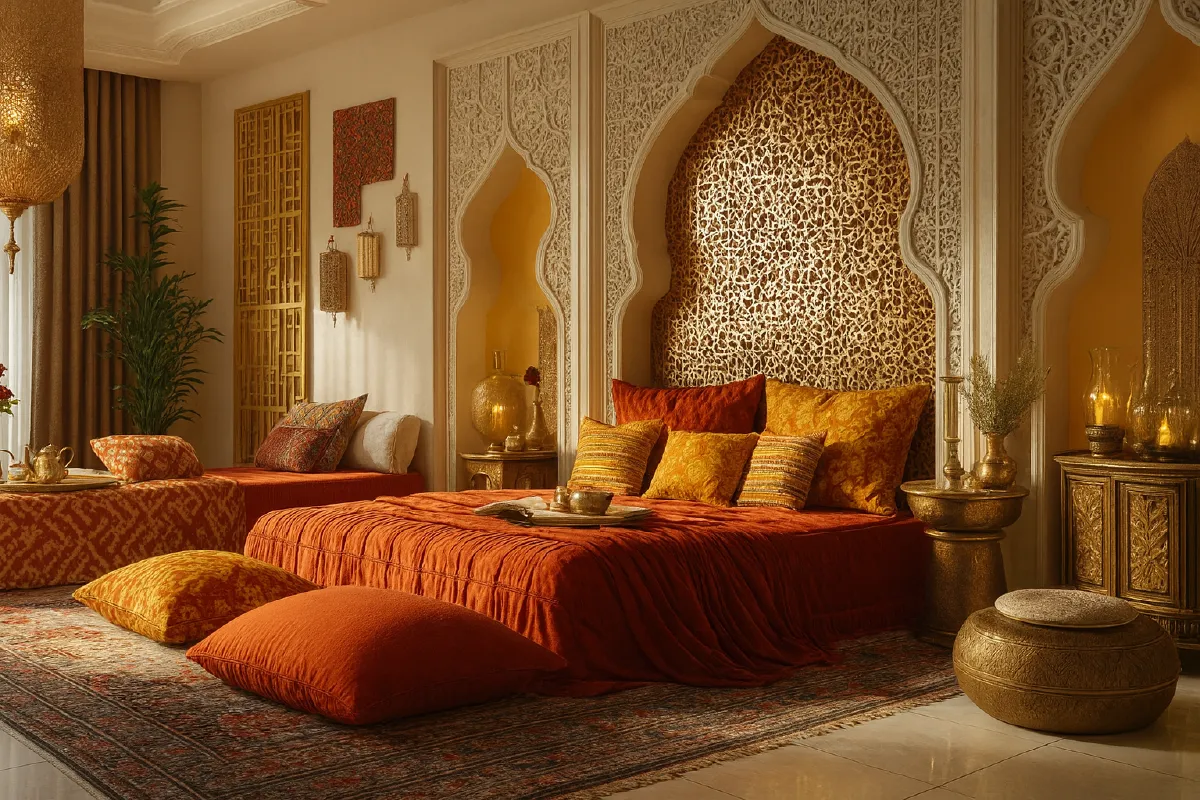
In some villas in areas such as Al Waab, family Majlis spaces are designed to achieve a contemporary mood while preserving cultural identity. Soft neutral tones, minimalistic furniture, and mashrabiya-inspired brass screens are often used to filter light, creating interiors that feel both international and distinctly Qatari.
2. The Power of Space and Light
In Qatar, light is a precious design material. The country’s architecture has always responded to its climate, using filtered sunlight and cooling spaces to maintain comfort. Today’s interiors still draw from that wisdom, combining it with technology.
Natural Light as a Design Tool
Imagine walking into a Doha penthouse at sunset , the golden light bouncing off textured walls, reflecting on polished marble floors, creating a tranquil atmosphere. The play of daylight defines mood, comfort, and even perceived luxury.
In residential interiors across Qatar, common design approaches include:
- Large windows with solar films that diffuse harsh light but keep rooms bright.
- Sheer curtains paired with blackout drapes to balance privacy and control.
- Light-colored flooring and walls to amplify natural illumination.
Artificial Lighting , Creating Layers
Lighting in Qatar’s interiors is never random. It’s an art form. Layered lighting , ambient, task, and accent , transforms a room.
For example:
- Recessed ceiling lights for general illumination.
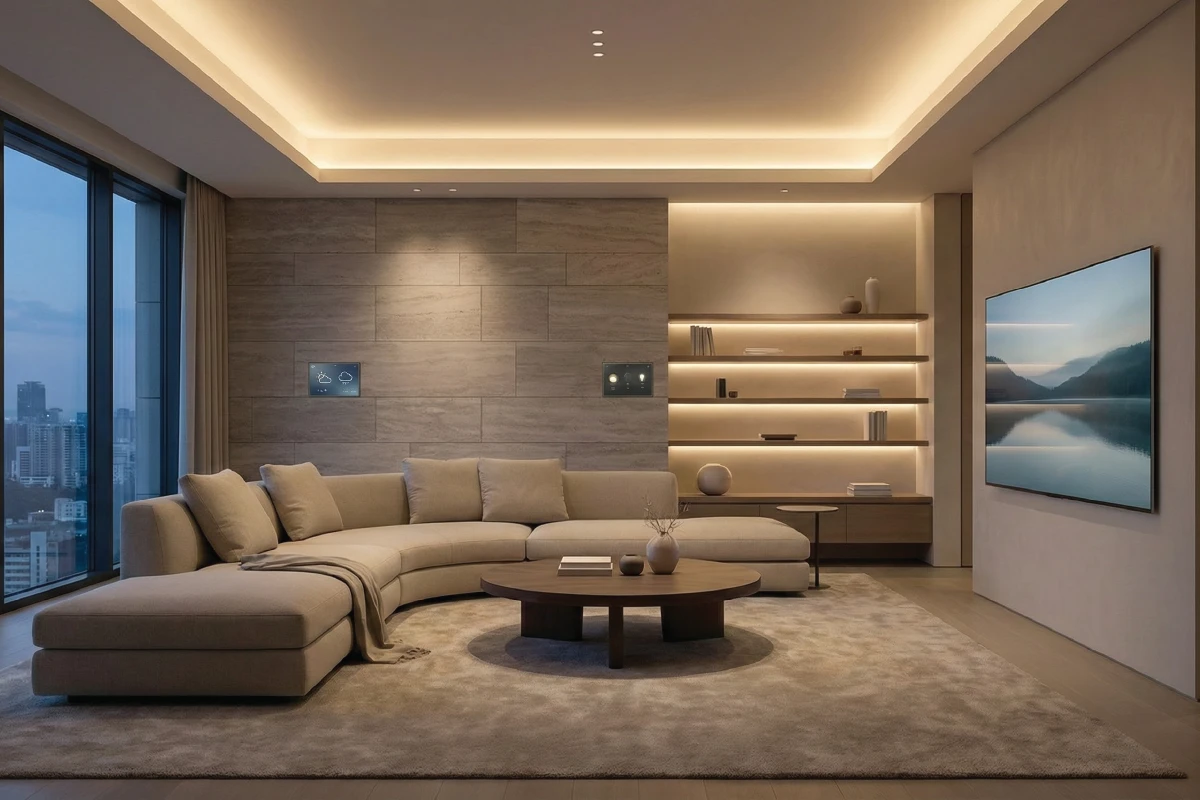
- LED strip lights behind moldings or under cabinetry for subtle glow.
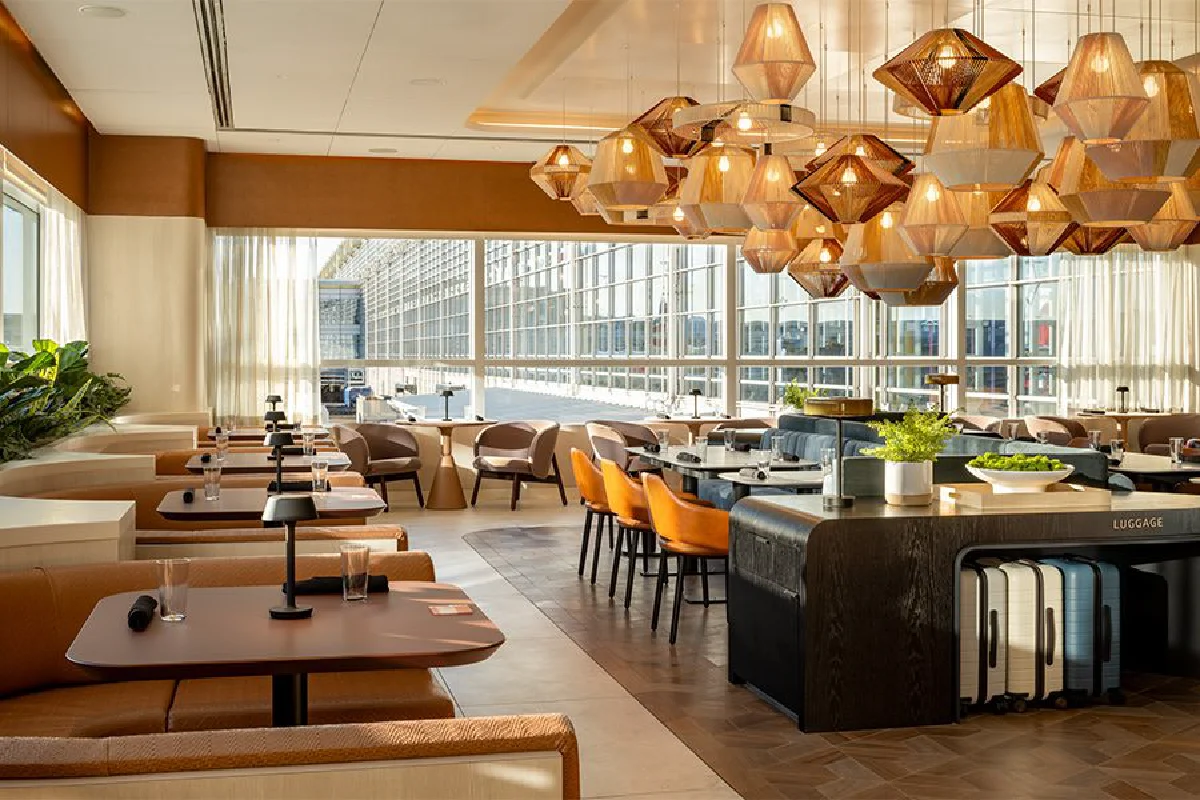
- Statement chandeliers that become visual anchors in living rooms or dining areas.
In luxury homes in Lusail or West Bay, clients now favor warm, dimmable LEDs that evoke hotel-like ambiance. The goal is not brightness but harmony.
Tip: Always plan lighting before furniture placement. It determines the emotional rhythm of your space.
3. Material Excellence , The Texture of Luxury
Qatar’s interiors are tactile experiences. The country’s appreciation for fine materials runs deep , from handwoven carpets in Souq Waqif to Italian marble slabs imported for contemporary villas.
Top Materials Defining Qatari Elegance
- Marble and Onyx: Favored for floors, walls, and tabletops. Their veining patterns add natural artistry.
- Wood Veneers: Walnut, oak, and ash create warmth amid Qatar’s modern architecture.
- Brushed Brass and Gold Accents: Reflect the region’s love for opulence while maintaining restraint.
- Textiles: Luxurious fabrics like velvet, linen, and silk add comfort to majlis and bedrooms.
- Local Stone and Gypsum: For accent walls or ceilings, these nod to heritage while staying contemporary.
Blending Tradition with Modern Finishes
A commonly used approach is to mix textures , such as pairing polished marble floors with rough stone feature walls or modern seating upholstered in Sadu-inspired fabrics. The goal is depth. The room should feel lived-in, layered, and personal.
4. The Color Palette of Elegance
Color psychology plays a huge role in design. In Qatar, we find inspiration everywhere , in the desert dunes, the turquoise waters, and the golden evening light.
Trending Color Themes in Qatar
- Warm Neutrals: Beige, sand, ivory, and taupe , timeless and soothing.
- Emerald and Teal: Reflecting the Arabian Gulf’s serene waters.
- Desert Gold and Bronze: Echoing Qatari heritage and hospitality.
- Matte Black and Charcoal: Used as contrast for ultra-modern luxury.
- White on White: A minimal trend gaining popularity in modern villas.
In some Lusail penthouse interiors, off-white walls are paired with deep emerald seating and brushed gold lighting to create contrast and visual depth. The contrast was sophisticated and culturally resonant , a modern oasis inspired by Qatar itself.
Tip: Test your palette under both natural daylight and evening lighting. Colors shift dramatically in Qatar’s bright environment.
5. Spatial Harmony , Designing for Lifestyle
Designing for Qatar means designing for life , family gatherings, Ramadan feasts, and quiet moments of prayer. Every space has a purpose.
Residential Spaces
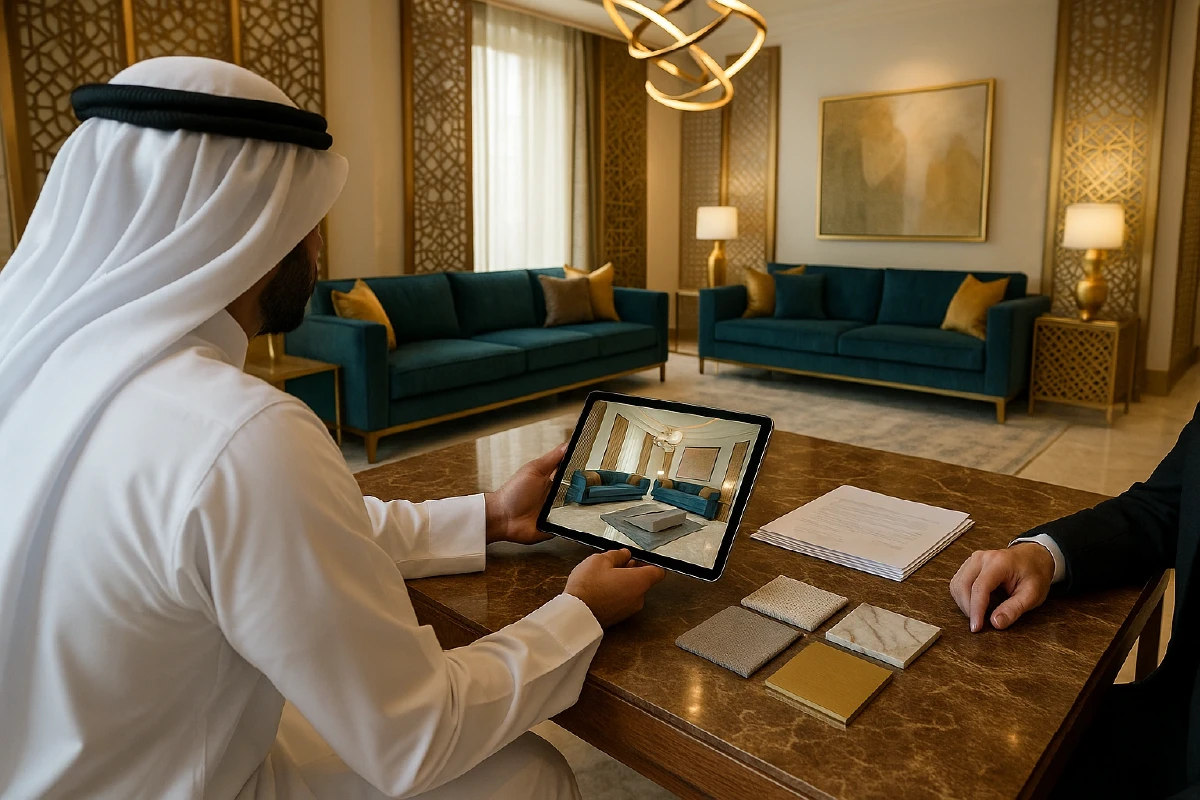
- Majlis: Should balance formality and comfort. A mix of modular seating, ornate coffee tables, and art reflecting Qatari motifs works beautifully.
- Dining Areas: Statement lighting above a long dining table encourages shared meals.
- Bedrooms: Prioritize calmness , muted colors, layered lighting, and plush fabrics.
- Outdoor Areas: Pergolas, water features, and Arabic lanterns turn terraces into nighttime sanctuaries.
Commercial Interiors
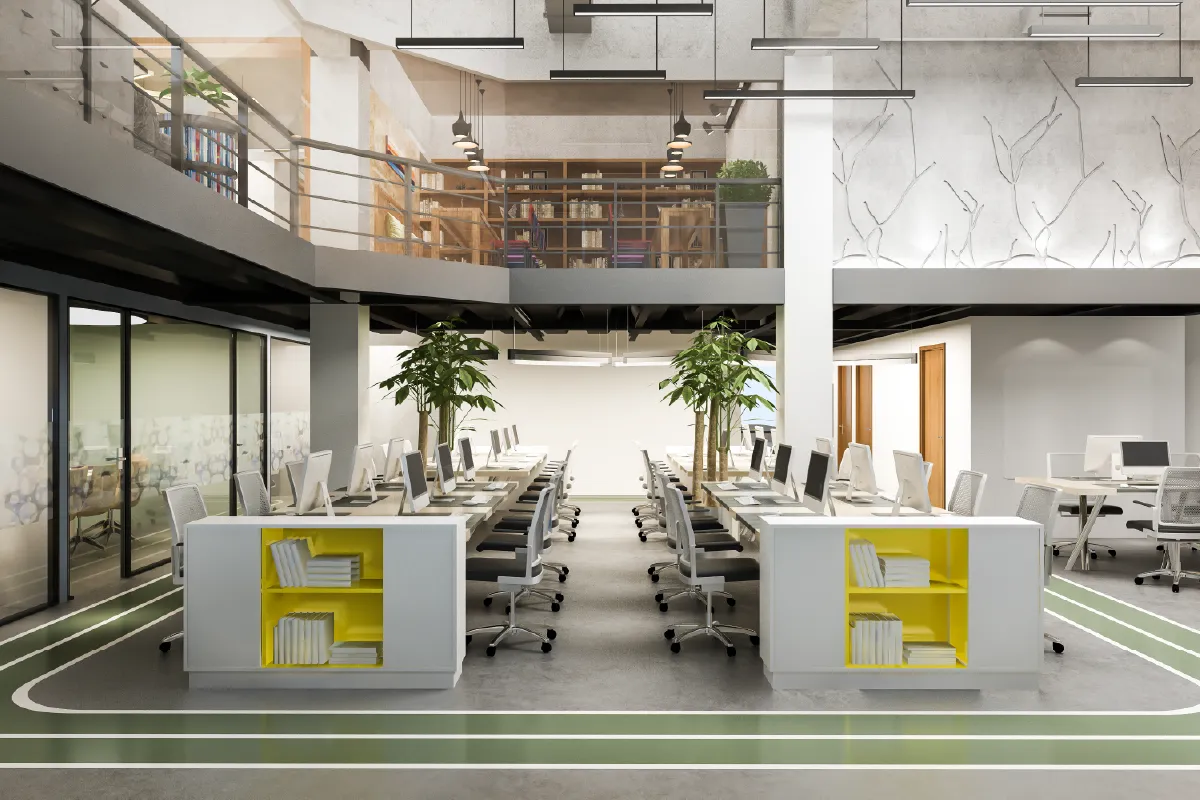
Corporate spaces in Qatar are adopting hospitality-inspired design , sleek yet welcoming. From Doha offices to boutique stores in Msheireb, you’ll see soft curves, biophilic elements, and calming palettes. The modern Qatari workplace values both aesthetics and wellbeing.
6. The Role of Art and Cultural Expression
No elegant interior in Qatar is complete without art. Whether it’s a contemporary painting from a local artist or a traditional calligraphy piece, art gives voice to identity.
Ways to Incorporate Art
- Feature walls with curated artwork or custom murals.
- Sculptural lighting or installations that double as art pieces.
- Arabic calligraphy integrated into partitions or glass panels.
- Handcrafted accessories from Qatari artisans - pottery, woven baskets, or brass trays.
In some villas near Al Thumama, murals inspired by the Qatari coastline use soft blues, whites, and golds as focal elements within living spaces. It became the focal point of the entire living space, connecting modern architecture with cultural storytelling.
7. Smart Design , Technology Meets Comfort
Today’s luxury is intelligent. In Qatar’s high-end homes, automation is no longer a trend but a standard. Smart lighting, climate control, and security systems enhance comfort while conserving energy.
Smart Interior Features Popular in Qatar:
- Centralized lighting and curtain control via app or voice command.
- Temperature sensors that adapt to Qatar’s desert heat.
- Motorized shading systems.
- Hidden charging stations and smart mirrors in bathrooms.
- Home theaters and integrated sound systems.
However, smart interiors should feel intuitive, not technical. A widely held design principle is that technology should visually recede into the overall interior composition. The experience must remain human.
8. Sustainable Luxury , The Future of Qatari Interiors
Sustainability is gaining ground across Qatar’s design industry. Across the design industry, there is growing emphasis on combining elegance with environmental responsibility.
Sustainable Design Practices
- Using locally sourced stone and recycled wood.
- Incorporating LED lighting and low-VOC paints.
- Designing for natural ventilation.
- Encouraging modular furniture that adapts over time.
In some commercial interiors in Msheireb Downtown, locally produced terrazzo flooring and daylight sensors are used to reduce environmental impact. The aesthetic was clean, but the environmental impact was significantly reduced.
9. Step-by-Step Guide: Creating Your Own Elegant Interior in Qatar
If you’re planning to design or refresh your space, here’s a practical roadmap:
- Define Your Vision: Collect inspiration from local architecture, art, and nature.
- Choose a Cohesive Palette: Limit yourself to 3–4 main tones.
- Select Quality Materials: Prioritize durability over trends.
- Plan Lighting Early: Layered lighting defines mood.
- Invest in Craftsmanship: Choose local artisans when possible.
- Balance Function and Aesthetics: Every piece should have a purpose.
- Add Personal Touches: Family photos, travel mementos, or Qatari art make the space yours.
Design is storytelling , your home should tell yours beautifully.
10. Case Study: A Villa Transformation in Al Wakrah
In one residential renovation, a villa that felt dark and dated was redesigned to improve light and spatial flow. The goal was to create a light, modern home that still felt Qatari.
We began by opening spaces, introducing arched transitions, and replacing heavy drapes with sheer linens. Soft white walls replaced beige, and brass accents replaced old chrome fittings. The Majlis became a luminous gathering area with handcrafted side tables and soft emerald upholstery.
The completed interior was described as feeling modern yet familiar, a balance often associated with contemporary Qatari design.
11. FAQs – Your Qatar Interior Design Questions Answered
1. What defines Qatari interior design style?
2. How can I make my villa look elegant without overspending?
3. Are local Qatari artisans available for custom pieces?
4. What colors suit Qatar’s climate best?
5. How do I blend Arabic motifs with modern design?
6. What flooring options work well in Qatar’s environment?
7. Can smart home systems be integrated into traditional designs?
8. How important is lighting in Qatari interiors?
9. What are the best materials for luxury bathrooms in Qatar?
10. How do I choose a professional interior designer in Qatar?
Conclusion: Living Elegantly, the Qatari Way
Qatar’s most elegant interiors are not defined by price or prestige, but by purpose and harmony. They are spaces that honor the past, celebrate the present, and anticipate the future , places where culture, comfort, and creativity coexist beautifully.
If you’re creating your dream home or refreshing your space in Doha, remember: elegance begins with intention. When design reflects who you are and where you live, it becomes timeless.