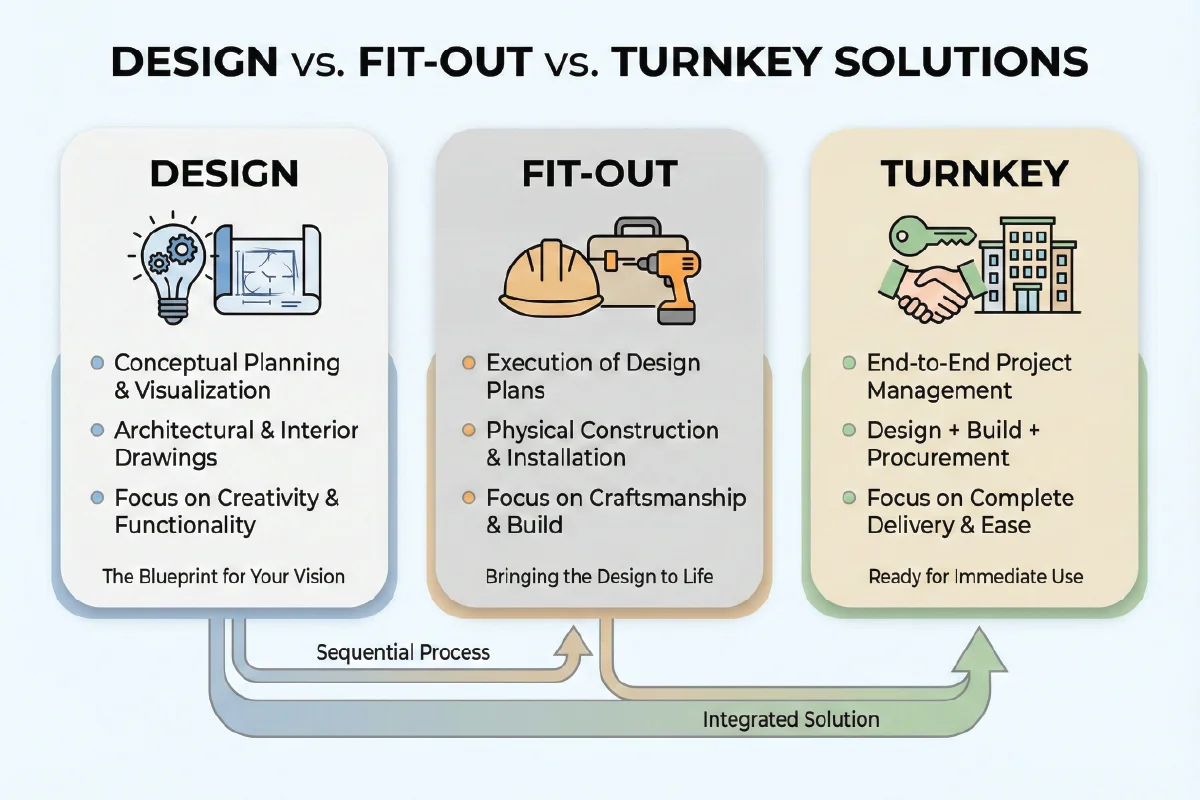
Short Answer: In Qatar, interior design, interior fit out, and turnkey projects represent three different levels of responsibility and cost. Interior design focuses on planning and aesthetics, fit out focuses on execution and construction, while turnkey combines design coordination, execution, approvals, and handover under a single responsibility. Choosing the right model depends on budget control, timeline expectations, approval complexity, and how much involvement the client wants during the project.
What Is Interior Design
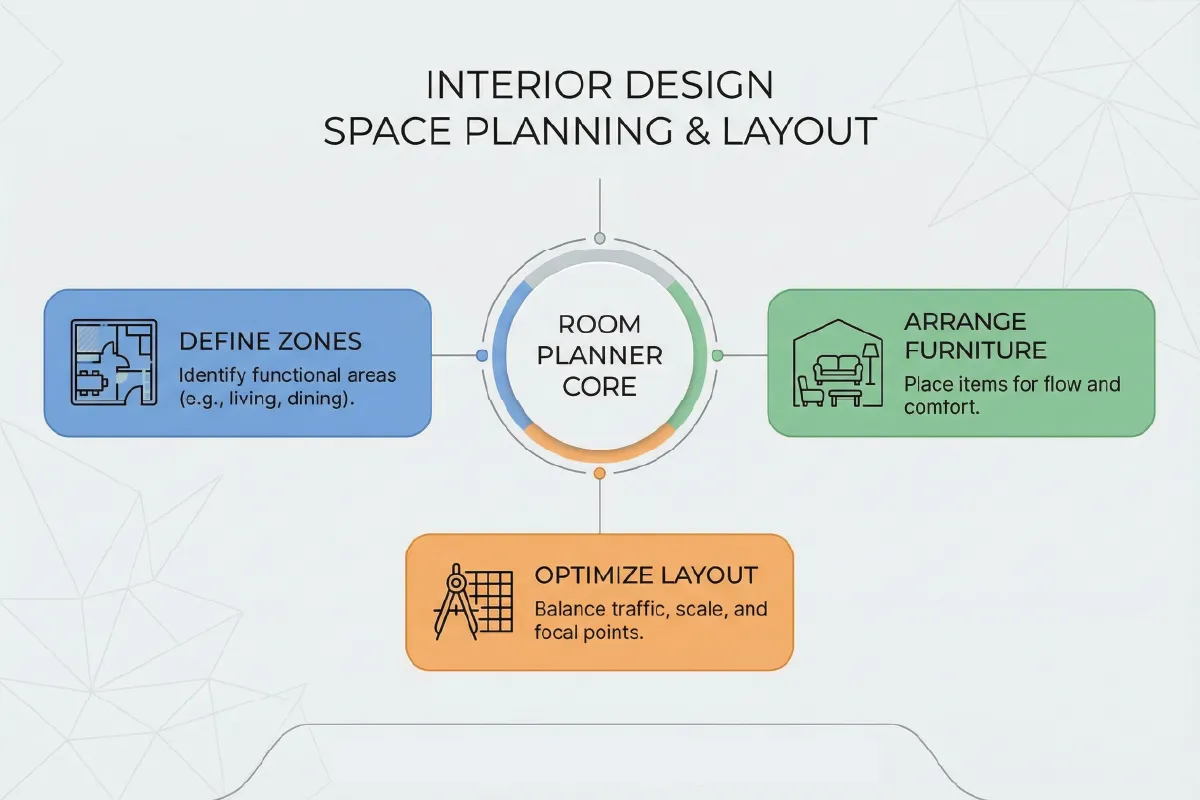
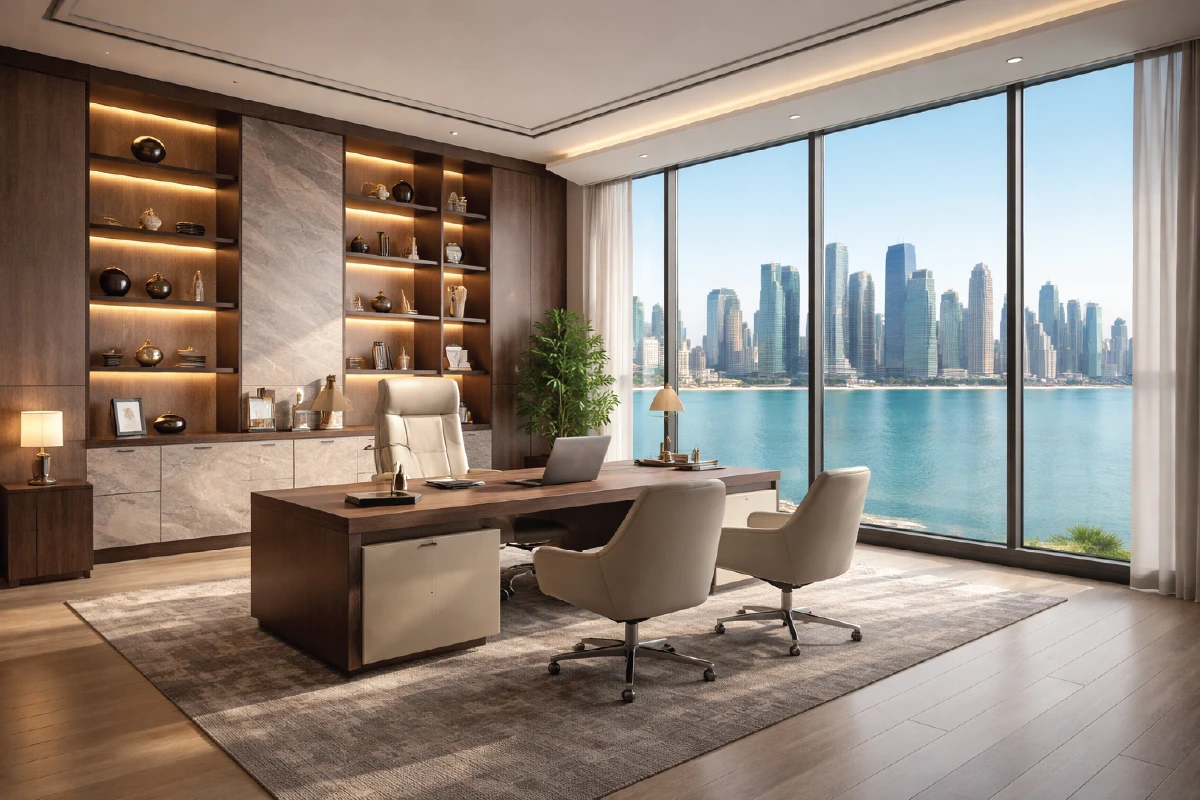
Interior design in Qatar primarily refers to the planning and conceptual phase of a project. It includes space planning, layout optimization, material selection concepts, and visual direction. Interior designers focus on how a space should function and feel rather than how it is physically constructed on site.
In practical terms, interior design services usually stop at drawings and specifications. Execution, approvals, and construction are handled separately unless additional services are contracted. This approach suits clients who prefer managing contractors directly or already have execution teams in place.
What Is Interior Fit Out
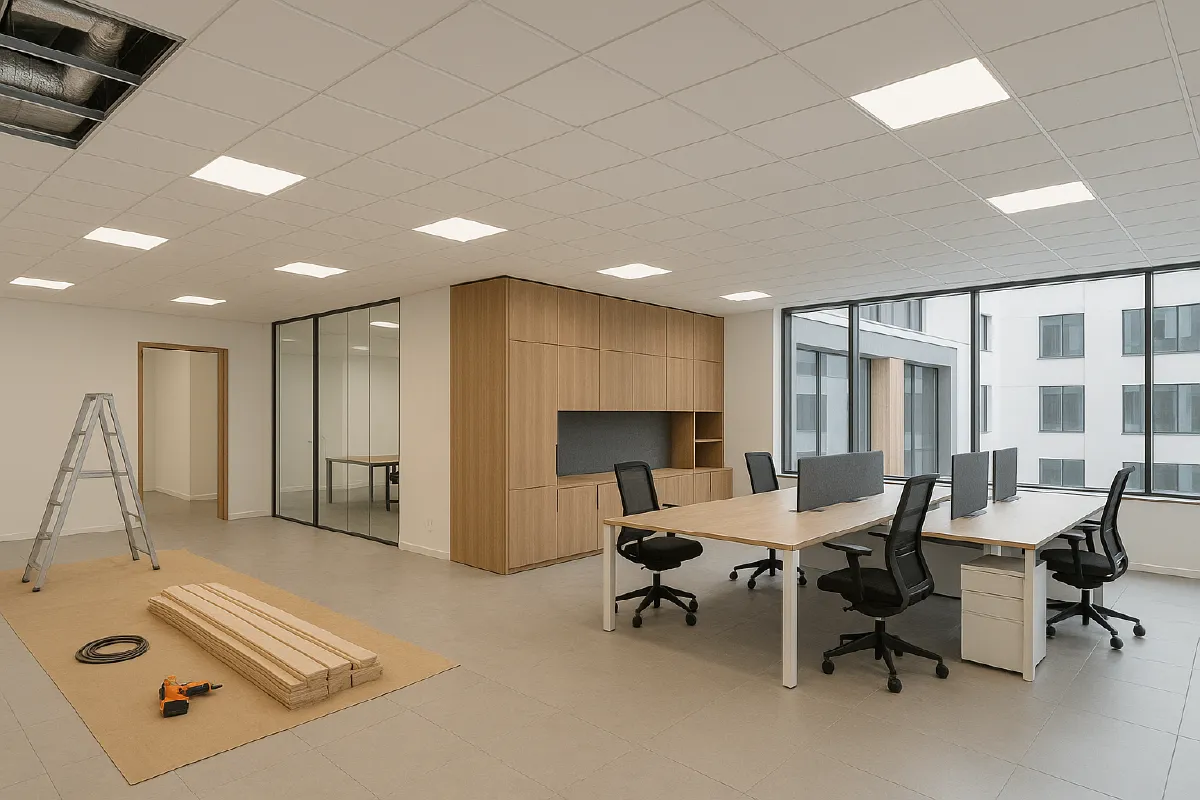
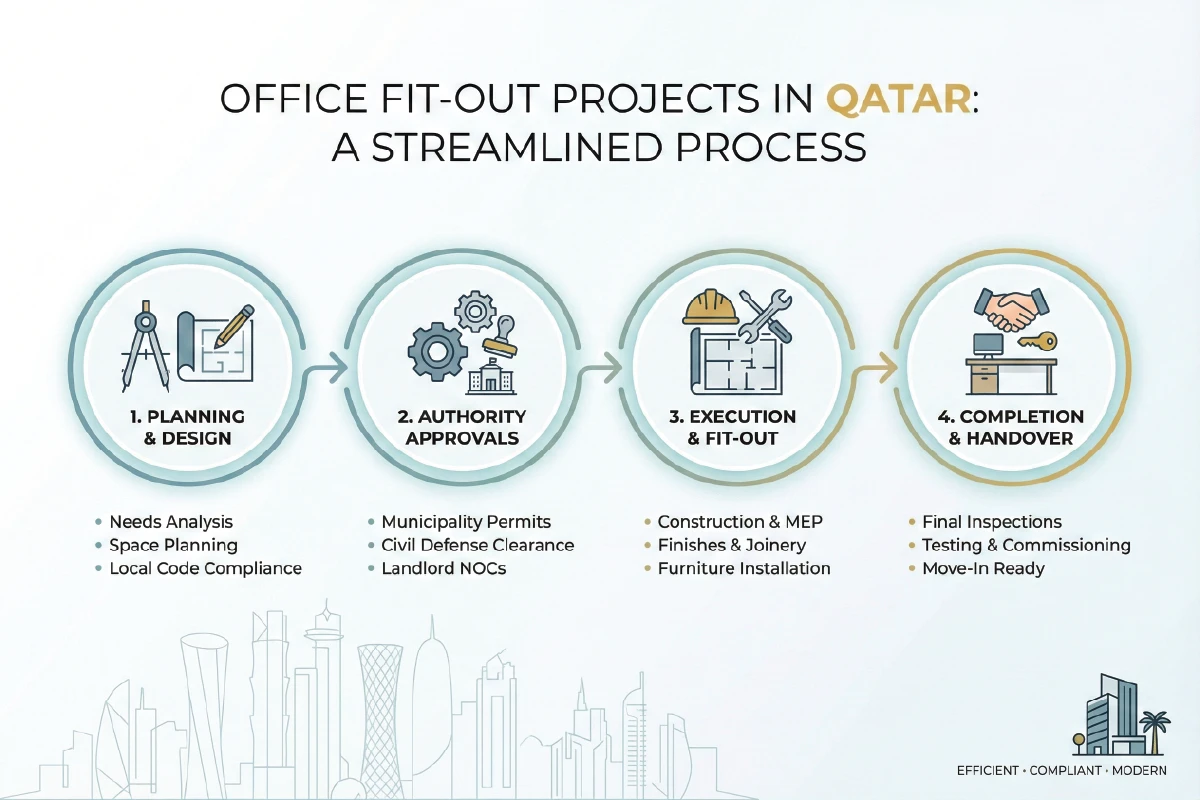
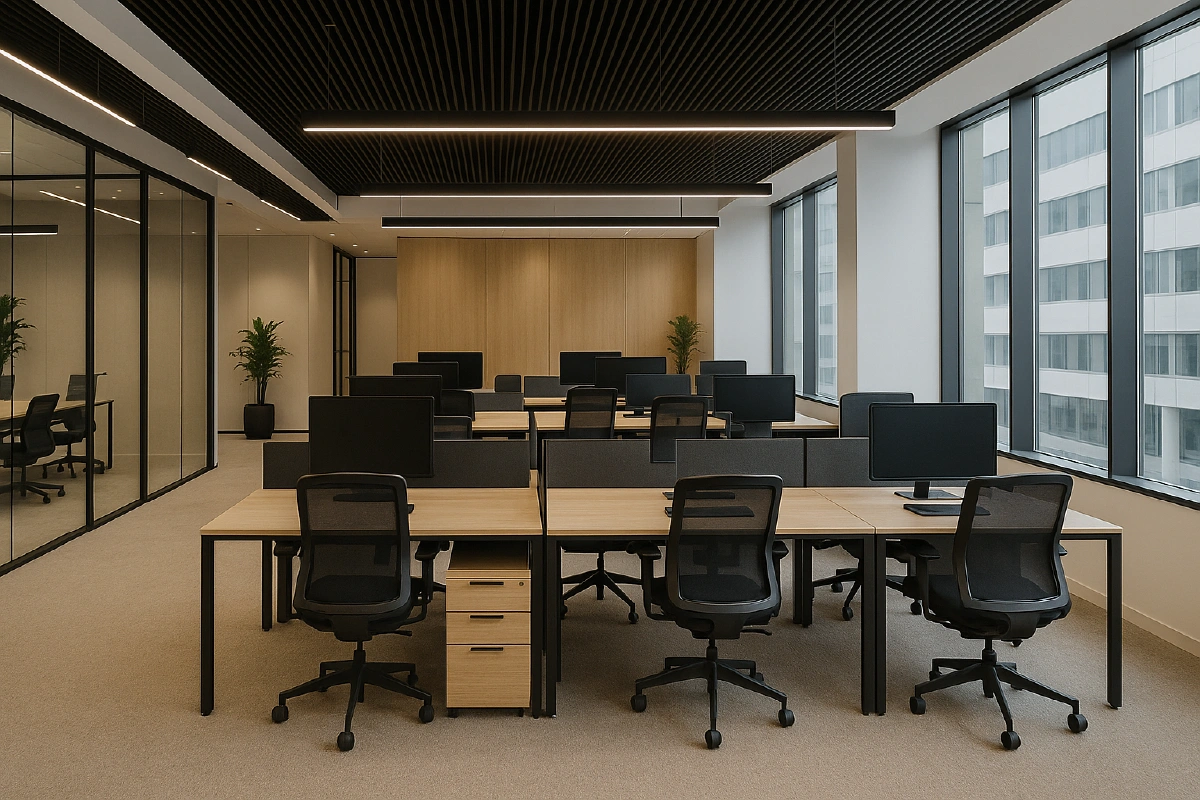
Interior fit out refers to the physical execution of interior works based on approved designs. In Qatar, fit out typically includes partitions, ceilings, flooring, joinery, basic services coordination, and site installation works. Fit out contractors translate drawings into a usable space.
Fit out projects often require coordination with landlords, base building conditions, and authority inspections. Unlike interior design, fit out involves on site risks, material procurement, labor management, and timeline control.
What Is A Turnkey Interior Project
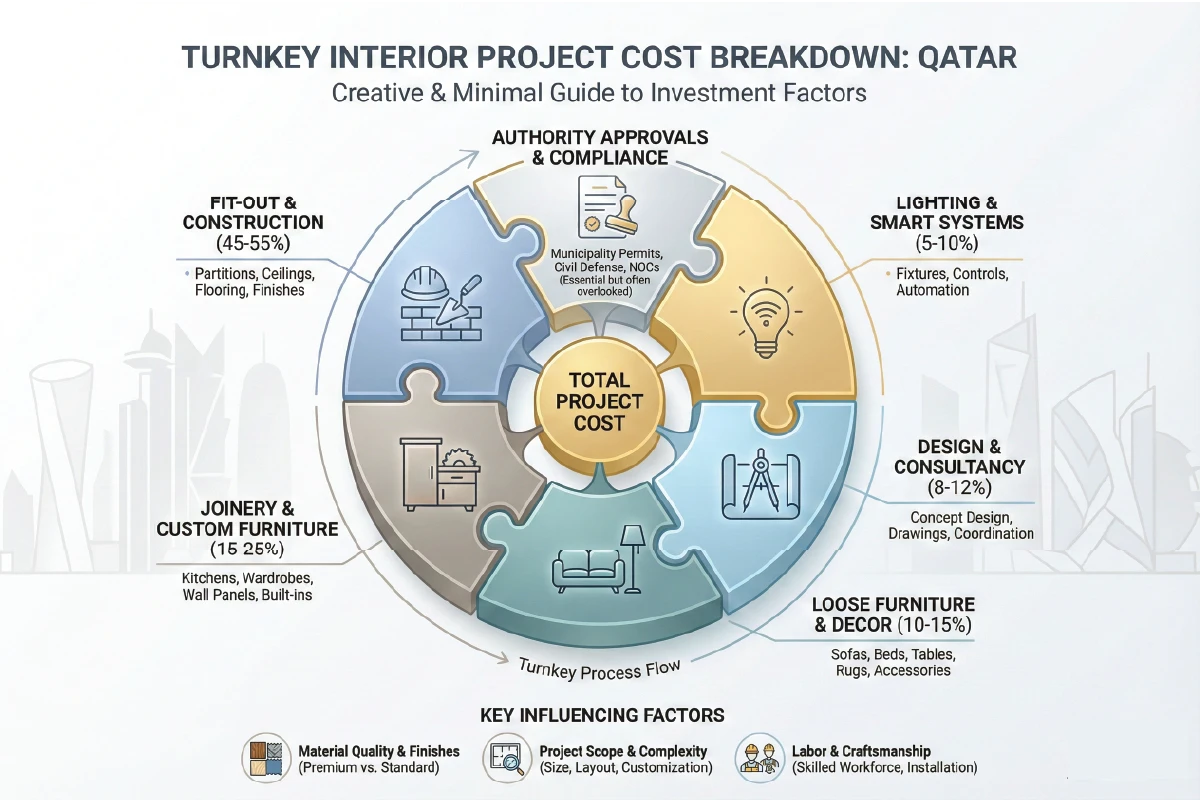
A turnkey interior project combines design coordination, execution, approvals, and final handover under a single responsibility model. In Qatar, turnkey is commonly used for projects where clients want minimal involvement in daily coordination and prefer a single point of accountability.
However, turnkey pricing often appears higher only because it combines design coordination, fit out execution, approvals, and handover into one responsibility. This bundled scope is different from standalone services, as clarified in the difference between design, fit out, and turnkey.
Turnkey does not necessarily mean one company performs every task directly. Instead, it means the client deals with one responsible party for scope, cost, and timeline while multiple specialists may work behind the scenes.
Core Differences Between Design Fit Out And Turnkey
| Aspect | Interior Design | Interior Fit Out | Turnkey Interior |
|---|---|---|---|
| Primary Role | Planning and aesthetics | Execution and construction | End to end delivery |
| Client Involvement | High during coordination | Moderate during execution | Low after scope approval |
| Cost Control | Design fee based | Execution cost based | Consolidated project cost |
| Approvals Handling | Limited or advisory | Partial coordination | Full coordination |
| Risk Distribution | Client managed | Shared | Centralized |
How Costs Differ Between Design Fit Out And Turnkey
In Qatar, cost differences between interior design, fit out, and turnkey models are driven by scope responsibility rather than branding. Each model carries a different cost structure based on what is included and who manages risk.
| Model | How Costs Are Charged | Common Cost Risk Areas |
|---|---|---|
| Interior Design | Fixed fee or percentage of project value | Design changes, scope extensions |
| Interior Fit Out | Itemized execution pricing | Variations, site conditions |
| Turnkey Interior | Consolidated project pricing | Scope definition accuracy |
Timeline And Approval Implications In Qatar
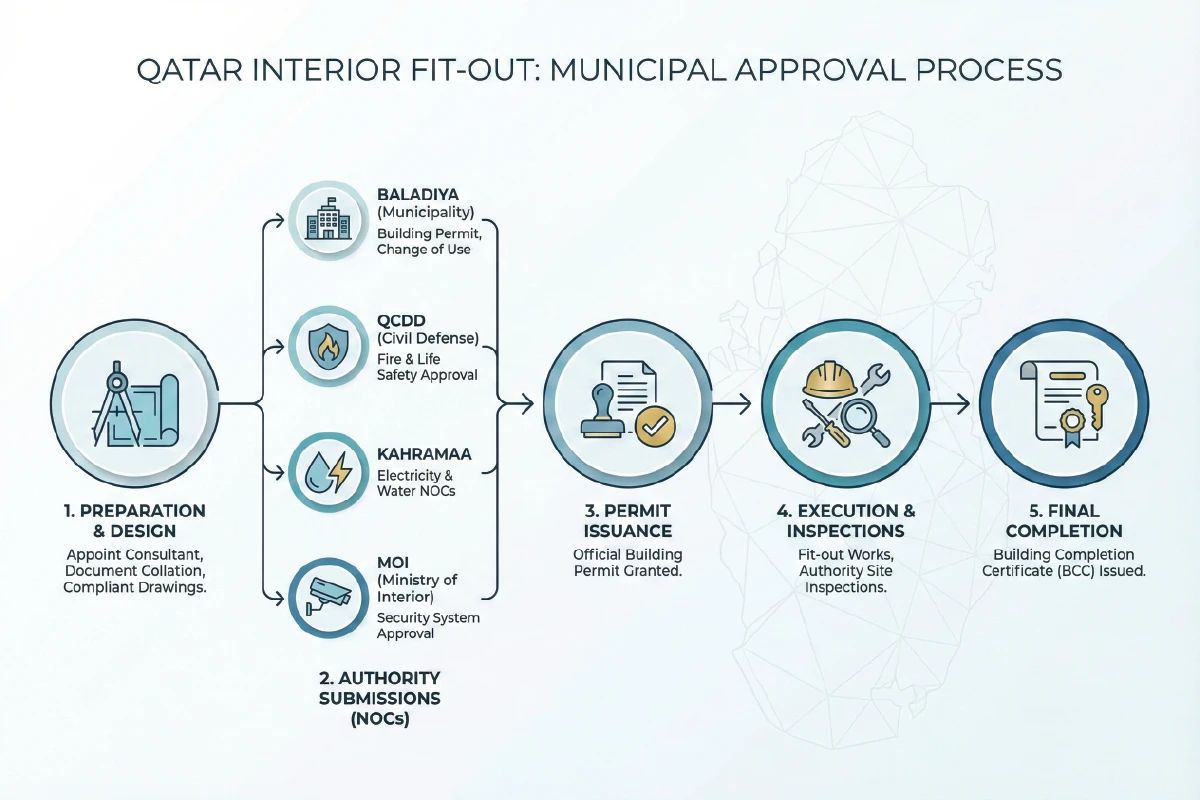
Timelines in Qatar are heavily influenced by approval workflows. Interior design timelines are generally predictable, while fit out and turnkey projects depend on inspections, landlord coordination, and authority clearances.
Turnkey projects often progress more smoothly once approvals are secured because coordination is centralized. In contrast, projects split between design and fit out teams may experience delays if responsibilities are unclear.
Which Model Suits Different Project Types
Choosing between design, fit out, and turnkey depends on project complexity, client availability, and risk tolerance. There is no universally better option, only a better fit for specific situations.
| Project Type | Preferred Model | Reasoning |
|---|---|---|
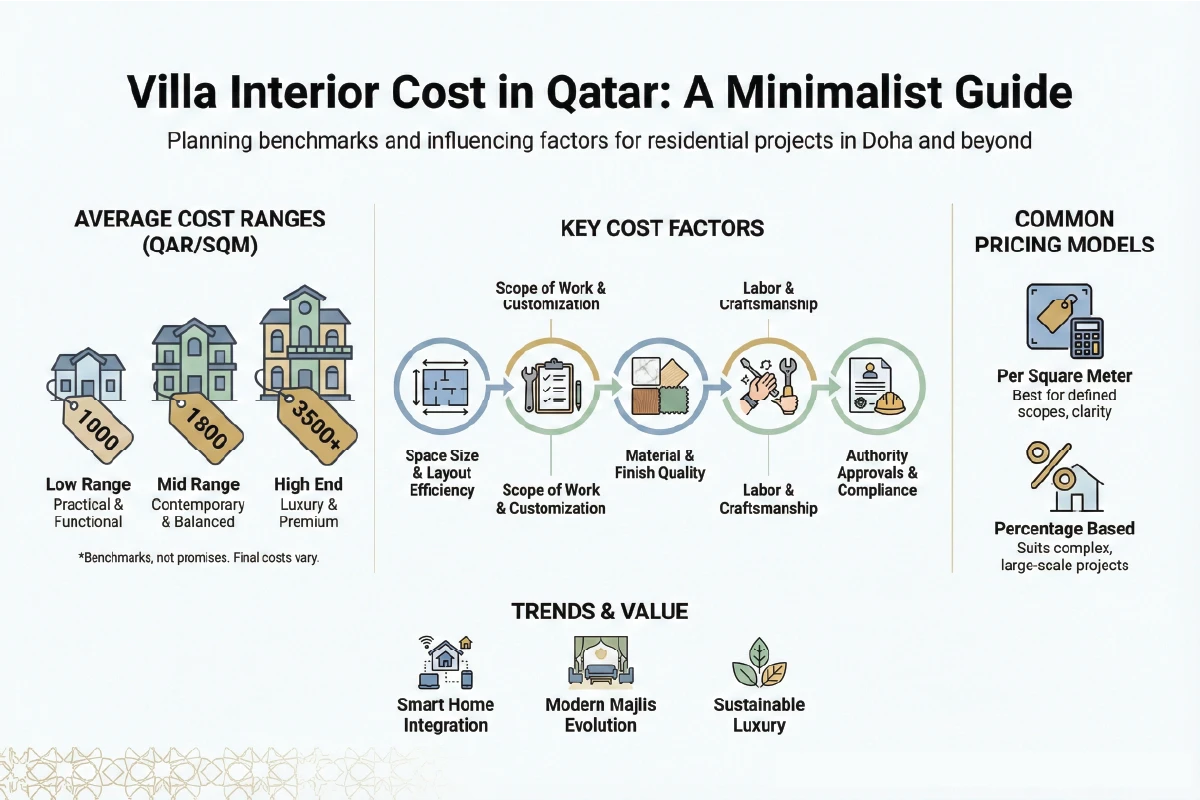
| Residential Apartment | Design Or Turnkey | Lower approval complexity, design driven priorities |
| Office Fit Out | Fit Out Or Turnkey | Services coordination and timeline control |
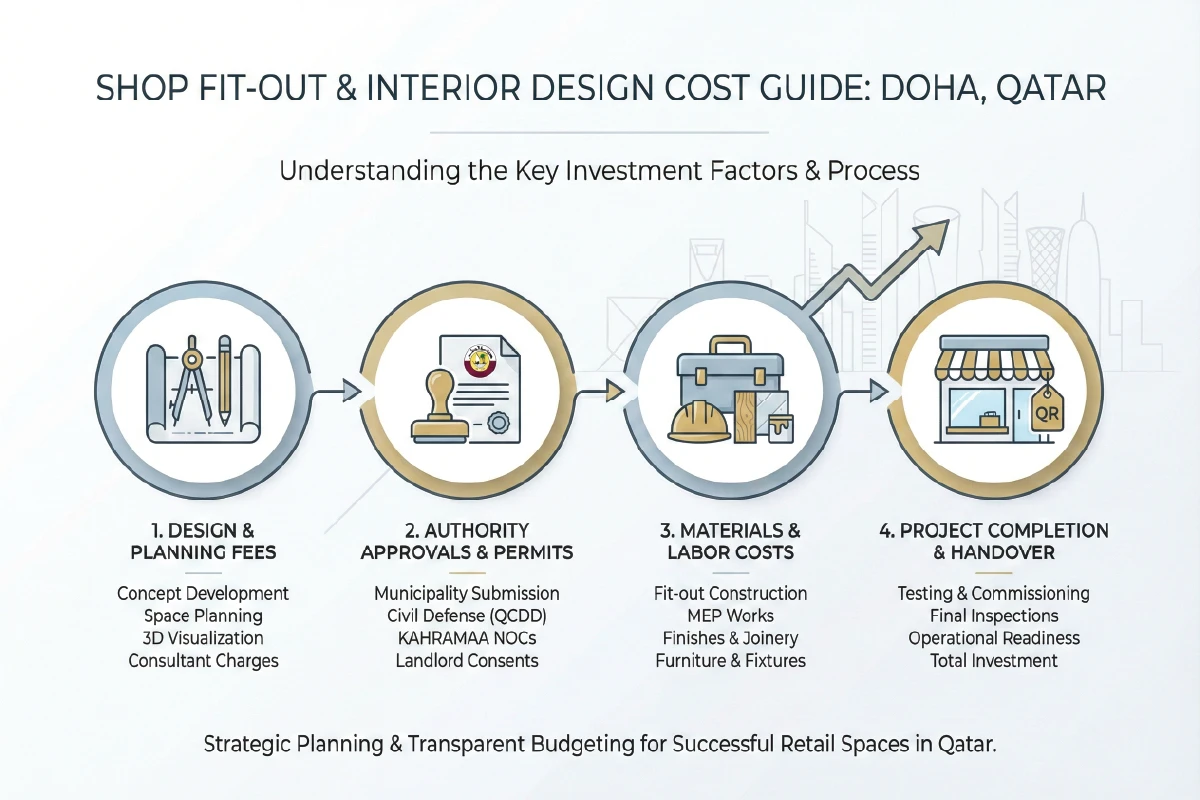
| Retail Or Restaurant | Turnkey | High approval and compliance requirements |
Common Misunderstandings About Turnkey Projects
Turnkey projects are often misunderstood as premium or inflexible solutions. In reality, the turnkey model primarily shifts coordination responsibility rather than automatically increasing cost.
- Assuming turnkey always costs more
- Believing turnkey removes all client decisions
- Expecting fixed pricing without scope clarity
- Overlooking the importance of detailed specifications
How To Choose Between Design Fit Out And Turnkey
Selecting the right delivery model in Qatar depends on how much control, time, and risk a client is willing to manage. Clients who prefer hands on involvement and already have trusted contractors often start with interior design only. Those who want execution handled professionally without daily coordination responsibilities usually move toward fit out or turnkey models.
In practice, many projects begin with design services and transition into turnkey once scope clarity and budget alignment are achieved. Understanding this flexibility helps clients avoid committing too early to an unsuitable structure.
Frequently Asked Questions About Design Fit Out And Turnkey
Can Interior Design And Fit Out Be Appointed Separately In Qatar
Yes, interior design and fit out can be appointed separately. This approach is common when clients want design independence but are comfortable coordinating execution and approvals themselves.
Is Turnkey Suitable For Small Residential Projects
Turnkey can suit small residential projects when clients value time savings and reduced coordination, especially when approvals or custom execution are involved.
Which Model Offers Better Cost Predictability
Turnkey generally offers better cost predictability once scope is finalized because execution and coordination are consolidated under one responsibility.
Does Turnkey Remove All Client Involvement
No, clients remain involved in approvals, design direction, and material decisions. Turnkey mainly reduces day to day coordination tasks.
Key Takeaways
- Different Responsibilities: Interior design focuses on planning, fit out focuses on execution, and turnkey combines both with approvals and handover.
- Cost Structure: Pricing differences reflect scope responsibility rather than service quality.
- Timeline Control: Centralized coordination in turnkey projects often improves timeline reliability.
- Risk Management: Turnkey shifts coordination risk away from the client.
- Decision Fit: The right model depends on project complexity, budget clarity, and client availability.
References
- Qatar Construction and Fit Out Approval Procedures
- Qatar Civil Defense Interior Compliance Guidelines
- Common Commercial Fit Out Practices In Qatar